
A community’s hope turned into a painful reality as a search ended in grief.
It began as a chilling early-morning mystery when 12-year-old Bryan Vasquez, a nonverbal child with autism, vanished from his New Orleans home on August 14. Local teams, volunteers, drones, and even the Cajun Navy scoured streets and waterways in a desperate search.
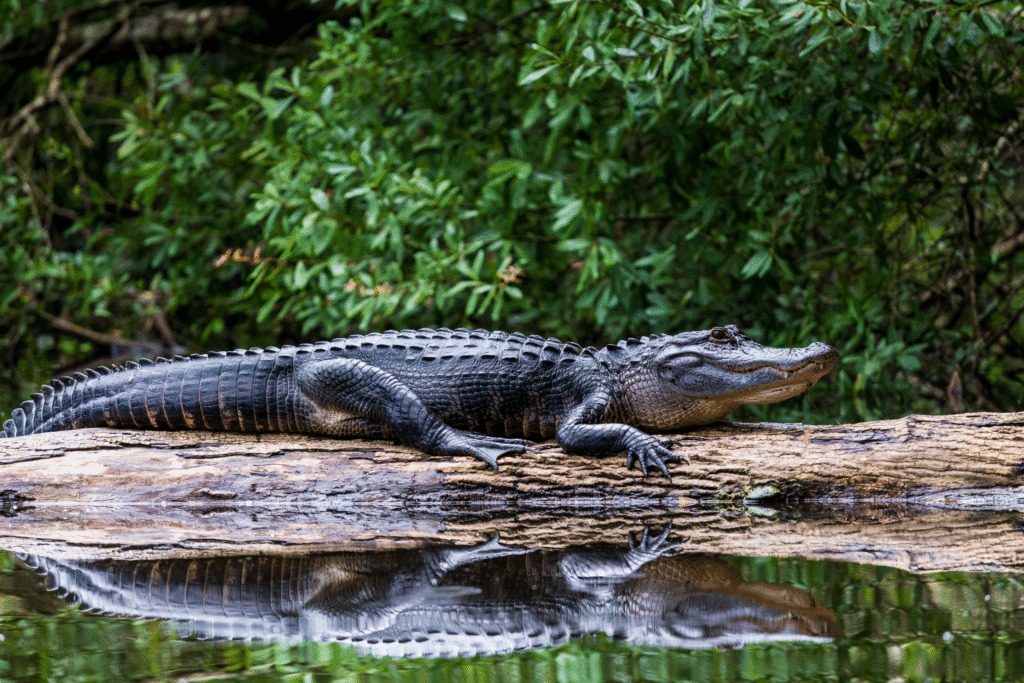
Days later, the search ended in heartbreak. On August 26, his body was found in a nearby lagoon. Authorities confirmed he died from blunt force trauma inflicted by an alligator and subsequent drowning, according to the coroner’s preliminary findings.
1. The boy escaped through an unsecured window in the early morning.

Bryan was last seen around 5:20 a.m. on August 14, wearing only a diaper, captured on doorbell camera footage wandering near his home. Surveillance shows a little boy stepping into a world he couldn’t fully navigate, as authorities sifted through what that meant in that quiet predawn moment.
The vulnerability in that image—one unguarded window, one unsupervised moment—sets the tone for a tragedy that unfolded with haunting slowness and sudden finality.
2. His body was discovered 12 days later in a lagoon, located via drone.

The search spanned nearly two weeks before thermal drone technology pinpointed his location about 200 yards from the edge of the search zone.
That span of time feels like an eternity, especially for a child whose needs were profound. In those hours, hope stretched thin. And when the technology finally closed the distance, sorrow followed.
3. The cause of death was ruled blunt force trauma from an alligator and drowning.
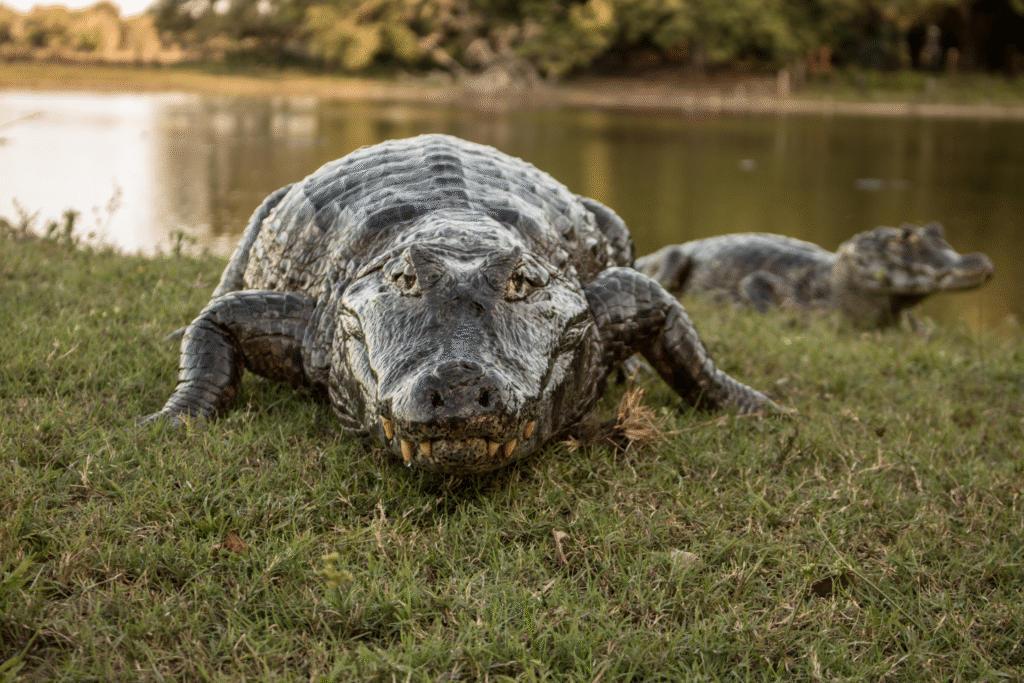
The Orleans Parish Coroner’s Office concluded Bryan’s death was caused by blunt trauma from an alligator, followed by drowning.
When you imagine the end of a search, you picture reunions, relief, maybe even joy. Instead, it delivered a chilling answer. Nature’s unpredictability taking a boy from the edges of home, and returning only silence.
4. A five-hour police response delay is under investigation.
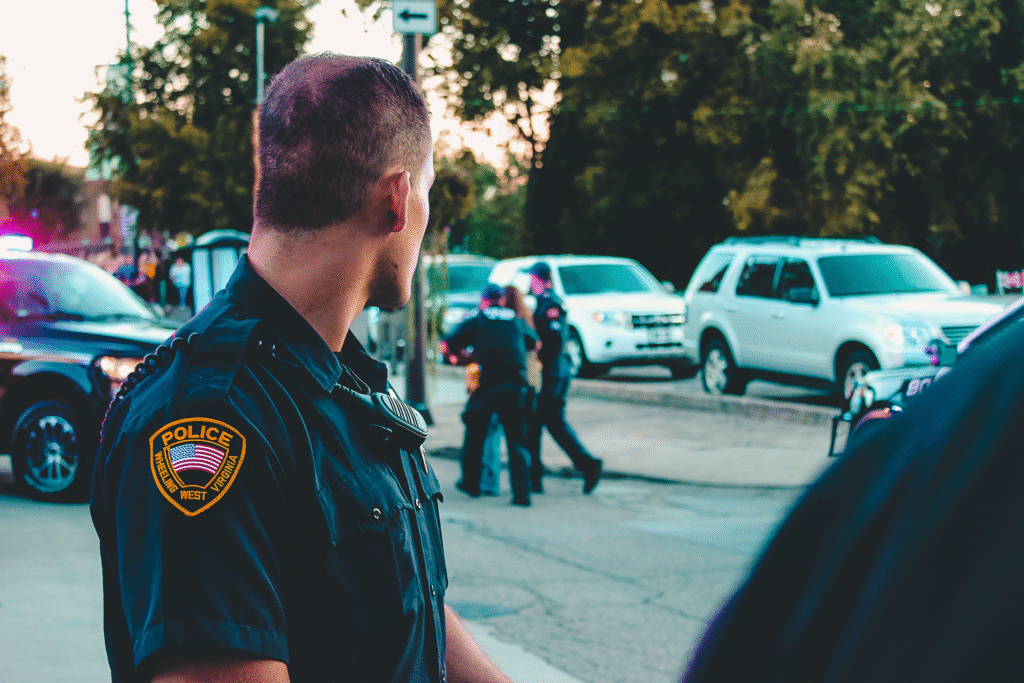
Reporters noted that authorities took nearly five hours to respond after Bryan was reported missing, prompting an internal NOPD review. The unanswered questions about that lag add layers of complexity to the heartbreak. Communities remember the hours that slipped by rather than the minutes that followed.
Families wonder if speed could have changed something. In those early, critical hours, every heartbeat counts—but the clock ticked on.
5. His mother is now facing criminal charges amid scrutiny.

Days after the discovery, Bryan’s mother, Hilda Vasquez, was arrested and charged with negligent homicide and second-degree cruelty to juveniles. It emerged she had a prior conviction in 2013 after Bryan, as an infant, was found with severe injuries, including a skull fracture and broken legs.
The legal inquiry now grapples with choices made long before and on that tragic day. This isn’t just an investigation—it’s a reckoning with what we owe to children we care for, and a community wrestling with trust broken in ways that are hard to face.
6. Wildlife officials are responding to minimize future risks.

In response to the attack, authorities have asked Louisiana’s Department of Wildlife and Fisheries to remove nuisance alligators from the area, a step toward preventing further human-wildlife tragedy. Keeping safety balanced with local ecology feels like walking a tightrope. Animals follow instinct—they don’t read neighborhood signs.
As tempers cool and grief settles into routine, the physical presence of risk remains in that murky water, where a boy’s final footsteps once led.
7. The community is grieving a boy remembered as joyful.
Neighbors and classmates described Bryan as full of warmth and spirit, a presence that lit rooms even when words couldn’t. His absence ripples through New Orleans neighborhoods, school halls, and hearts that knew him.
That contrast—vibrant life halted in silence—makes the story sting harder. It isn’t just about what happened. It’s about who he was and who he could’ve continued to be.
8. Volunteer groups and agencies surged into action.
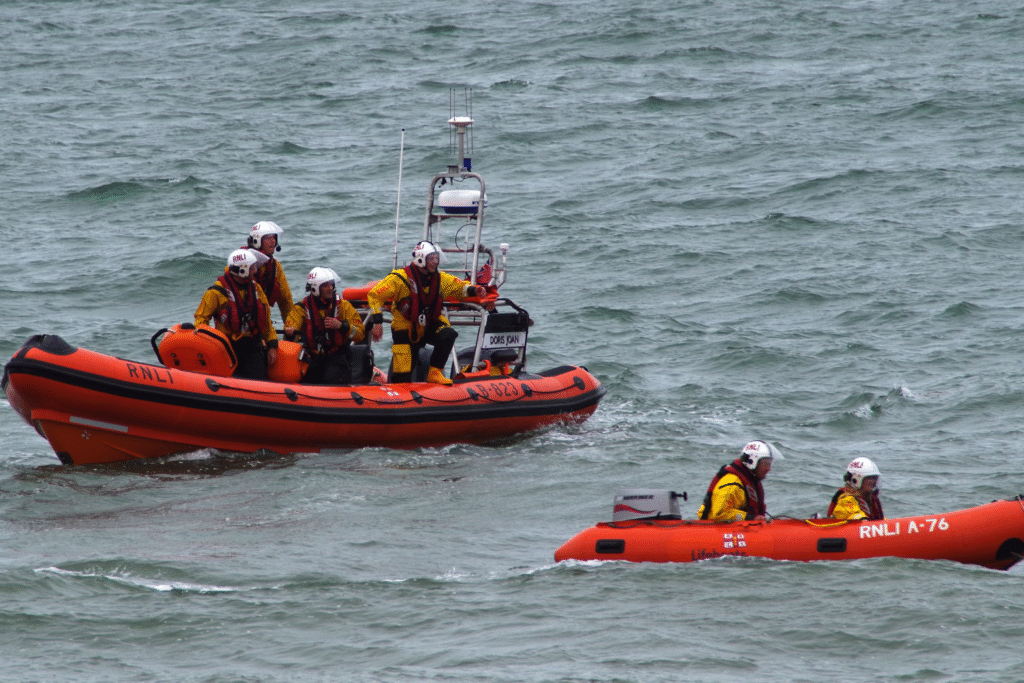
The search that found Bryan’s body wasn’t just police—it was an entire community in motion. Airboats, bloodhounds, volunteers, and the Cajun Navy joined forces. Each searcher carried hope in gear and sweat. When it ended in grief, the collective weight of that hope turned heavy and solemn in the Louisiana air.
You’ll still see those boats and boots. They will remember that search wasn’t a race. It was a promise: to keep looking, until there was something to say.
9. This tragedy raises haunting questions about safety for vulnerable children.
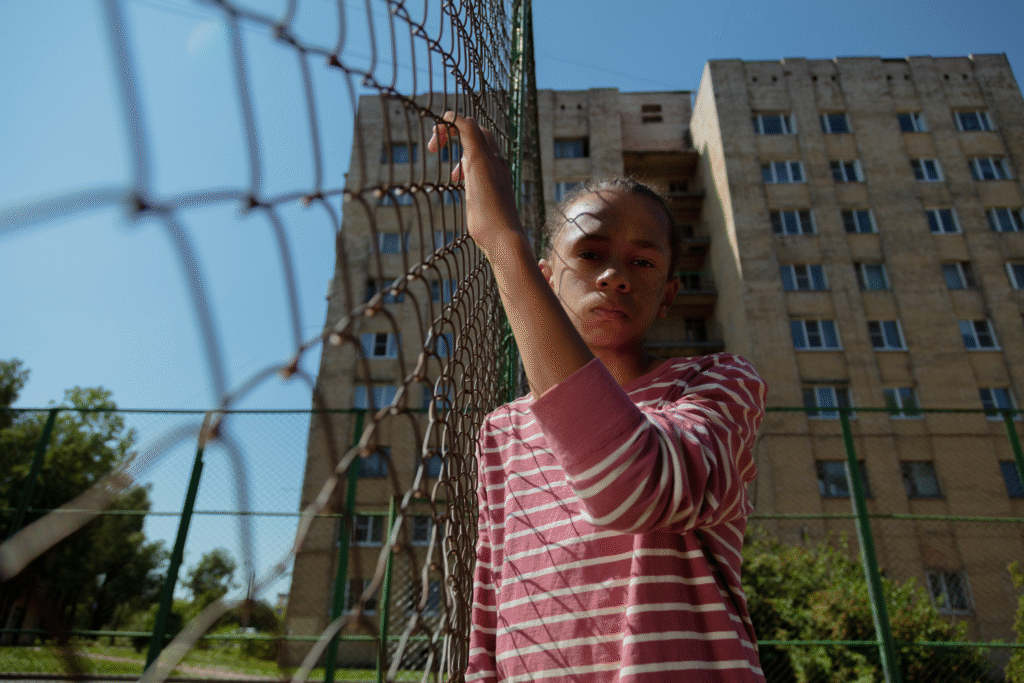
At the core lies a child whose disability left him especially alienated by language and expectation. His neurodevelopmental condition meant he couldn’t follow directions or understand danger. That reality demands systems and vigilance strong enough to cradle him—and that safety failed him in that shift before dawn, in that unlocked window, in those unanswered breaths.
This loss forces us to ask—how can we protect those least able to protect themselves? And how many questions will go uncomfortably unanswered when they can’t speak to the gaps that cost them everything?
10. A city mourns—and must reckon with both grief and accountability.
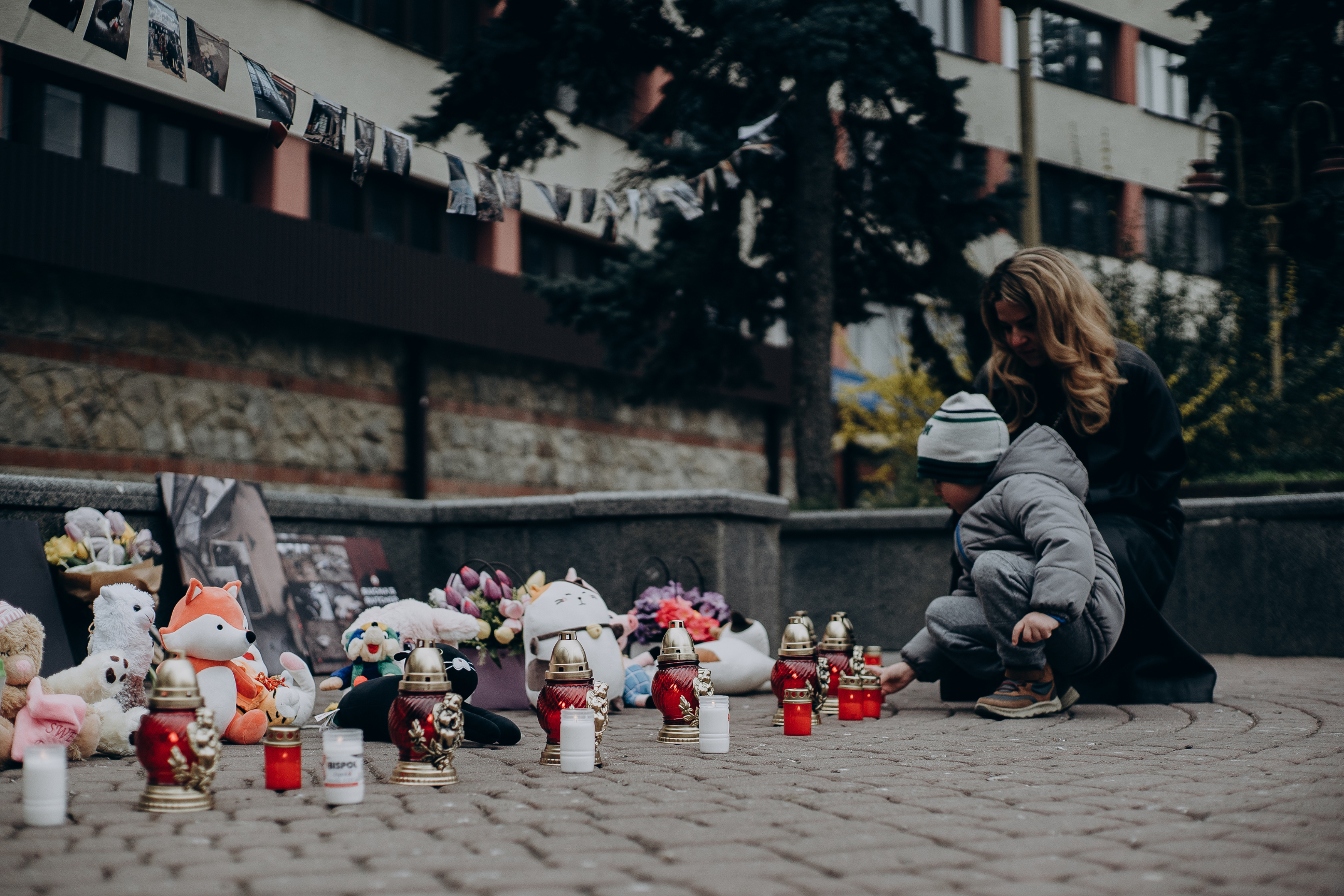
New Orleans is shaped by storms—storms of water, storms of history, storms of loss. This is another kind, deeply personal and unsettling. Yet amid the pain, determination takes root. Determination to answer every question, to improve every response, to seek justice through policy and care.
In that reckoning lies hope—not for reversing what’s gone, but for honoring a boy whose silence now carries a voice demanding change.