Not Every Pet Belongs in a Small Home, But These Fit Perfectly

Enjoy the right kind of company, even in limited space.
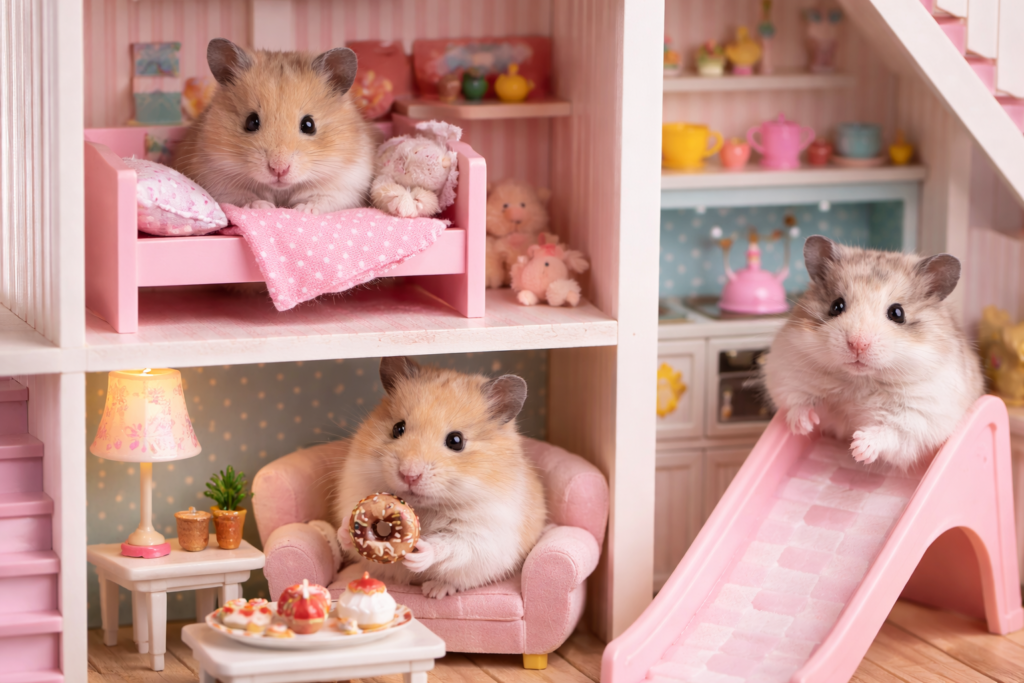
©Image PetsnPals/AI generated image

Choosing the wrong pet for a small apartment can quickly lead to noise issues, limited space, and daily stress that affects both you and the animal. Many pets require more room, attention, or activity than people expect, and that mismatch often becomes clear after it is too late. The key is selecting animals that adapt well to smaller environments and do not rely on constant stimulation or large areas to stay healthy. With the right choice, even a compact living space can comfortably support a pet without creating unnecessary challenges or disruptions to your routine.

Read more

What Skipping a Single Vet Visit Can Turn Into Faster Than You Expect

Small gaps in care can lead to major consequences.

©Image PetsnPals/AI generated image

Routine veterinary care often feels easy to postpone when nothing appears wrong, but many serious conditions develop without obvious signs in their early stages. Issues like dental disease, parasites, organ dysfunction, and heart conditions can progress quietly, only becoming noticeable once significant damage has already occurred. By the time symptoms are visible, treatment is often more complex, more expensive, and less effective. Preventive visits are designed to detect these changes before they escalate, using exams and testing that reveal what cannot be seen at home. Skipping even one appointment can remove that early window, allowing manageable problems to develop into emergencies that require immediate and intensive care.

Read more

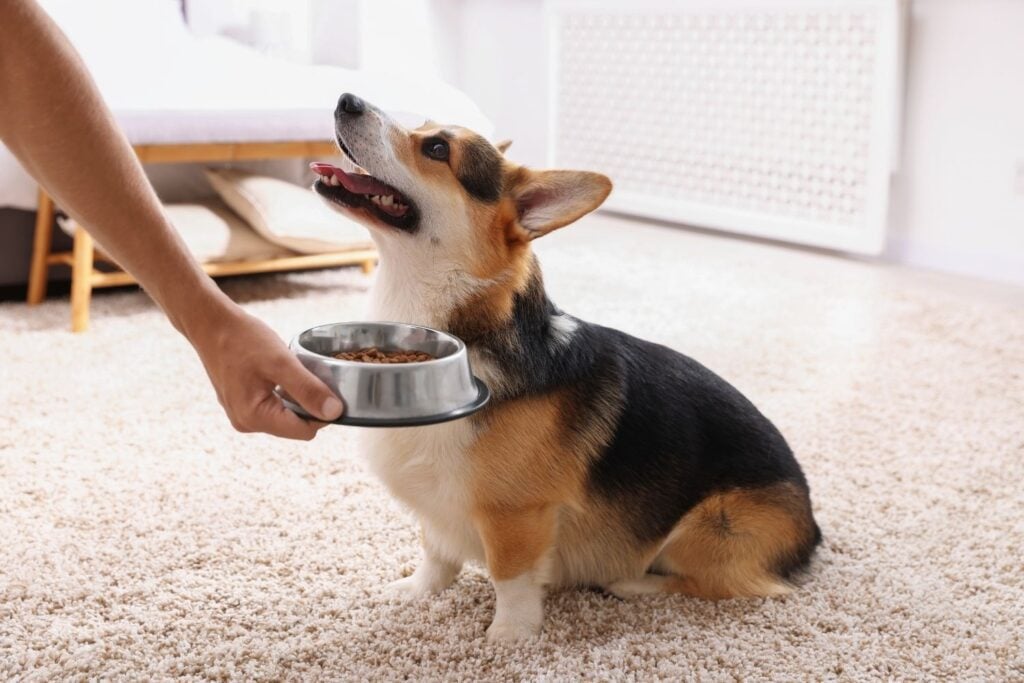
The True Cost of Your Pet’s Dinner May Be the Planet

The impact extends far beyond what you can see.

©Image license via Canva

Pet ownership often focuses on care, nutrition, and routine, but one part of that routine carries a broader impact that rarely enters the conversation. The contents of a food bowl are tied to supply chains, resource use, and environmental consequences that extend far beyond the home. Most of these effects are not visible, and they are not labeled in a way that makes them easy to recognize. The result is a system where everyday choices feel small, yet scale into something much larger. Once those connections become clear, the implications are harder to ignore and more difficult to separate from daily habits.

Read more

Why Some People Think Domesticated Animals Should Not Exist at All

Beneath companionship, critics see a system built on control.

©Image license via Canva

It starts with something most people never question. A dog waiting at the door, a cat curled up on the couch, a cow grazing behind a fence. These scenes feel normal, even comforting, like they have always belonged in human life. But a growing number of voices are beginning to push back on that assumption. They are asking whether something much bigger has been overlooked, something built so deeply into everyday life that it has gone almost invisible. The question they raise is not small, and once it is asked, it becomes difficult to ignore.

Read more

Nutrition Myths That Do Not Match the Evidence

Experts warn that common feeding habits need a rethink.

©Image license via Canva

Feeding your pet should feel simple. You pick what seems healthy, follow advice that sounds credible, and trust that you are doing the right thing. But the deeper you look, the less straightforward it becomes. Some of the most widely accepted ideas about pet nutrition are not as reliable as they seem. They are repeated often enough to feel true, even when the evidence tells a different story. The problem is not just confusion, it is how easily these beliefs shape everyday decisions. And once they take hold, they can quietly influence your pet’s health in ways most owners never stop to question.

Read more