The Amazon’s Deadliest Silent Killers

The most dangerous encounters often happen without noise.
©Image PetsnPals/AI generated image

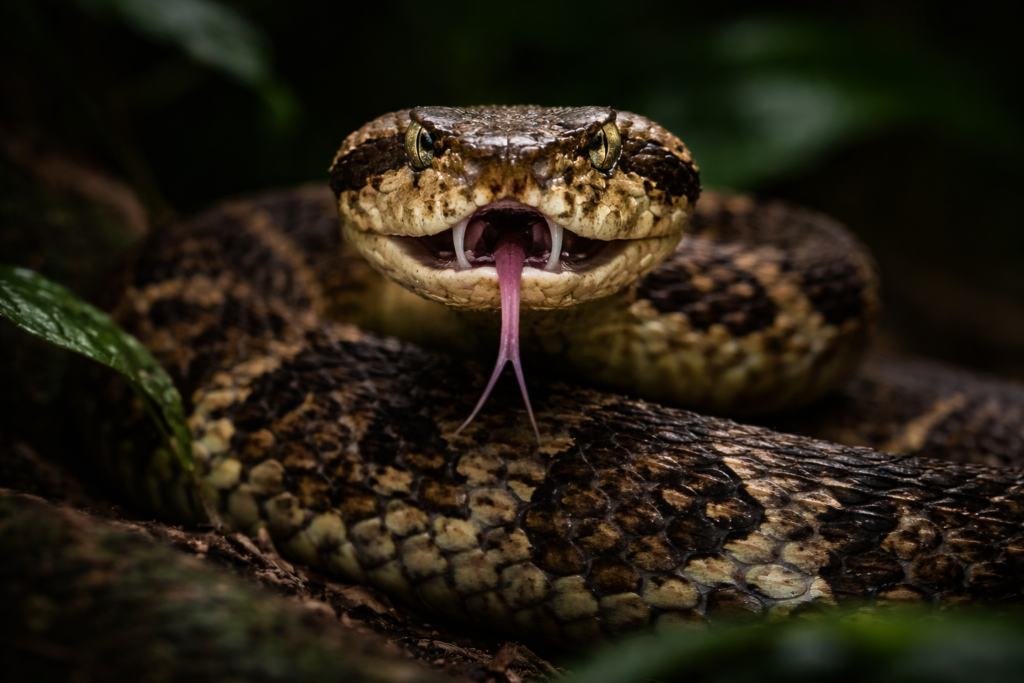
The Amazon Rainforest contains one of the highest concentrations of biodiversity on Earth, but that diversity includes species capable of causing serious harm under the right conditions. Some rely on venom, others on strength, and many on camouflage or stealth that allows them to remain undetected until close range. The risk is not constant, but it becomes real when awareness drops or boundaries are crossed. Encounters with these animals are rare compared to the size of the ecosystem, yet the consequences can be severe when they do occur. Understanding which species pose the greatest danger helps put into perspective how survival in this environment depends on attention and respect.
Read more

How Expanding Roads Are Disrupting Animal Migrations Across Critical Routes

Movement that once defined survival is being cut off.

©Image PetsnPals/AI generated image

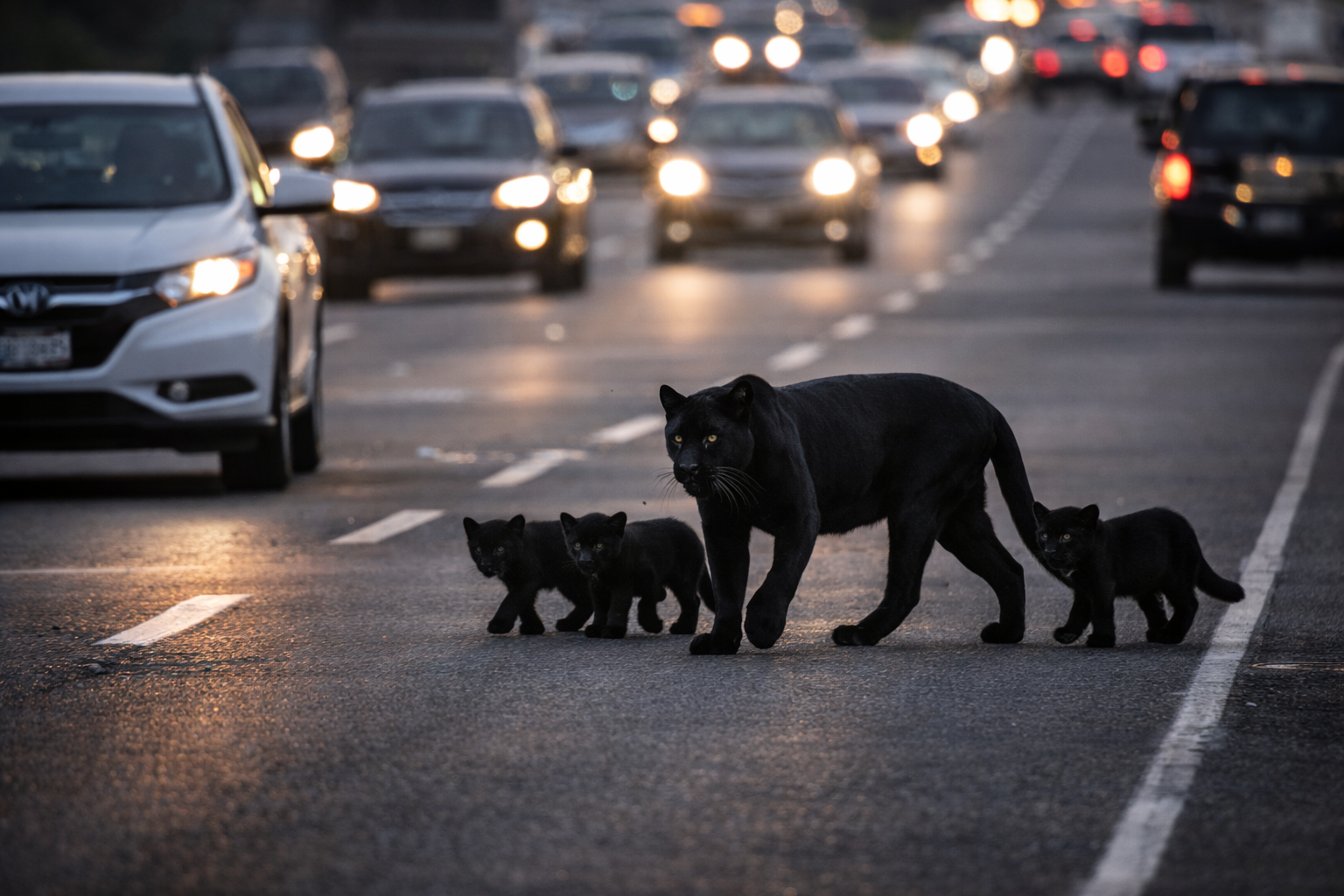
Road networks are reshaping wildlife movement in ways that extend far beyond isolated collisions. Migration routes that once connected feeding grounds, breeding areas, and seasonal habitats are being interrupted by expanding infrastructure that animals cannot easily navigate or avoid. In many cases, the impact is not immediate but cumulative, as repeated disruptions reduce access to critical resources and limit genetic exchange between populations. Species that rely on learned or instinctive pathways face increasing pressure as those routes become fragmented or inaccessible. The result is not just displacement, but long-term population decline driven by barriers that continue to expand across landscapes animals have used for generations.

Read more

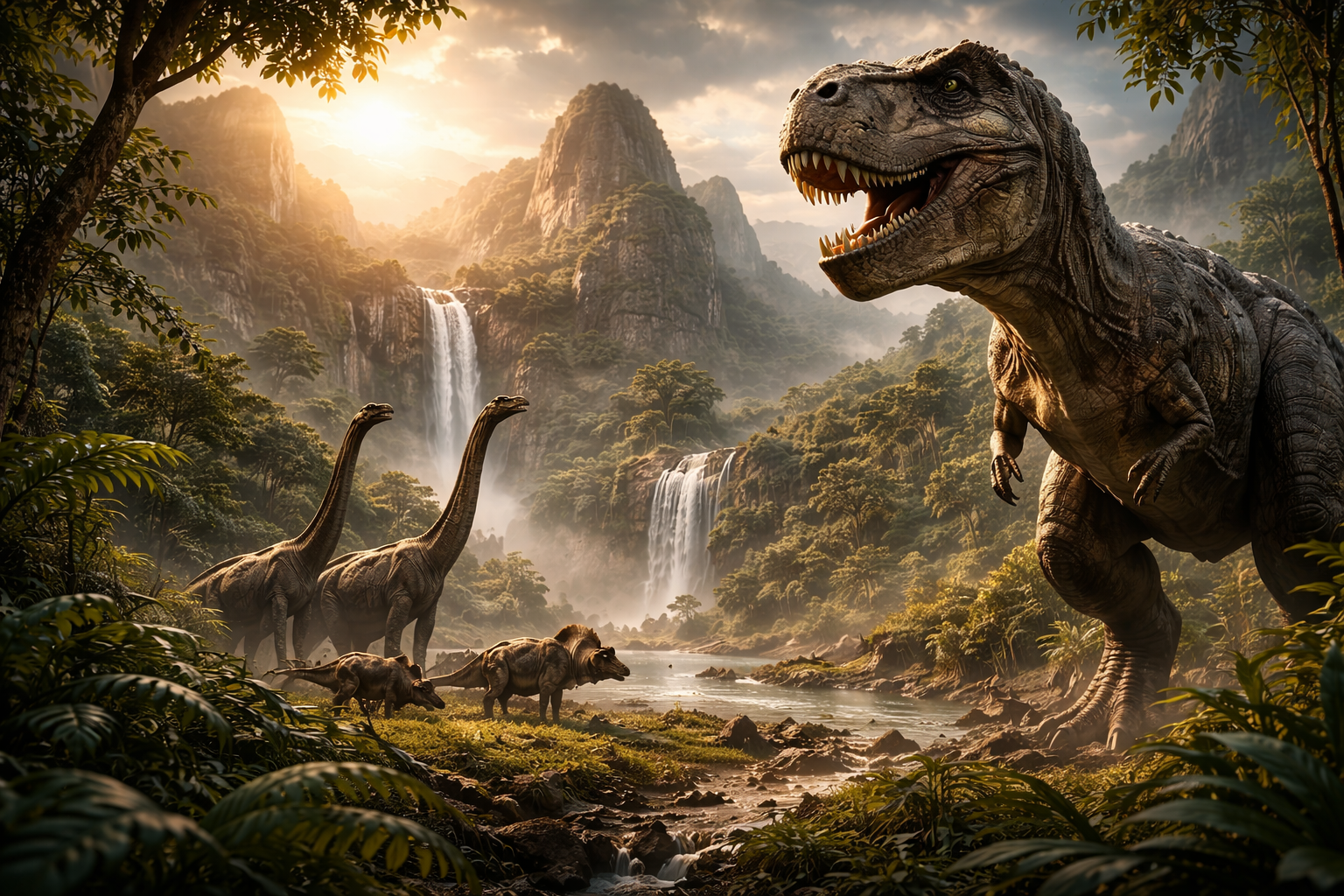
10 Dinosaur “Facts” From Childhood That Would Fail a Science Test Today

Nearly everything you were taught has been rewritten.

©Image via Canva

For decades, the image of dinosaurs felt settled, almost finished, as if science had already drawn the final version. Museums, textbooks, and films reinforced the same shapes, behaviors, and assumptions, turning them into something close to fact. But behind the scenes, that certainty has been steadily unraveling. New fossil discoveries, advanced imaging, and reanalysis of old specimens have exposed just how much of that familiar picture was incomplete or simply wrong. The result is not a small correction, but a full reshaping of how these animals looked, moved, and lived, forcing scientists to rethink details that once seemed unquestionable.

Read more

Macaw vs Cockatoo, The Ultimate Test of Patience and Affection

What owning one actually looks like day to day

©Image PetsnPals/AI generated image

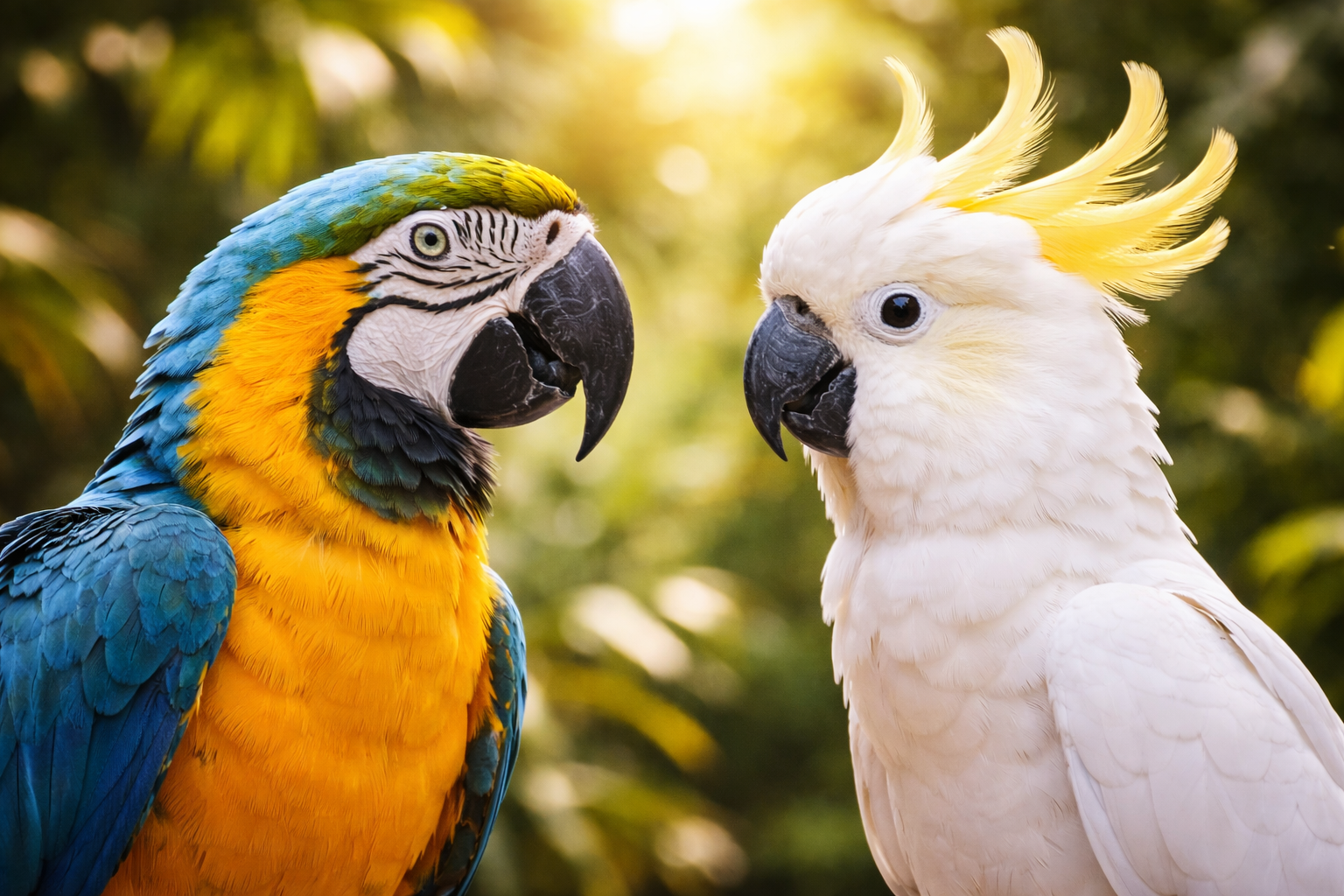
Macaws and cockatoos are often chosen for their intelligence, beauty, and strong personalities, but owning one is far more demanding than most people expect. These birds require constant attention, specialized care, and a level of commitment that can reshape daily life. Their behavior is not passive or low maintenance, and many owners are unprepared for the noise, emotional needs, and long lifespan that come with them. Understanding the key differences between these two species can help set realistic expectations and prevent common mistakes that lead to frustration for both the bird and the owner.

Read more

If Humans Disappeared, Scientists Say They Know Which Animal Would Dominate

One species may rise while others compete.

©Image PetsnPals/AI generated image

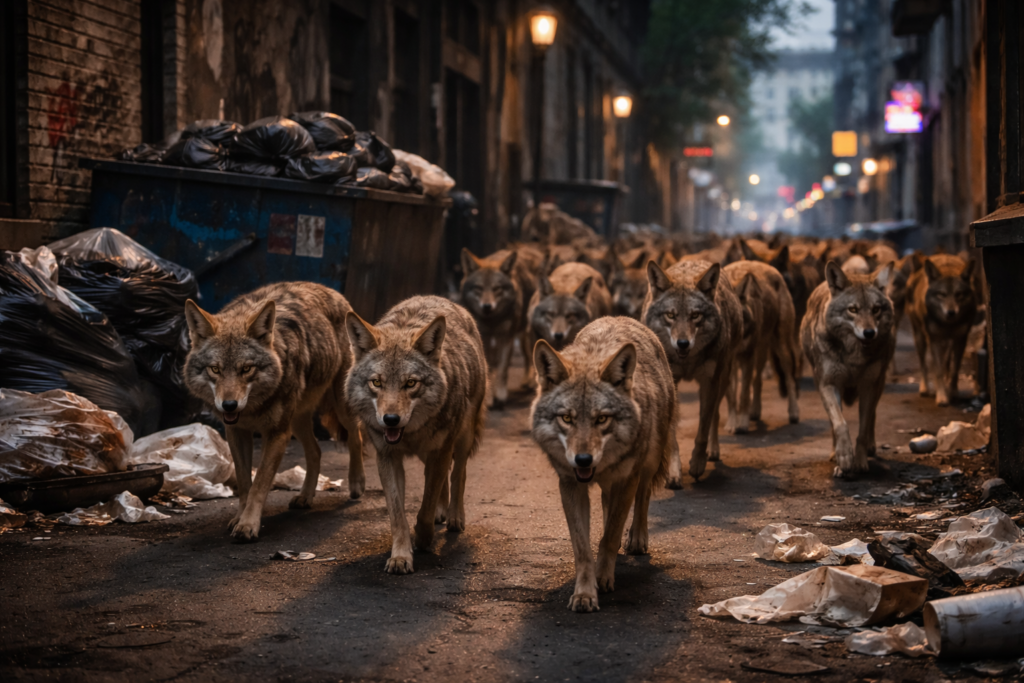
If humans vanished tomorrow, the shift would not unfold evenly. Cities would empty, infrastructure would decay, and ecosystems would begin reorganizing without warning. Some animals would disappear alongside us, dependent on what we built. Others would surge into the gaps, exploiting resources we left behind. Scientists have modeled these scenarios for years, and while no single outcome is guaranteed, certain species appear unusually well positioned to expand faster than the rest.

Read more