
One steady choice mattered more than any warning.
On the morning of September 11, 2001, confusion spread quickly inside the World Trade Center. Fire alarms sounded, but information about what had occurred was limited and inconsistent. As smoke began moving through portions of the towers, thousands of workers and visitors sought direction from building officials and emergency responders. Some followed earlier guidance to remain in place. Others chose to evacuate using stairwells, despite uncertainty about the scale of the emergency.
In at least one instance, a decision to leave was made without direct visual confirmation of the threat. It relied on training and established procedures. Events continued to escalate before many inside fully understood the severity of the situation.
1. Normal work routines shattered without clear explanation.
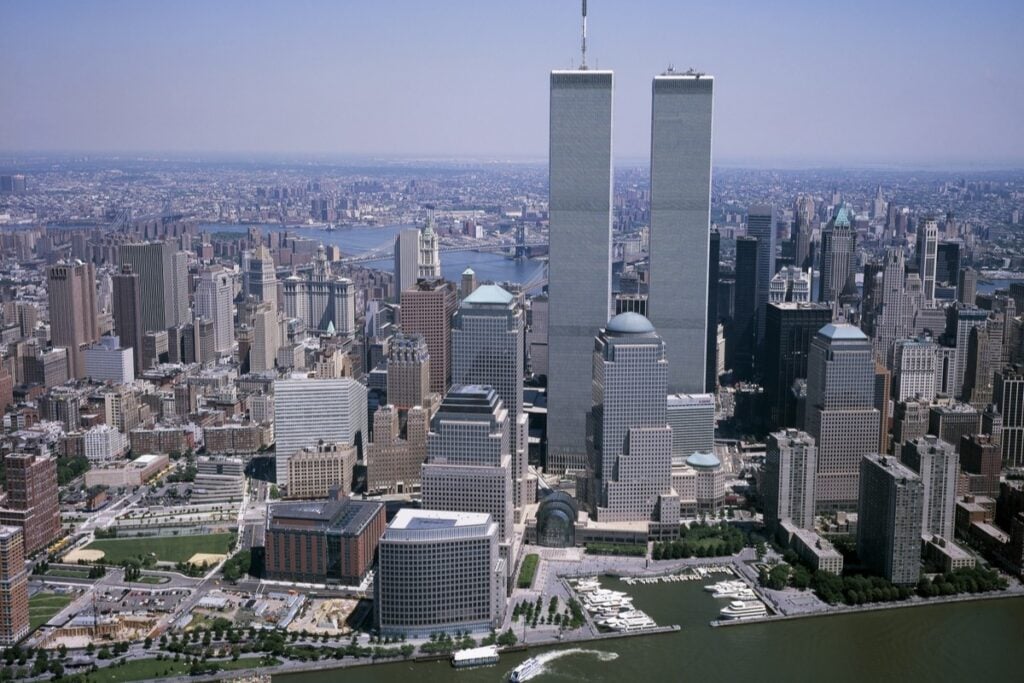
At 8:46 a.m., the North Tower lurched violently, sending shockwaves through floors far beneath the impact zone. On the 78th floor, people lost their footing as power cut out and phones failed. Smoke crept through vents, thin but ominous, offering no explanation of what had happened above.
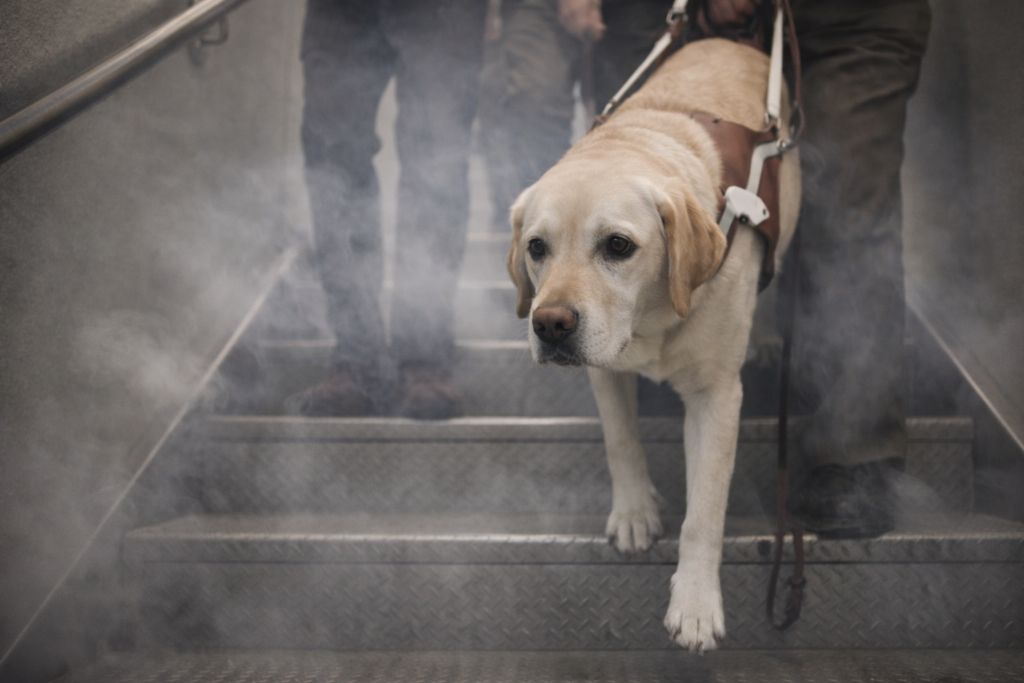
Michael Hingson, blind since birth, felt the building change rather than saw it. Beside him, his guide dog Roselle went instantly alert, her posture shifting before alarms clarified anything. According to CNN, survivors recalled that moment as the first signal that normal rules no longer applied, even before anyone understood the scale of the disaster.
2. Official announcements encouraged people to remain inside.

Soon after the impact, calm announcements over the public address system told occupants to stay at their desks. The goal was order, not evacuation. Many people trusted the message, believing officials knew more than those inside the building.
Hingson did not stay. Roselle resisted remaining in the office and pulled decisively toward the stairwell. She refused elevators without hesitation. That early refusal mattered. As reported by the 9/11 Commission, delays during these first minutes proved fatal for many on higher floors, turning reassurance into a deadly pause.
3. Seventy eight floors separated safety from collapse.
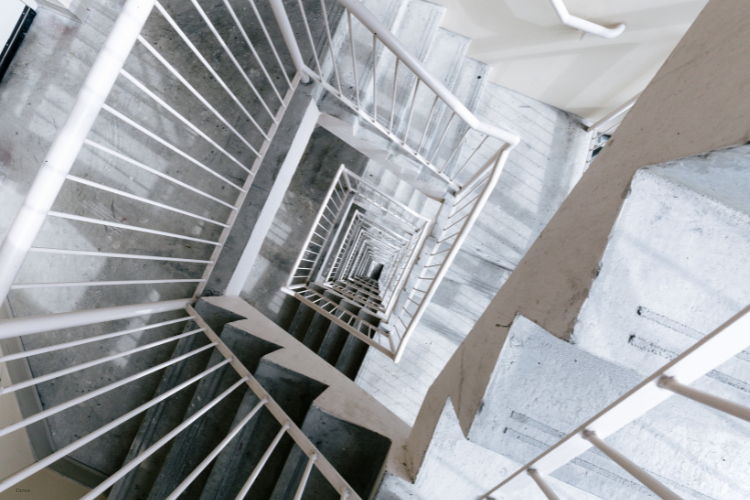
Leaving from the 78th floor meant descending more than 1400 steps. The stairwells were crowded but moving, with firefighters climbing upward against the flow. Heat and noise built gradually, floor by floor.
Roselle set a measured pace that never rushed and never stopped unnecessarily. Hingson followed by feel alone, hand locked on her harness. Coworkers joined them, then strangers fell in behind. According to the National Institute of Standards and Technology, continuous downward movement through stairwells significantly improved survival chances that morning.
4. Smoke thickened while the building remained standing.
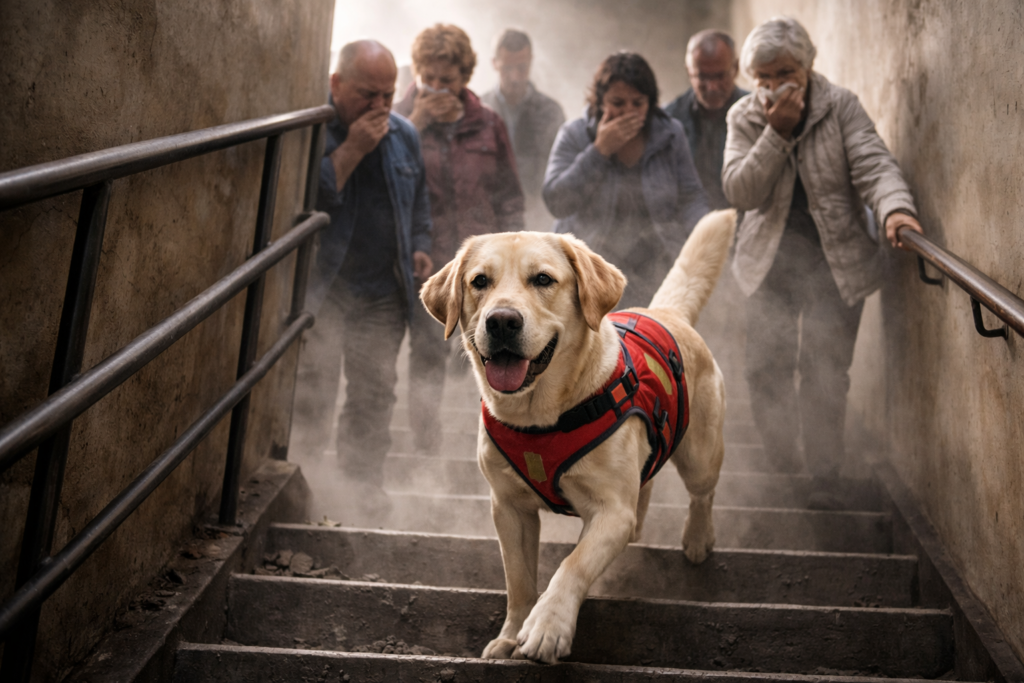
As they moved lower, smoke grew dense enough that sighted evacuees struggled to see steps or railings. Sounds echoed strangely, making distance and direction unreliable. Heat flared and faded without warning.
Roselle adjusted constantly, slowing when footing changed and stopping when debris altered the stairwell. She refused certain turns outright, responding to conditions no human instruction could explain. Hingson later described trusting her pauses as much as her movement, understanding that hesitation from the dog carried more information than any announcement.
The descent lasted more than an hour.
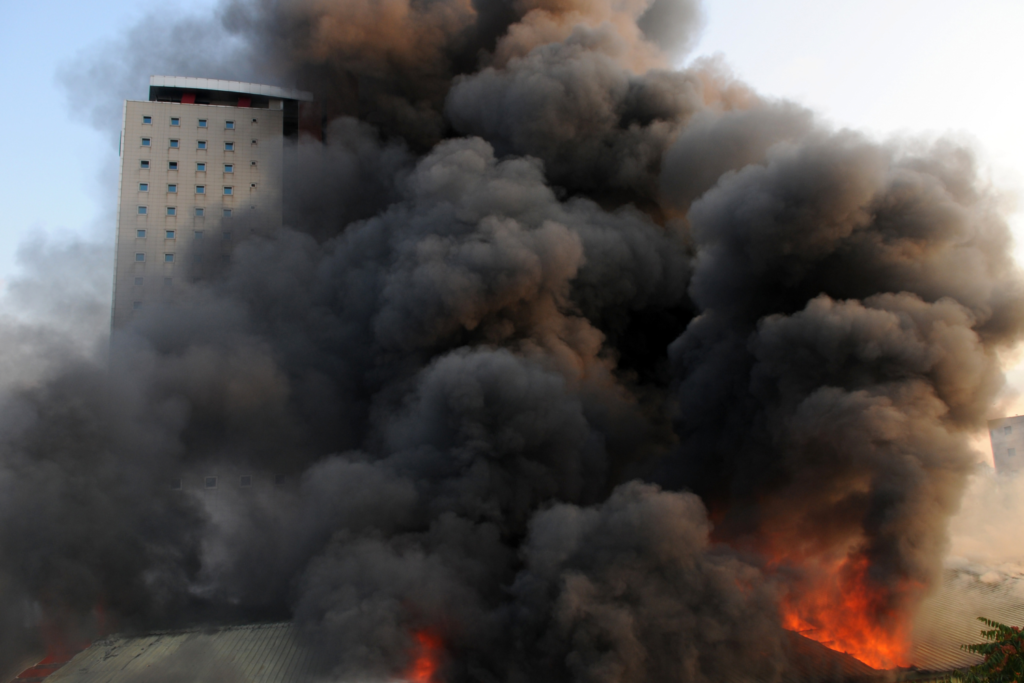
The trip to the ground took just over an hour. Legs cramped. Breathing grew shallow. Some evacuees considered stopping, unsure whether continuing mattered or whether the danger had passed.
Roselle discouraged long pauses by maintaining a steady rhythm. Her calm regulated the people around her as much as it guided Hingson. Others matched her pace instinctively, drawn to motion when fear threatened to freeze them. Each minute mattered as fires intensified and damage worsened above.
6. Reaching ground level did not end the danger.
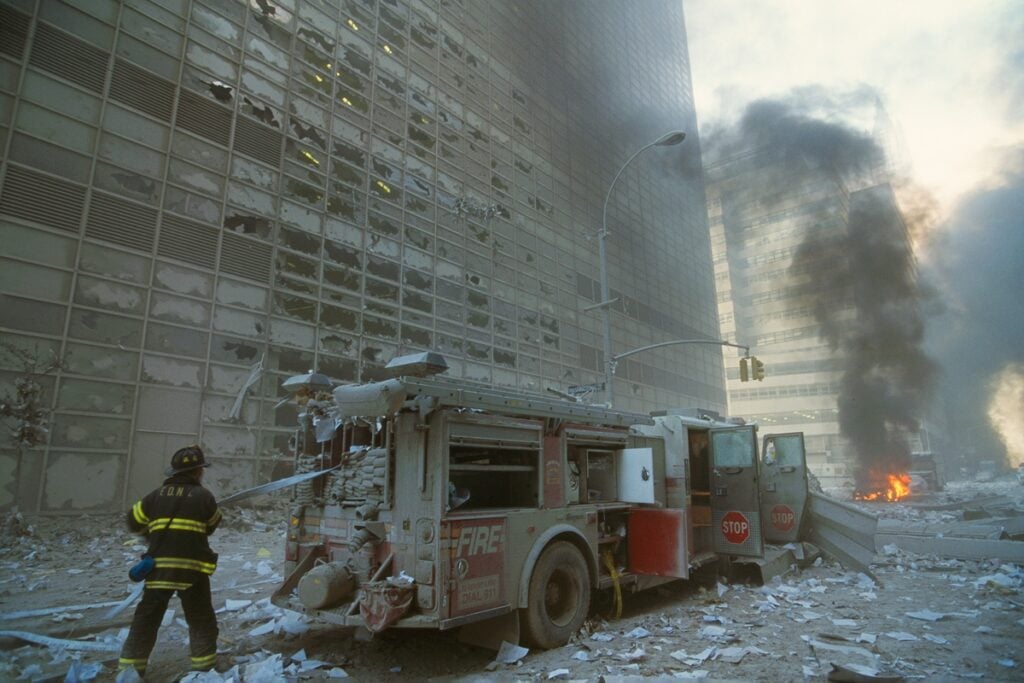
The lobby was chaotic, with debris falling and dust already drifting inside. Outside, visibility collapsed almost instantly as clouds spread through lower Manhattan.
Roselle continued guiding north without hesitation, navigating unfamiliar streets through sound and scent alone. Hingson followed with no visual reference at all. Minutes later, the North Tower collapsed behind them. The distance she created spared them from the debris cloud that overwhelmed the immediate area.
7. The collapse reframed earlier hesitation.
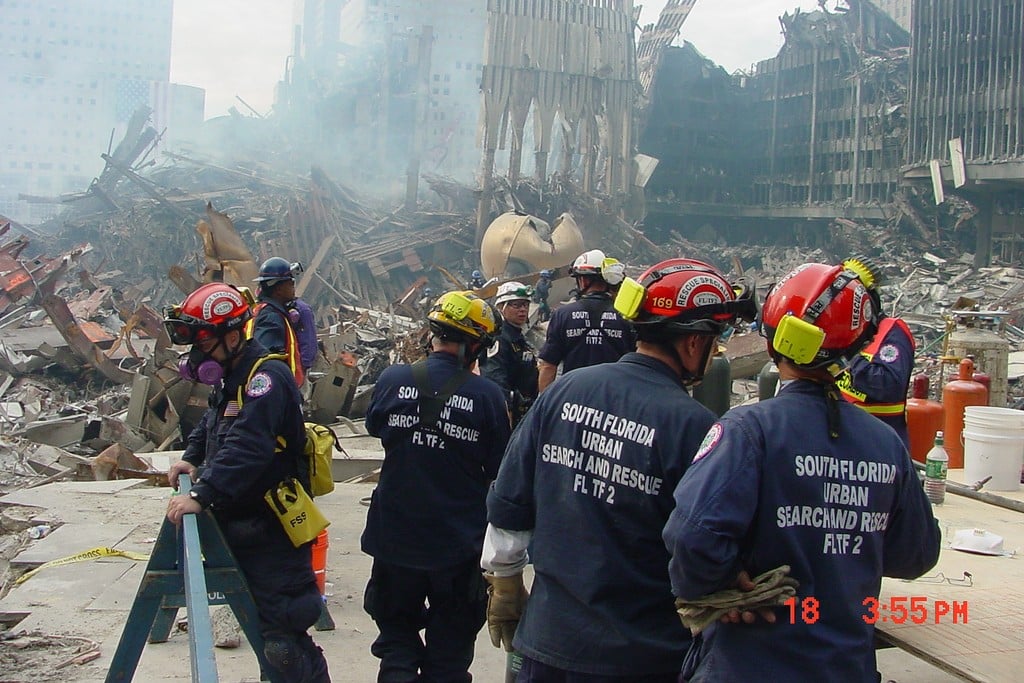
The fall of the South Tower stunned those who believed collapse was impossible. When the North Tower followed, the scale of loss became undeniable.
Only then did the cost of early hesitation fully emerge. Hingson later learned that coworkers who stayed behind after the announcements did not survive. The difference between waiting and moving, even briefly, had rewritten outcomes. Roselle’s insistence on leaving reshaped the timeline just enough.
8. Training proved adaptable beyond intended scenarios.
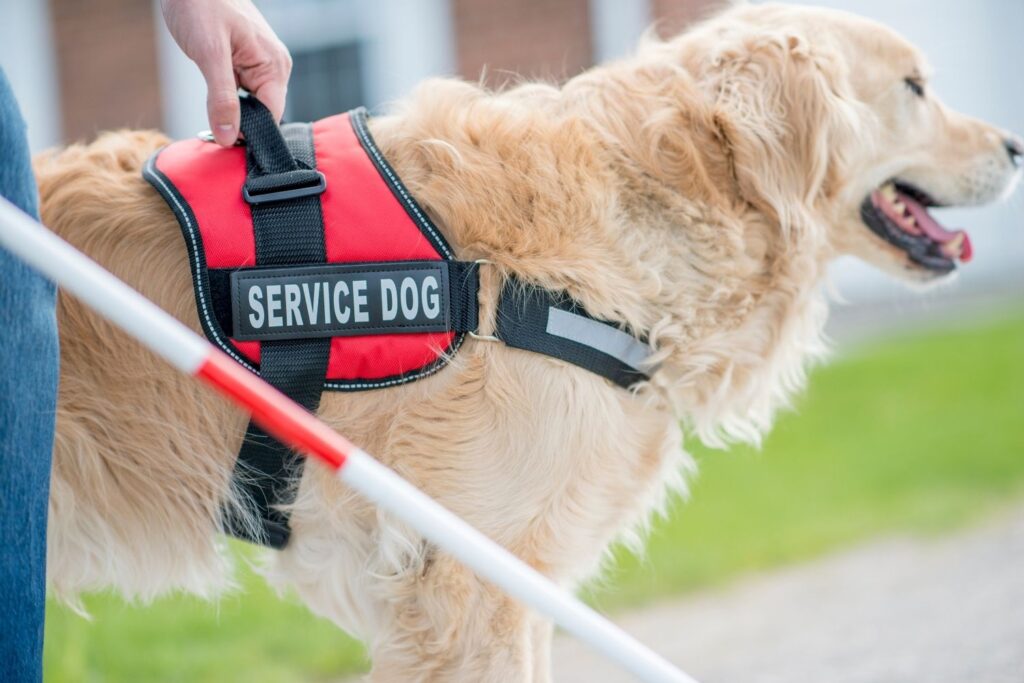
Guide dogs train for traffic, curbs, crowds, and routine emergencies. They do not train for burning skyscrapers or collapsing steel.
Yet Roselle applied foundational skills under extreme stress. She followed commands when possible and improvised when training ended. Her behavior transformed chaos into navigable space. The moment demonstrated how deeply ingrained training adapts when trust between handler and dog removes hesitation.
9. Survivors later described the dog as a stabilizing force.

Several survivors later recalled falling in behind a guide dog without knowing her name or handler. When signs failed and instructions conflicted, movement itself became reassurance.
Roselle did not lead everyone, only enough to keep evacuation flowing. Her steady pace created momentum others joined instinctively. Survivors described how motion replaced fear, turning uncertainty into forward progress when stopping felt easier than continuing.
10. The relationship behind the outcome came last.
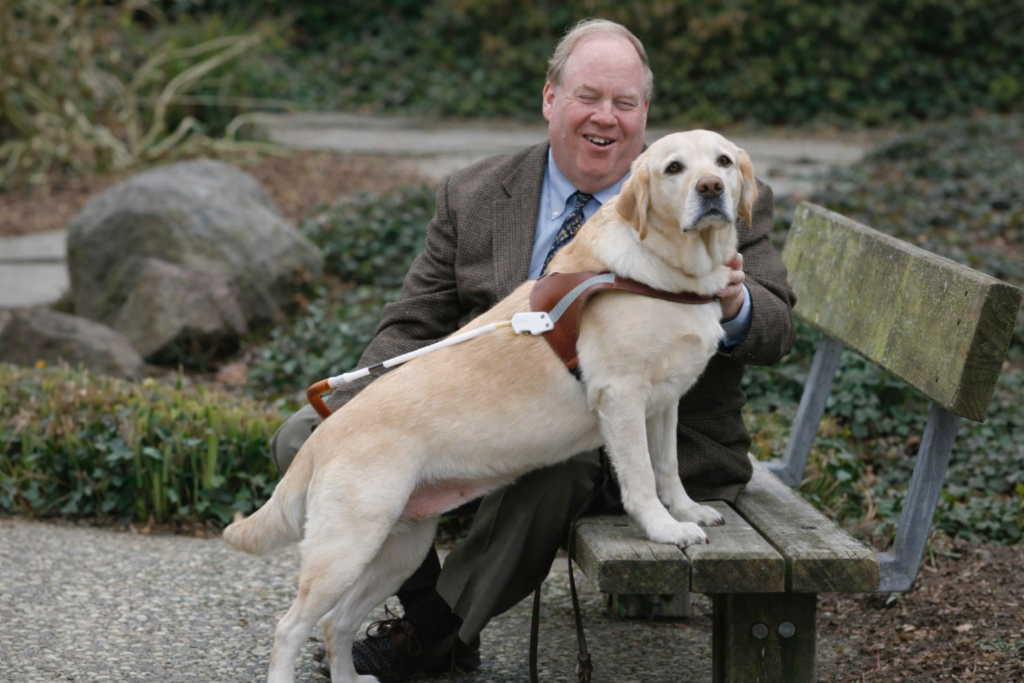
Michael Hingson had relied on Roselle daily long before September 11. Their partnership was built through years of ordinary navigation, not emergency drills.
That trust enabled immediate action when hesitation proved deadly. Roselle lived until 2011 and later received national recognition. Her story endures not as myth, but as documented proof that preparation, trust, and movement can outweigh sight, authority, or instruction when systems fail.