
History’s most dangerous wild animal encounters didn’t favor human brains.

Throughout history, humans were not always safely perched at the top of the food chain. Long before firearms, fences, and modern tools tilted the balance, many animals saw people as vulnerable prey. Some predators learned patterns, tested defenses, and adapted tactics to ambush or stalk humans directly. Even now, in certain regions, wildlife remains a serious threat, a reminder that dominance is conditional. From man-eating big cats to prehistoric hunters that shadowed early settlements, these animals were not just surviving, they were actively hunting. Their pressure shaped fear, cooperation, and innovation, quietly steering human evolution itself over thousands of years.
1. Crocodiles have been preying on humans for millions of years.
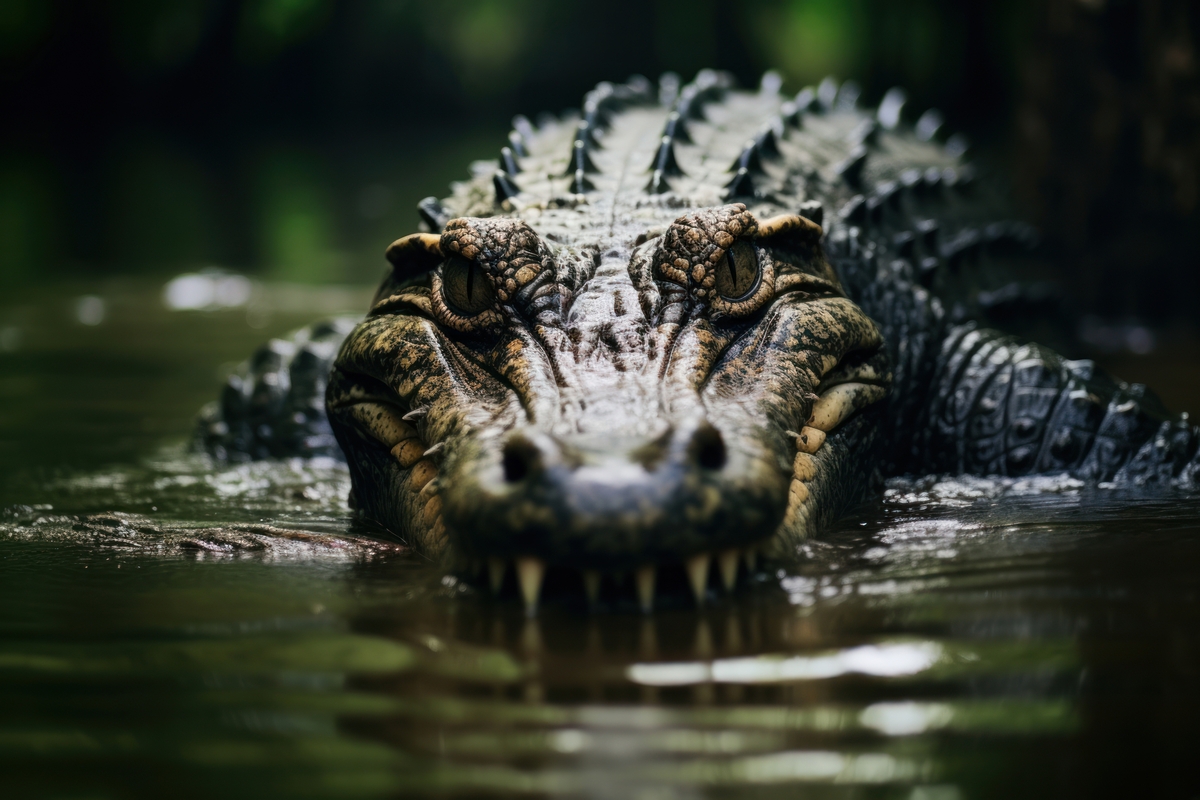
Long before modern crocodiles ruled today’s rivers, their ancient relatives posed real danger to early humans. Species such as Crocodylus anthropophagus and Crocodylus thorbjarnarsoni lived alongside hominins, with fossil remains showing bite marks over 1.8 million years old. These encounters suggest deliberate predation near water sources where humans were most exposed.
That pattern continues today. Modern crocodiles ambush with patience and precision, sometimes learning human routines along riverbanks. In Burundi, the legendary Nile crocodile known as Gustave has been linked to hundreds of deaths. Memory, timing, and explosive force keep crocodiles among history’s most efficient human hunters on Earth today.
2. Snakes have shaped human evolution as deadly adversaries.
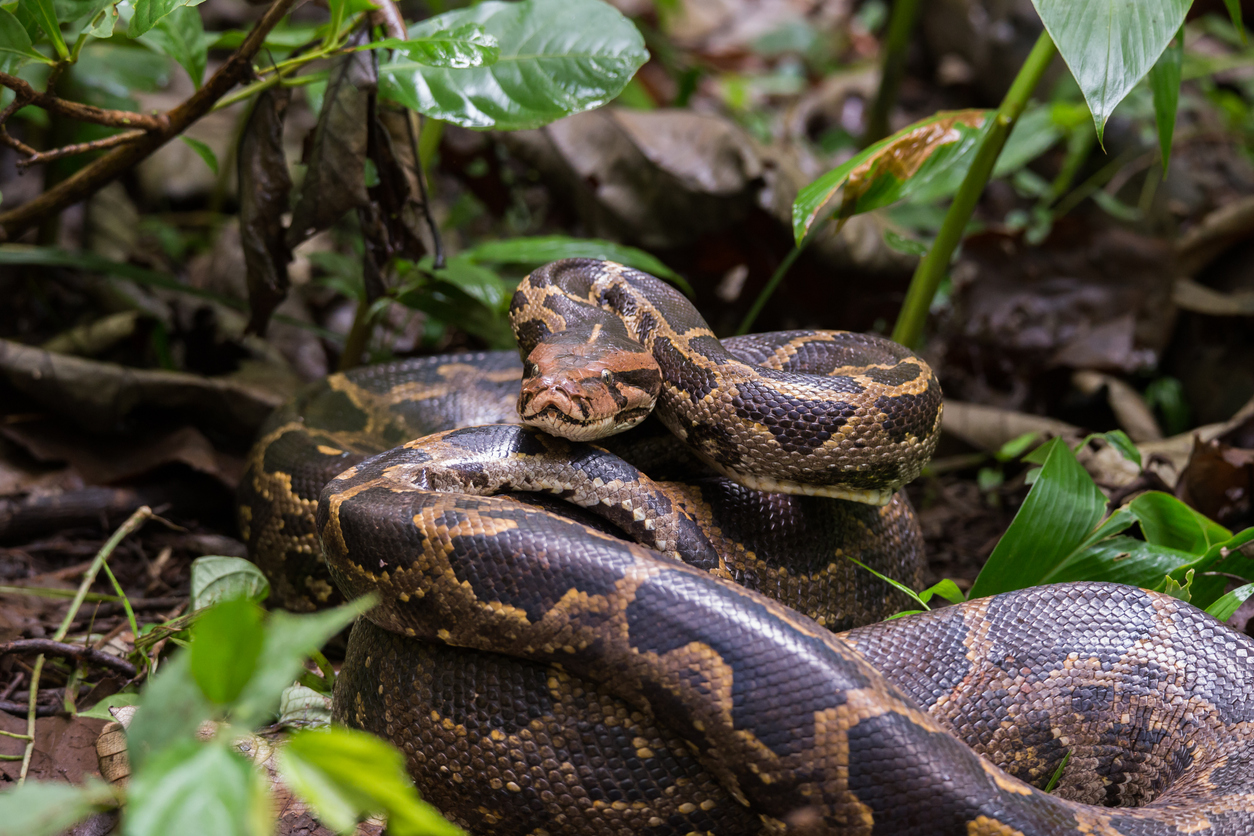
Primates and snakes have been locked in an evolutionary battle for millions of years. Fossil evidence suggests that early humans and their ancestors were frequently hunted by large constrictors and venomous snakes. This ongoing threat is even believed to have influenced human evolution, leading to the development of better eyesight and heightened awareness.
In many cultures, snakes are seen as both enemies and sacred beings, a testament to their deep-rooted impact on human history. From the massive pythons of Africa to king cobras in Southeast Asia, these reptiles remain one of the most formidable predators in the natural world. Even today, snakes continue to claim thousands of human lives each year, proving that their role as ancient adversaries is far from over.
3. Bengal tigers learned how to hunt people deliberately.
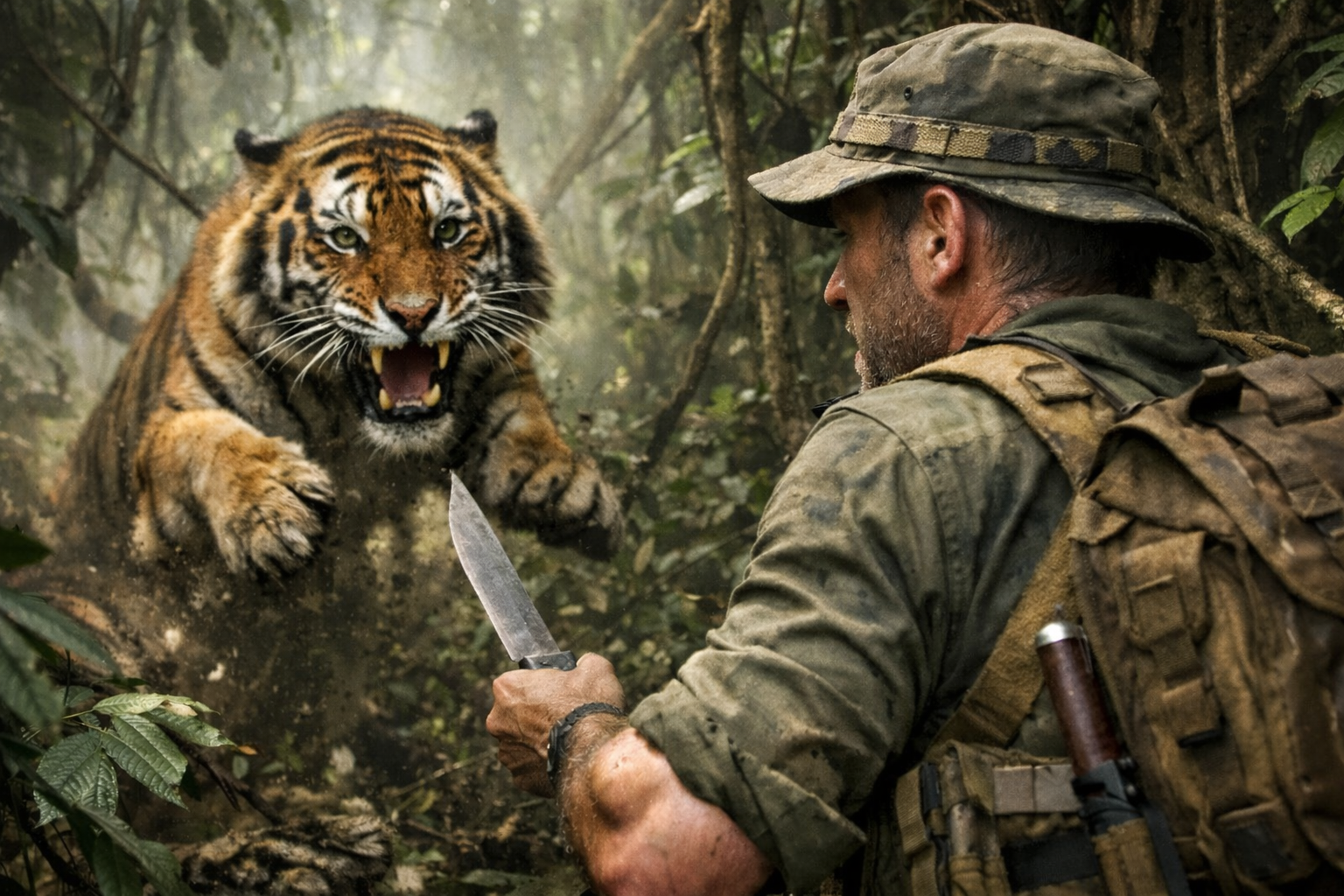
Few predators have terrified humans like the Bengal tiger. The infamous Maneater of Champawat is credited with 436 documented deaths between the late 1800s and early 1900s across India and Nepal. Its attacks reshaped entire villages until the animal was finally killed after an intense pursuit that shocked the region.
Beyond raw strength, tigers are adaptive and calculating hunters. In parts of India and Bangladesh, some individuals learn human routines, stalk footpaths, and strike with planning rather than chance. Reports describe tigers avoiding traps and reading defenses, proving intelligence can turn fear into strategy against humans over time repeatedly observed.
4. Cave bears once battled early humans for shelter.

Seeking shelter was not always safe for early humans. Cave bears and people shared Europe for thousands of years, and encounters inside caves often ended violently. These massive animals, capable of standing over ten feet tall, were highly territorial and treated humans as intruders rather than neighbors. Caves that offered warmth and protection were also prime bear territory.
Neanderthals and early Homo sapiens likely competed directly with cave bears for these shelters, sometimes with fatal consequences. Archaeological sites show alternating periods of bear and human occupation, suggesting repeated confrontations. Although cave bears eventually went extinct, their presence forced humans to adapt, encouraging better weapons, coordination, and survival strategies in an increasingly dangerous landscape.
5. Chimpanzees are far stronger than humans and capable of deadly attacks.

Most people see chimpanzees as playful, intelligent primates, but they are also incredibly strong and aggressive when provoked. In rare cases, they have been known to turn on humans with terrifying results. The infamous 2009 attack on Charla Nash by Travis the chimpanzee left her permanently disfigured, proving just how dangerous these animals can be when they lose control.
Unlike many predators, chimpanzees display complex problem-solving skills and have been observed using tools in ways that suggest strategic thinking. In the wild, they have been known to coordinate group attacks on rival primates, a behavior that demonstrates their tactical intelligence. Their raw strength, estimated to be up to five times that of a human, combined with their problem-solving abilities makes them one of the most unpredictable and formidable animals we have ever encountered.
6. Coyotes have adapted to urban environments and learned to hunt humans.

Coyotes are traditionally scavengers, but they are also opportunistic hunters. In an extremely rare but tragic case, two coyotes fatally attacked folk singer Taylor Mitchell in 2009 while she was hiking in Canada’s Cape Breton Highlands National Park. Experts believe that the coyotes, accustomed to hunting in packs, had lost their fear of humans and saw her as prey.
These canines have proven to be incredibly adaptive, thriving in urban areas where other predators struggle. They have learned to navigate cities, use storm drains as tunnels, and even recognize human habits to avoid capture. Some researchers believe that in areas where their natural prey is scarce, coyotes are becoming more aggressive and expanding their diet. As they continue to adapt, their interactions with humans may become even more complex and potentially dangerous.
7. Birds of prey once hunted ancient human ancestors.

It might sound unbelievable, but large birds of prey were once among the most dangerous threats to early hominins. The “Taung Child,” a fossilized skull from an early human ancestor, showed clear evidence of being killed by a massive bird of prey. The puncture marks on the skull match the talons of large predatory birds, suggesting that our ancestors were occasionally hunted from above.
Even today, some large raptors, like the harpy eagle, have been known to attack humans. Some experts believe that this persistent aerial threat contributed to the development of heightened alertness and depth perception in primates. The need to detect movement above may have played a role in the evolution of our keen eyesight and awareness.
8. Leopards have preyed on humans for millions of years.

Leopards are one of the stealthiest and most efficient hunters in the animal kingdom. Fossil evidence shows that their ancestors hunted early hominins, leaving behind puncture wounds in skulls that match modern leopard bite marks. Some of the most infamous man-eating leopards in history, such as the Leopard of Rudraprayag, have killed dozens of people before being stopped.
Unlike lions and tigers, leopards often hunt alone, using ambush tactics to surprise their prey. In some parts of India, leopards have been known to enter villages at night, silently snatching people from their homes. Their ability to adapt, combined with their raw power, has made them one of the deadliest predators to ever hunt humans. Even today, leopards in certain regions have learned to exploit human habits, attacking livestock or isolated individuals when the opportunity presents itself. This adaptability makes them one of the most persistent threats to humans in areas where their habitats overlap.