
The obsession is real, but it’s stranger and more personal than most people think.

Cats rolling, flipping, and going wild for catnip seems almost universal, but it’s not as simple as it looks. Not every cat responds, and those that do are reacting to something surprisingly complex. Catnip’s magic isn’t about flavor—it’s about chemistry, genetics, and behavior that sometimes feels closer to addiction than fun. What’s wild is how it shapes their play, relaxation, and even social interactions, all from a humble little plant.
1. Some cats inherit a catnip gene while others don’t.
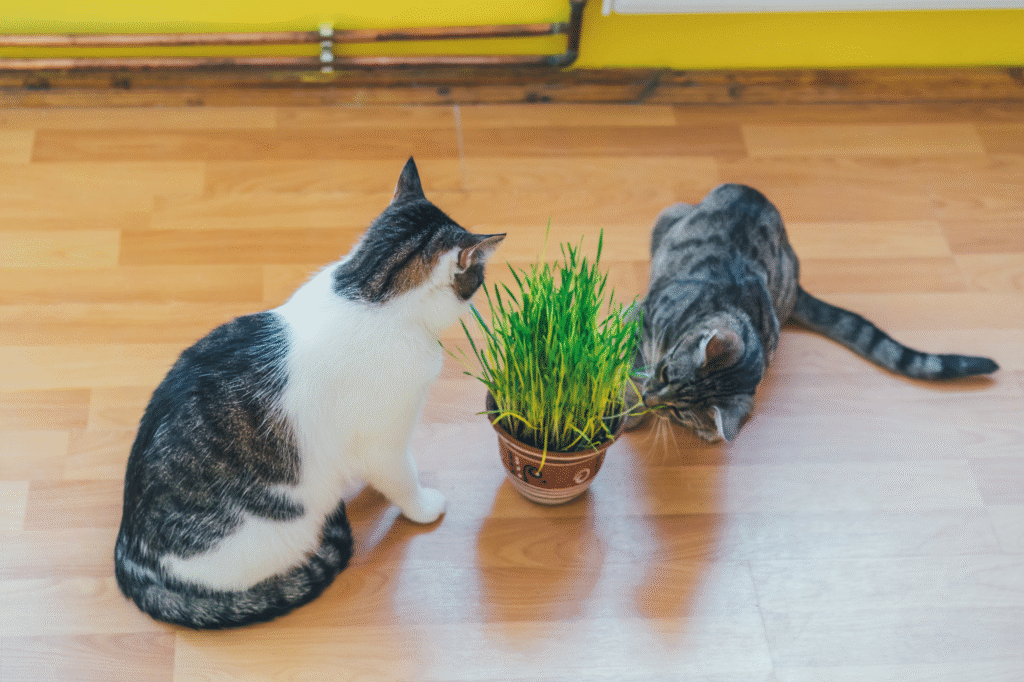
Catnip’s effect isn’t guaranteed; it’s tied to genetics. As discovered by the Humane Society, about one-third of cats show no reaction at all because they lack the gene that responds to nepetalactone, the active compound. For those who do have the gene, the response can be intense, almost like flipping a behavioral switch. That’s why you might see one cat ignoring catnip while another is rolling around like it just found paradise. The difference is literally in their DNA.
2. Nepetalactone triggers a sensory overload in the brain.
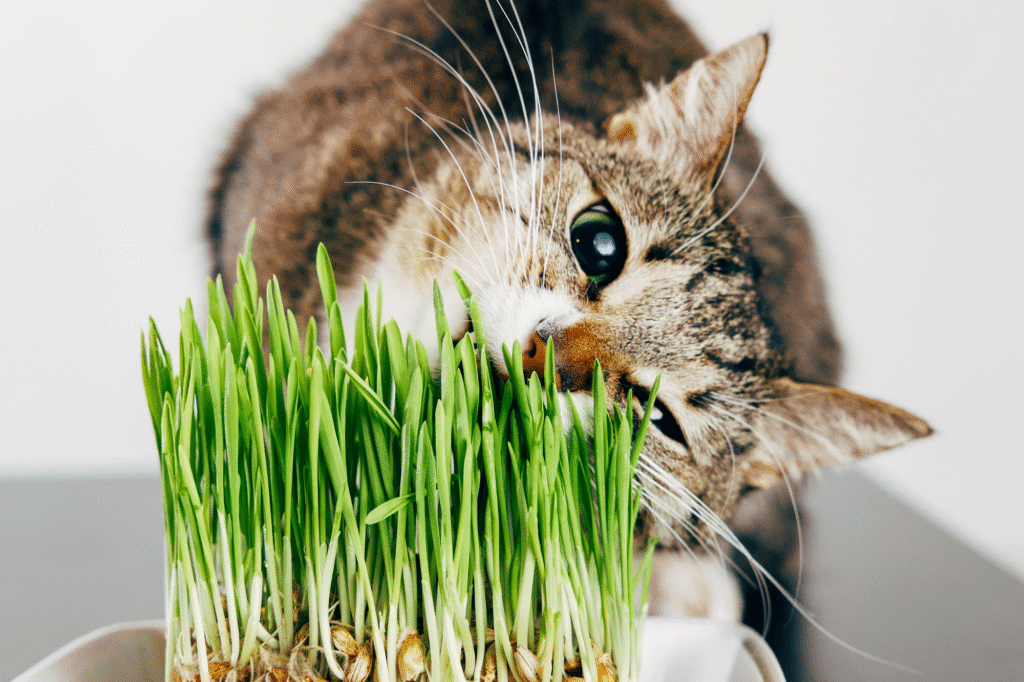
What looks like play is actually a chemical reaction. The compound nepetalactone binds to receptors in a cat’s nasal tissue, sending signals to the brain’s amygdala and hypothalamus. According to Scientific American, this is what sparks the frantic play or dreamy relaxation so many cats experience. Their nervous system interprets the scent as something between a euphoric stimulant and a calming signal. That reaction is unique among domestic animals, showing just how oddly specific catnip’s influence is on feline biology, as noted by researchers in that study.
3. Catnip doesn’t just excite cats, it calms them afterward.
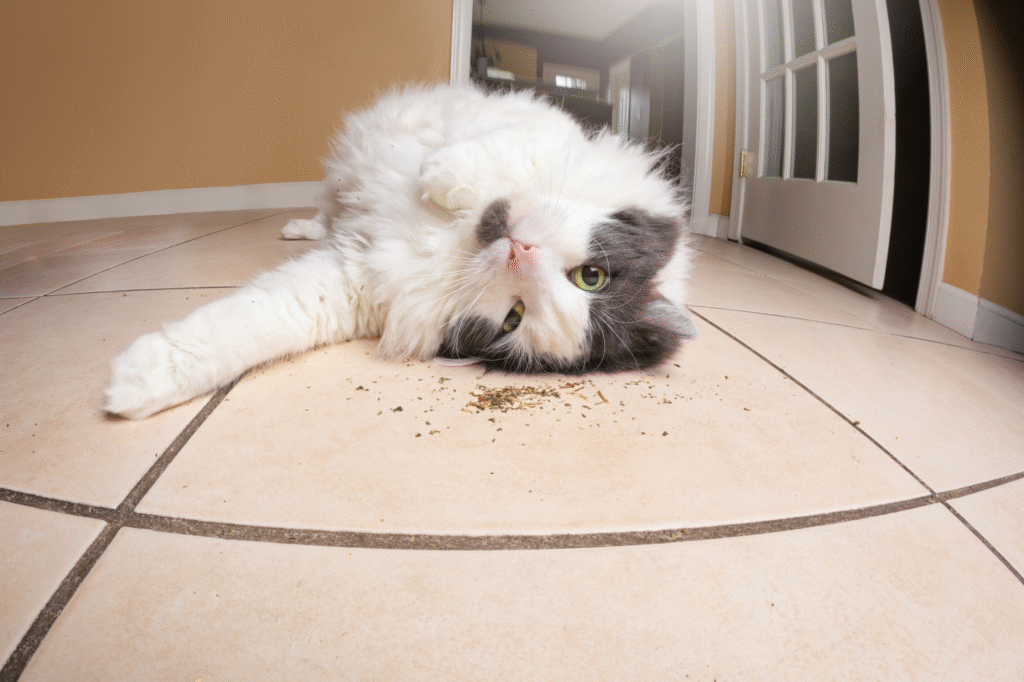
After the initial wild behavior, most cats slide into a strange state of calm. Behavioral specialists have observed how many cats nap or groom quietly once the initial rush wears off. As reported by the Journal of Feline Medicine, this rebound effect may actually be more beneficial than the excitement itself. The result is a quick mental reset for cats, much like how humans feel after an intense workout or deep meditation, even though all it took was a sprinkle of dried leaves.
4. Catnip affects big cats in the wild too.
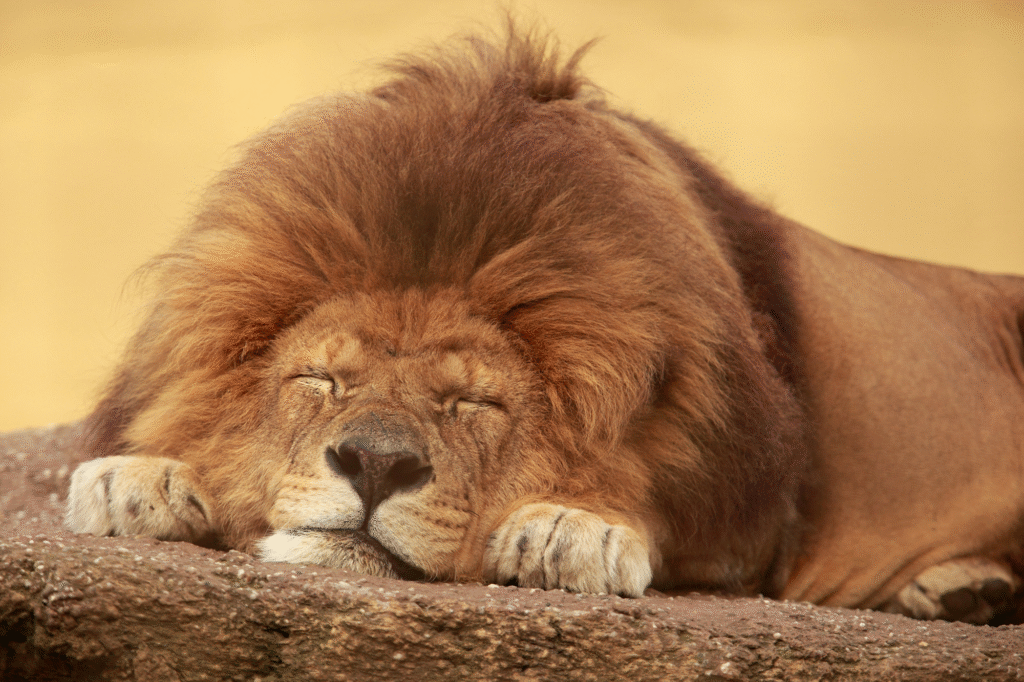
It’s not just house cats that respond—lions, leopards, and jaguars have all shown playful reactions to catnip. Zoos sometimes use it as enrichment to break boredom for big cats in captivity. The behavior can be strikingly similar: rolling, pawing, and even rubbing their faces into the source. That shared response across such different species highlights how deeply wired the reaction is within feline evolution.
5. Fresh catnip hits differently than dried leaves.
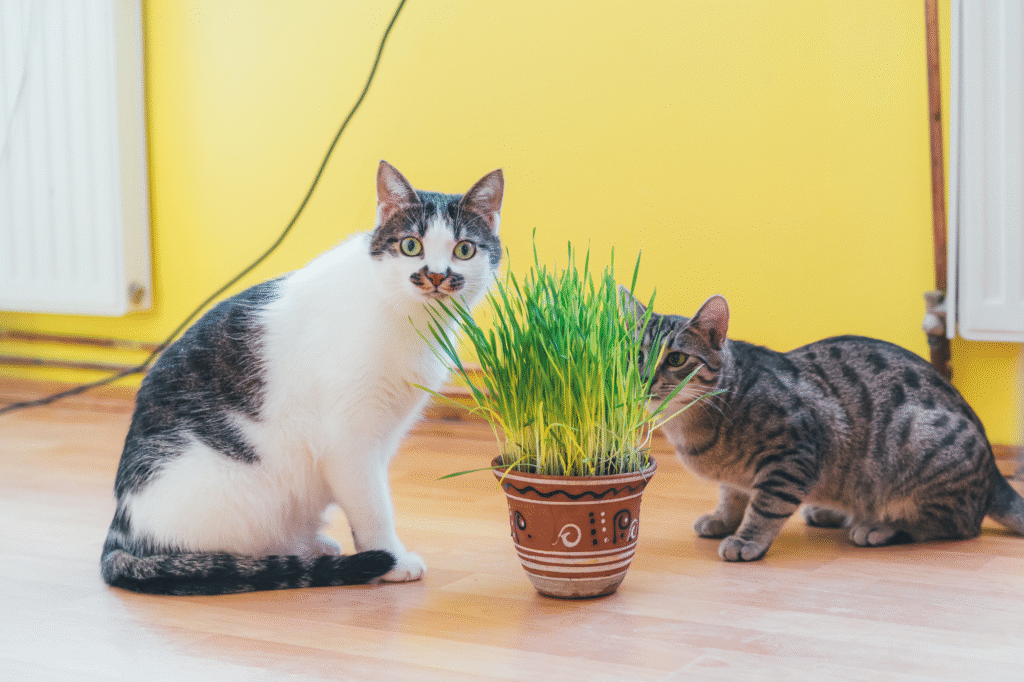
Owners often assume dried catnip is as strong as it gets, but fresh leaves pack a more potent punch. The oils in fresh leaves release more nepetalactone, making the experience stronger and sometimes longer-lasting. Cats encountering fresh catnip often display heightened rolling and rubbing behaviors compared to dried forms. For many, it’s the difference between a fun treat and a full-on sensory party.
6. Overexposure can dull the effect.
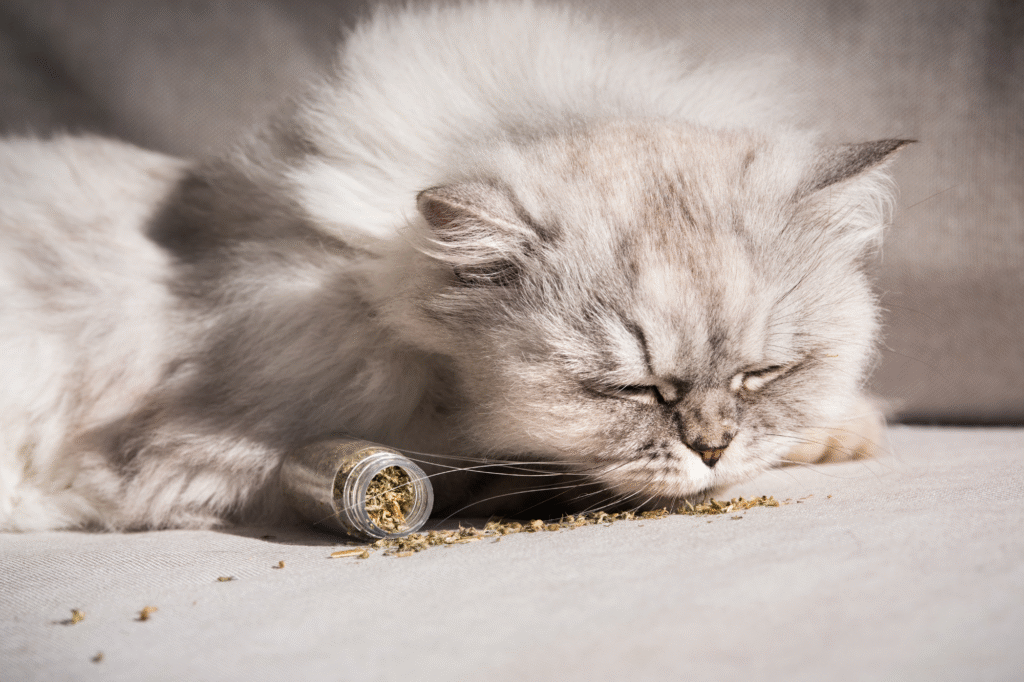
Cats exposed to catnip too frequently often lose their dramatic response over time. This isn’t permanent, but it does mean that occasional use keeps the experience exciting and rewarding. Limiting catnip interactions actually makes them more enjoyable for the cat and keeps that intense response fresh. It’s like saving your favorite dessert for special occasions rather than eating it every day.
7. Kittens and elderly cats often skip the excitement entirely.
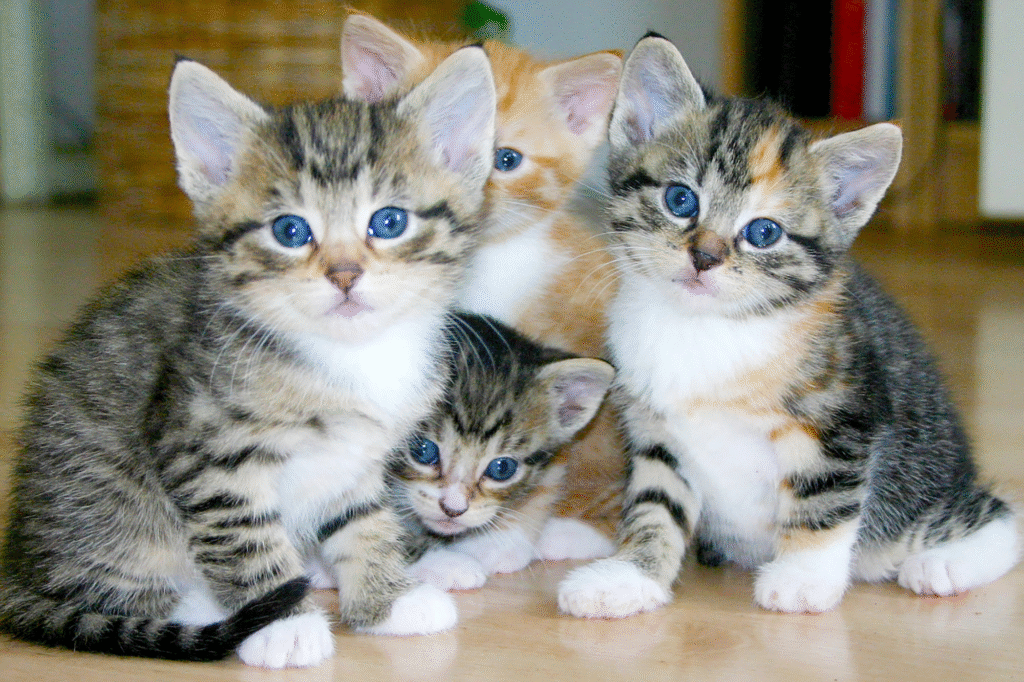
Catnip response tends to develop as cats mature, often around three to six months old, and fades in many older cats. Hormonal and neurological changes influence how strongly they react, meaning it isn’t just about genetics. Some kittens walk right past catnip without caring, while seniors who once loved it might barely notice. Age, like genetics, plays a key role in how catnip magic works.
8. Silver vine can outshine catnip for many cats.
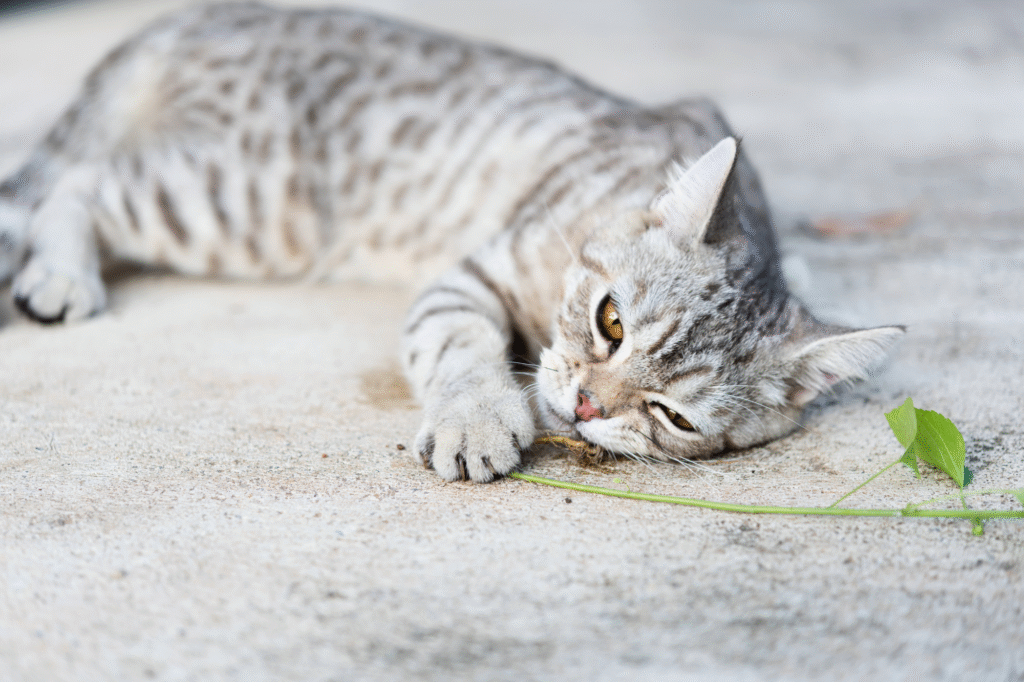
Another plant, silver vine, often produces even stronger reactions in cats that ignore catnip. The compounds act similarly on feline sensory systems but seem to trigger more licking and rubbing behavior. Some cat owners switch to silver vine for variety or for cats that never responded to traditional catnip. It shows that catnip isn’t the only plant capable of flipping that playful switch.
9. Catnip toys can encourage healthier play habits.

When stuffed into toys, catnip gives cats a safe and appealing target for hunting and pouncing instincts. That outlet often reduces destructive behavior like furniture scratching or random midnight zoomies. It’s one of the easiest ways to provide enrichment and keep indoor cats stimulated. The extra exercise can even improve mood and physical health over time.
10. The effect is harmless and doesn’t create addiction.
Despite how dramatic it looks, catnip isn’t addictive or dangerous. The response is temporary, fading within minutes, and doesn’t cause withdrawal or long-term behavioral changes. For most cats, it’s just a harmless way to experience something exciting and different in their day. Owners get the joy of watching, and cats get a unique sensory experience without risk.