
Chicken keeping looks rustic and relaxing until it all goes sideways from missing one basic detail.
There’s a fine line between cozy cottagecore and full-on barnyard chaos. Backyard chickens sound like a no-brainer until your coop turns into a disease incubator and your hens stop laying altogether. But here’s the good news—chickens don’t actually need much. Just the right things, done consistently, and they’ll basically handle the rest. So if you’re already picturing your first egg haul, this list will keep you from making rookie mistakes.
1. Some chickens die fast if you don’t predator-proof everything.
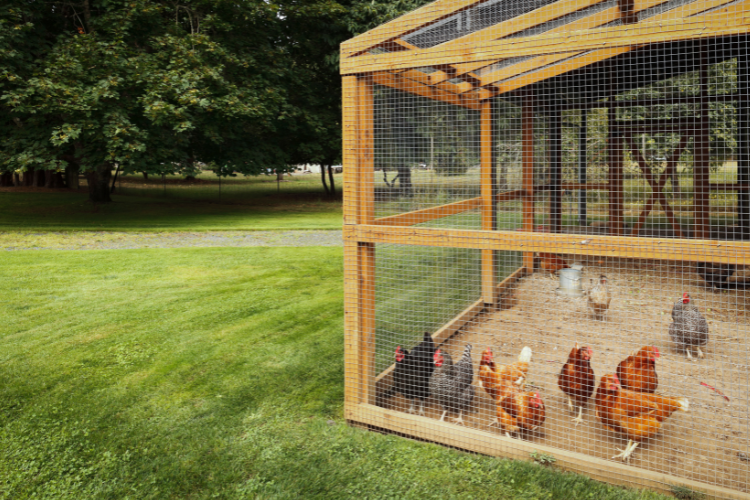
Predators will always test your setup first, not last. Even in urban areas, raccoons, hawks, and neighborhood dogs will zero in fast. According to the University of Minnesota Extension, most backyard chicken losses are due to preventable predation, especially during early morning or night hours. You need secure latches, hardware cloth (not chicken wire), and no open vents bigger than a raccoon’s paw. It’s shocking how many people go months with no issues, then lose their entire flock in one night. A cheap or temporary enclosure might save you money at first, but it’s a ticking time bomb if you don’t reinforce it from the start.
2. Dirty coops don’t just smell bad, they breed respiratory issues fast.
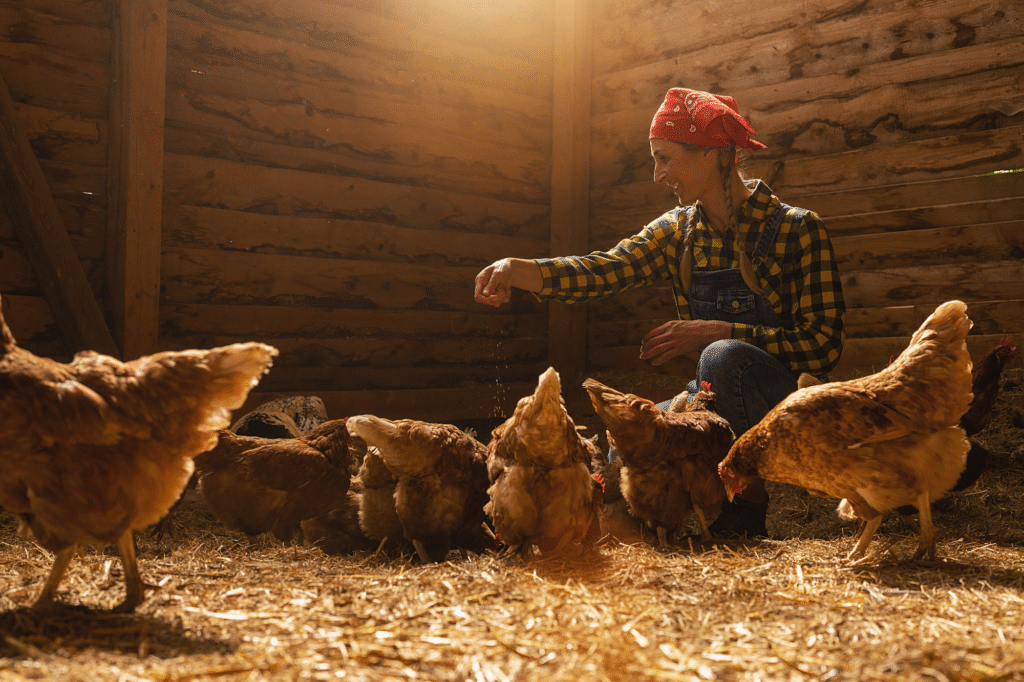
A little coop funk might seem harmless, but ammonia buildup is what quietly wipes out birds’ lungs. Backyard chicken keepers often skip cleaning too long, then scramble once sneezing or wheezing starts. The Merck Veterinary Manual states that ammonia exposure can cause lesions in the respiratory tract of chickens, even at levels too low for humans to smell. That’s why dry bedding, deep litter method management, and strategic ventilation are not optional. If your chickens are spending their nights breathing in wet, soiled shavings, they’re not going to be laying eggs—they’re going to be fighting infections. That fact comes straight from Merck.
3. Most store-bought coops are barely big enough for half the chickens they claim.
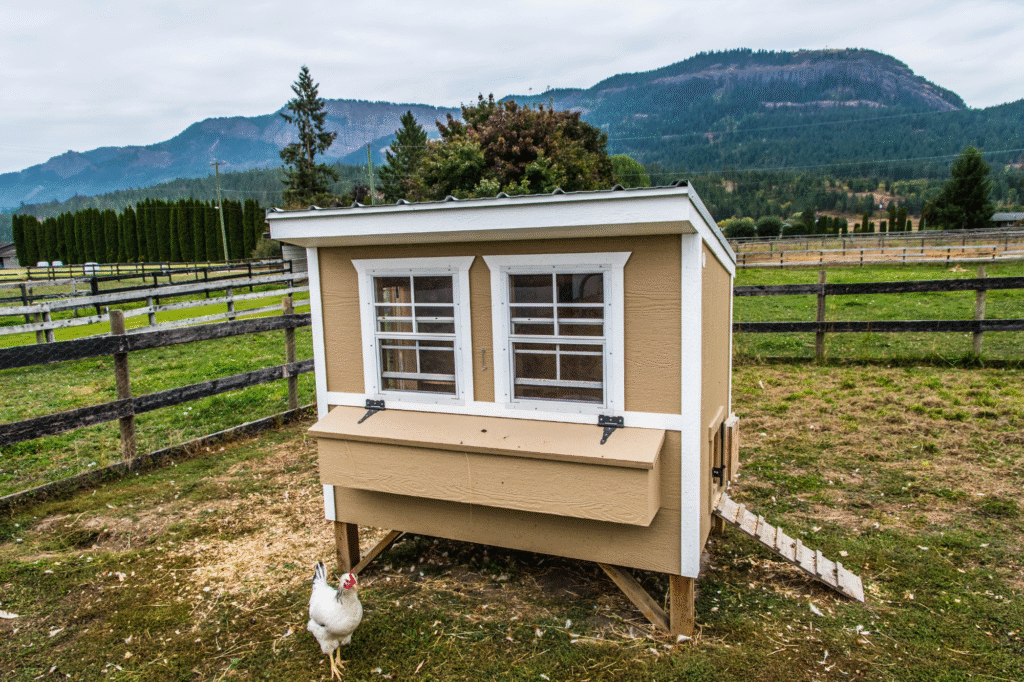
The labels lie. If it says “fits six chickens,” it probably barely holds three comfortably. You’ll see behavioral problems and lower egg production fast if your hens feel cramped. As stated by the University of New Hampshire Cooperative Extension, each standard-sized hen needs at least 4 square feet inside the coop and 10 square feet in the run to stay healthy. Overcrowding doesn’t just lead to pecking or stress—it increases heat retention in summer and makes parasite spread way easier. That overcrowding info was tucked right into UNH Extension guidelines.
4. Backyard flocks still need dust baths, or mites will make their lives miserable.
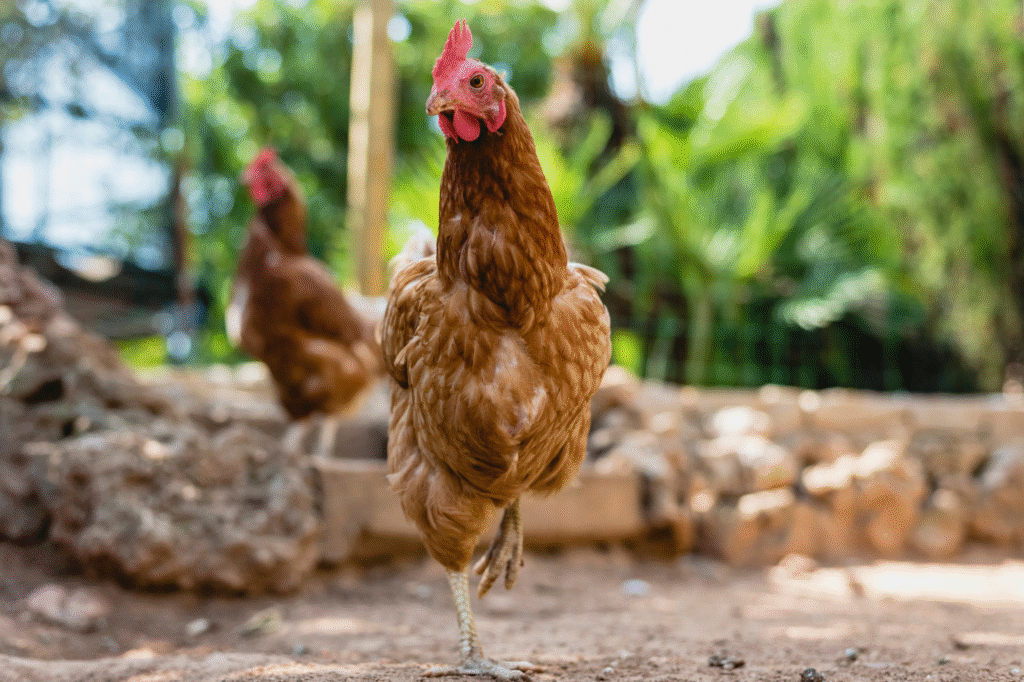
There’s no negotiation on this one. If they don’t have access to dry dirt or sand to roll in, they’re going to get infested with mites, and so is your coop. You won’t always see the mites crawling, but you’ll see the signs: patchy feathers, skin scabs, and irritated birds that stop laying. Chickens instinctively roll in dust to smother parasites, and when that instinct can’t play out, you’ll be the one battling it with diatomaceous earth and coop cleanouts. Just give them a designated pit or box with a mix of fine dirt and wood ash, and refill it weekly. It keeps them happy and your pest issues way lower.
5. Letting them free-range without a plan usually backfires.
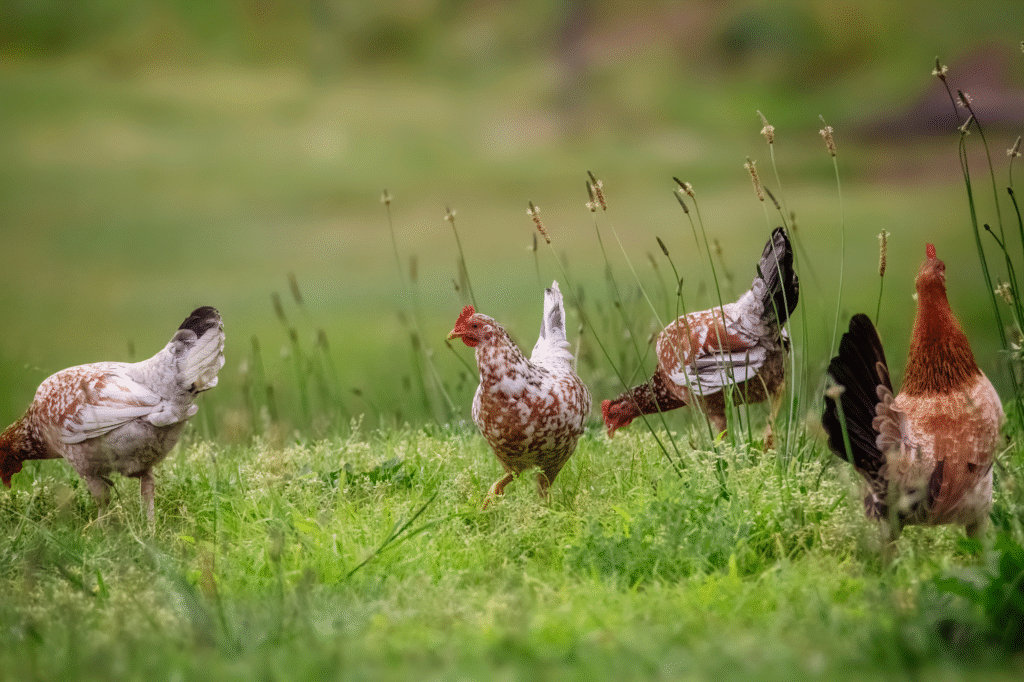
People love the idea of free-range chickens until those chickens start laying under bushes, digging up garden beds, or getting picked off one by one. Free-ranging can be great, but only with structure. They need supervision, routine, and fencing boundaries if you don’t want them wandering into traffic or your neighbor’s yard. Chickens remember where they get food and shelter, so if your yard’s a free-for-all, they’ll do what they want, not what you want. Even a temporary run gives you way more control while still giving them space to scratch, hunt bugs, and snack on weeds.
6. Eggshell quality goes downhill if they aren’t getting enough calcium.

Chickens can still lay regularly, even when their shells start to thin or crumble. That’s your cue something’s off nutritionally, usually calcium. Oyster shell supplements are the go-to, but even that won’t fix it if they’re not eating a balanced layer feed to begin with. If your hens start laying soft, misshapen, or weak-shelled eggs, they could be on a slow path to laying fatigue. Once that starts, it’s hard to reverse. You’ve got to make sure their main diet isn’t just scratch grains or random kitchen scraps—it needs to be built for laying birds with steady calcium intake.
7. Chickens can actually get bored, and it turns into aggression.

When chickens start feather picking, egg eating, or pecking each other’s combs bloody, it’s often a boredom issue, not just a space one. They need enrichment, like hanging cabbages, flock blocks, mirrors, or even basic perches at different levels. Keeping them stimulated isn’t a luxury; it’s how you avoid behavioral blowups. A mentally busy chicken is a quiet, productive one. And honestly, it’s fun to watch them problem-solve and interact with toys or challenges, especially when it keeps your flock from turning on each other during long afternoons.
8. Switching feed brands suddenly will throw everything out of whack.
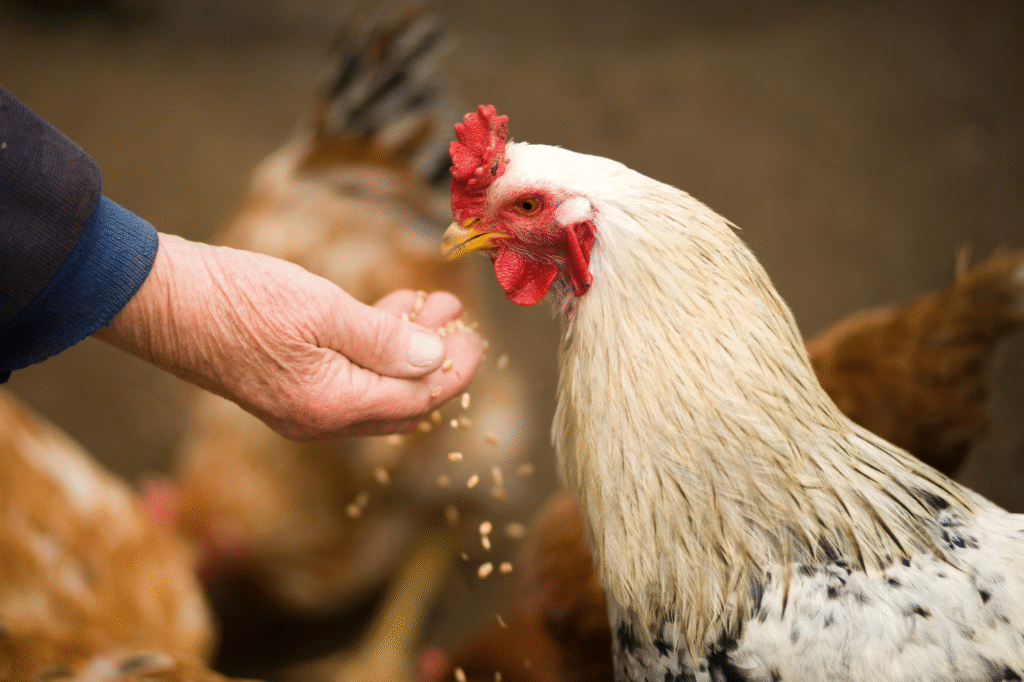
If you jump between feed types without easing into it, expect a digestive mess and possibly a break in laying. Chickens’ gut flora isn’t built to handle abrupt diet changes, and even small shifts can throw them off. If you find a feed they do well on, stick with it and only change when necessary—and then only gradually over 7–10 days. That means mixing old and new feeds together, increasing the ratio slowly so they don’t react to it all at once. Otherwise, you’ll be Googling why they suddenly stopped laying or got diarrhea, when it’s just a bag change.
9. Chickens hide signs of illness until they’re close to the end.

By the time you notice something is wrong, it’s usually been wrong for days. Chickens are prey animals and instinctively mask pain or weakness. That’s why even basic daily observation matters—looking at their comb color, their posture, their poop, and their overall energy level gives you subtle clues. If a hen suddenly isolates herself, stands fluffed up in a corner, or stops eating, don’t wait. Acting fast can be the difference between recovery and loss. And once one goes down, the others often follow if it’s contagious.
10. They’ll lay less than you think during winter unless you cheat the system.
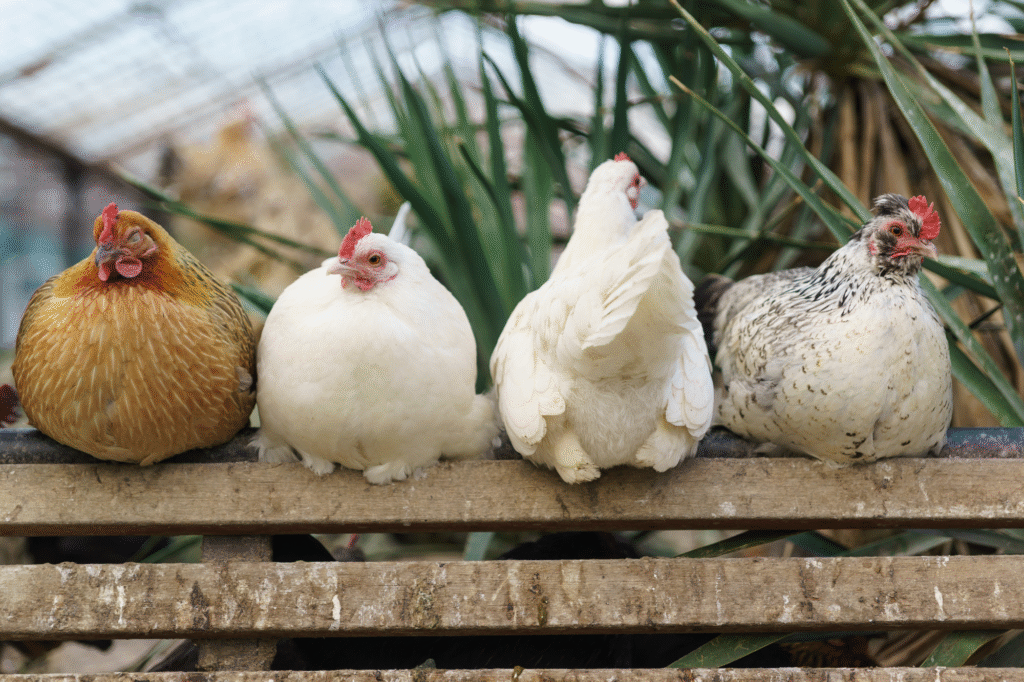
The Instagram homesteaders might be collecting eggs in December, but chances are they’re using supplemental light. Chickens need about 14–16 hours of light per day to lay consistently. Once days get shorter, most breeds slow or stop laying entirely unless you mimic daylight with a low-watt bulb in the coop. That doesn’t mean you have to use light—some people give their birds a break—but it’s a major reason why new chicken keepers panic when the eggs disappear in November. They’re not broken. They’re just seasonal.