
The unexpected guardian is changing how herds stay alive.
Across ranch country, losses sometimes show up before sunrise. A gate still latched. Fencing intact. And yet something is missing from the pasture. For years, the answer was predictable, predators move in fast and leave little behind. Guard dogs became the standard response, trusted, trained, expected.
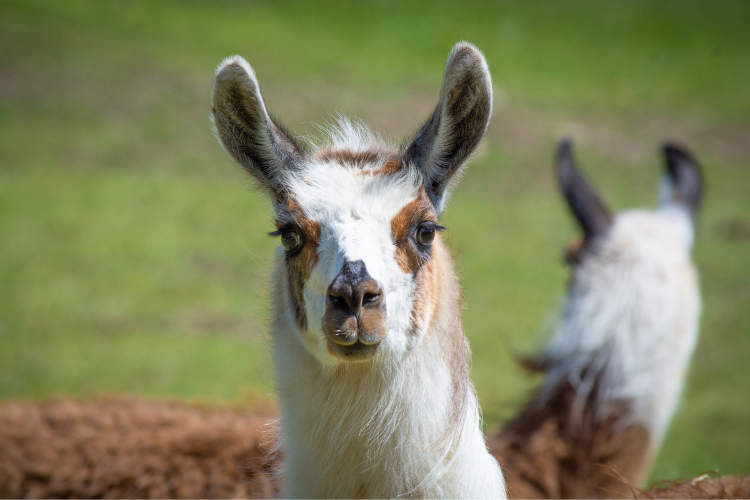
But in some fields, the pattern has shifted. The usual signs of intrusion are there, tracks at the edge of the property, movement caught on cameras. What is different is what does not happen next. Attacks stall. Predators hesitate. Ranchers point to an unlikely presence in the herd, an animal not bred to hunt, not trained to chase, yet somehow changing the outcome.
1. Llamas reduce livestock losses more dramatically than many alternatives.
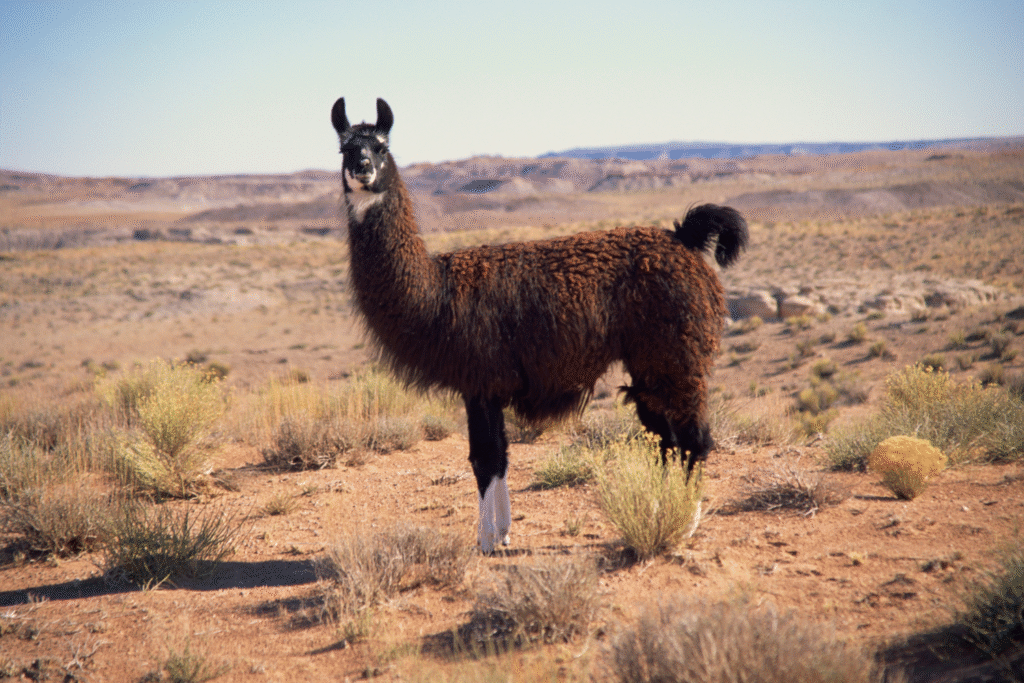
Research consistently demonstrates llamas’ effectiveness in protecting livestock. Studies show that sheep producers experienced average predation losses of 21 percent before introducing guard llamas, which dropped to just 7 percent after llamas joined their flocks. In one comprehensive study, 80 percent of sheep producers rated their guard llamas as effective or very effective, with some operations achieving complete elimination of predator losses.
The economic impact extends beyond saved livestock. Llamas often pay for themselves within the first year through reduced losses, and their 15-year average lifespan provides long-term protection value. The initial investment typically ranges from several hundred to a few thousand dollars, but when amortized over their working life, the annual cost often falls below traditional predator control methods. For small producers, this economic efficiency makes llamas particularly attractive as a sustainable guardian solution.
2. Single llamas work better than pairs or groups.
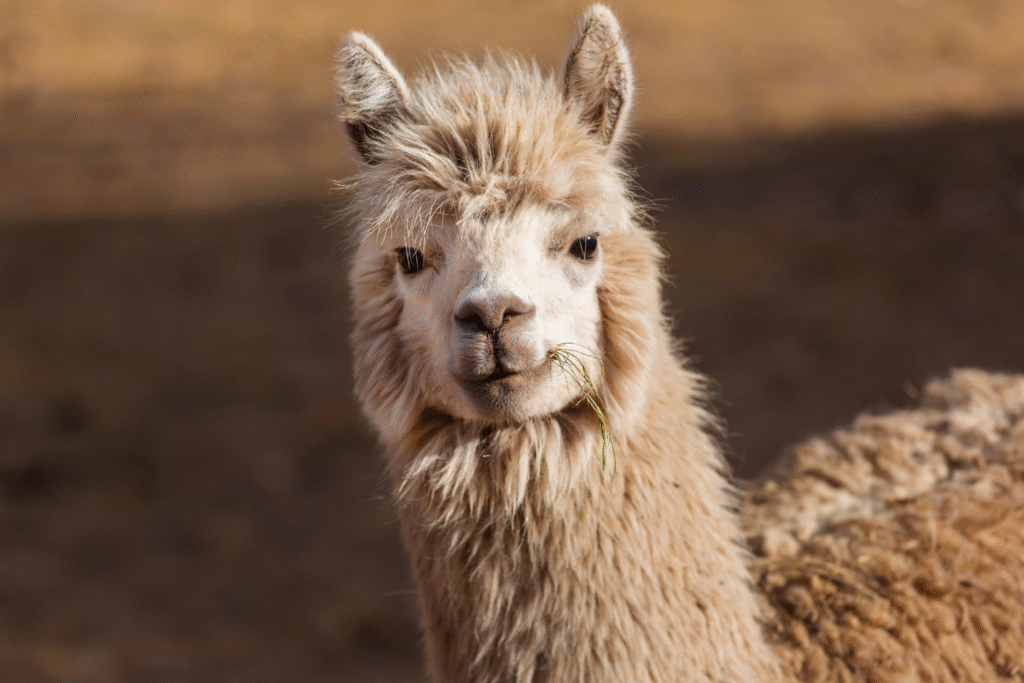
Counter to assumptions about companion animals, research indicates that solitary llamas perform more effectively as guardians than multiple llamas. When multiple males are placed together, they tend to bond with each other rather than the livestock, potentially ignoring the flock they’re meant to protect. A single, properly bonded llama develops stronger protective instincts and maintains closer attention to potential threats.
The optimal guardian is typically a gelded male aged two years or older, or an unbred female. These animals naturally seek companionship and will bond with sheep, goats, or other livestock in the absence of other llamas. Some producers report that llamas introduced just before lambing season develop particularly strong protective bonds with newborns. This single-guardian approach also reduces costs and simplifies management while maximizing protective effectiveness.
3. Llamas excel against specific predators but have limitations.
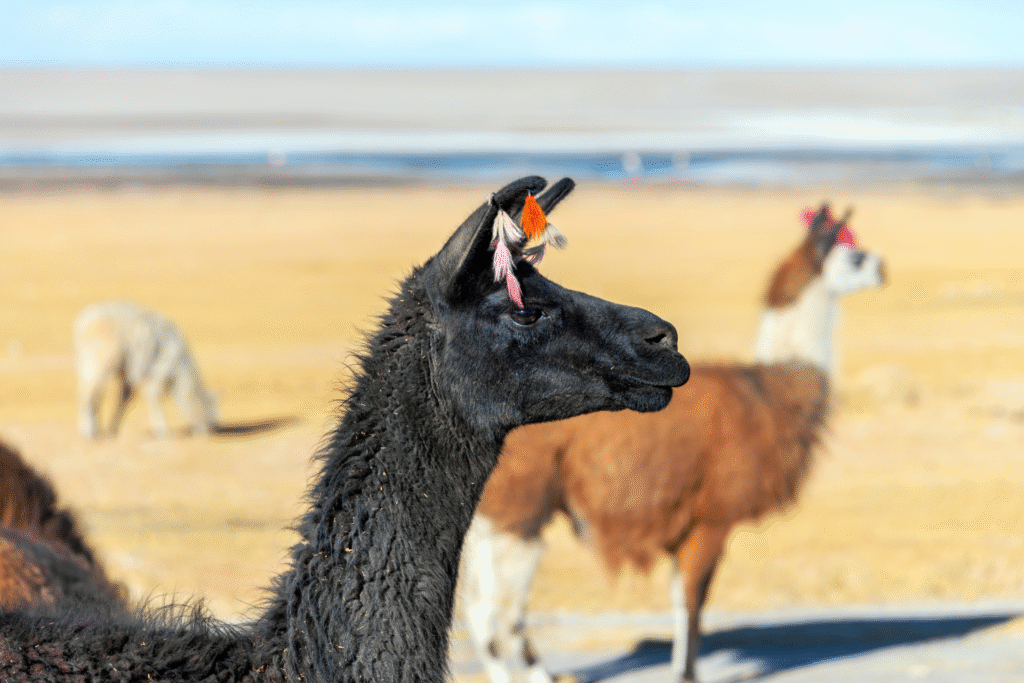
Llamas demonstrate exceptional effectiveness against canine predators including coyotes, domestic dogs, and foxes, which account for the majority of livestock losses in most regions. Their natural aggression toward canines, combined with their size advantage, makes them formidable deterrents. However, llamas cannot protect against larger predators such as bears, mountain lions, or wolf packs, which can easily overpower even a protective llama.
Understanding these limitations helps farmers make informed decisions about guardian animals. In areas with high pressure from large predators, llamas work best as part of a comprehensive protection strategy that might include livestock guardian dogs or other deterrent methods. For operations primarily dealing with coyote, fox, or stray dog problems, llamas often provide sufficient protection as standalone guardians while offering other operational advantages.
4. Low maintenance requirements give llamas operational advantages.
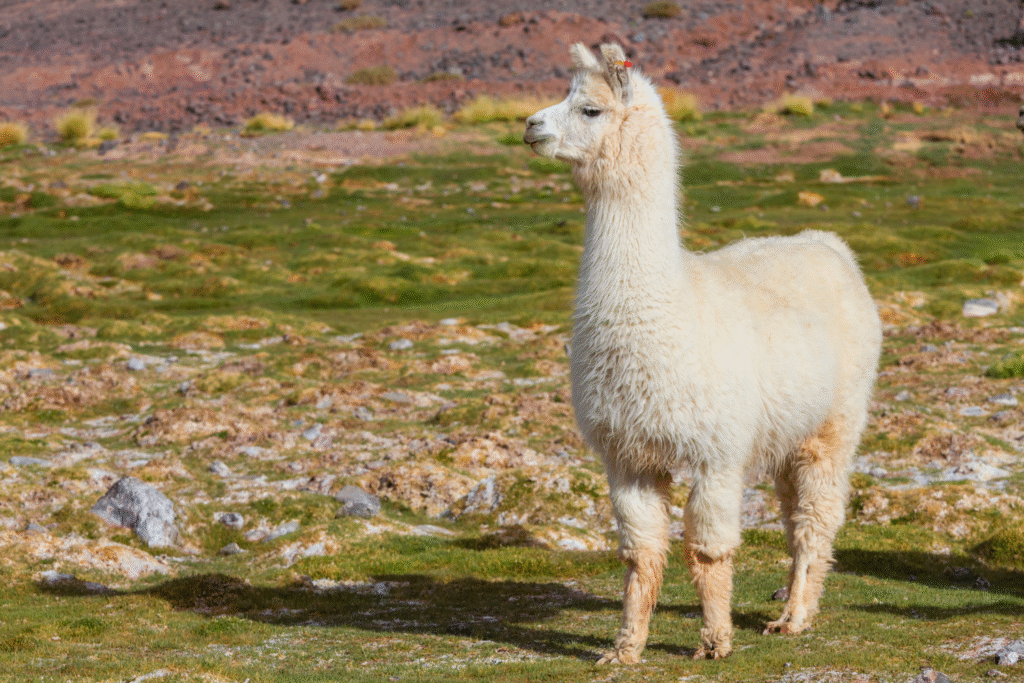
Llamas require minimal specialized care compared to guardian dogs, making them attractive for operations with limited labor resources. They eat the same feed as sheep and goats, eliminating the need for separate food purchases. Their soft, padded hooves rarely develop problems, and they adapt well to various environmental conditions without requiring heated shelters or special accommodations.
Daily care requirements remain essentially unchanged when adding a llama to existing livestock operations. Most producers report no increase in their routine management tasks, as llamas integrate into standard feeding and health monitoring practices. This simplicity reduces both labor costs and the skill requirements for effective guardian animal management, making llamas accessible to producers without extensive livestock guardian experience.
5. Natural bonding instincts eliminate training requirements.
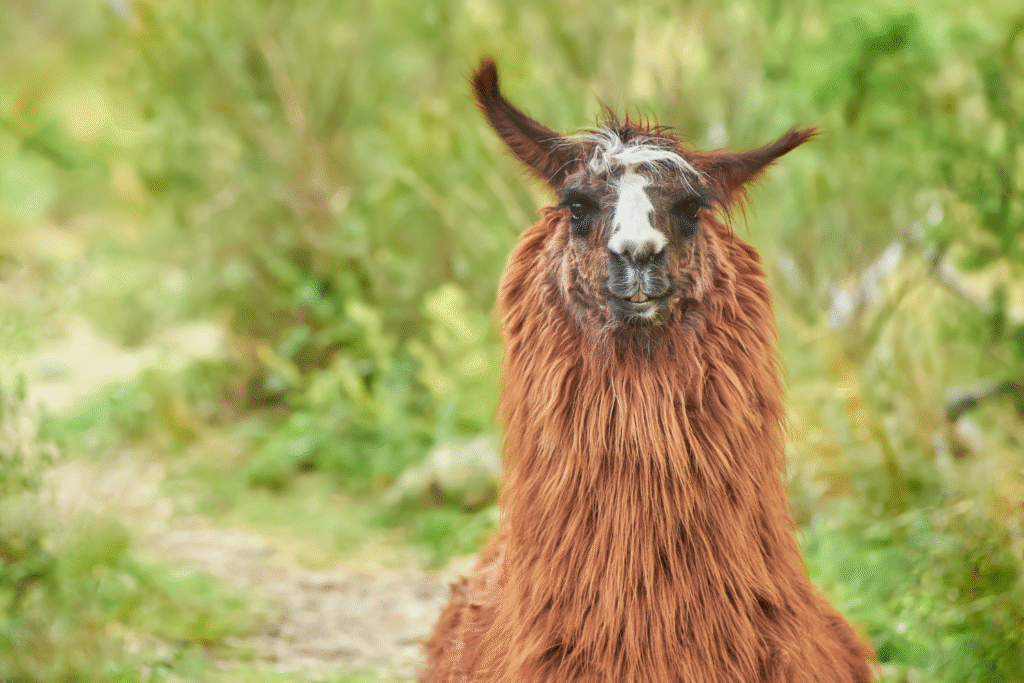
Unlike guard dogs that require months of specialized training, llamas naturally develop protective relationships with livestock through their social instincts. When introduced as the only member of their species in a group, llamas typically bond with sheep, goats, or other animals within a week. This bonding process requires minimal human intervention and develops into lasting protective behavior.
The introduction process involves placing the llama in a small area with a few livestock animals initially, then gradually expanding their territory as the bond strengthens. Some operations find success introducing llamas during lambing season, as the presence of young animals seems to accelerate the bonding process. This natural relationship development eliminates the extensive training period required for guard dogs while producing equally effective protection behavior.
6. Llamas provide longer working lives than guard dogs.
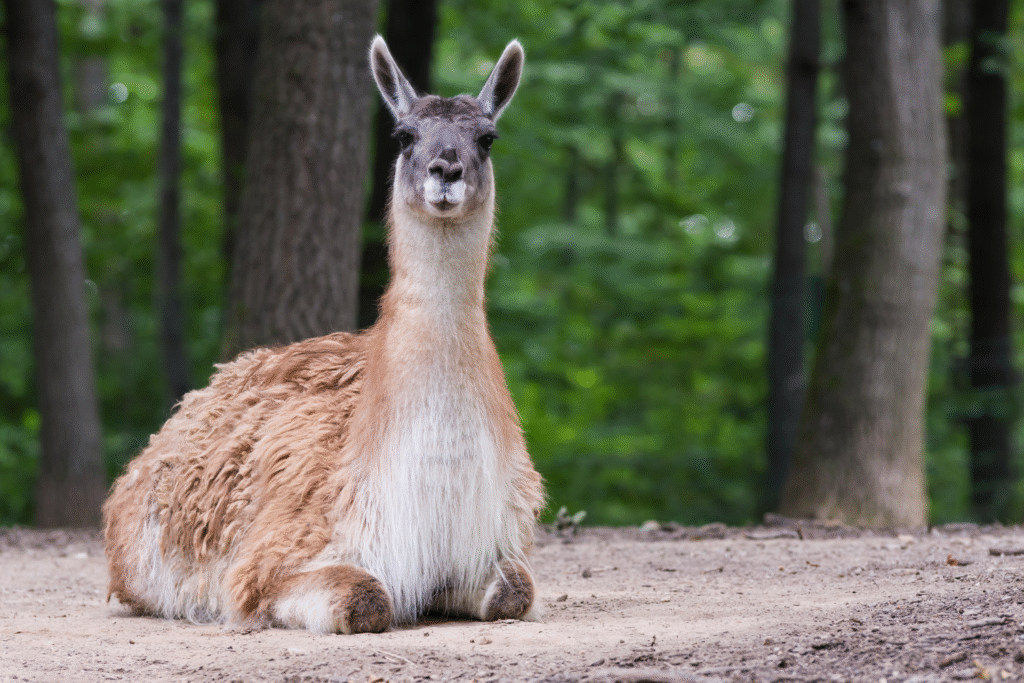
The longevity advantage of llamas over guard dogs significantly impacts their economic value and operational stability. While guard dog mortality rates reach 50 percent within 18 months to three years in many operations, llamas typically work effectively into their late teens with minimal health issues. This longevity provides consistency in protection and reduces the frequency of replacement and retraining cycles.
The stable presence of a long-term guardian also benefits the livestock, as they develop familiarity with their protector over many years. This relationship continuity can reduce stress in the flock and improve overall animal welfare. From a financial perspective, the extended working life spreads initial costs over many more years, improving the return on investment compared to shorter-lived guardian animals.
7. Alarm calling and positioning strategies deter predators effectively.

Llamas employ multiple defensive strategies that work together to protect livestock. Their distinctive alarm call, often described as sounding like a rusty hinge, alerts both livestock and humans to potential threats. This vocalization typically occurs at the first sign of predator presence, providing early warning that can prevent attacks before they occur.
Beyond vocal warnings, llamas position themselves strategically to maintain oversight of their charges. Many guardian llamas patrol territory boundaries and seek elevated positions for better visibility. When threats appear, they may move between the predator and livestock, escort the flock to safer areas, or directly confront smaller predators. This multi-layered approach creates an active defense system rather than passive protection.
8. Success depends on proper selection and introduction methods.
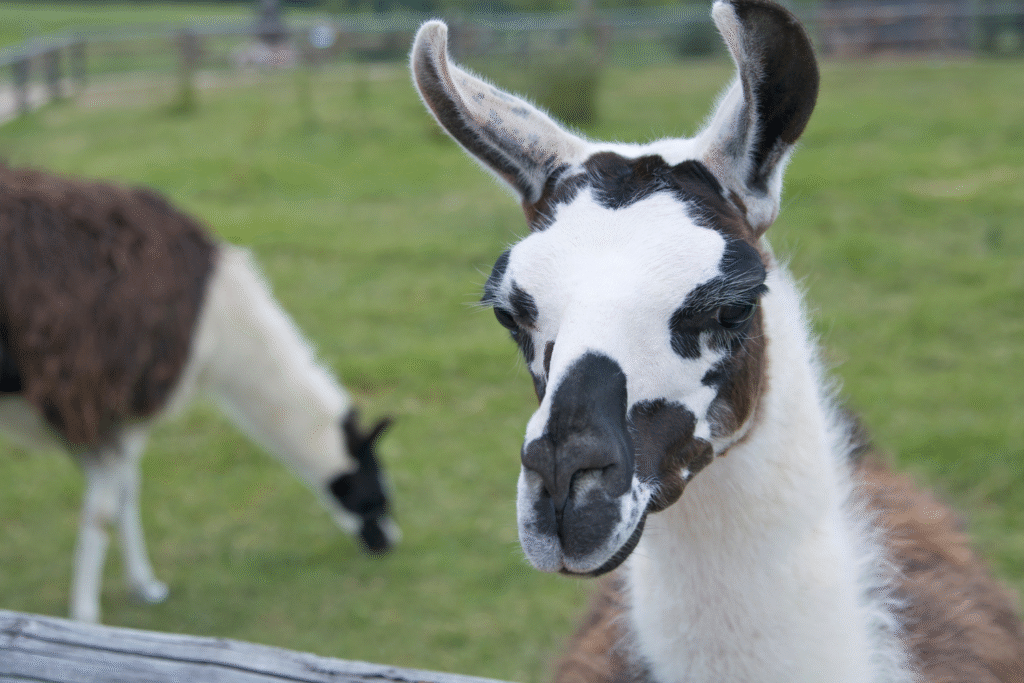
Not all llamas make effective guardians, making selection criteria crucial for success. The most reliable guardians are mature animals with demonstrated alertness, leadership qualities, and appropriate weight for deterring predators. Younger llamas may lack the size and maturity necessary for effective protection, while some individuals simply don’t develop strong protective instincts regardless of training.
Proper introduction techniques significantly influence guardian effectiveness. New llamas should initially be confined with a small group of livestock in a limited area to encourage bonding. Avoiding human contact during this period helps ensure the llama bonds with livestock rather than people. Testing potential guardians with unfamiliar dogs can reveal their protective instincts before final selection, helping identify animals most likely to succeed in guardian roles.
9. Terrain and operation size affect llama guardian effectiveness.
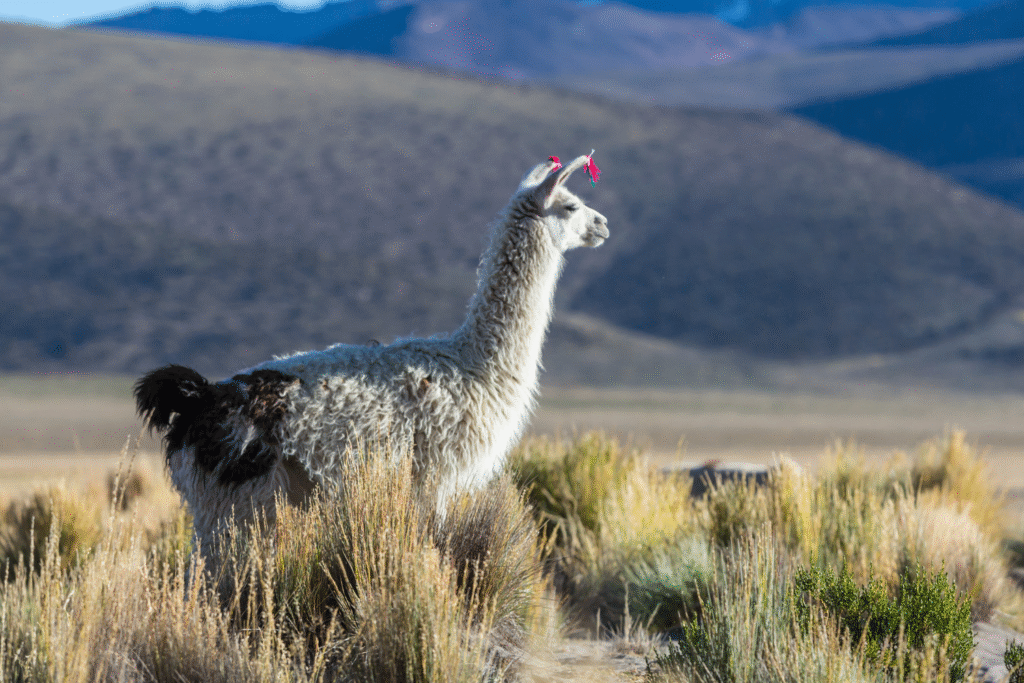
Llamas work best in specific operational contexts that match their capabilities and natural behaviors. They excel in moderate-sized pastures with good visibility where their alarm calling and positioning strategies can be most effective. Dense vegetation or extremely large open ranges may limit their ability to monitor and protect livestock effectively.
The optimal number of livestock per llama varies based on terrain, predator pressure, and pasture configuration, but many successful operations use one llama to guard 200 to 1000 sheep. Smaller, more manageable groups allow for better protection, while larger groups may exceed a single llama’s ability to maintain oversight. Understanding these operational limits helps producers match guardian animals to their specific circumstances for maximum effectiveness.
10. Integration with existing predator control strategies enhances results.
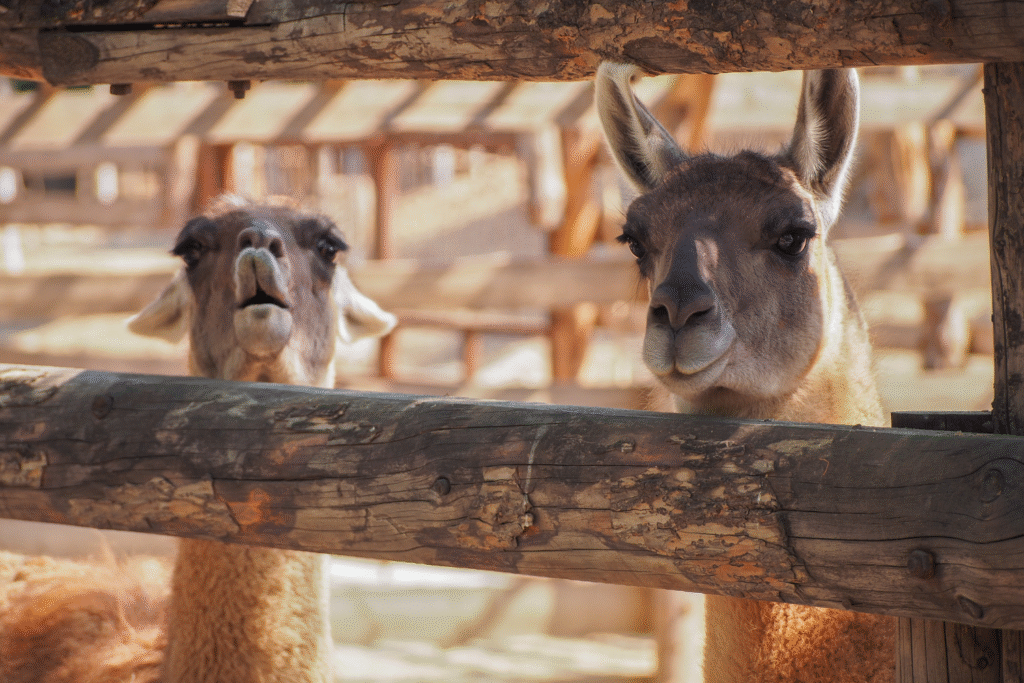
Llamas work most effectively as part of comprehensive predator management programs rather than standalone solutions. Combining llama guardians with proper fencing, strategic lighting, and removal of attractants creates multiple barriers to predation. This integrated approach addresses different types of threats and provides backup protection if one element fails.
Many successful operations use llamas alongside other management practices such as rotational grazing, which keeps livestock moving and reduces predictable patterns that predators might exploit. Some producers combine llamas with livestock guardian dogs for operations facing diverse predator threats, with each species addressing different challenges. This strategic approach maximizes protection while maintaining the economic and operational advantages that make llamas attractive guardian animals.