
Your adorable feline might actually be showing signs of stress, illness, or behavioral problems.

That precious head bonking your cat does every morning might not be the sweet greeting you think it is. While we interpret many feline behaviors as endearing quirks or signs of affection, veterinary behaviorists are discovering that some of our cats’ most “adorable” habits actually signal underlying health issues, psychological distress, or communication attempts that we’re completely misunderstanding. Learning to decode what your cat is really trying to tell you could transform your relationship and potentially save their life.
1. Head butting seems affectionate but often indicates your cat feels anxious about their territory.
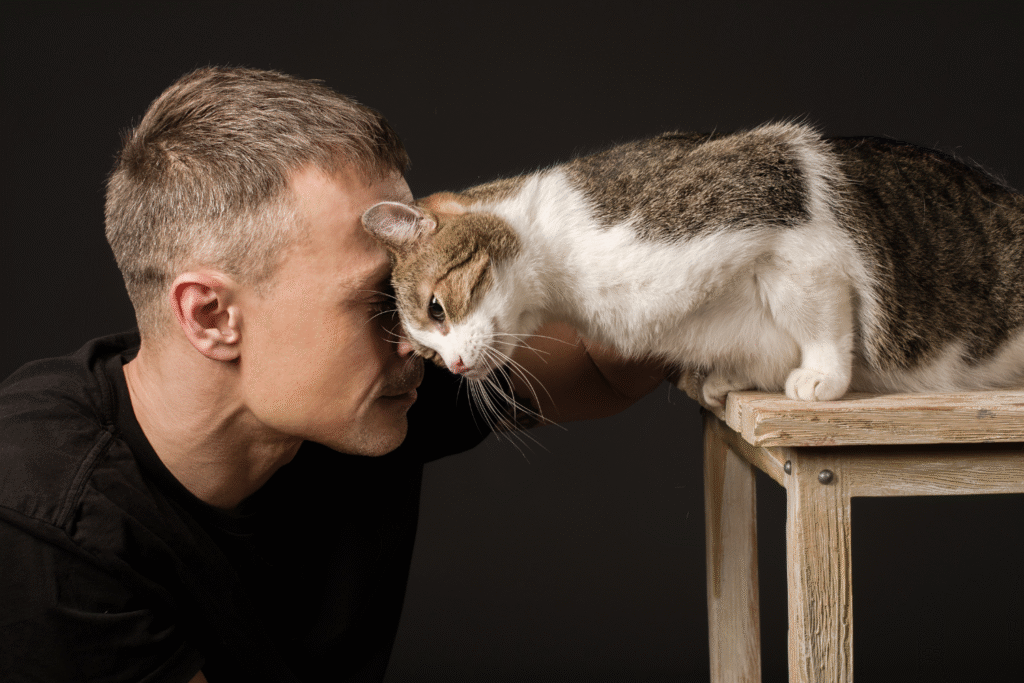
According to research published in the Journal of Feline Medicine and Surgery, cats primarily engage in head rubbing behaviors when they’re feeling insecure about their environment and need to reinforce scent markers that establish ownership. This seemingly loving gesture actually represents a compulsive need to mark you as their property rather than a simple display of affection. Cats experiencing territorial stress will escalate this behavior, rubbing more frequently and intensely as their anxiety increases.
The behavior becomes particularly pronounced in multi-pet households or after environmental changes like moving, new furniture, or schedule disruptions. While the head bonks feel wonderful to receive, they’re often your cat’s way of saying they’re feeling overwhelmed and need reassurance about their place in the household hierarchy.
2. Excessive grooming looks like fastidious cleanliness but signals serious psychological distress.
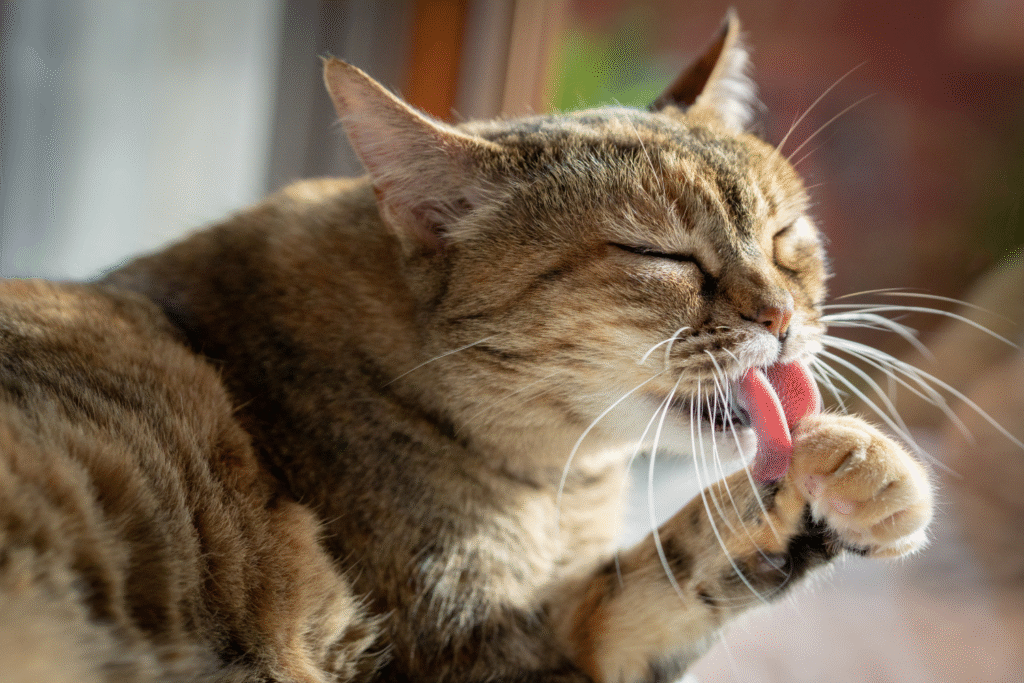
Cats who spend hours meticulously cleaning themselves often develop this behavior as a coping mechanism for anxiety, boredom, or underlying medical conditions that create discomfort. The repetitive licking releases endorphins that temporarily soothe their nervous systems, creating an addictive cycle where grooming becomes their primary stress management tool, as reported by veterinary behaviorists at Cornell University. Unfortunately, this “self-soothing” behavior can escalate into compulsive over-grooming that creates bald patches, skin infections, and digestive problems from ingesting excessive amounts of fur.
Many cat parents dismiss over-grooming as normal feline behavior until they notice visible hair loss or catch their cat grooming for hours without breaks. The behavior often intensifies during stressful periods, revealing how deeply psychological factors influence what appears to be simple hygiene maintenance.
3. Bringing dead animals as gifts actually shows your cat thinks you’re an incompetent hunter who might starve.

Research from the University of Georgia’s School of Veterinary Medicine shows that cats deliver prey to their human family members because they genuinely believe we lack the skills necessary to feed ourselves adequately. This behavior stems from maternal instincts where mother cats bring partially dead prey to teach their kittens hunting techniques. Your cat isn’t showing love—they’re conducting remedial hunting lessons because they’re concerned about your survival prospects.
The frequency of these “gifts” often correlates with how often your cat observes you successfully obtaining food through hunting behaviors they recognize. Cats who never see their owners engage in predatory activities become increasingly worried about the household’s food security, leading to more frequent delivery of educational prey specimens.
4. Kneading with their paws looks therapeutic but can indicate your cat never properly weaned.
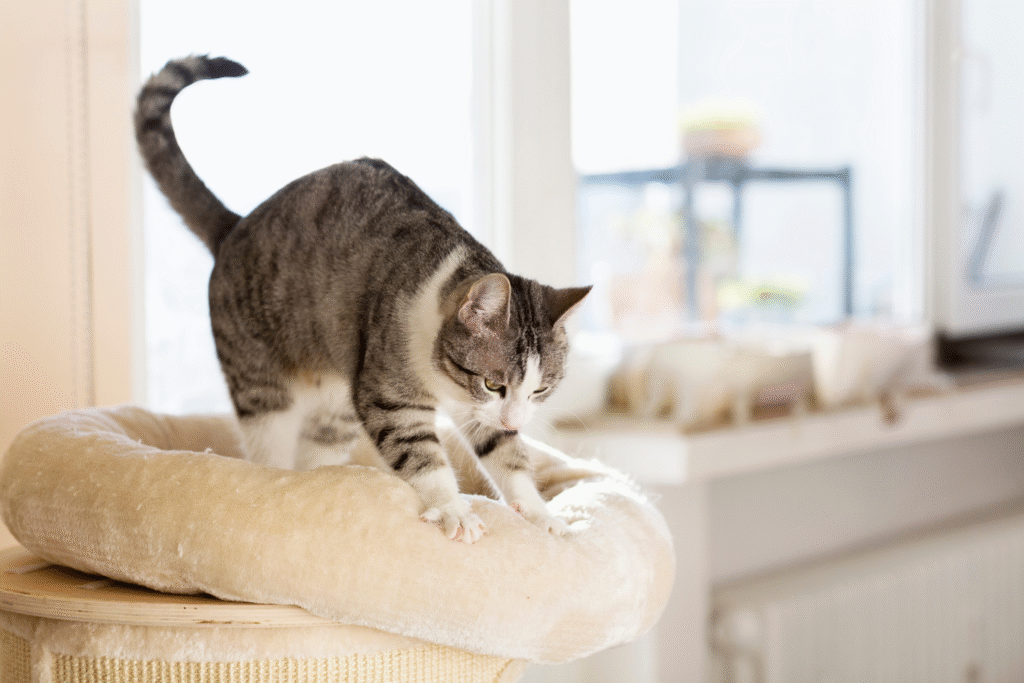
Adult cats who persistently knead soft surfaces, particularly while purring and drooling, often experienced premature separation from their mothers that left them psychologically stuck in nursing behaviors. This regression represents an attempt to recreate the comfort and security they lost too early in development. While the behavior appears sweet and relaxing, it actually signals emotional immaturity that can affect their ability to form healthy relationships with other cats.
Cats who knead compulsively often struggle with other aspects of adult feline behavior, including appropriate social boundaries, stress management, and independence. The behavior intensifies during times of uncertainty or change, revealing how deeply these early developmental gaps continue to influence their psychological well-being throughout their lives.
5. Midnight zoomies aren’t playful energy bursts but signs of pent-up frustration and inadequate enrichment.
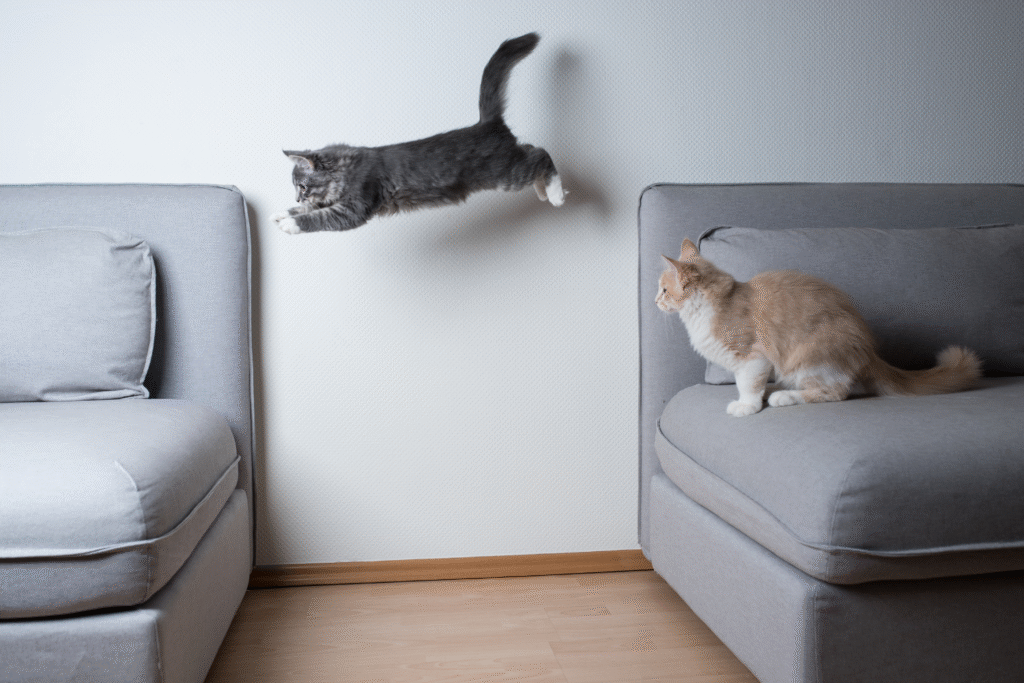
Cats who race frantically through the house during nighttime hours are typically expressing frustration with their daytime environment that doesn’t provide adequate mental or physical stimulation. These explosive energy releases happen because indoor cats accumulate hunting drive and exploratory needs that have nowhere to go during their normal waking hours. The seemingly random sprinting sessions represent desperate attempts to burn off instinctual energy that builds up throughout the day.
The timing isn’t coincidental—cats are naturally most active during dawn and dusk hours when their prey animals are most vulnerable. Indoor cats without proper outlet for these instincts develop substitute behaviors that may look entertaining but actually indicate an environment that doesn’t meet their psychological needs.
6. Hiding under furniture constantly means your cat feels genuinely unsafe in their own home.
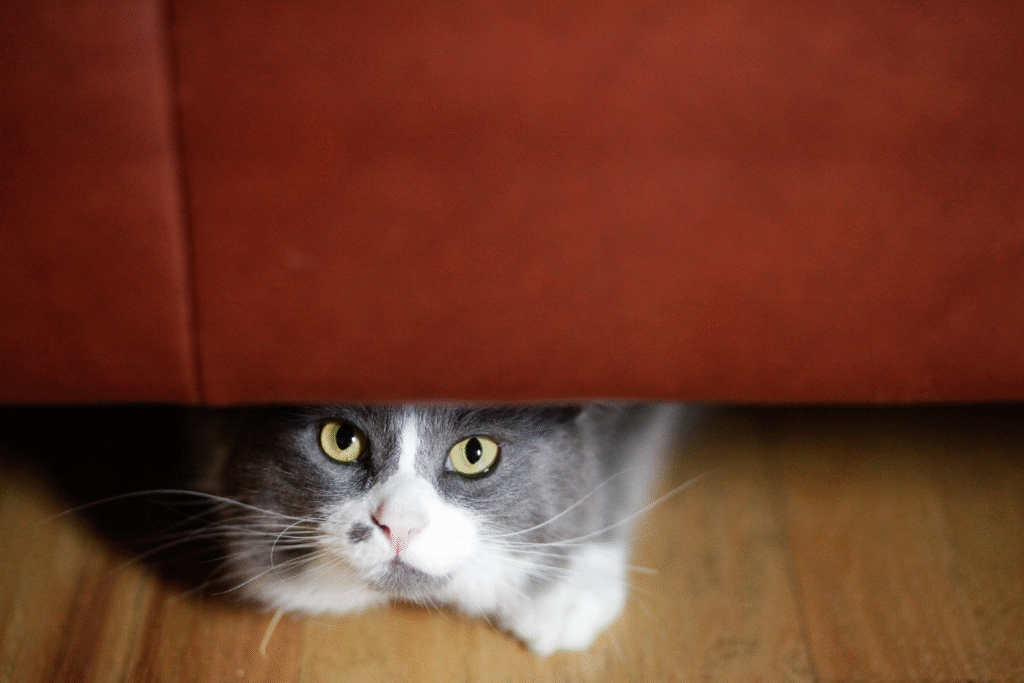
Cats who spend most of their time tucked away in closets, under beds, or behind appliances are communicating that something in their environment feels threatening enough to require constant vigilance and escape planning. This isn’t shyness or introversion—it’s a stress response that indicates your cat perceives ongoing danger that prevents them from relaxing normally. Chronic hiding behavior often develops in response to loud noises, unpredictable schedules, aggressive pets, or overwhelming household activity.
The behavior becomes self-reinforcing as cats who hide miss opportunities for positive interactions and environmental enrichment that would build their confidence. Hidden cats often develop secondary health issues related to reduced activity, poor appetite, and elevated stress hormones that affect their immune systems.
7. Following you everywhere looks like devotion but usually indicates separation anxiety or health problems.
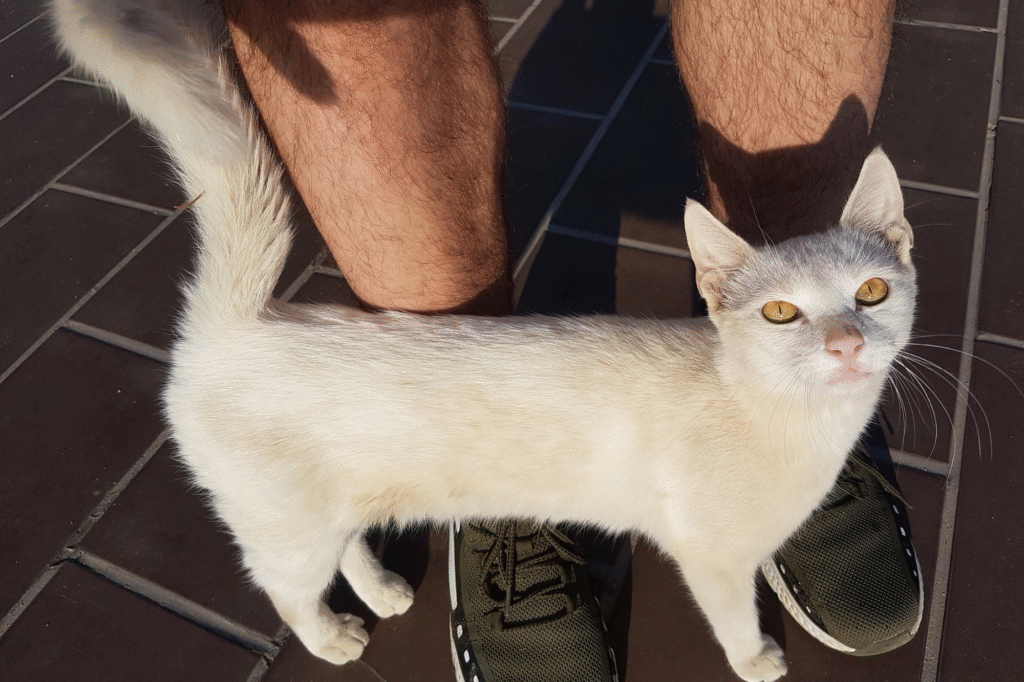
Cats who shadow their owners’ every movement often do so because they’re experiencing anxiety about being left alone or they’re feeling unwell and seeking comfort from their primary caregiver. This clingy behavior represents insecurity rather than affection, particularly when it develops suddenly in previously independent cats. Medical conditions that cause discomfort or disorientation can trigger this behavior as cats seek reassurance from their humans.
The constant following often escalates to vocalization, destructive behavior when separated, and elimination problems that create additional stress for both cat and owner. Understanding the difference between healthy attachment and anxious dependency helps identify when this seemingly sweet behavior requires intervention.
8. Chattering at birds reveals predatory frustration that’s slowly driving your indoor cat crazy.
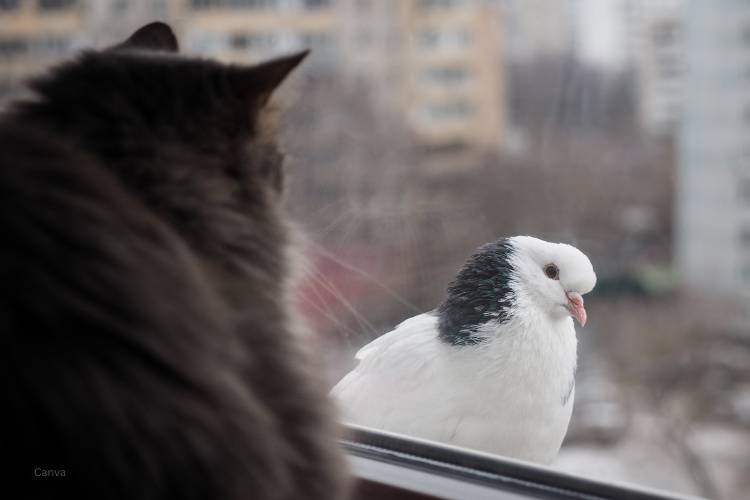
The rapid jaw movements and excited chirping sounds cats make while watching birds through windows represent intense hunting drive with no outlet for completion. This behavior indicates psychological torment as your cat experiences all the excitement of spotting prey but none of the satisfaction of successful hunting. The chattering often accompanies dilated pupils, twitching tails, and tense body posture that reveals genuine distress rather than entertainment.
Cats who spend hours chattering at unreachable prey can develop chronic frustration that manifests in redirected aggression toward other pets, destructive behaviors, and depression. The behavior represents an unmet biological need that indoor environments struggle to satisfy adequately.
9. Sleeping all day seems natural but often indicates depression or underlying medical issues.

While cats naturally sleep 12-16 hours daily, cats who show dramatic increases in sleep duration or who seem lethargic during their typical active periods may be experiencing depression, pain, or systemic illness that saps their energy. Healthy cats maintain distinct periods of alertness and activity even within their extensive sleep schedules. Cats who sleep excessively often lose interest in play, food, and social interaction that previously engaged them.
The gradual onset of excessive sleeping makes it difficult for owners to recognize when normal feline rest patterns become concerning. Cats are masters at hiding illness, and increased sleeping often represents one of the earliest signs that something is wrong with their physical or emotional well-being.
10. Purring constantly doesn’t always mean happiness and can actually signal pain or extreme stress.
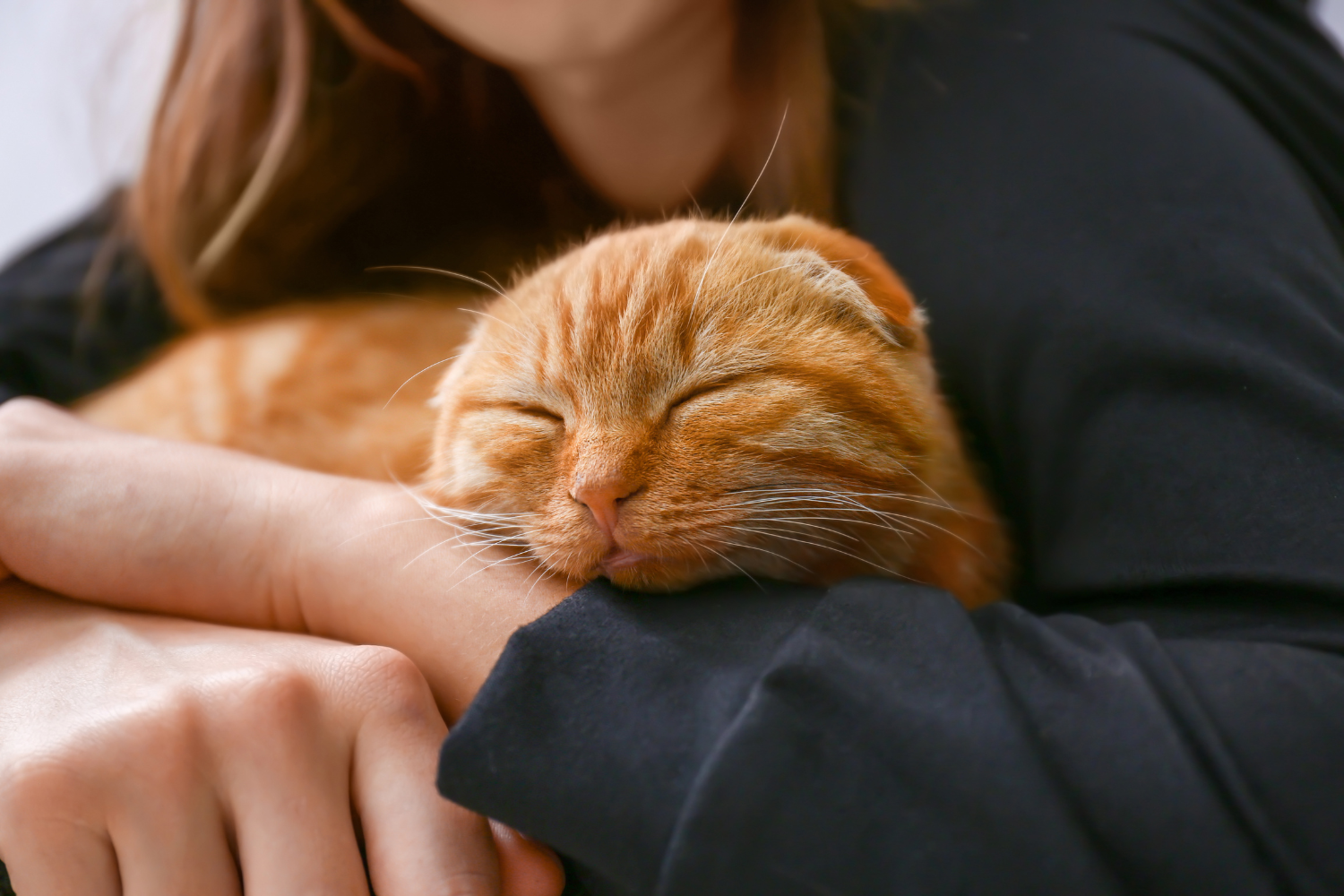
Cats purr in response to various emotional states, including fear, pain, and anxiety, using the vibrations as self-soothing mechanisms rather than expressions of contentment. Sick or injured cats often purr more frequently than healthy ones because the vibrations provide physiological comfort similar to how humans might rock or hum when distressed. Recognizing the difference between happy purring and stress purring requires attention to body language, context, and accompanying behaviors.
Cats who purr while hiding, refusing food, or showing other signs of distress are likely using this behavior to cope with discomfort rather than expressing satisfaction. The purring may actually intensify during veterinary exams or stressful situations as cats attempt to self-regulate their emotional state through familiar comfort behaviors.