
A sudden shift in sea ice has left thousands of chicks with slim chance of survival.
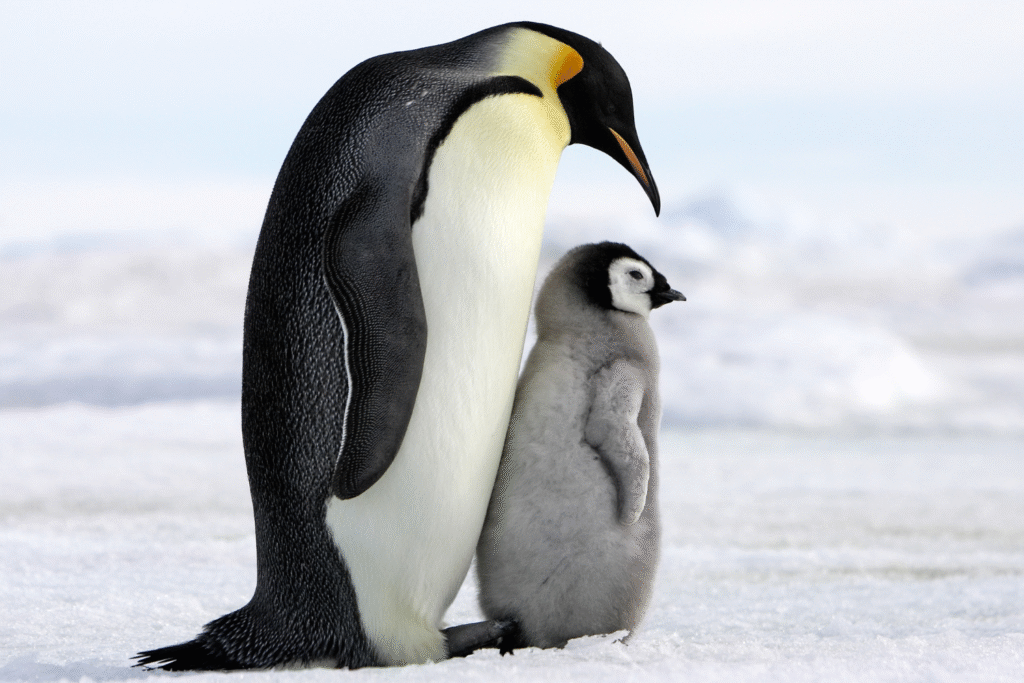
The quiet edges of Antarctica, usually full of life, are turning into scenes of loss. Penguin colonies that once thrived in the predictable rhythm of ice and seasons are collapsing in real time. Entire generations of chicks are not making it past their first weeks.
The culprit is the ice itself. Melting earlier and faster than anyone expected, it’s leaving young penguins stranded. What once looked like a stable cycle has been thrown into chaos. These failures are not rare anymore—they’re becoming a grim new pattern.
1. Entire rookeries are being wiped out overnight.
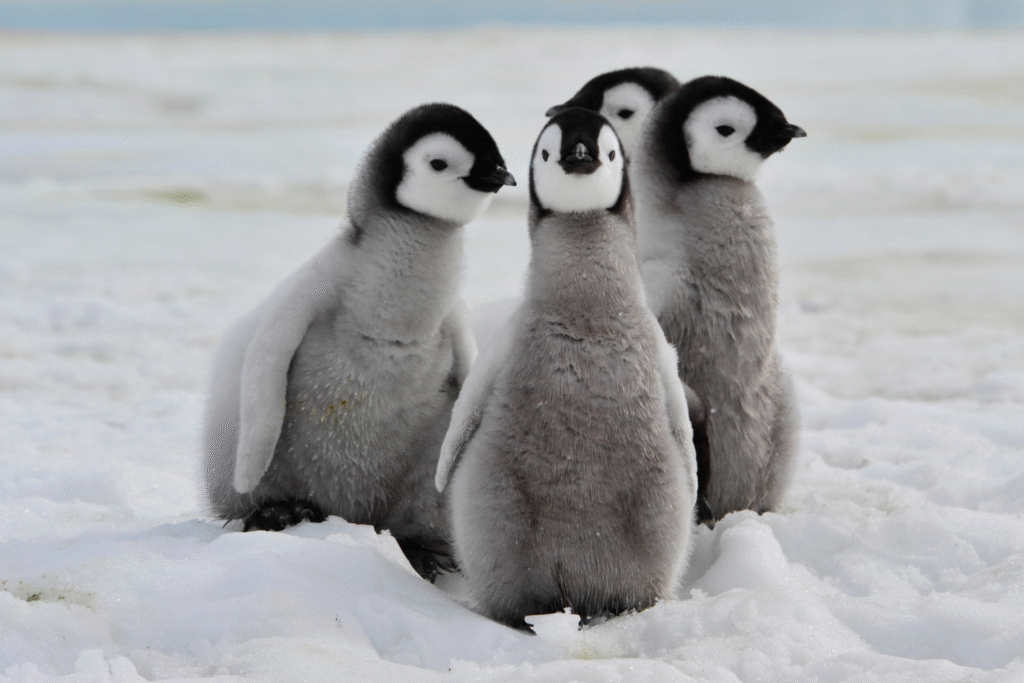
Researchers have watched whole colonies of emperor penguins lose nearly all their chicks in a single season. The chicks are too young to swim, and when the ice melts beneath them, they drown or freeze in the water. Scientists described these breeding failures as catastrophic, with one site in the Bellingshausen Sea losing every chick born in 2022, as reported by the British Antarctic Survey. That scale of loss has rarely been recorded in modern history.
The problem isn’t isolated. Similar breeding collapses are starting to show up in other regions, suggesting it’s not a one-off disaster. The quick unraveling of ice sheets means penguin parents can’t adapt quickly enough. What used to be a reliable platform for raising chicks is vanishing too soon, leaving researchers worried about how many more years colonies like these can withstand.
2. The ice is vanishing weeks earlier than it used to.
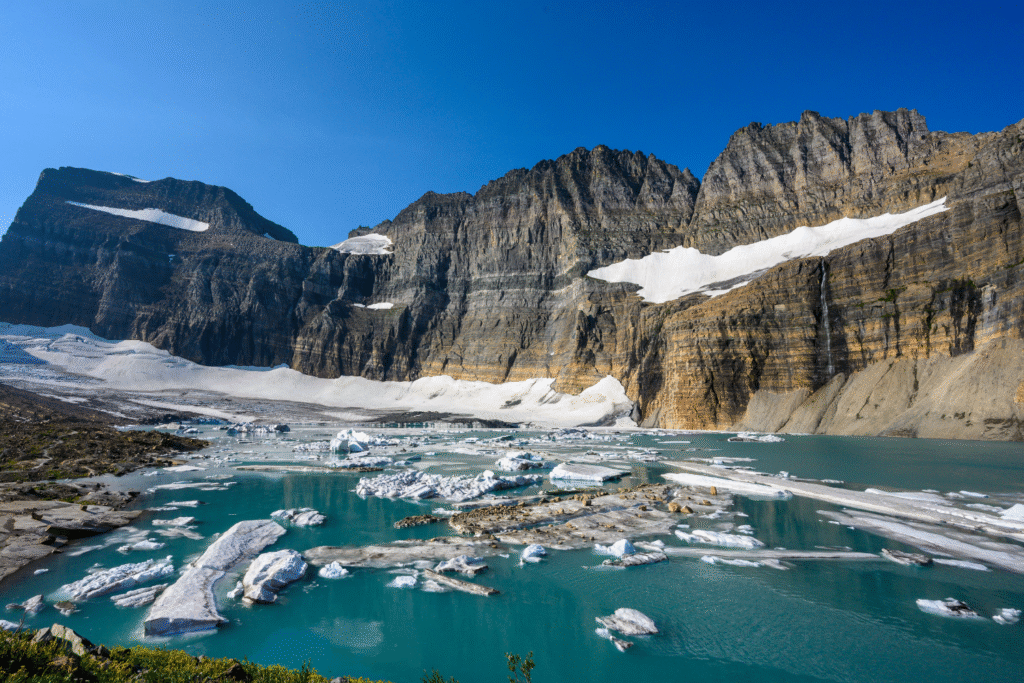
Timing is everything for penguin survival. Emperor penguins raise their chicks on stable ice, but if it breaks apart even a few weeks early, the young don’t survive. The issue isn’t just that the ice is melting, it’s that it’s happening at a pace nobody anticipated. Entire breeding windows collapse when ice disappears too soon, a reality now documented across multiple regions, according to a study published in Communications Earth & Environment.
Parents can survive the changes because they’re strong swimmers, but chicks have no such chance. They’re left behind on unstable platforms, sometimes breaking apart beneath their feet. It’s not a gradual warning but a sudden collapse, and by the time it happens, it’s too late to recover. That unpredictability is what terrifies the scientists watching it unfold.
3. Once-stable sea ice zones are now dangerously unreliable.
Areas once thought of as safe havens for penguins are no longer predictable. The Weddell Sea, which long acted as a reliable breeding ground, has seen ice vanish earlier in the season, leaving the colonies exposed. As stated by Nature, long-term tracking shows a steep decline in stability, meaning even the most trusted regions are no longer guaranteed for penguin survival. The rug is being pulled out from under the very places scientists once thought were untouchable.
This change shakes up the entire map of penguin survival. If the supposedly stable regions are unreliable, then there are no backup safe zones. Colonies that used to thrive are forced into riskier areas, and the chances of survival plummet. Each failed breeding season piles onto the next, and that repetition pushes populations toward collapse.
4. Chicks are dying before their feathers ever develop.
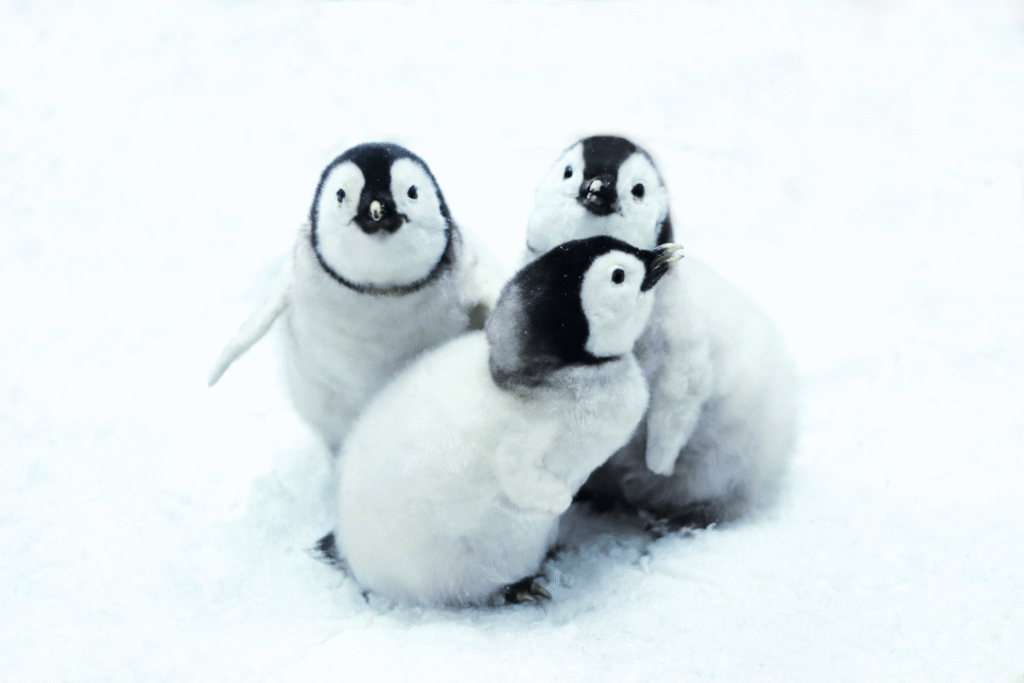
Unlike adults, chicks can’t dive or swim until they grow their waterproof feathers. When the ice breaks up too early, they end up in the freezing water with downy fluff that soaks instantly. Thousands are lost this way, never reaching the point where they can survive independently. The tragedy is immediate and irreversible.
Entire generations vanish before they even grow strong enough to stand on their own. What makes it worse is that the timing isn’t consistent—some years colonies may hold steady, and then suddenly, the next year, everything collapses. That volatility makes it impossible for penguins to adapt to what used to be dependable rhythms of survival.
5. Survivors are being forced into smaller and smaller ranges.
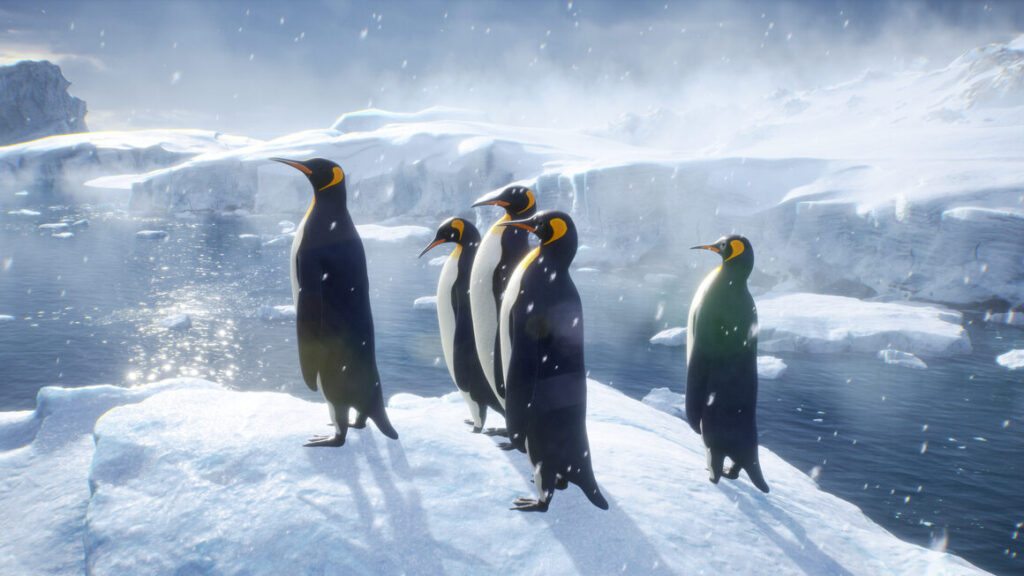
The colonies that survive breeding failures don’t simply thrive the next year. Instead, they’re packed tighter into smaller zones of still-reliable ice. That overcrowding increases competition for food and space, stressing the populations that do manage to hatch. Parents have to travel further for food while leaving chicks unattended, another strike against their odds of survival.
As the ice boundaries shrink, so does the margin for error. What used to be vast landscapes of stability are shrinking into scattered patches. With each passing year, the safe zones shrink further, compressing penguin populations into hotspots that no longer sustain the numbers they once could.
6. Predator patterns are shifting in ways penguins can’t handle.
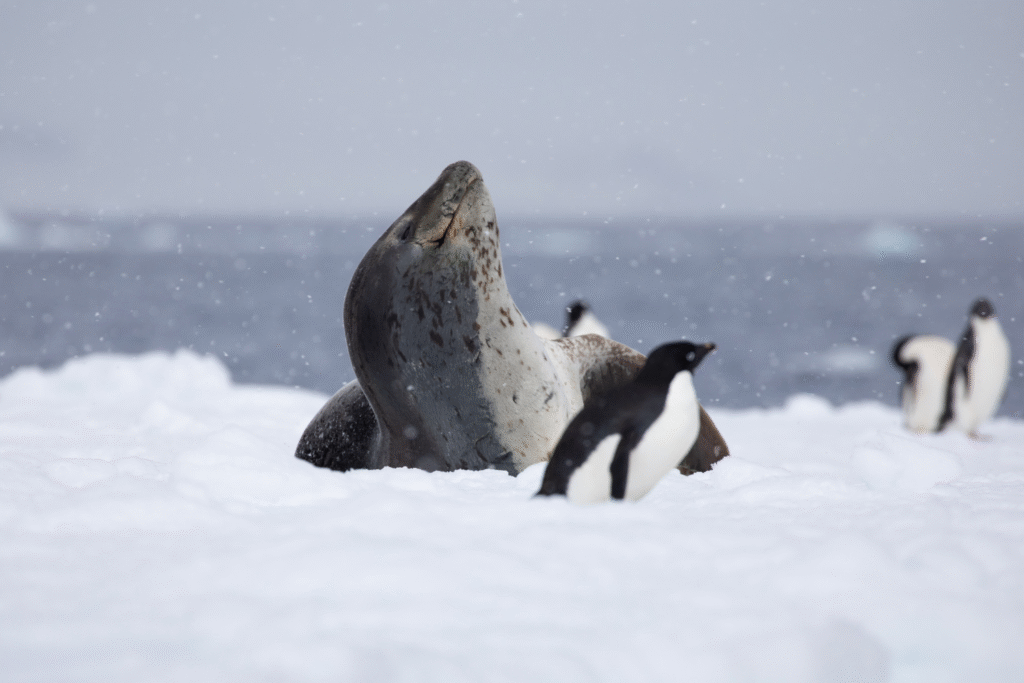
It’s not only the ice that’s changing—predators are adjusting too. Leopard seals and skuas are finding easier meals as stranded chicks become exposed earlier in the season. Where once ice protected young birds until they grew strong enough to fend for themselves, now they’re out in the open too soon. That shift tilts the predator-prey balance heavily against penguins.
In some regions, predators are gathering in larger numbers near penguin rookeries, waiting for the inevitable collapse of the ice. Penguins already facing starvation and instability have little chance against predators that now thrive under these changing conditions. It’s a double blow that magnifies each failed season.
7. Food sources are declining right alongside the ice.
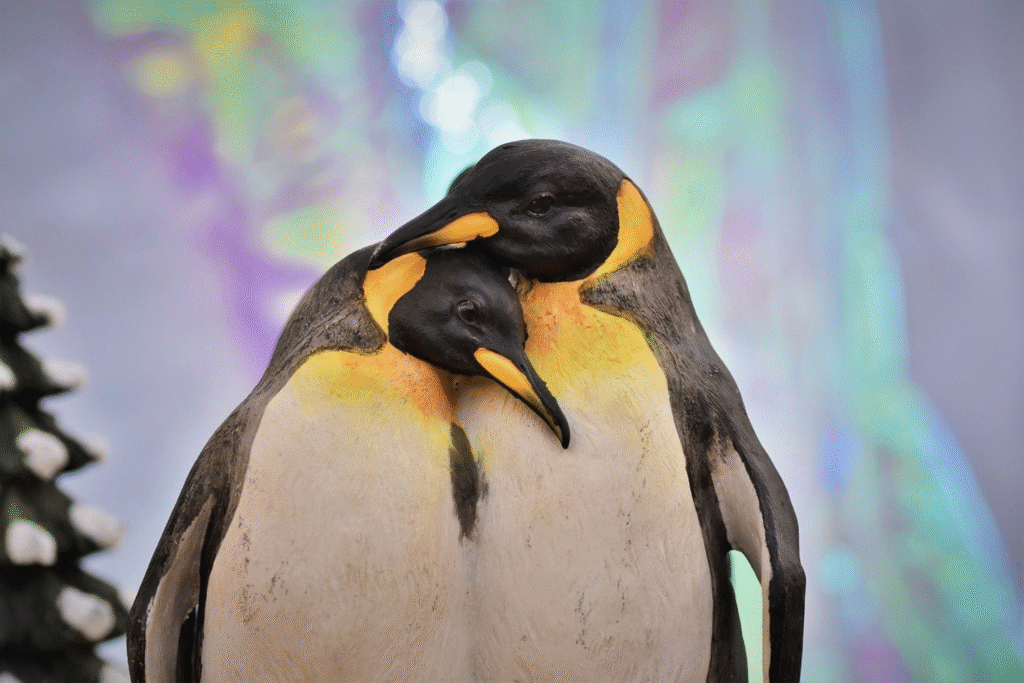
Krill, the tiny crustaceans that penguins depend on, rely heavily on sea ice for their own survival. With less ice, there are fewer krill, and penguins are forced to travel longer distances to feed their chicks. Longer journeys mean less food delivered and weaker chicks that can’t endure cold snaps or sudden storms.
The ripple effect of losing sea ice means it’s not just a habitat collapse but a food chain collapse. Penguins already weakened by breeding failures find themselves hit on yet another front, making recovery an even steeper climb. The decline of krill becomes just as deadly as the vanishing ice itself.
8. Entire ecosystems are unraveling around the penguins.

Sea ice isn’t just for penguins. It supports seals, fish, and countless other species that rely on the same fragile system. When the ice goes, the entire network starts to crumble. Penguins become one part of a larger story of collapse, with each missing piece making the whole system more fragile.
What makes this particularly worrying is how fast the unraveling is happening. Species that once acted as buffers in the food web are vanishing, and with every loss, penguins face harsher odds. The problem isn’t isolated to one bird but spreads through an entire frozen ecosystem.
9. Scientists are warning of population collapse within decades.

The trend isn’t something that can be ignored for a generation. Scientists warn that emperor penguins, in particular, could face near-total collapse by the end of this century if sea ice continues to vanish at the current rate. That prediction isn’t alarmist—it’s based on multiple years of data showing how fragile the breeding cycle has become.
Every failed season brings them closer to that tipping point. The warnings are blunt and direct, but the pace of change on the ground is often faster than the predictions themselves. With penguins disappearing before they can even breed, the countdown is already running.
10. What once felt permanent is vanishing in real time.

The sight of sprawling penguin colonies across Antarctic ice used to feel eternal. Those endless black-and-white gatherings on white landscapes symbolized resilience in one of the harshest environments on Earth. Now, that image is cracking just like the ice beneath it. Each breeding failure erodes what felt permanent into something fragile and fleeting.
Watching it unfold feels like losing a constant in the world. If the most enduring creatures of Antarctica are being undone by melting ice, it raises a sharp question—what else is on the edge without us noticing? The penguins are just the first to fall, but the story stretches much wider.
Scam escort, fake models, divorce, child sex, child sexual slavery,
sex under the influence of drugs, sex with animals