
The Arctic Ocean could experience its first completely ice-free day as early as 2027
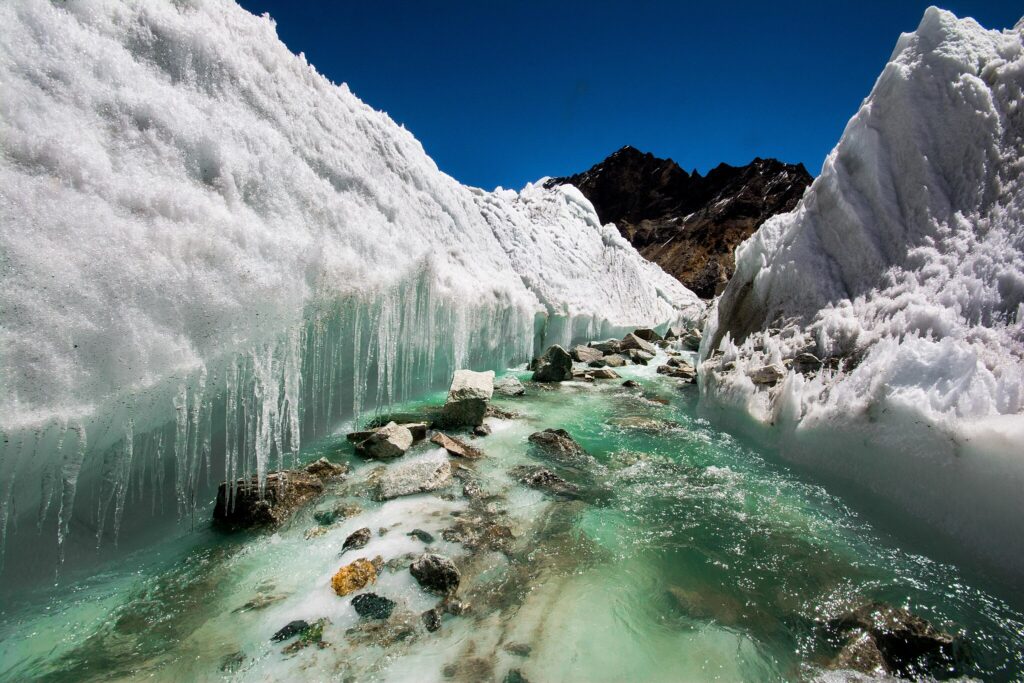
The Arctic is melting faster than many scientists expected, and the latest research reveals we’re approaching a climate milestone that seemed decades away just a few years ago. Scientists now project that the Arctic Ocean could experience its first completely ice-free day within the next few years, and honestly, that’s a pretty big deal for all of us.
Winter sea ice in the Arctic hit its lowest maximum extent ever recorded in March 2025, breaking the previous record in a way that has researchers genuinely concerned. Even the coldest months can no longer build the thick ice cover that once defined the region. While scientists are careful to emphasize that understanding the timeline requires analyzing multiple factors, the overall picture isn’t great.
1. Winter ice reaches record-breaking lows despite freezing temperatures.
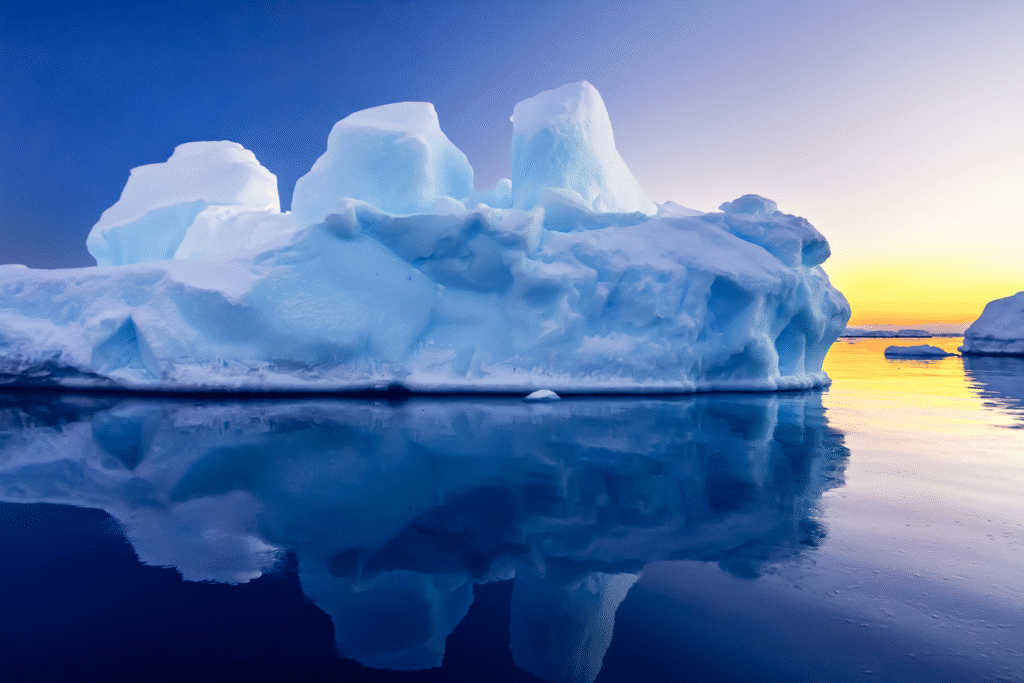
Arctic sea ice hit its annual maximum on March 22, 2025, at just 14.33 million square kilometers—the lowest winter peak in the 47-year satellite record and a full 1.31 million square kilometers below the long-term average. This devastating loss represents an area larger than Texas and New Mexico combined simply vanishing from the Arctic’s winter ice cover. According to the National Snow and Ice Data Center, temperatures remained 1 to 2 degrees Celsius above average throughout the Arctic during the winter season, preventing normal ice formation even during the coldest months.
Winter maximums matter because they represent the Arctic’s ability to rebuild its protective ice shield during optimal freezing conditions. When even winter cannot restore adequate ice coverage, it signals that the entire Arctic system is fundamentally breaking down. The fact that this record was broken by such a large margin suggests the Arctic has crossed into a new regime where traditional seasonal patterns no longer apply.
2. Computer models predict ice-free summer days could arrive by 2027.
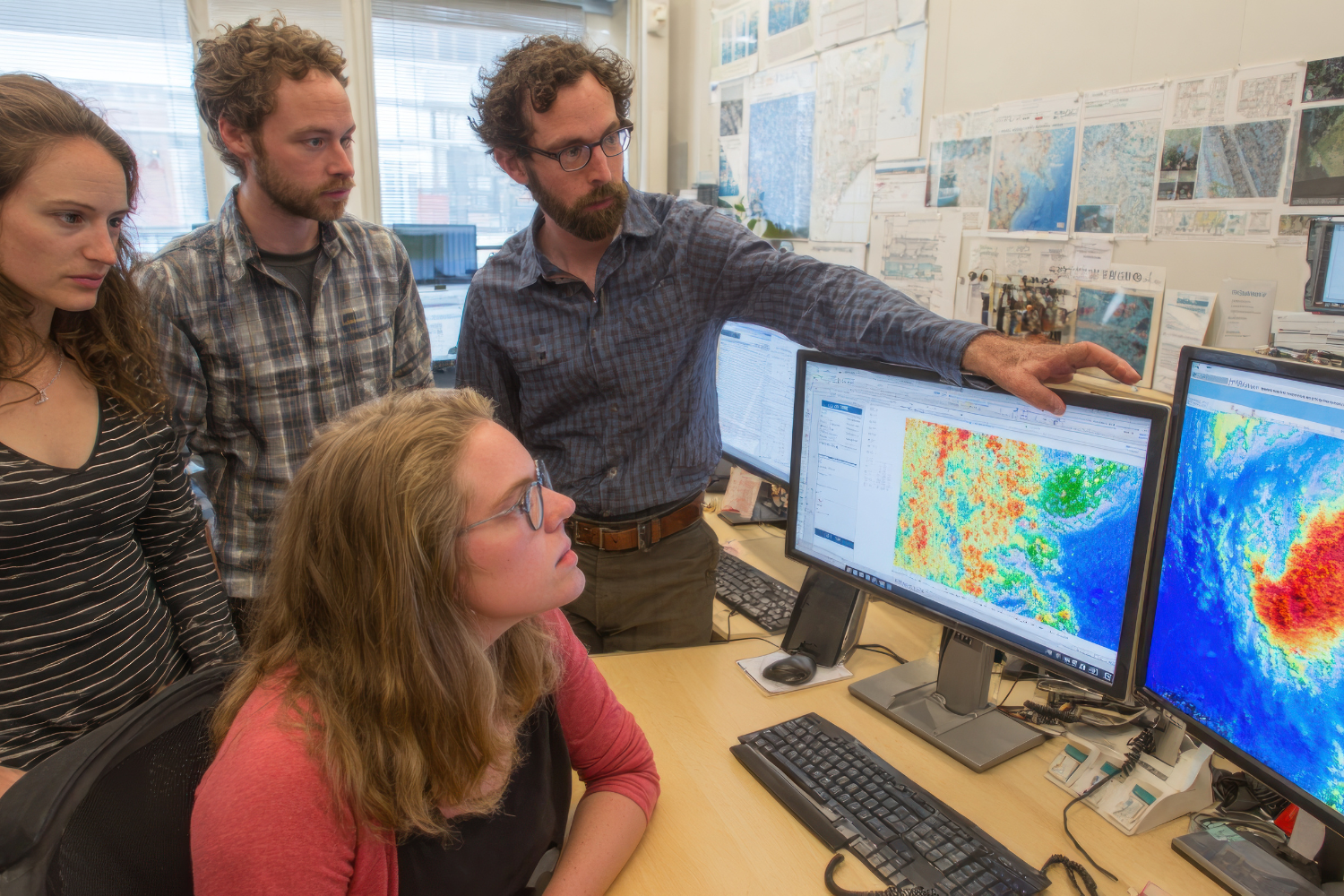
International researchers using over 300 computer simulations have dramatically revised predictions for when the Arctic might experience its first ice-free day, moving the timeline from around 2030 to potentially as early as late summer 2027. These models define “ice-free” as sea ice coverage dropping below one million square kilometers, which scientists consider a critical tipping point for Arctic climate systems. The University of Colorado Boulder’s Alexandra Jahn and Sweden’s Céline Heuzé led the groundbreaking research that revealed this accelerated timeline, as reported by researchers in Nature Communications.
What makes this projection particularly concerning is that most models show this outcome occurring regardless of short-term changes in greenhouse gas emissions, though long-term emissions reductions remain crucial for preventing worse outcomes. The first ice-free day appears increasingly likely based on current warming trends, though scientists note this represents a single day event rather than permanent ice loss. Some simulations suggest this milestone could occur within three to six years, though researchers emphasize significant uncertainty remains in precise timing.
3. Extreme weather events create perfect storms for rapid ice loss.

The path to an ice-free Arctic doesn’t require steady warming—it can happen through a series of extreme weather events that create what scientists call “the perfect storm” for ice destruction. Research shows that an unusually warm fall can weaken sea ice, followed by a warm Arctic winter and spring that prevents new ice formation. According to climate researchers, when the Arctic experiences such extreme warming for three or more consecutive years, conditions become ripe for the first ice-free day to occur during late summer.
These kinds of dramatic warming events have already happened and are becoming more frequent. In March 2022, areas of the Arctic experienced temperatures 50 degrees Fahrenheit warmer than average, with regions around the North Pole reaching near-melting conditions during what should have been the peak of winter. Such extreme events demonstrate how rapidly the Arctic can shift from ice-covered to ice-free conditions when multiple weather systems align.
4. Ice-albedo feedback loops contribute to accelerated regional warming.
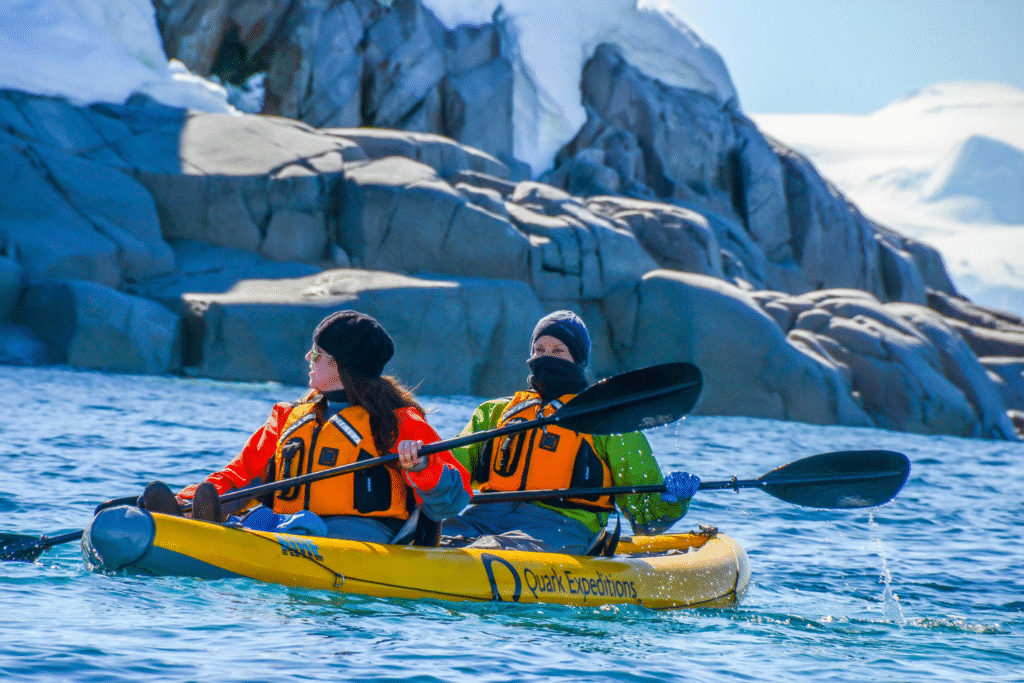
The loss of reflective white ice creates a feedback mechanism that contributes to faster Arctic warming compared to global averages. When bright ice melts to reveal dark ocean water beneath, that water absorbs more solar energy than reflective ice would have reflected back to space. This absorbed heat contributes to further ice loss, creating a self-reinforcing cycle that helps explain why the Arctic is warming roughly twice as fast as the global average.
This feedback mechanism is well-documented and represents one of the key factors driving Arctic change, though scientists continue studying how it interacts with other climate processes. The Arctic Ocean’s transition from a reflective to a heat-absorbing surface has implications for regional climate patterns, though the global impacts depend on complex interactions with atmospheric and oceanic circulation systems that researchers are still working to understand fully.
5.Frozen Arctic ground is melting, releasing climate-warming gases into the atmosphere.
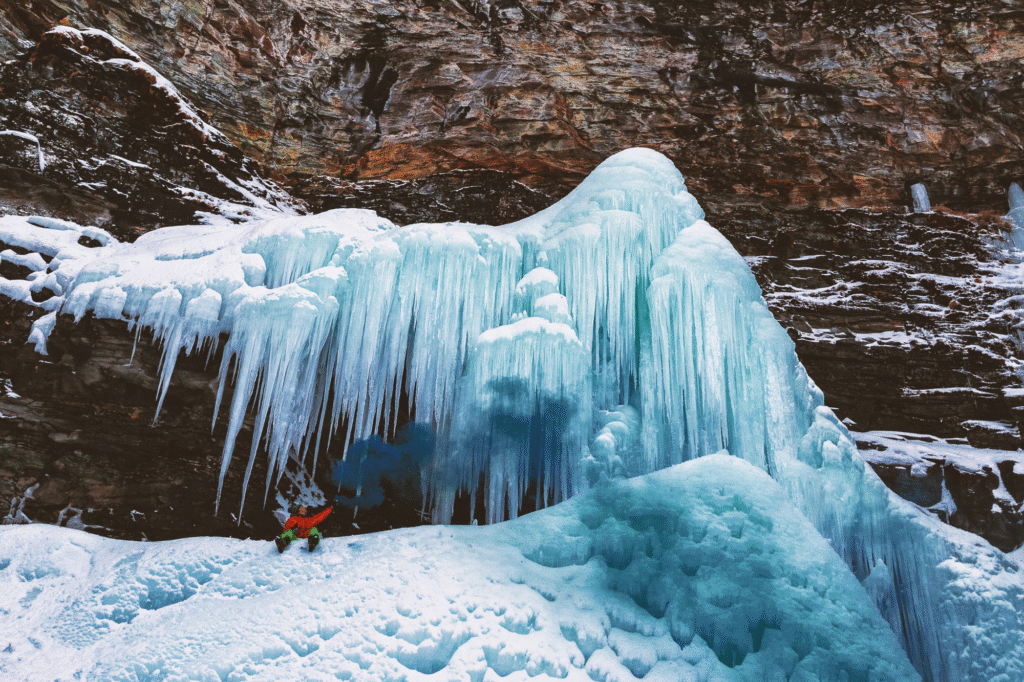
Arctic warming is causing permafrost that has remained frozen for thousands of years to thaw, releasing carbon dioxide and methane stored in previously frozen soils. Permafrost contains large amounts of organic carbon—current estimates suggest roughly twice as much carbon as exists in Earth’s atmosphere—and this carbon becomes available for microbial decomposition as soils warm and thaw. While most thaw occurs gradually over decades, some areas experience more rapid changes that can release greenhouse gases more quickly.
Recent research indicates permafrost thaw is happening faster than many earlier projections suggested, contributing additional greenhouse gases to the atmosphere beyond human fossil fuel emissions. Scientists are working to better understand how much and how quickly this carbon will be released, as it represents an important feedback that could influence future warming rates. The scale of this carbon reservoir makes permafrost thaw a significant concern for long-term climate projections.
6. Arctic changes influence global weather patterns through atmospheric connections.
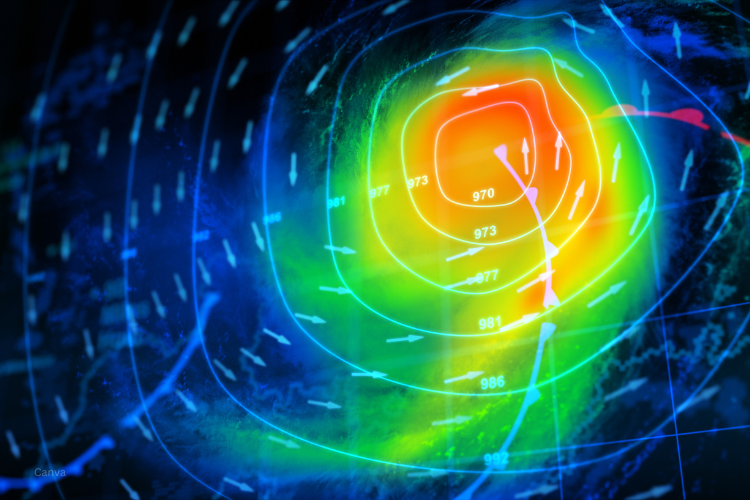
The temperature difference between the Arctic and lower latitudes helps drive the jet stream—the high-altitude air current that influences weather patterns across the Northern Hemisphere. As the Arctic warms faster than other regions, this temperature gradient changes, and research suggests this may contribute to shifts in jet stream behavior that can influence weather patterns in populated regions. Some studies link Arctic warming to more persistent weather patterns, though scientists continue investigating these complex connections.
Changes in Arctic sea ice and temperature patterns may influence the frequency and intensity of certain weather events, including heat waves, cold snaps, and storm tracks, though the specific mechanisms and their relative importance remain active areas of research. The Arctic’s role in global climate systems means that changes there can have far-reaching effects, but scientists emphasize that weather patterns result from multiple interacting factors that make direct cause-and-effect relationships challenging to establish definitively.
7. Ice sheet stability becomes increasingly uncertain under continued warming.

While Arctic sea ice melts and refreezes seasonally without directly affecting sea levels, the warming that reduces sea ice also affects land-based ice masses like the Greenland ice sheet, which does contribute to sea level rise. Scientists study various temperature thresholds that might trigger significant changes in ice sheet behavior, with estimates ranging from 1.5 to 2 degrees Celsius of global warming for major impacts to Greenland’s ice. Current research focuses on understanding how quickly these large ice masses respond to warming and what changes might become difficult to reverse.
The relationship between Arctic warming, ice sheet changes, and sea level rise involves complex processes that unfold over different timescales, from decades to centuries. While some ice loss from Greenland and other regions is already occurring, scientists work to improve projections of how much and how quickly sea levels might rise under different warming scenarios. These projections are crucial for coastal planning, though they involve significant uncertainties about ice sheet behavior under future climate conditions.
8. Arctic marine ecosystems face significant changes as ice habitat diminishes.

Arctic marine life has adapted to ice-covered conditions over evolutionary timescales, and the reduction of sea ice habitat presents serious challenges for many species. Polar bears, Arctic seals, walruses, and other ice-dependent animals rely on sea ice for hunting, breeding, and resting areas. As ice becomes less predictable or available for shorter periods, these species face difficulties accessing food sources and suitable habitat for reproduction, leading to population stress and potential declines.
The ecological changes extend throughout Arctic marine food webs, as ice-associated algae and other organisms form important foundations for Arctic ocean productivity. While some species may adapt to changing conditions or shift their ranges, others face more severe challenges that could significantly alter Arctic ecosystem structure. Scientists continue monitoring these changes to understand how Arctic marine communities might reorganize under continued warming and reduced ice cover.
9. Reduced ice cover increases access to Arctic resources and shipping routes.
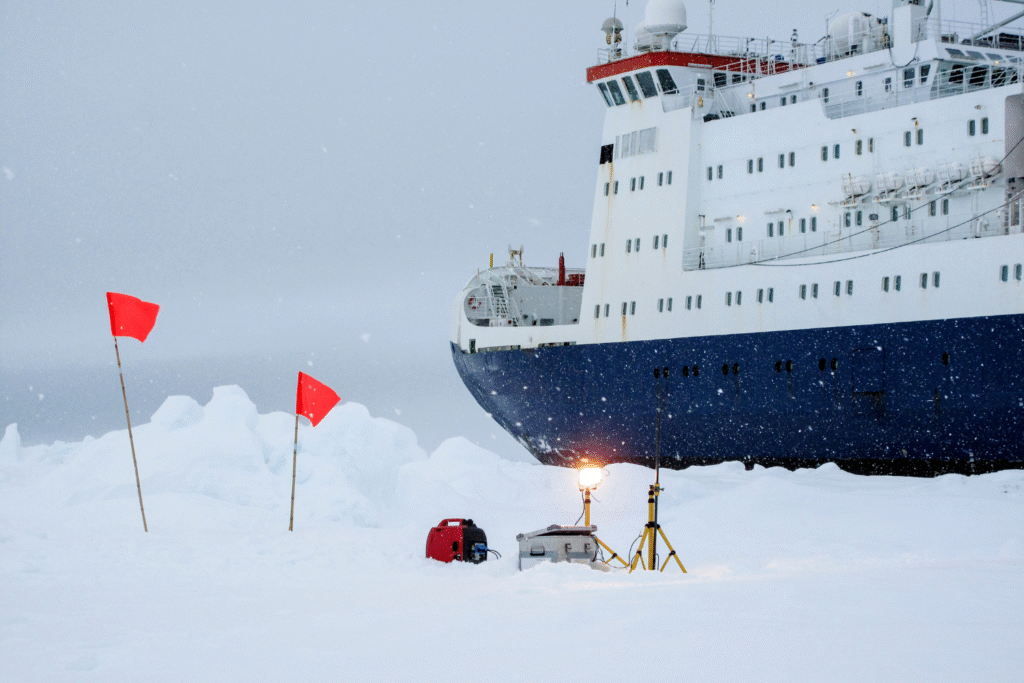
The decline in Arctic sea ice is opening previously inaccessible areas to increased shipping and resource extraction. The Northwest Passage reached record-low ice extent in 2024, creating year-round shipping routes that bypass traditional passages. This accessibility makes Arctic oil, gas, and mineral resources more economically attractive precisely when the world needs to transition away from fossil fuels—creating the cruel irony that ice loss enables extraction of the very fuels causing the problem.
Increased shipping traffic and industrial activity bring additional environmental pressures to ecosystems already stressed by rapid warming. Oil spills, underwater noise, and physical disturbance from operations could devastate marine species struggling to adapt to ice loss. Policymakers face the challenge of balancing economic opportunities with environmental protection in a region where accessing fossil fuel resources becomes easier just as burning them guarantees permanent Arctic ice loss.
10. Indigenous communities face cultural extinction as ice-based ways of life disappear.

For Arctic indigenous peoples, sea ice represents far more than frozen water—it’s a highway for hunting, a platform for traditional food gathering, and a fundamental part of cultural identity that has sustained communities for thousands of years. As reliable ice becomes increasingly scarce, traditional knowledge passed down through generations becomes irrelevant, and entire ways of life built around ice-dependent activities face extinction. Hunting routes that have been used for centuries become impassable, traditional foods become unavailable, and the cultural practices that define Arctic indigenous identity lose their foundation.
The loss of predictable ice conditions forces rapid cultural adaptation that may not be possible for many communities. Traditional ecological knowledge that took millennia to develop becomes obsolete within a single generation, leaving communities without the cultural tools their ancestors relied on for survival. This cultural disruption compounds the physical challenges of living in a rapidly changing Arctic, creating a human crisis that parallels the environmental destruction happening throughout the region.
wlbn12