
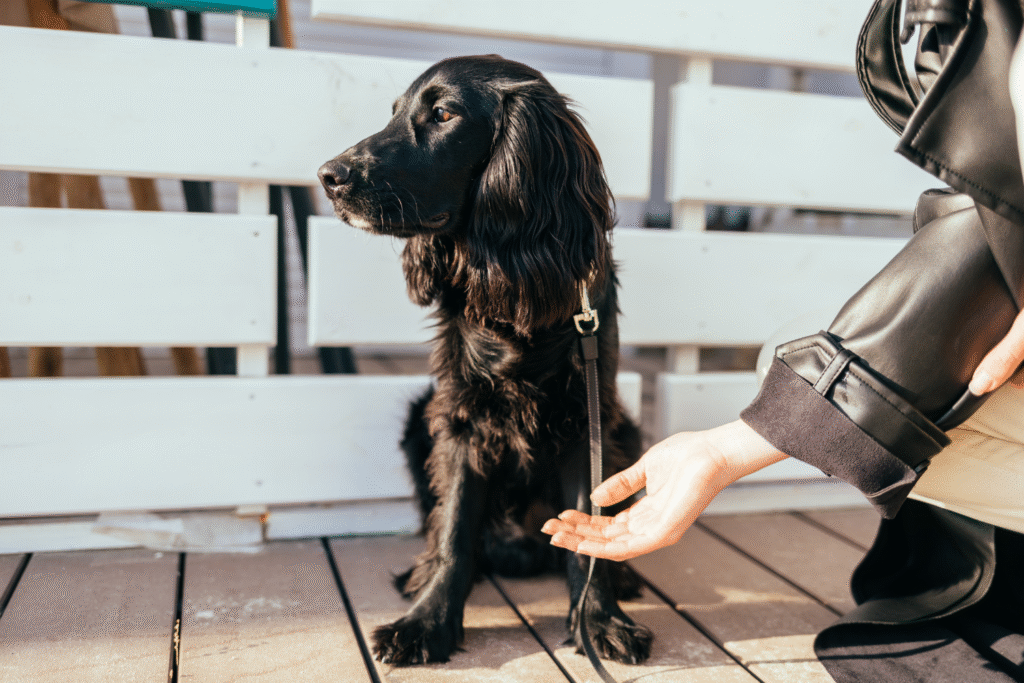
Even the most obedient dogs sometimes develop selective hearing that drives their owners crazy.
Every dog owner has experienced that moment when their perfectly trained pup suddenly acts like they’ve never heard the word “sit” before in their life. Your furry friend stares at you with those innocent eyes while completely ignoring your increasingly desperate attempts to get their attention. This selective listening isn’t defiance or stupidity – it’s usually a sign that something in your training approach needs adjustment.
Understanding why dogs ignore commands is the first step toward rebuilding that communication bridge. Most training breakdowns stem from inconsistency, unclear expectations, or simply asking too much too fast without proper foundation work.
1. Check your dog’s hearing and health before assuming behavioral issues.

Medical problems often masquerade as training failures, making it crucial to rule out physical causes before adjusting your approach. Ear infections, cognitive decline in older dogs, or even selective deafness can make previously obedient dogs seem suddenly stubborn. According to the American Veterinary Medical Association, hearing loss affects many dogs as they age, but owners often mistake this medical condition for deliberate disobedience.
Pain from arthritis, dental issues, or other conditions can make dogs reluctant to follow commands that cause discomfort. A dog who suddenly stops coming when called might be experiencing joint pain that makes running painful. Professional veterinary evaluation helps distinguish between medical and behavioral causes, ensuring you address the root problem rather than applying training solutions to health issues.
2. Timing your commands correctly makes all the difference in getting responses.

Dogs live in the moment, making the timing of your commands critical to their success in following through. Giving commands when your dog is distracted, overstimulated, or focused on something more interesting sets both of you up for frustration. The key lies in choosing moments when your dog can actually focus on and process what you’re asking, rather than competing with squirrels, other dogs, or exciting smells for their attention, as reported by certified animal behaviorist Patricia McConnell.
Starting with commands during calm, quiet moments helps rebuild your dog’s confidence and success rate. Practice basic commands right before meal times when your dog is naturally motivated to pay attention to you. Success builds on success, so creating easy wins helps restore your dog’s willingness to engage with your training efforts.
3. Reward systems need regular updates to maintain your dog’s motivation levels.

What motivated your dog as a puppy might bore them senseless now, making it essential to evolve your reward strategies as your dog matures. High-value treats that once guaranteed immediate attention might become ho-hum routine, while new activities or different types of praise could reignite their enthusiasm. As discovered by researchers at the University of Pennsylvania’s School of Veterinary Medicine, dogs show increased responsiveness when reward systems are varied and matched to individual preferences.
Pay attention to what genuinely excites your dog beyond basic food rewards. Some dogs work harder for praise and petting, while others prefer play sessions or special activities. Rotating between different types of rewards keeps training sessions interesting and prevents your dog from taking their favorite treats for granted. The element of surprise in your reward system often rekindals enthusiasm for following commands.
4. Environmental distractions require gradual training progression to overcome effectively.
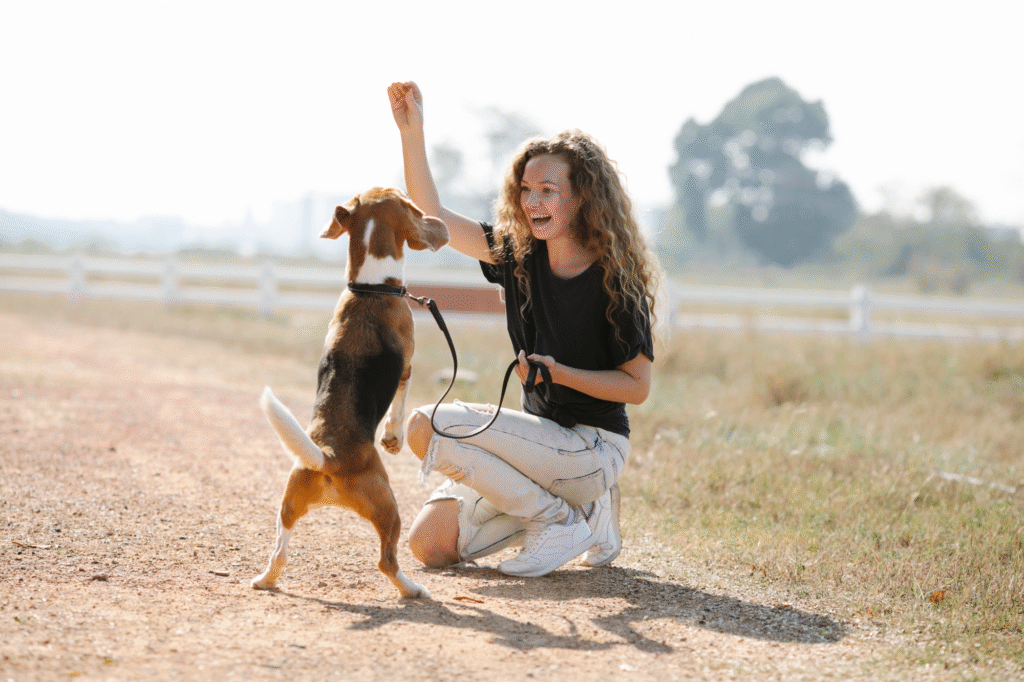
Moving from practicing commands in your quiet living room to expecting perfect obedience at the dog park represents a massive leap that sets most dogs up for failure. Building distraction tolerance requires systematic exposure to increasingly challenging environments where your dog can practice focusing on you. Start with mild distractions and gradually increase difficulty as your dog demonstrates consistent success.
Practice commands in your backyard before attempting them on busy sidewalks or around other dogs. Each new environment essentially requires relearning commands in that specific context. Dogs don’t automatically generalize training from one location to another, so consistent practice in various settings helps them understand that “sit” means the same thing everywhere.
5. Your energy and body language send stronger signals than your words ever will.

Dogs read human emotions and intentions through body language, tone, and energy levels far more than they process actual words. Frustrated, angry, or impatient energy often causes dogs to shut down or become anxious, making them less likely to respond to commands. Calm, confident energy encourages cooperation and learning.
Standing tall with relaxed shoulders while giving clear, firm commands communicates leadership without intimidation. Rushed, frantic energy or slouched, uncertain posture tells your dog you’re not really in control of the situation. Taking a deep breath and adjusting your own energy before giving commands often produces dramatically different responses from your dog.
6. Consistency across all family members prevents confusion and mixed messages.

Dogs thrive on predictability, but many households accidentally undermine training by using different commands, rules, or expectations for the same behaviors. One family member says “down” while another says “lie down,” creating confusion about what response is actually wanted. Everyone in the household needs to use identical commands and enforce the same rules.
Mixed messages from different family members can make even well-trained dogs appear stubborn or selectively obedient. Hold a family meeting to establish standard commands, rules, and consequences that everyone will follow consistently. Written lists help ensure everyone stays on the same page, especially when children are involved in training efforts.
7. Boring repetition kills motivation faster than any other training mistake.
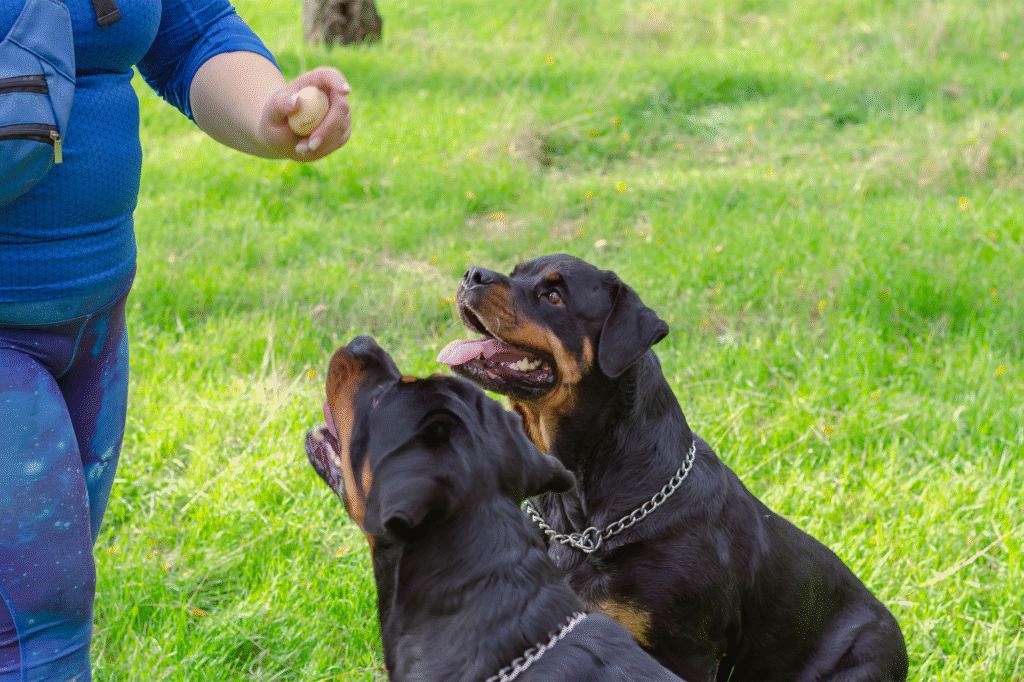
Drilling the same commands over and over in identical ways makes training sessions feel like punishment rather than engaging activities for your dog. Mental stimulation through varied approaches keeps training sessions interesting and maintains your dog’s enthusiasm for learning. Creative variations on basic commands challenge your dog’s mind while reinforcing important skills.
Transform “sit” practice into games by asking for sits in different locations, at varying speeds, or while incorporating hand signals along with verbal commands. Teaching tricks that build on basic commands adds fun while strengthening obedience fundamentals. Dogs who enjoy training sessions are naturally more responsive to commands in daily life.
8. Adequate physical exercise directly impacts your dog’s ability to focus and learn.
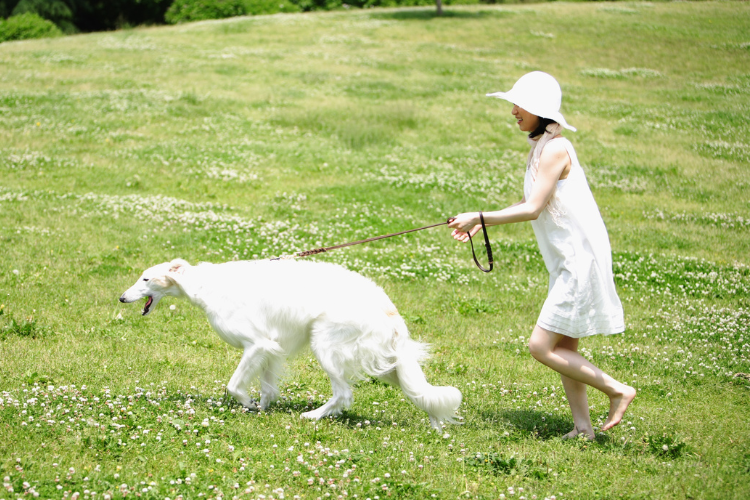
Expecting mental focus from a dog with pent-up physical energy is like asking a kindergartner to sit still after drinking espresso. Under-exercised dogs often seem disobedient when they’re simply too wired to concentrate on anything requiring stillness or attention. Proper exercise creates the mental state necessary for successful training sessions.
Different breeds and individual dogs have vastly different exercise requirements that must be met before expecting consistent obedience. A tired dog is typically a good dog, meaning that adequate physical activity sets the stage for mental receptiveness. Schedule training sessions after exercise when your dog’s body is satisfied but their mind remains alert.
9. Breaking complex commands into smaller steps builds confidence and understanding.

Asking your dog to perform complicated behaviors without teaching the individual components often results in confusion and apparent disobedience. Dogs learn best when complex commands are broken down into manageable pieces that can be mastered individually before combining them together. This approach builds success and confidence rather than frustration.
Teaching “stay” effectively requires mastering duration, distance, and distraction separately before combining all three elements. Start with very short stays right next to you before gradually increasing time and distance. Each small success creates motivation for the next step, while overwhelming your dog with too much too fast often causes complete shutdown.
10. Professional guidance can identify blind spots in your training approach.

Sometimes we become so invested in our own methods that we miss obvious solutions or continue ineffective approaches long past their usefulness. Professional dog trainers bring fresh perspectives and can identify issues that owners can’t see in their own training patterns. Outside expertise often reveals simple fixes for persistent problems.
Group training classes provide additional benefits by exposing your dog to distractions while giving you structured practice opportunities. Watching other dog-owner teams work through similar challenges helps normalize your struggles while providing new techniques to try. Professional guidance accelerates progress and prevents small issues from becoming major behavioral problems.