
The world’s heaviest snake may not be the one we thought.
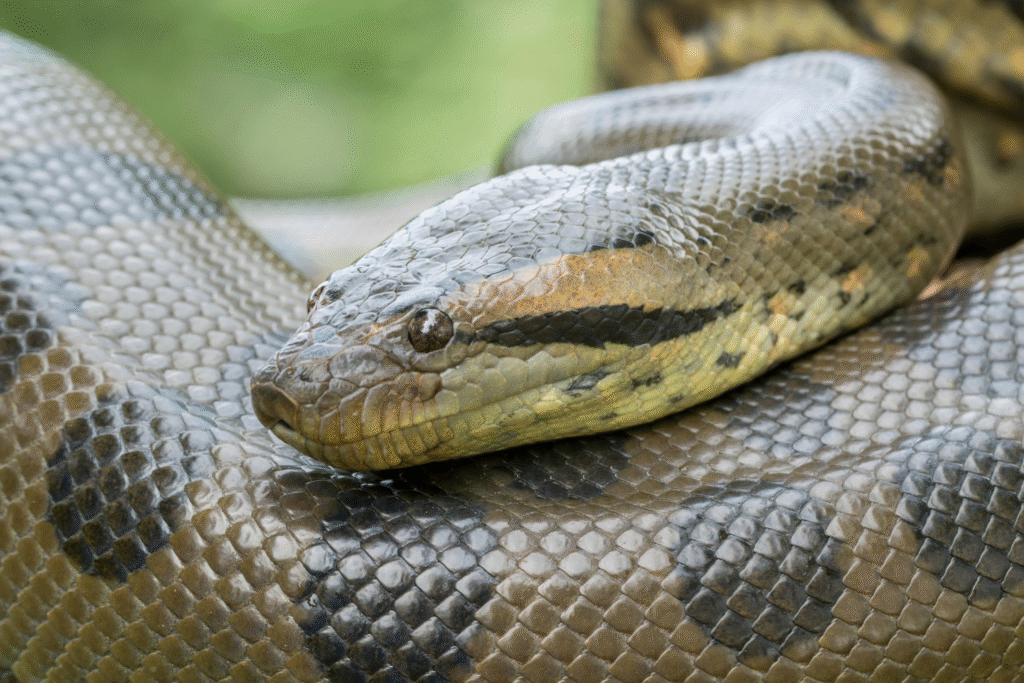
For generations, the green anaconda was seen as a single ruler of the Amazon’s rivers, immense, elusive, and already steeped in myth. That certainty is now unraveling. New genetic clues hint that what scientists thought was one species may not be one at all. The difference is not visible in size or strength. It is hidden deeper, written into DNA that few had closely examined until now. If confirmed, the discovery suggests the world’s largest snake has been misidentified for decades.
1.DNA hints at a 5.5 percent divide between north and south.
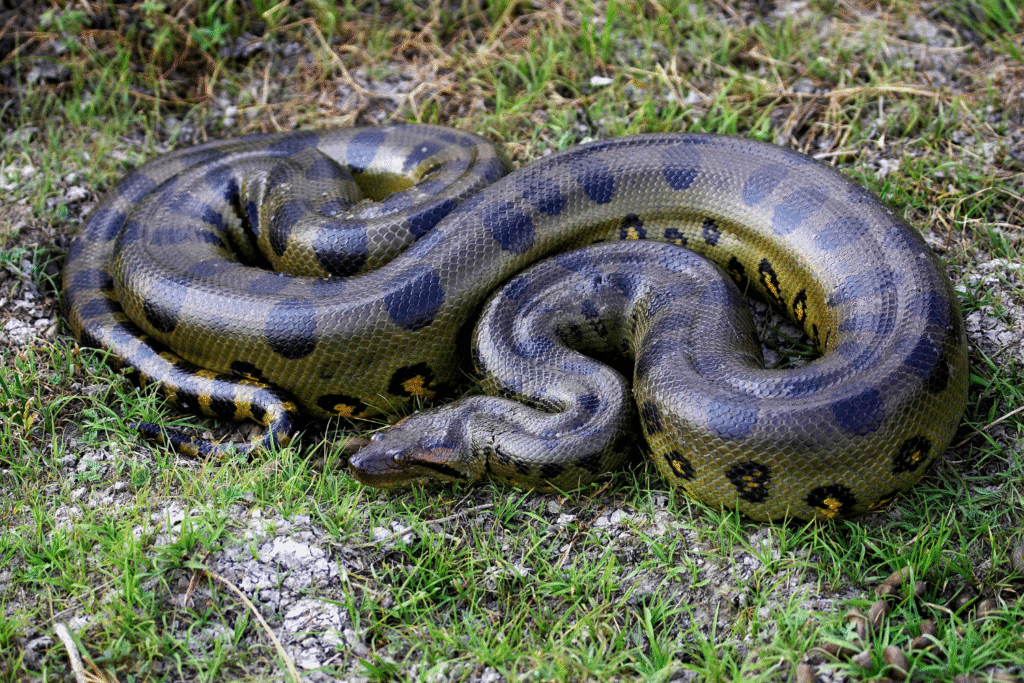
The numbers don’t lie, and these numbers are absolutely staggering when you consider what they mean for our understanding of biodiversity. According to research published in the journal MDPI Diversity, the genetic difference between northern and southern green anacondas reaches 5.5 percent, which sounds small until you realize that humans and chimpanzees differ by only about 2 percent. This level of genetic divergence represents millions of years of separate evolution happening right under our noses.
Scientists used cutting-edge DNA sequencing technology to analyze tissue samples collected from anacondas across nine different countries throughout South America. The genetic signatures told a story that no one expected – these weren’t regional variations of the same species, but rather two completely distinct evolutionary lineages that had been masquerading as identical twins for decades of scientific study.
2. Ten million years ago marked the splitting point for these massive serpents.
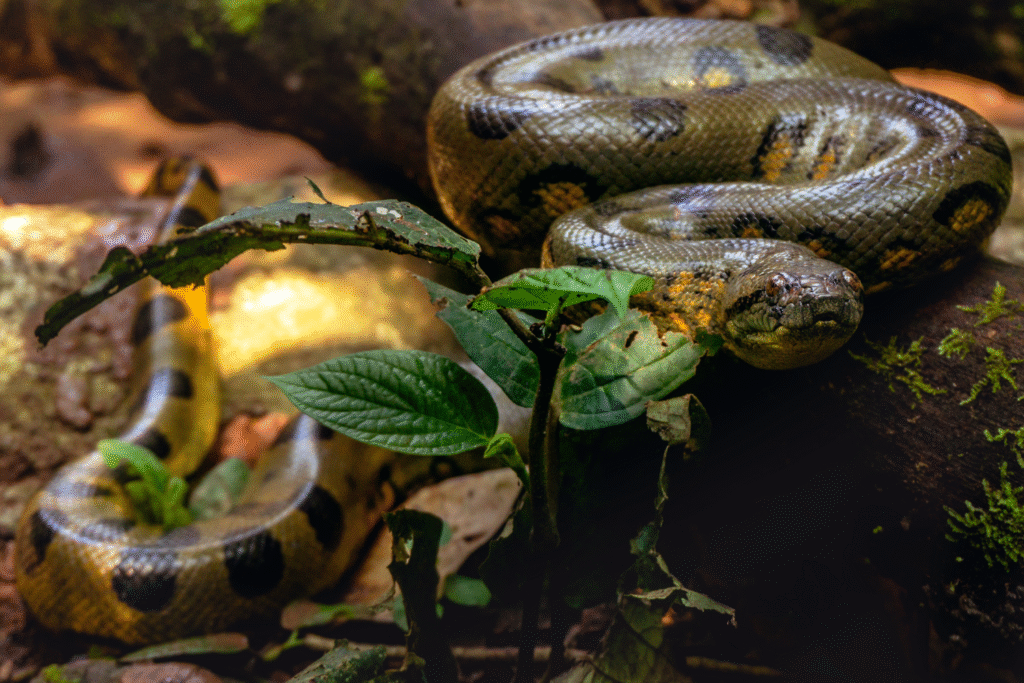
Molecular clock analysis pinpointed the exact moment in geological time when these two species went their separate evolutionary ways. The divergence occurred approximately 10 million years ago, coinciding with major geological upheavals that reshaped the South American continent as reported by researchers from the University of Queensland and New Mexico Highlands University. Continental drift, rising mountain ranges, and shifting river systems created the perfect conditions for population isolation.
During this ancient period, the ancestors of today’s anacondas found themselves separated by emerging geographical barriers that prevented interbreeding. Over millions of years, these isolated populations accumulated enough genetic changes to become distinct species, even though their physical appearance remained remarkably similar due to their shared aquatic lifestyle and similar environmental pressures.
3. Two separate ranges define the northern and southern species territories.
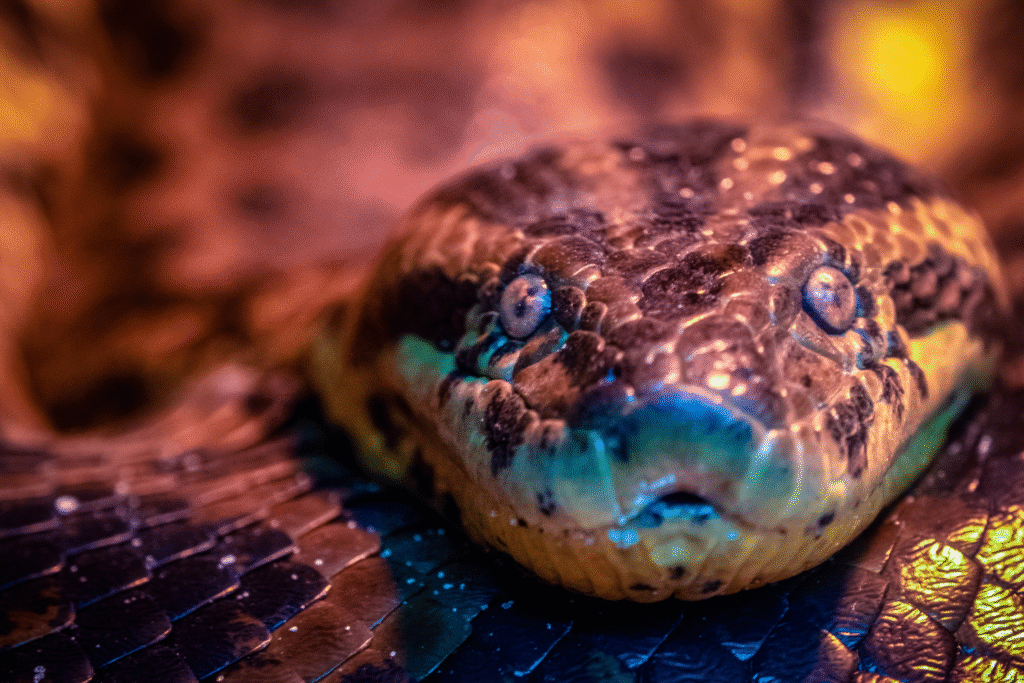
Geography tells the story of speciation better than any textbook explanation could manage. The Northern Green Anaconda claims territory across Ecuador, Colombia, Venezuela, Trinidad, Guyana, Suriname, and French Guiana, while its southern cousin inhabits Peru, Bolivia, French Guiana, and Brazil, as discovered by the international research team led by Dr. Jesús Rivas. French Guiana represents the fascinating overlap zone where both species can be found in different river systems.
This geographical distribution makes perfect sense when viewed through the lens of South American geological history. Ancient river systems and mountain formations created natural boundaries that kept these populations separated long enough for speciation to occur. The Amazon basin’s complex waterway network provided the perfect laboratory for evolutionary experimentation on a continental scale.
4. Physical differences remain virtually invisible to the human eye.
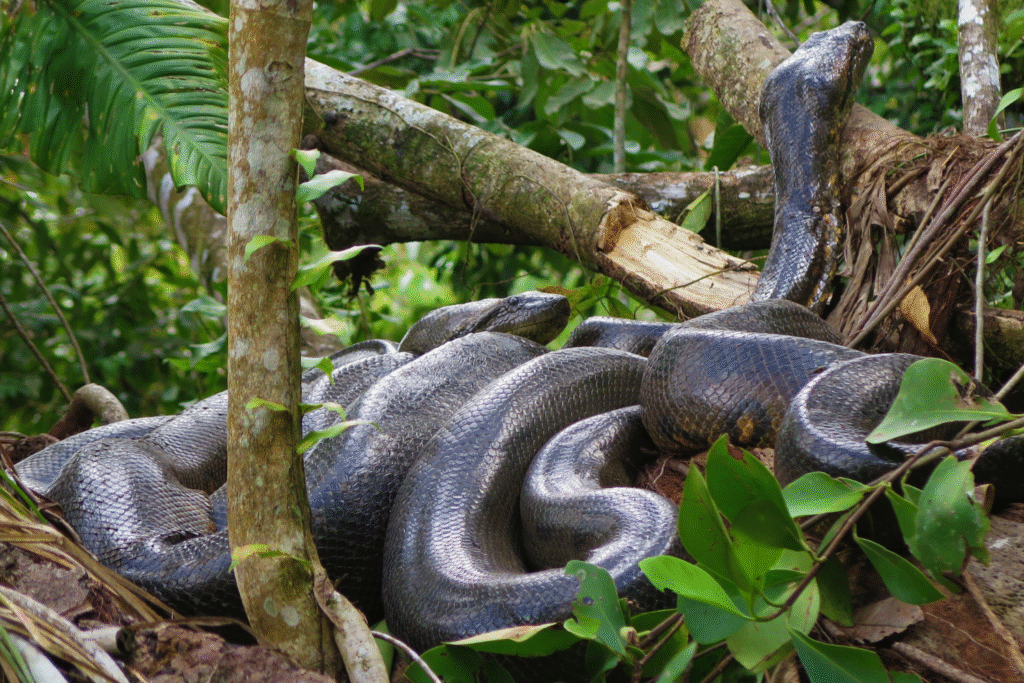
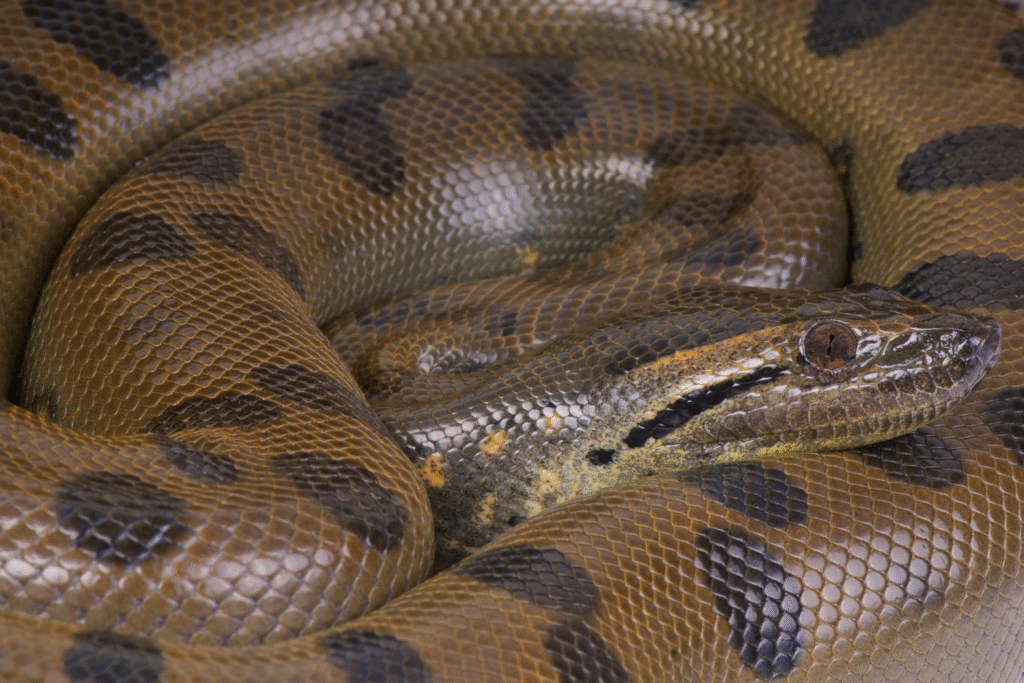
Even trained herpetologists struggle to distinguish between the two species when examining live specimens in the field. Both species share the same olive-green coloration with distinctive black spots, identical body proportions, and nearly indistinguishable scale patterns that have evolved for perfect camouflage in South American waterways. The similarities run so deep that museum collections worldwide will need to be re-examined and re-classified using genetic testing.
Subtle morphological differences do exist between the species, particularly in sexual size dimorphism patterns, but these variations fall well within the range that scientists previously attributed to individual or regional variation. Only sophisticated genetic analysis can definitively separate northern from southern specimens, highlighting how evolution sometimes creates perfect mimics that fool even expert observers.
5. Conservation implications change dramatically with species recognition.
The northern species faces significantly greater extinction risk due to its smaller geographic range compared to its southern relative. Conservationists now must develop separate protection strategies for each species, taking into account their unique ecological requirements and specific threats within their respective territories. Oil spills, deforestation, and climate change may affect each species differently based on their distinct habitats and population distributions.
Previously lumped together as a single “least concern” species by international conservation organizations, the Northern Green Anaconda now requires individual assessment and potentially upgraded protection status. This discovery demonstrates how hidden biodiversity can slip through conservation cracks when species boundaries aren’t properly understood, potentially leading to silent extinctions of unrecognized taxa.
6. Indigenous knowledge played a crucial role in the discovery process.
Local Waorani people in Ecuador had long insisted that their anacondas were the largest in the world and somehow different from those found elsewhere in South America. Their traditional ecological knowledge guided scientists to the right locations and provided cultural context that proved invaluable for understanding these magnificent predators. The species name “akayima” comes from Carib Indian language, meaning “The Great Snake.”
This collaboration between Western science and indigenous wisdom exemplifies how traditional knowledge can unlock scientific mysteries that elude conventional research approaches. The Waorani guides led researchers through remote waterways that would have been impossible to navigate without their expertise, ultimately enabling the tissue collection that made genetic analysis possible.
7. Modern technology finally solved an ancient evolutionary puzzle.

Advanced DNA sequencing techniques made this discovery possible in ways that earlier generations of scientists could never have imagined. Mitochondrial DNA analysis revealed the deep evolutionary history hidden within seemingly identical serpents, while molecular clock calculations provided precise timing for the speciation event. Sophisticated phylogenetic analysis software processed vast amounts of genetic data to construct evolutionary trees that told the true story of anaconda diversity.
Field researchers used GPS technology and digital databases to precisely map collection locations and coordinate international sampling efforts across multiple countries. Modern preservation techniques ensured that genetic material remained intact during transport from remote jungle locations to high-tech laboratories where the breakthrough analysis could be performed.
8. Future research will reshape our understanding of Neotropical biodiversity.

This discovery represents just the tip of the iceberg for hidden species diversity in South American ecosystems. Cryptic species – those that look identical but are genetically distinct – likely exist throughout the Amazon basin, waiting for modern genetic techniques to reveal their secrets. The anaconda revelation suggests that current biodiversity estimates for the region may be dramatically underestimating the true number of species present.
Scientists now plan to re-examine other wide-ranging South American reptiles using similar genetic approaches, potentially uncovering dozens of new species hiding in plain sight. The Northern Green Anaconda discovery proves that even the most studied and iconic animals can still surprise us, reminding us how much we still don’t know about life on our own planet.