
Beneath the fluff, their genetics tell very different stories.
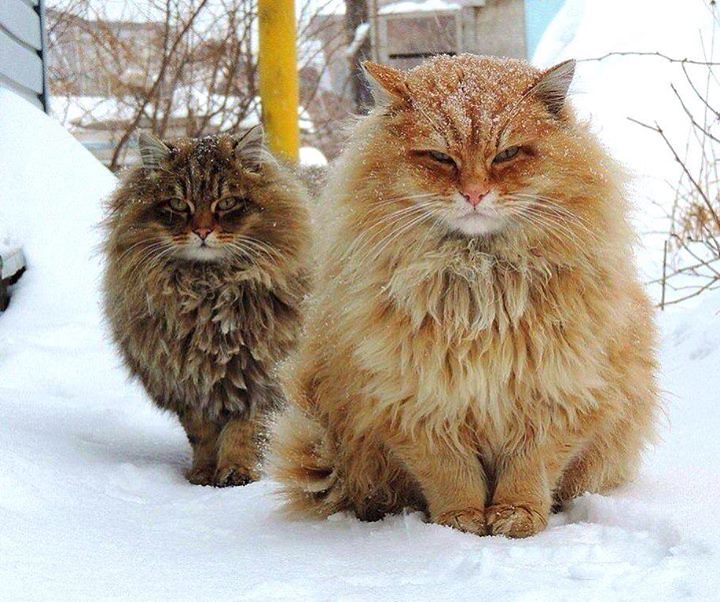
At first glance, the Siberian and the Maine Coon seem cut from the same luxurious cloth. Both are large, long haired, and built for cold climates, with faces that look almost sculpted for admiration. For many families, the decision comes down to personality, size, or reputation. But what rarely enters the conversation at the start is what lives beneath that thick coat.
These two breeds carry distinct genetic legacies that shape more than appearance. Certain inherited conditions appear more frequently in one than the other, influencing lifespan, vet bills, and long term care. The choice is not simply aesthetic. It is biological. And understanding those differences can change the decision entirely.
1. Maine Coons face higher heart disease risks.

Maine Coons carry a significantly higher genetic predisposition to hypertrophic cardiomyopathy (HCM), the most common form of heart disease in cats. Studies show that up to 34% of Maine Coons carry the genetic mutation (MYBPC3-A31P) associated with this condition, according to research published by the University of California Davis Veterinary Genetics Laboratory. The disease causes abnormal thickening of heart walls, which can lead to heart failure and sudden cardiac death.
Cats with two copies of the mutation face the highest risk, potentially developing moderate to severe cardiac disease that can cause sudden death by age 4 or younger. Even cats with one copy of the mutation are 1.8 times more likely to develop HCM than cats without the genetic abnormality. Regular cardiac screening through echocardiograms becomes essential for Maine Coon owners, especially as cats reach middle age.
2. Siberian cats carry Persian kidney disease genes.
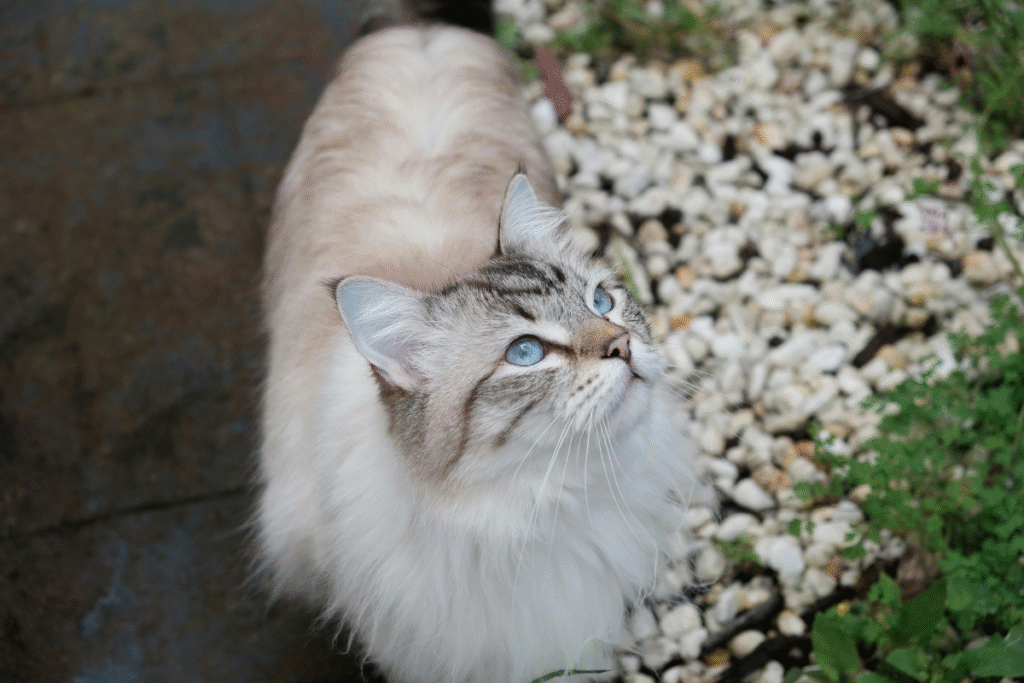
Polycystic kidney disease represents a serious concern for Siberian cats, particularly those descended from breeding lines that incorporated Persian cats to enhance coat density and facial features. Multiple fluid-filled cysts develop in the kidneys from birth, growing larger over time until they eventually overwhelm normal kidney function, as reported by Siberian Research Inc. The disease typically manifests symptoms around seven to ten years of age, though some cats may show signs earlier or later.
Unlike Maine Coon heart disease, PKD offers no treatment options beyond supportive care to slow progression. The autosomal dominant inheritance pattern means affected cats will always pass the genetic defect to their offspring, even when mated with healthy partners. Breeders estimate that PKD currently affects between 500 to 1000 Siberians worldwide, making genetic testing crucial for potential breeding animals.
3. Size differences create distinct orthopedic challenges.

Maine Coons face approximately a 20% chance of developing hip dysplasia due to their massive size, with males reaching up to 25 pounds, according to veterinary orthopedic studies. The condition occurs when the hip socket doesn’t fully cover the ball portion of the upper thighbone, resulting in joint instability and pain. Early signs include joint looseness and subtle lameness that cats often hide due to their stoic nature.
Siberians, being smaller and more compact at 8-17 pounds, experience fewer weight-related orthopedic issues but compensate with different physical stresses from their incredible jumping and climbing abilities. Their athletic nature puts different strains on joints and ligaments, though serious structural problems remain less common than in their larger Maine Coon cousins.
4. Grooming demands vary dramatically between breeds.
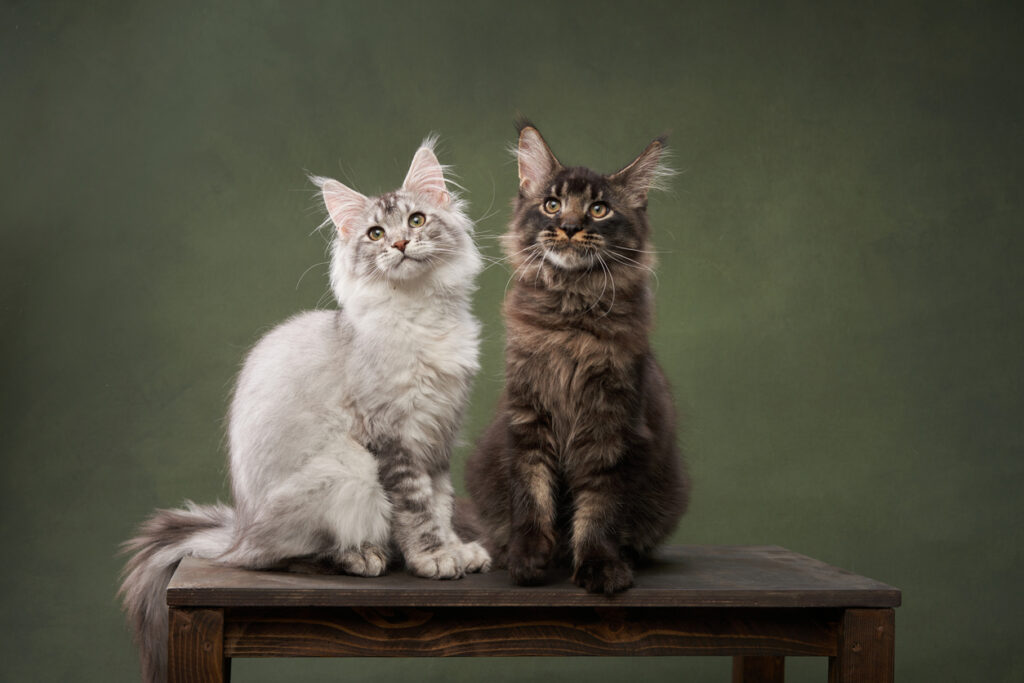
Maine Coons require brushing 2-3 times weekly due to their long, silky coats that mat easily, especially during seasonal shedding periods. Their single-layer coat structure makes maintenance somewhat manageable, though neglect quickly leads to painful mats that require professional removal. Daily brushing becomes necessary during spring and fall shedding seasons.
Siberians present more intensive grooming challenges with their water-resistant triple coat that traps dander close to the skin. Despite shorter individual hair length, the dense undercoat requires daily attention to prevent matting and reduce allergen buildup. Their coat crimping adds another layer of complexity, making thorough brushing sessions essential for maintaining coat health and preventing skin problems.
5. Lifespan expectations differ significantly between breeds.
Maine Coons typically live 10-15 years, with their larger size and higher incidence of genetic health conditions contributing to shorter lifespans. The prevalence of heart disease, hip dysplasia, and other breed-specific conditions often impacts quality of life in senior years. Responsible breeding and regular veterinary monitoring can help maximize their lifespan potential.
Siberians generally enjoy longer lives, often reaching 15-20 years when free from major genetic diseases. Their robust Russian origins and smaller gene pool diversity contribute to overall hardiness, though individual cats carrying PKD or HCM genes may experience reduced lifespans. The breed’s natural development in harsh Siberian climates seems to have selected for longevity and resilience.
6. Genetic testing requirements create different costs.
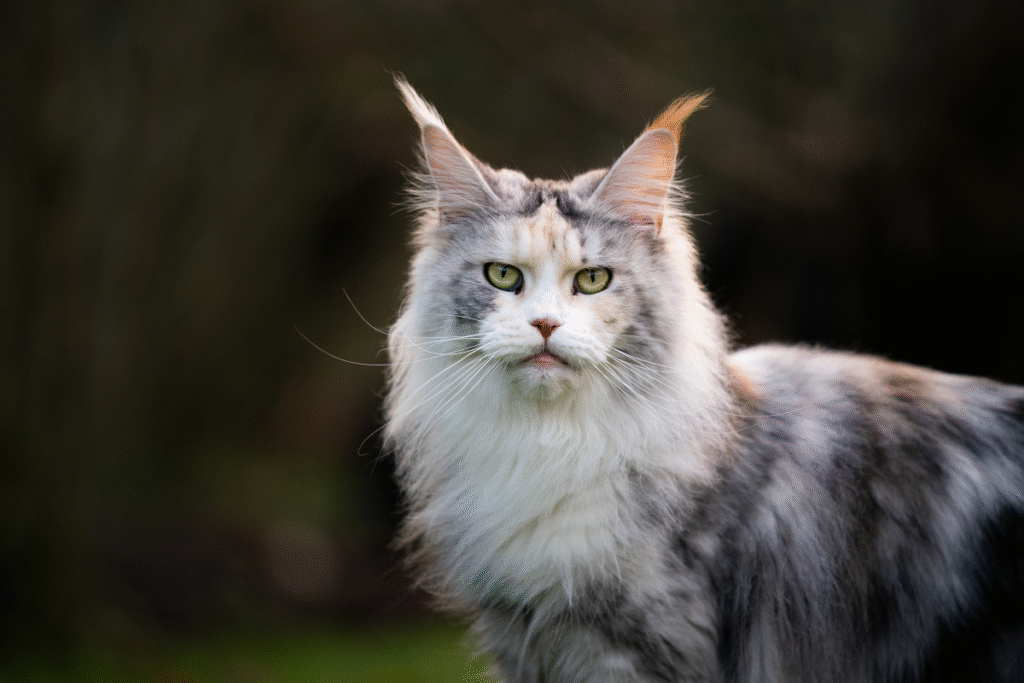
Maine Coon buyers should budget for mandatory HCM genetic testing plus annual echocardiograms starting around age 3-4, as negative genetic tests don’t guarantee freedom from all heart disease variants. Hip screening through radiographs adds another layer of preventive care costs. Reputable breeders provide genetic test results for both parents, but ongoing monitoring remains the owner’s responsibility.
Siberian cat ownership requires PKD genetic testing, though the Persian-derived test may not catch all variants affecting the breed. Ultrasound screening provides more comprehensive kidney evaluation but requires specialized veterinary equipment. Some Siberian lines need additional testing for different PKD variants that standard Persian tests miss, creating uncertainty about true genetic status.
7. Breeding program quality varies dramatically.
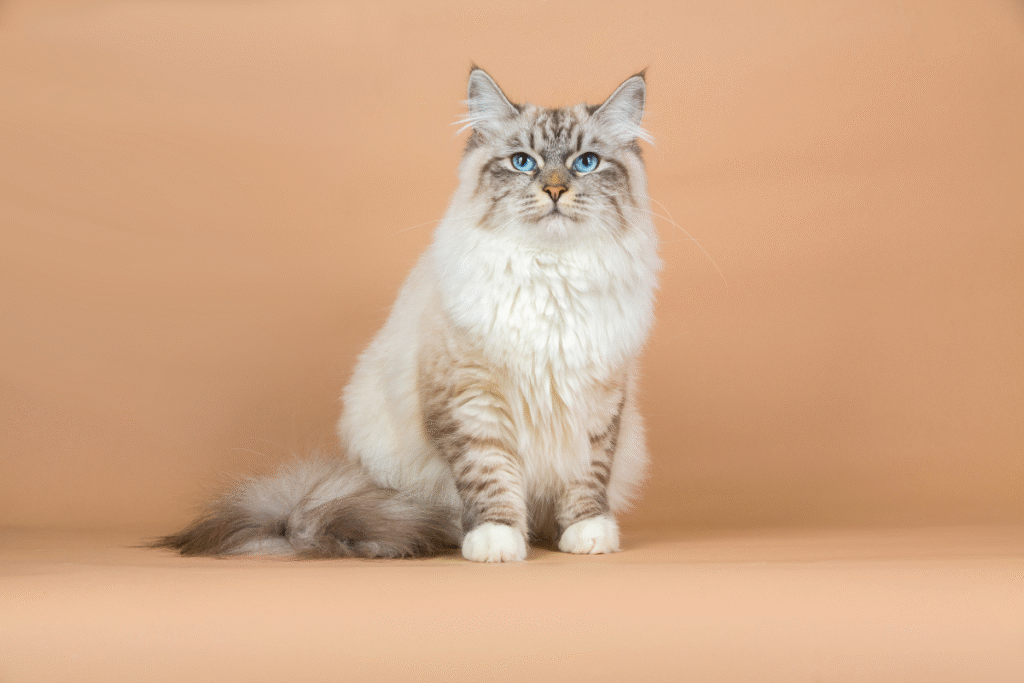
Maine Coon breeding programs have become highly sophisticated, with established protocols for cardiac screening and genetic testing that help eliminate affected breeding animals. The breed’s popularity has attracted both excellent and questionable breeders, making research crucial for prospective owners. Established health testing programs through organizations like OFA provide transparency in breeding decisions.
Siberian breeding faces challenges from the breed’s relative rarity and complex genetic heritage. Some breeders lack access to comprehensive health testing, while others deliberately obscure problematic bloodlines in pedigrees. The breed’s recent development means fewer generations of health data exist compared to Maine Coons, making breeding decisions more difficult and risky.
8. Environmental adaptability affects long-term care.

Maine Coons prefer stable indoor temperatures and can struggle with extreme heat due to their dense coats, potentially exacerbating heart conditions during hot weather. Their laid-back nature makes them excellent indoor cats, though they may attempt escapes during comfortable weather. Temperature regulation becomes crucial for cats with cardiac issues.
Siberians handle temperature extremes better due to their triple coat and hardy genetics, making them more adaptable to various living situations. Their higher activity levels and climbing instincts require more environmental enrichment to prevent behavioral problems. Their water-resistant coat makes them less susceptible to weather-related stress but requires more intensive grooming maintenance.
9. Early warning signs differ between breeds.
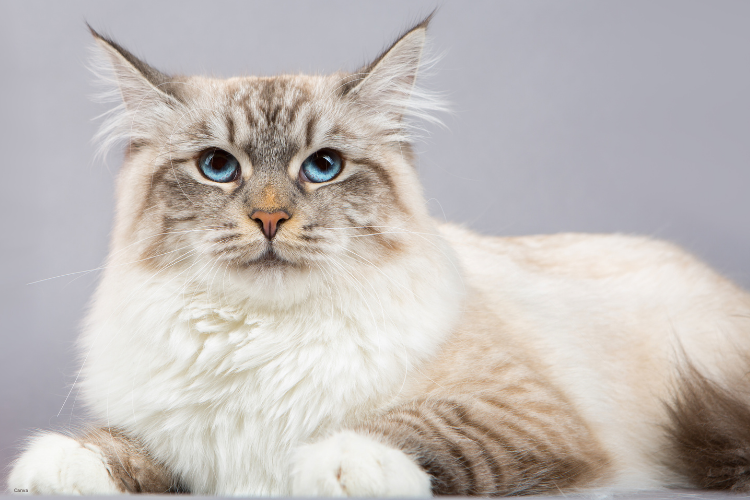
Maine Coon heart disease often presents subtly, with many cats showing no symptoms until advanced stages when heart murmurs become detectable during routine exams. Sudden onset breathing difficulties, lethargy, or loss of appetite warrant immediate veterinary attention. Some cats experience sudden death without prior warning signs, making preventive screening essential.
Siberian kidney disease progression typically allows more time for intervention, with increased drinking and urination serving as early warning signs around middle age. Weight loss, decreased appetite, and general lethargy develop gradually as kidney function declines. The slower progression gives owners more opportunity to provide supportive care and maintain quality of life.
10. Insurance considerations reflect breed-specific risks.
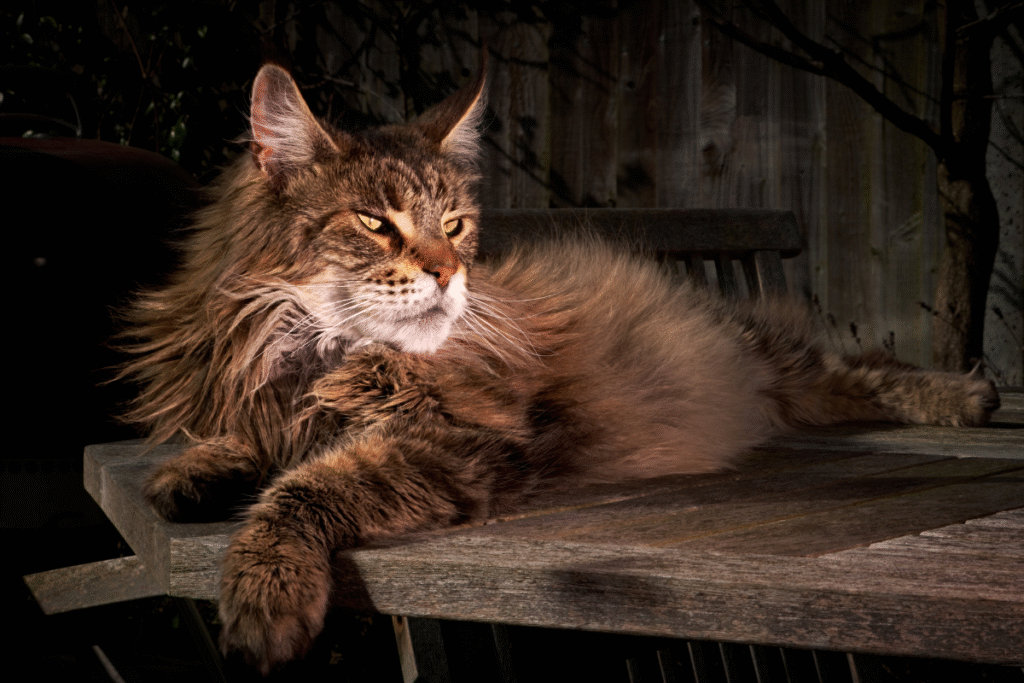
Pet insurance companies often charge higher premiums for Maine Coons due to documented genetic health issues, particularly cardiac conditions requiring expensive diagnostic procedures and treatments. Some insurers exclude pre-existing heart conditions or require cardiac clearances before coverage begins. Lifetime care costs for HCM can reach thousands of dollars annually.
Siberian cat insurance typically costs less initially, though PKD diagnosis can trigger coverage exclusions for kidney-related treatments. The breed’s overall hardiness and longer lifespan may offset higher lifetime premiums, but catastrophic kidney disease treatment costs can still reach significant amounts. Early genetic testing helps establish baseline health status for insurance purposes.