
A fracture deep inside the ice is changing the story.
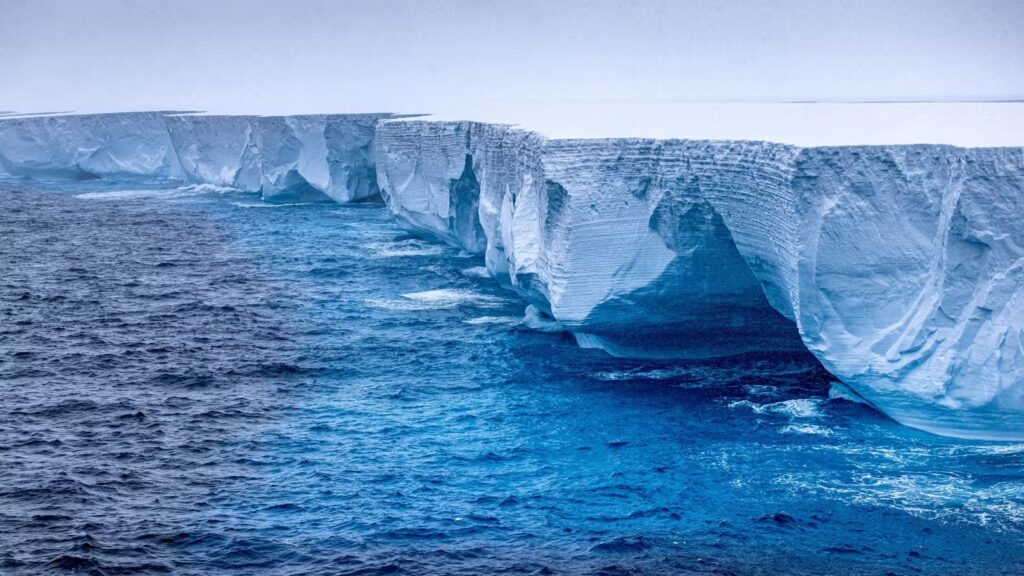
For decades, the iceberg drifted at the edge of Antarctica as a fixture of the southern ocean, immense, slow, and largely unchanged. Scientists tracked it as part of the background, something to measure rather than worry about. That posture has shifted. Recent satellite images show a fracture cutting deeper than expected, extending beyond the surface into parts of the ice rarely exposed.
The change is not dramatic, but it is persistent, and that is what draws attention. Icebergs of this scale tend to move only after long forces build beneath them. What those forces are, and how far they have progressed, is now the question guiding new observations.
1. It has shattered into pieces larger than entire cities.
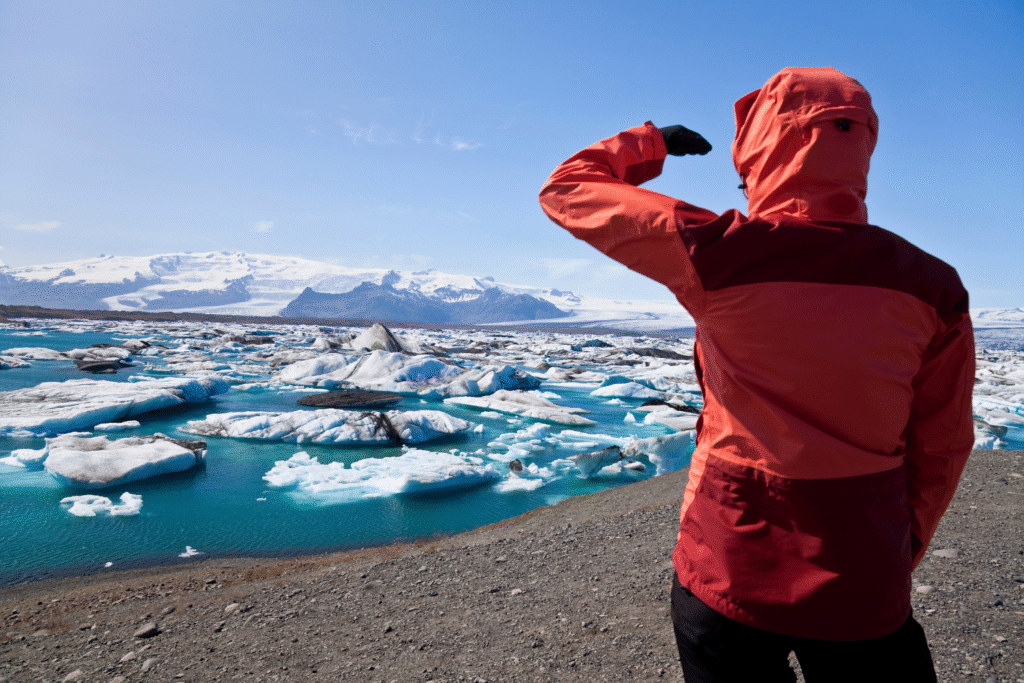
The world’s former largest iceberg, A23a, is undergoing a dramatic breakup that scientists say is unusually fast. In recent weeks, fragments as large as 400 square kilometers, about the size of Philadelphia, have calved from the main body, according to the British Antarctic Survey. Each piece is large enough to be tracked as its own iceberg.
Oceanographer Andrew Meijers says strong currents near South Georgia Island are driving the damage, striking hidden weaknesses in the ice. Once spanning 3,672 square kilometers, A23a has shrunk to roughly 1,700, a rapid transformation over just months that continues to surprise researchers monitoring conditions.
2. D15a has officially claimed the title of world’s largest iceberg.
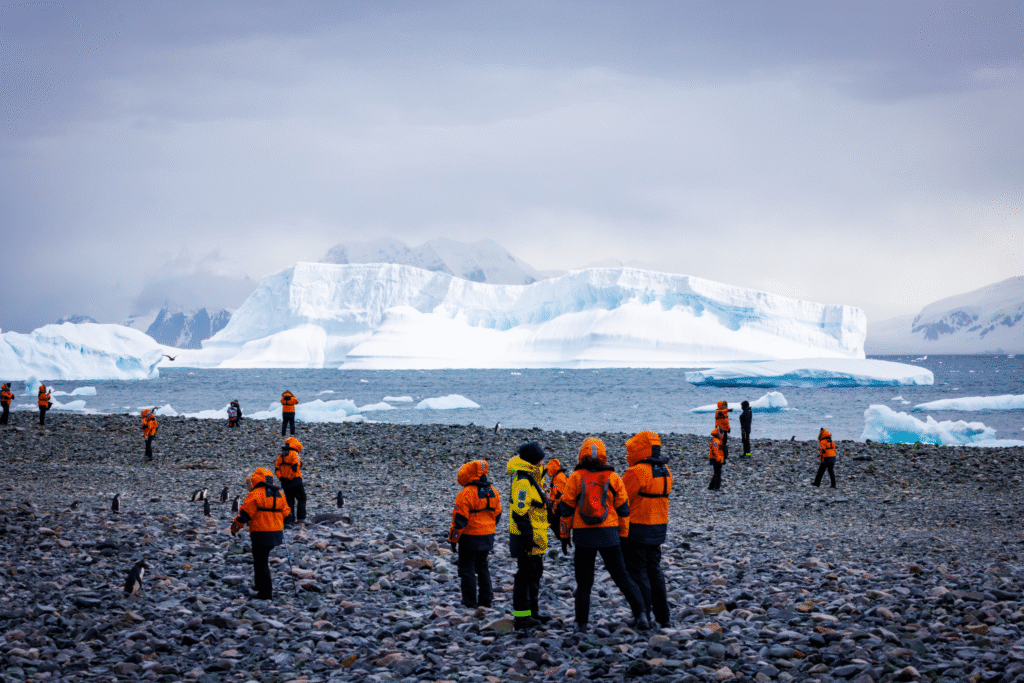
As A23a rapidly disintegrates, a new giant has taken its place. D15a, spanning roughly 3,000 square kilometers near Australia’s Davis research station, is now the largest iceberg on Earth. Unlike A23a’s long, destructive drift across open ocean, D15a remains grounded along the Antarctic coast, largely stationary and intact.
According to the British Antarctic Survey, this shift marks more than a change in rankings. D15a’s stability gives scientists a rare counterpoint, a massive iceberg that stays put rather than traveling thousands of miles. Its stillness offers a chance to observe how grounded icebergs shape surrounding marine systems over long periods.
3. Scientists discovered disturbing evidence of ecosystem disruption around the breakup zone.
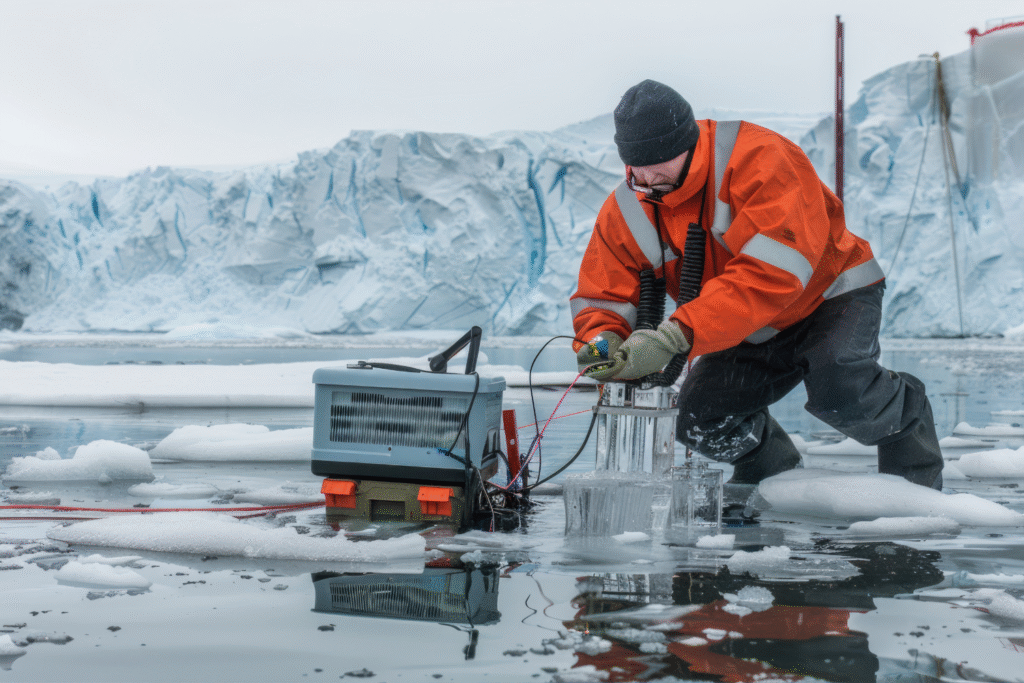
Research teams aboard the RRS Sir David Attenborough collected water samples as A23a grounded near South Georgia Island, revealing early signs of widespread environmental change. The sudden release of cold freshwater appears to have altered local ocean chemistry and temperature layers, with potential consequences for marine life ranging from plankton to whales. Such shifts can cascade through food webs, affecting feeding behavior and breeding timing in species adapted to stable conditions.
The grounding also stirred seafloor sediments, injecting nutrients and particulates into the water column, according to the British Antarctic Survey. While this influx may benefit some organisms, the speed and scale of disruption could strain ecosystems built on predictability. Ongoing lab analysis aims to determine whether these effects are short lived or longer lasting.
4. Warmer ocean temperatures accelerated the breakup beyond scientific predictions.

A23a’s rapid disintegration caught researchers off guard with its speed and intensity. The iceberg encountered water temperatures well above freezing as it drifted northward, creating conditions that weakened its structural integrity far faster than historical models suggested. Ocean currents around South Georgia Island, known for their strength and persistence, subjected the massive ice block to mechanical stresses that exploited existing fractures and created new ones.
The warming waters didn’t just melt the iceberg from the outside—they penetrated deep into its structure, creating internal weakness zones that made catastrophic failure inevitable. This process illustrates how rising ocean temperatures in polar regions can trigger sudden, dramatic changes rather than the gradual melting that many people envision when thinking about climate impacts on ice.
5. Massive icebergs may become navigation hazards as they fragment unpredictably.
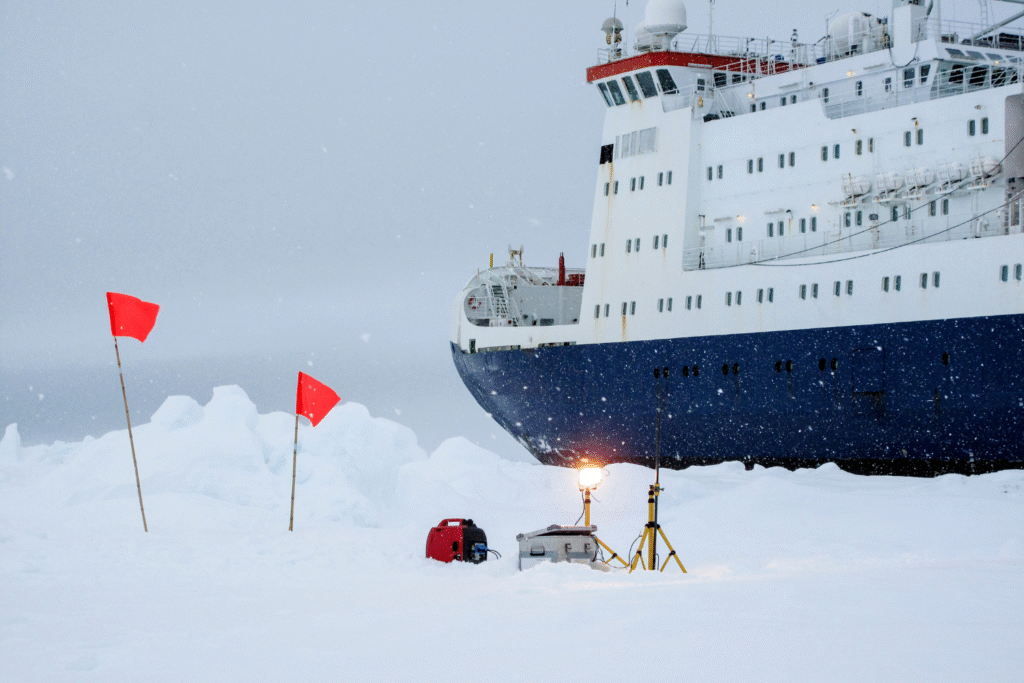
The breakup of A23a has created a debris field of smaller icebergs that pose significant challenges for ships navigating the treacherous Southern Ocean. While tracking one massive iceberg is relatively straightforward with satellite technology, monitoring dozens of smaller fragments scattered across hundreds of square kilometers becomes exponentially more difficult. Many of these fragments remain large enough to damage or sink vessels, yet small enough to evade consistent radar detection.
Maritime authorities now face the complex task of updating navigation charts and issuing warnings for an ever-changing field of ice hazards. The Southern Ocean is already considered one of the world’s most challenging waterways, and the addition of unpredictable iceberg debris makes an already dangerous region even more treacherous for the research vessels, fishing boats, and cargo ships that must traverse these waters.
6. The iceberg’s demise reveals alarming patterns of Antarctic ice loss.
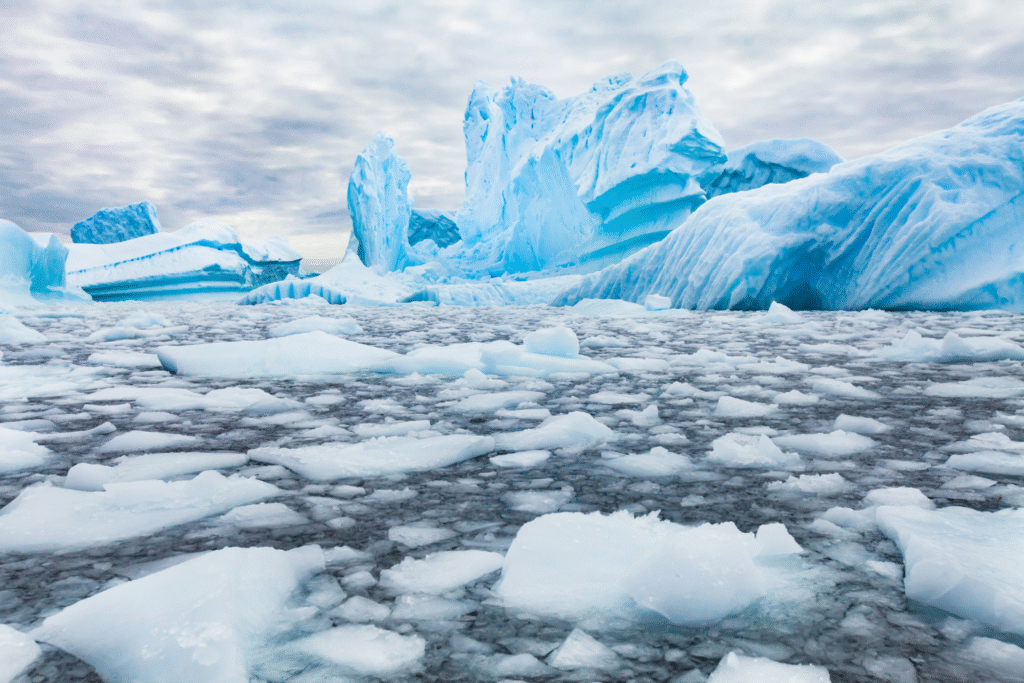
A23a’s journey and ultimate destruction provide scientists with a detailed case study of how massive ice structures behave as they encounter changing oceanic conditions. The iceberg’s 39-year lifespan offers insights into the processes that govern ice shelf stability and the factors that determine how long these frozen giants can survive once they break away from their parent ice sheets. Understanding these patterns becomes crucial as Antarctic ice shelves continue losing mass at unprecedented rates.
The data collected during A23a’s final months will help researchers refine models for predicting the behavior of future mega-icebergs. With ice shelves across Antarctica showing signs of instability, scientists need better tools for forecasting when and how these massive ice structures will break apart, where they’ll drift, and what impacts they’ll have on marine ecosystems and human activities.
7. Climate change connections emerge through the iceberg’s unusual 40-year journey.
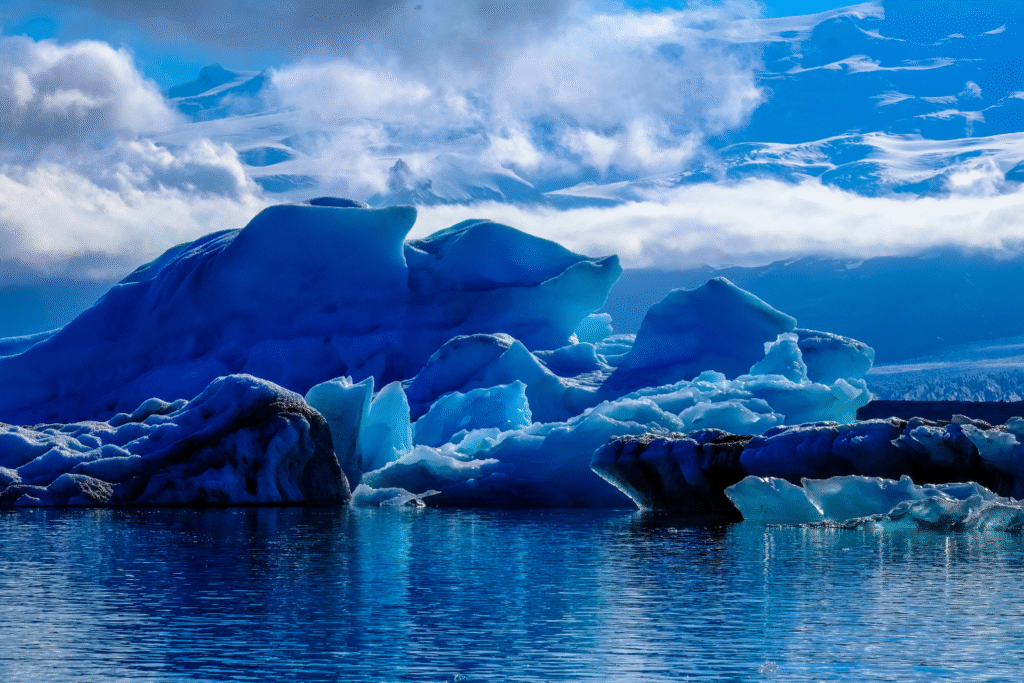
While iceberg calving represents a natural process that has occurred for millennia, A23a’s story unfolds against the backdrop of accelerating climate change in Antarctica. The iceberg’s initial 30-year grounding period, followed by its eventual release and dramatic northward journey, may reflect changing ocean currents and temperatures that alter how these ice giants interact with their environment. Scientists note that ice shelves have lost trillions of tons of ice in recent decades, much of it due to warming ocean water.
The fact that A23a survived for nearly four decades before encountering conditions that led to its rapid destruction highlights how even seemingly stable ice features can reach critical tipping points. As polar regions continue warming, the behavior patterns observed in A23a’s final chapter may become increasingly common, suggesting that the era of long-lived mega-icebergs could be drawing to a close in favor of more frequent but shorter-lived ice breakup events.
8. Future mega-icebergs face an increasingly hostile oceanic environment.
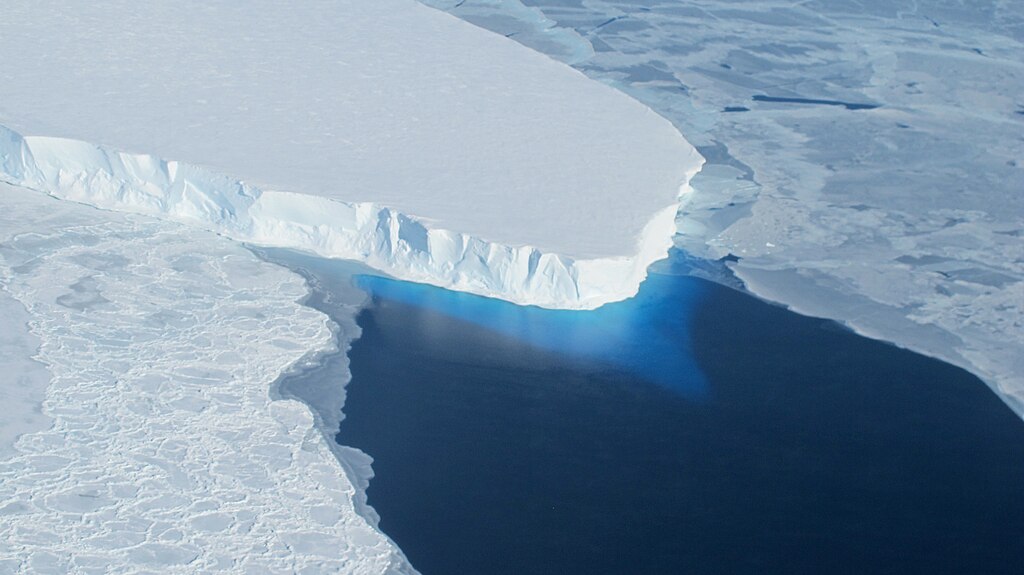
A23a’s spectacular demise serves as a preview of what awaits the next generation of Antarctic giants. Ocean waters around the continent are warming, opening corridors that expose large icebergs to heat and stress sooner than in the past. At the same time, major current systems are growing more erratic, pushing ice through harsher routes that increase cracking, flexing, and breakup.
Conditions that once allowed massive icebergs to endure for decades may be fading. Higher sea temperatures, shifting currents, and stronger storms now form a gauntlet few ice masses can survive for long. As a result, future mega icebergs may move from birth to destruction far faster, reshaping how they influence polar ecosystems and global ocean circulation.