
What you think is love may actually be stress signals.
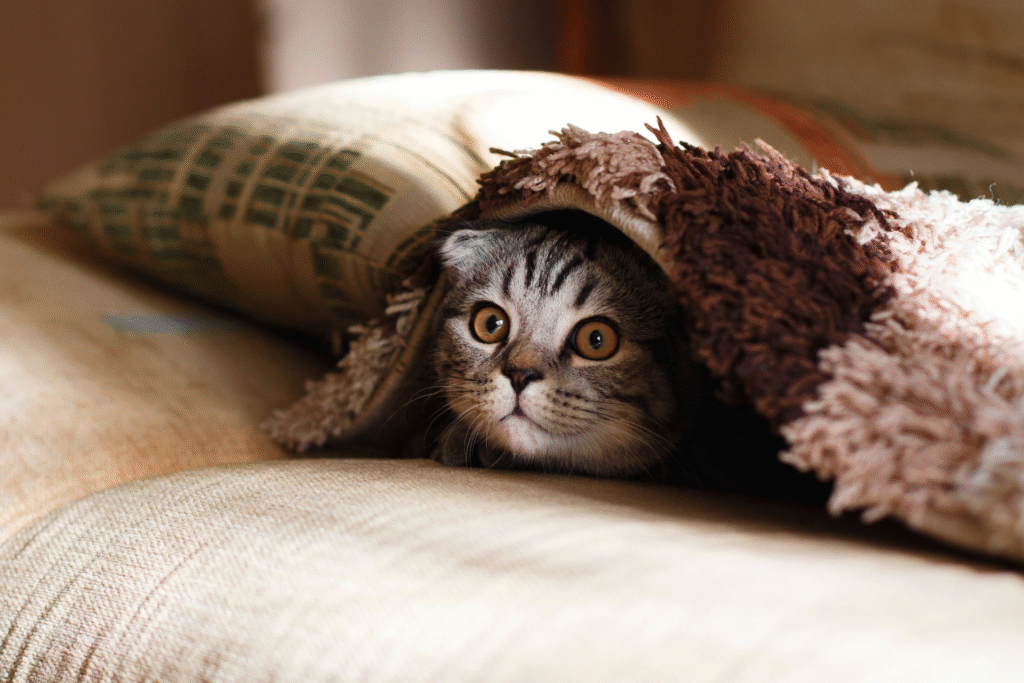
Cats might live in our homes, but it doesn’t mean we fully understand them. A new study suggests many owners misinterpret their cats’ behavior, often confusing stress, anxiety, or discomfort for affection or play. That gap in understanding creates misunderstandings that can ripple through the relationship.
The research highlights just how often owners get it wrong, from tail flicks to purring. Misreading these signals can affect a cat’s health and happiness while leaving owners puzzled about why their “sweet” cat suddenly lashes out. The truth is in the details—and the details are often subtle.
1. Purring is not always a sign of happiness.
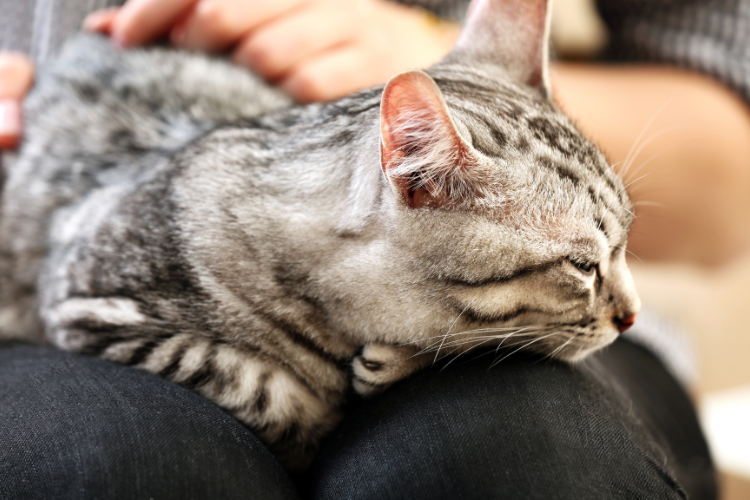
Most people think of purring as a cozy, feel-good sound, but it can also mean pain or stress. According to the Journal of Veterinary Behavior, cats sometimes purr when injured or anxious, using the vibration as a form of self-soothing. That means the same sound that signals relaxation can also be a cry for comfort.
Owners often miss this nuance, brushing off purring during vet visits as bravery rather than unease. The tricky part is context—where the cat is, how it’s moving, and what else its body language says. Recognizing that distinction turns background noise into an emotional signal that’s impossible to ignore.
2. A slow blink isn’t always the invitation you think it is.
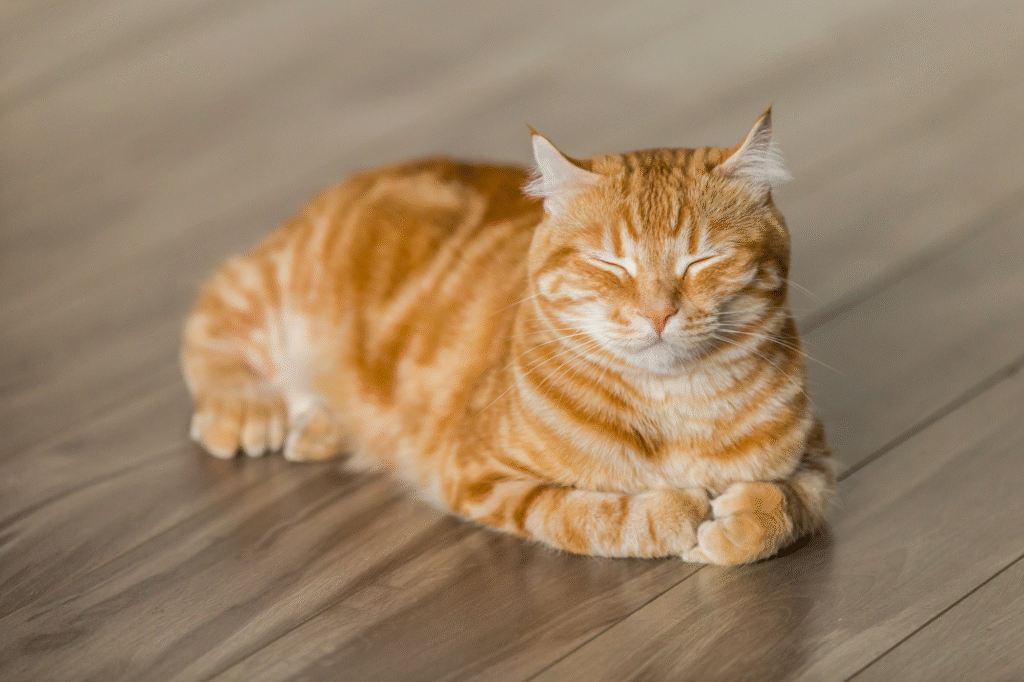
Many owners love to interpret slow blinking as a sign of trust. While it often is, it can also mean fatigue or an attempt to disengage from eye contact. As stated by Scientific American, cats use blinking both as a friendly signal and as a subtle way to avoid perceived confrontation.
This dual meaning makes the blink easy to over-romanticize. It’s charming to believe every flutter of the eyelids is affection, but sometimes it’s simply avoidance. Watching what your cat does next—settling down or walking away—makes all the difference in decoding it correctly.
3. The belly-up pose is not always an invitation to pet.

A cat rolling onto its back looks like an open gesture of trust. Yet as reported by National Geographic, exposing the belly is more about vulnerability than invitation. Many cats dislike belly rubs, even though they flash their stomachs in what looks like permission.
This misstep leads to scratched hands and confused owners. The belly show is more a defensive or stretching posture than a request for touch. Understanding that difference means fewer painful lessons and a better appreciation for the subtlety of feline trust signals.
4. A twitching tail can mean irritation, not play.
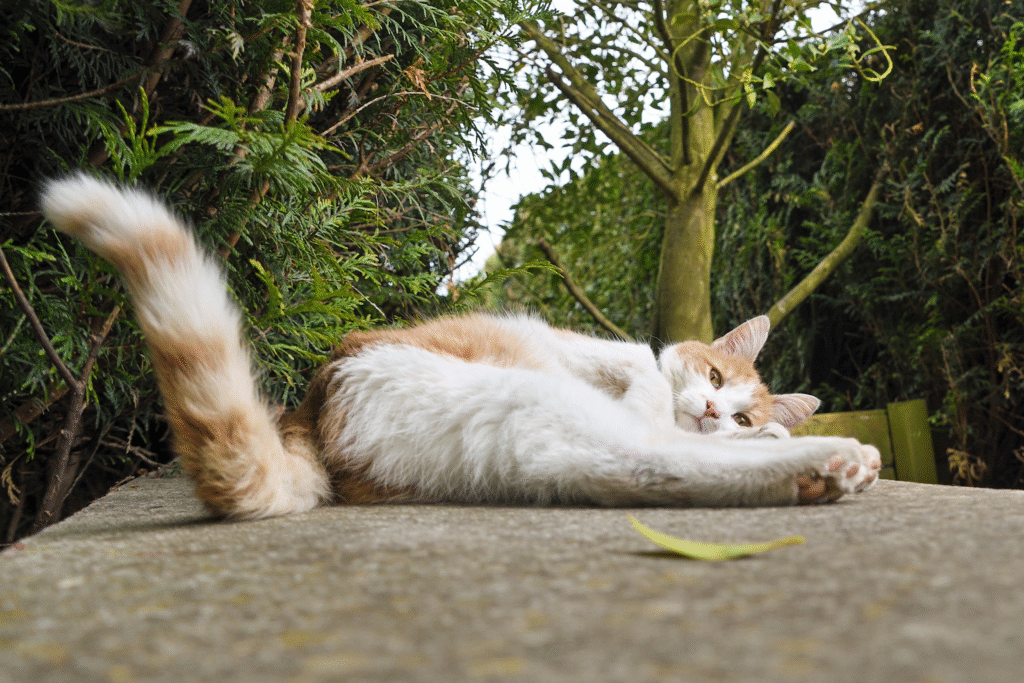
People often mistake tail flicks for playful energy, but cats usually flick their tails when agitated. Rapid, sharp movements suggest annoyance or overstimulation. Petting during these moments often leads to swats or bites, which seem to come “out of nowhere” when in fact the warning was clear.
The tail is one of the most honest storytellers a cat has. Treat it as a gauge for mood rather than a toy, and interactions instantly improve. Respecting those signals helps prevent confusion on both sides of the relationship.
5. Kneading is not always a sign of pure comfort.
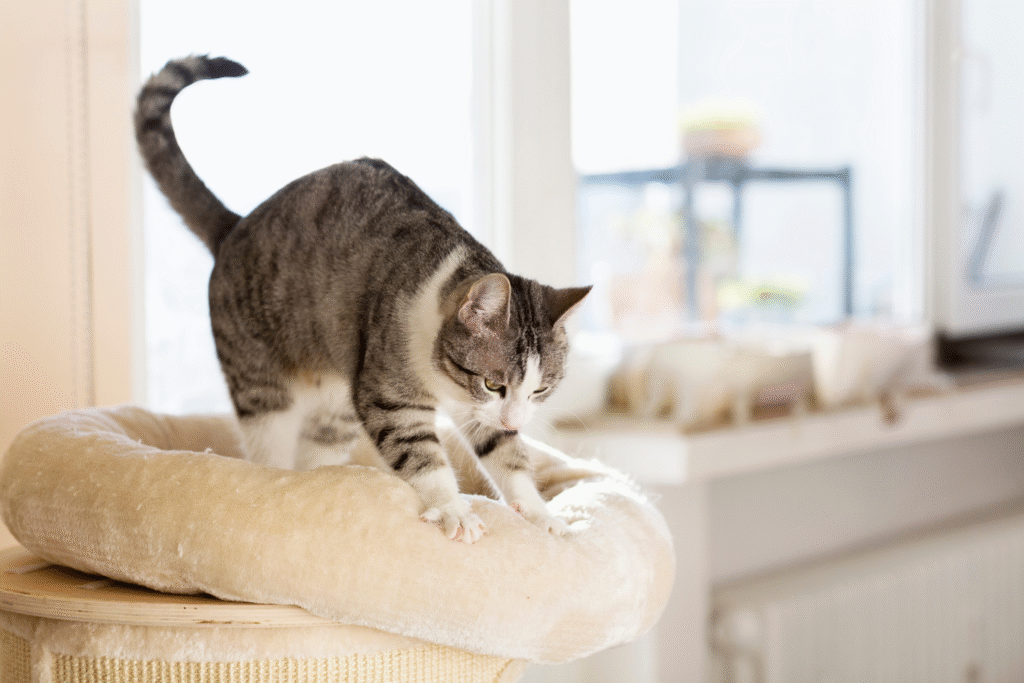
Cats push their paws rhythmically against blankets, people, or furniture, often interpreted as a happy kitten-like behavior. While it does link to comfort, kneading can also signal territorial marking, since glands in their paws release scent. That means your cat isn’t just “making biscuits”—it’s staking a claim.
Owners often miss this layer, assuming it’s all about affection. Knowing it’s part of scent-marking behavior makes the act less cutesy and more about communication. It’s a reminder that cats blend instinct and affection in ways that don’t fit human categories neatly.
6. Head butts are not always affection alone.
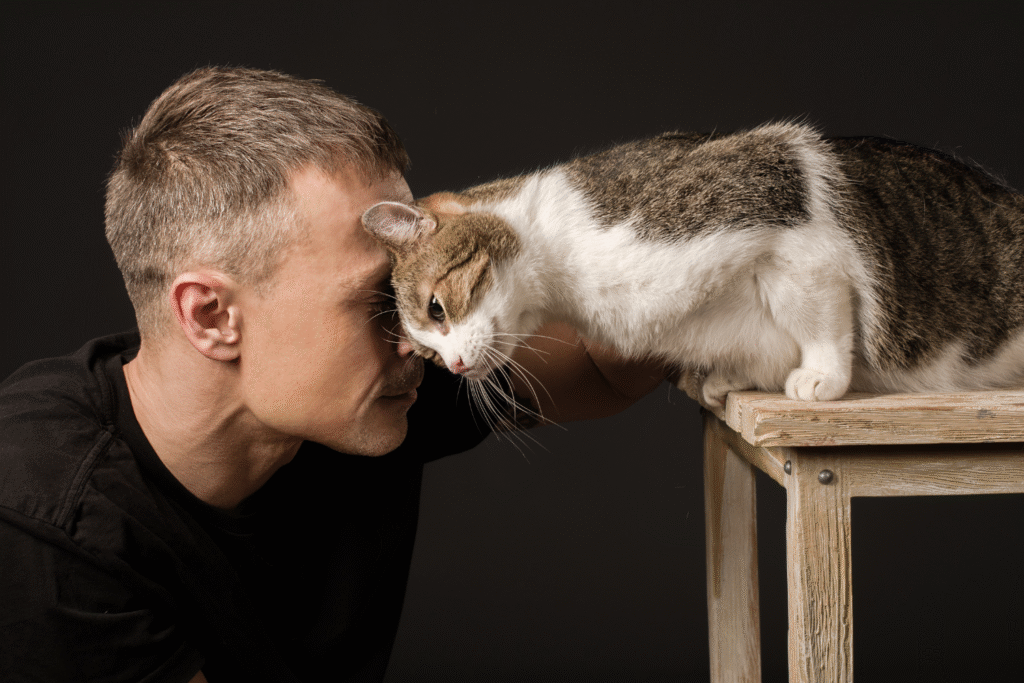
The gentle bump of a cat’s head feels like love, and often it is. But it’s also a functional behavior tied to scent marking. Cats deposit pheromones from glands in their faces to create a familiar environment. What feels like a kiss doubles as a way of claiming territory.
The act can carry warmth but isn’t purely emotional. It’s both an affectionate greeting and a biological tactic. Understanding both elements makes the head bump even richer—it’s love wrapped in survival instinct.
7. Meowing is more manipulative than many assume.
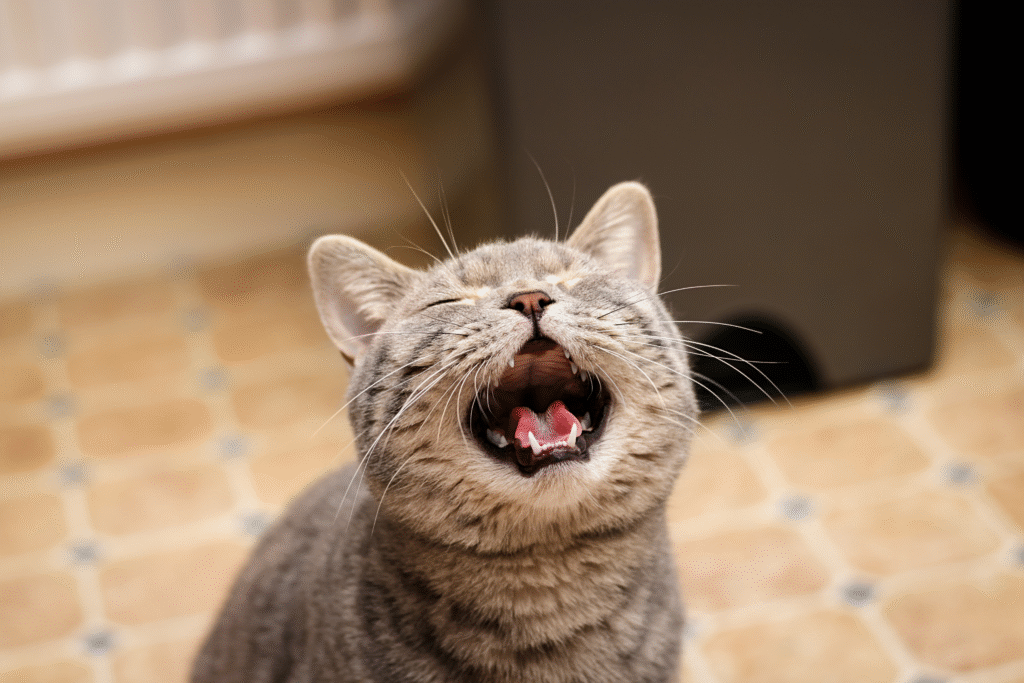
Adult cats rarely meow at each other. They save it for humans, bending tone and pitch to get attention, food, or comfort. The sound isn’t random—it’s tailored. Cats learn what works on their specific owner and refine it.
That makes meowing less of a universal language and more of a personal code. Thinking of it only as a “conversation” misses the strategy behind it. Cats are clever negotiators, and the meow is their bargaining chip.
8. Grooming can signal anxiety just as much as calm.
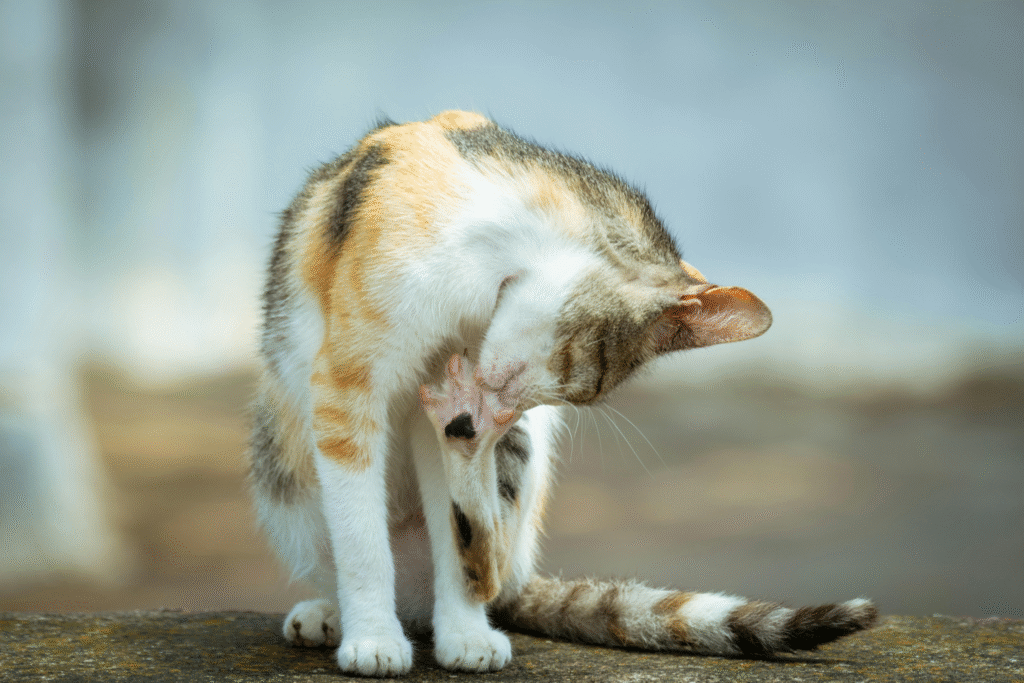
Cats licking themselves can look like a peaceful ritual, but over-grooming is often a sign of stress. Bald patches, irritated skin, or constant licking suggest something more troubling than hygiene. Stress triggers grooming as a coping mechanism, much like humans bite nails or fidget.
Misreading grooming as contentment hides the root problem. Once noticed, it becomes a crucial clue for veterinarians or behaviorists. What looks like calm on the outside can mask stormy feelings beneath the fur.
9. Following you from room to room is not always about love.
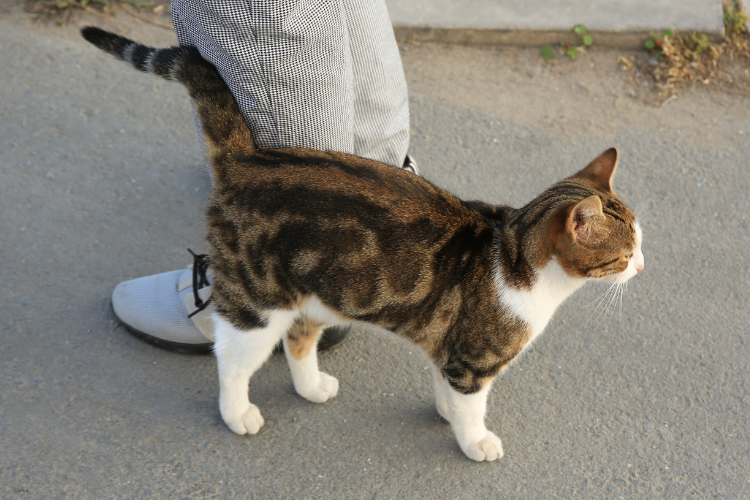
Cats that trail their humans often seem deeply attached, but sometimes the behavior signals insecurity. The movement reflects dependence rather than affection, a way of ensuring stability in their environment. That subtlety often goes unnoticed by owners flattered by the attention.
When following crosses into clinginess, it’s worth considering whether stress is behind it. What feels flattering may actually reveal anxiety. Recognizing that possibility helps owners give support rather than only praise.
10. Stillness can be a louder message than noise.

A silent, motionless cat is often overlooked because it isn’t disruptive. Yet stillness can signal withdrawal, sickness, or stress. Unlike the obvious warning signs—hissing, growling, swatting—quiet withdrawal is easy to miss until the problem grows.
That calm exterior may mask discomfort needing attention. Owners who learn to see silence as communication as powerful as meowing or purring are less likely to overlook warning signs. Sometimes the loudest messages from cats come without a sound.