
A species once written off has clawed its way back onto the landscape.
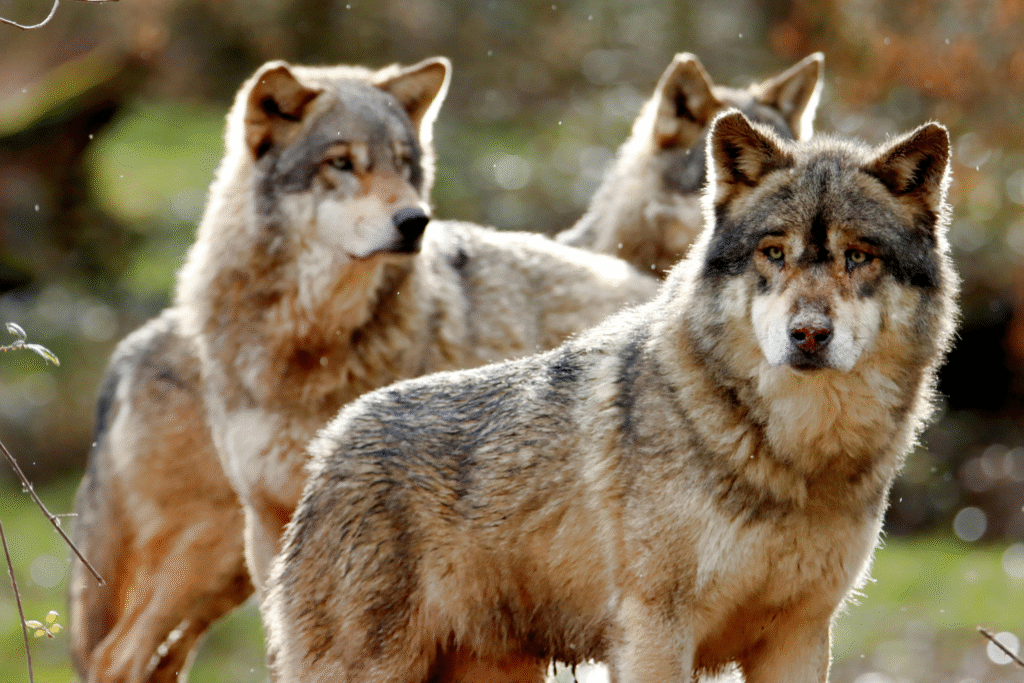
Fifty years ago, gray wolves were nearly gone from Wisconsin. Hunted relentlessly and driven from their habitat, the population plummeted to the point where biologists wondered if they would ever return. What seemed like the closing chapter of a story instead became the beginning of an unlikely comeback.
Now, an estimated 1,200 wolves roam the state. Their return has reshaped ecosystems, rekindled cultural debates, and forced communities to wrestle with what it means to live alongside a predator that refuses to disappear. The wolves are back, and their survival is reshaping the state’s identity.
1. The wolves’ collapse was nearly complete.
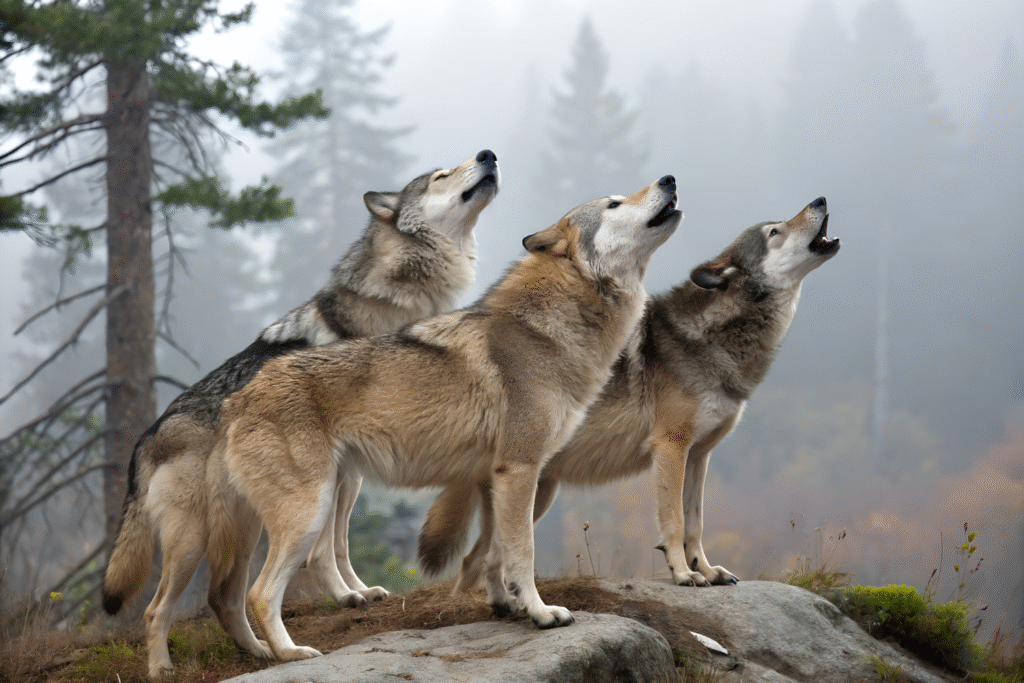
In the early 20th century, gray wolves were targeted by bounty programs across Wisconsin. By the 1960s, only a handful remained, mostly crossing the border from Minnesota. State records confirm the population had dwindled to fewer than 25 individuals, effectively making them functionally extinct in Wisconsin.
That low point set the stage for federal intervention. When the Endangered Species Act was passed in 1973, wolves became one of its earliest beneficiaries. For a species that had been reduced to shadows, the law offered breathing room. The stage was set for recovery, though no one could predict how far it would go, reported by the Wisconsin DNR.
2. Federal protections changed the trajectory.
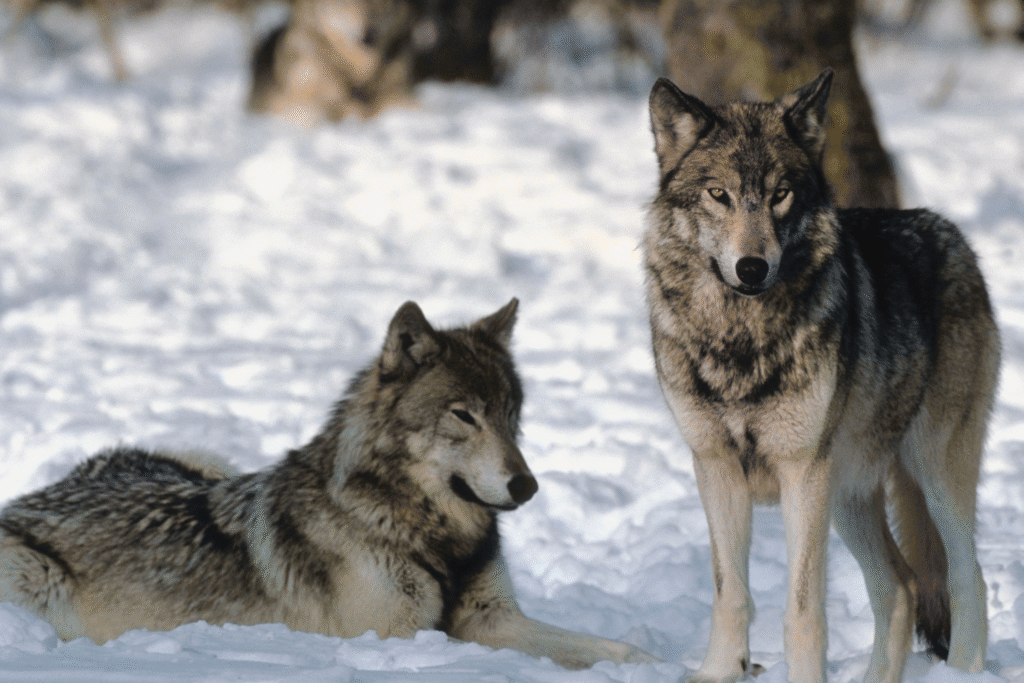
Listing under the Endangered Species Act banned killing and required habitat protection. Recovery teams tracked wolf movements, confirmed breeding pairs, and worked with landowners to reduce conflict. By the early 1980s, wolves were slowly recolonizing northern Wisconsin. This turnaround was propelled not just by law, but by dedicated monitoring, as stated by the U.S. Fish and Wildlife Service.
Federal support bought time for wolves to expand without immediate persecution. Small packs began to establish territories, and evidence of pups gave biologists confidence the comeback might stick. Wolves were no longer ghosts on the landscape—they were slowly becoming residents again.
3. The numbers tell a remarkable story of growth.
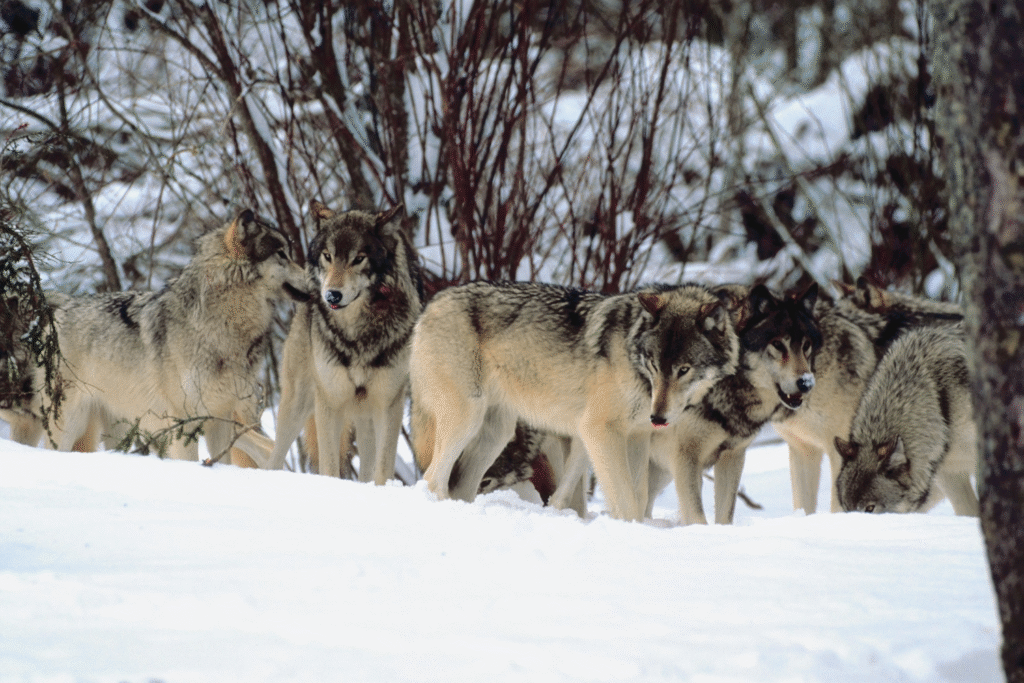
From fewer than 25 individuals in the 1970s, the population has surged to about 1,200 today. Wisconsin’s annual winter counts confirm this steady growth, showing a gradual climb decade by decade. According to Wisconsin’s Department of Natural Resources, wolves now occupy more than half of the northern forest region, with territories spreading southward each year.
The increase was not explosive but steady, proof of resilience. Each winter census marked a milestone, demonstrating that recovery wasn’t temporary. Instead, wolves had reclaimed their place in the state, showing how persistence and policy could change the fate of a species once thought lost.
4. Ecosystems are shifting under their influence.
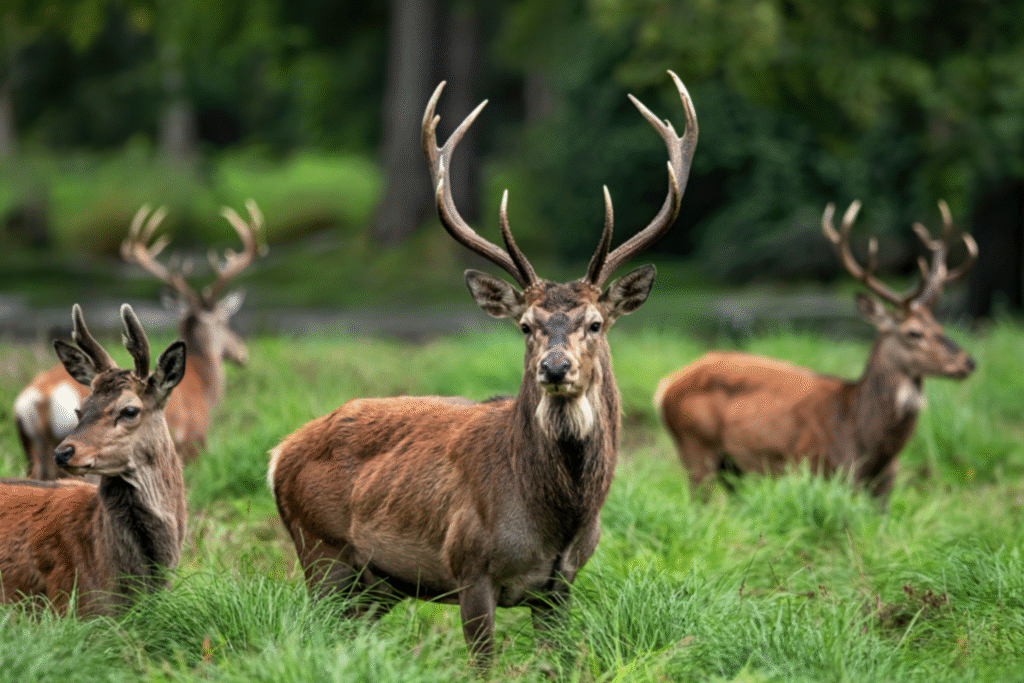
With wolves back, deer populations face new checks. Biologists note healthier forests where browsing pressure once stripped saplings bare. Wolves also influence prey behavior, creating ripple effects that extend beyond numbers alone. Areas once overgrazed now show regrowth, altering habitats for birds, small mammals, and plants.
The ecological role of wolves has reignited debates about balance. They are not just predators—they are keystone players that shape entire landscapes. Their return reveals how quickly ecosystems recalibrate when top predators reclaim their territory, forcing scientists and communities to rethink what balance really means.
5. Conflict with livestock owners has never gone away.
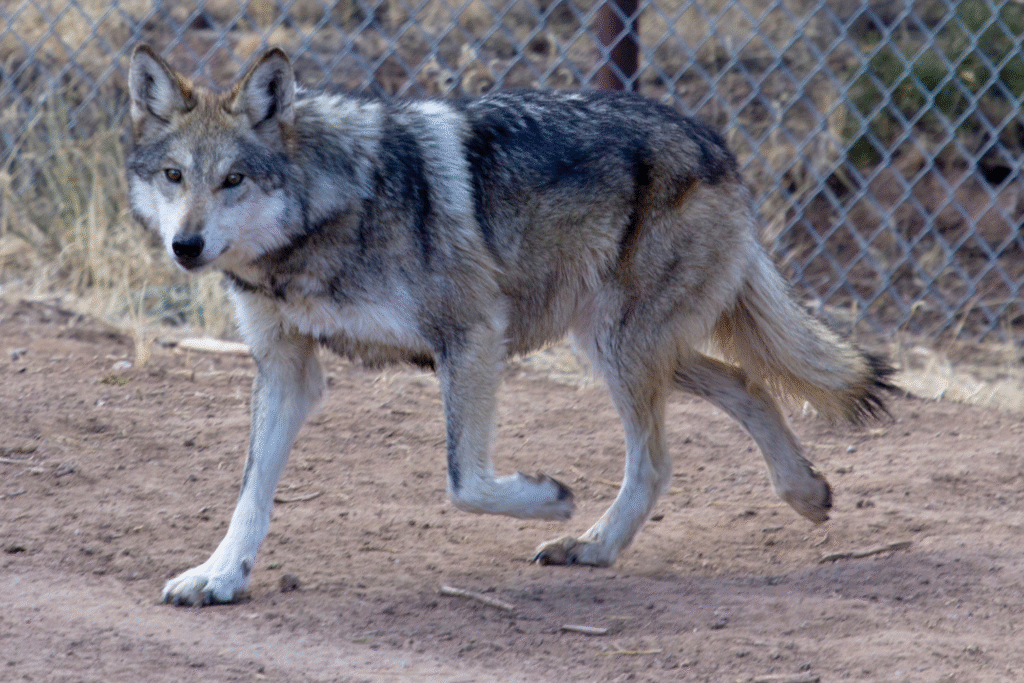
Farmers in wolf country face losses when wolves take calves, sheep, or guard animals. Wisconsin maintains a compensation program, but frustration lingers. Some ranchers see wolves as symbols of regulation imposed from afar rather than neighbors to coexist with.
These tensions surface at kitchen tables and town halls alike. For families who depend on livestock, even one attack feels personal. Wolves may represent recovery to conservationists, but for rural communities, they also represent risk. The balance between protecting predators and supporting livelihoods remains one of the hardest parts of the story.
6. Legal battles keep reshaping wolf management.

Wolves have bounced on and off the endangered species list for decades, depending on shifting federal and court decisions. Each relisting or delisting sparks political and cultural fights. In Wisconsin, the state legislature has mandated hunting seasons when wolves are delisted, leading to sharp divides.
These shifting rules create uncertainty. Biologists plan for long-term management, only to have federal courts change the framework overnight. Hunters, farmers, and conservationists clash over numbers, and wolves become political pawns. The cycle underscores how species recovery is not just science—it is law, policy, and public opinion colliding.
7. Hunting seasons remain controversial.

When wolves were briefly delisted in 2021, Wisconsin held a rushed hunt that far exceeded quotas. More than 200 wolves were killed in less than three days, raising alarms among scientists and tribal leaders. The speed of the hunt showed how fragile recovery could be if management leaned too heavily toward eradication.
The backlash was immediate. Conservationists warned of long-term damage to pack stability, while tribes invoked treaty rights to protect wolves as relatives. The episode highlighted the thin line between recovery and renewed decline, reminding the state how quickly decades of progress could unravel.
8. Tribal nations see wolves as family.

For the Ojibwe and other tribal nations, wolves hold deep cultural and spiritual significance. They are considered relatives, bound to humans through traditional stories of creation and survival. The 2021 hunt was not just an ecological concern but a cultural violation.
Tribes argue that wolf management must honor treaties and Indigenous knowledge. Their perspective reframes the conversation: wolves are not simply wildlife to be managed, but kin deserving respect. Including tribal voices in decision-making is not just a legal requirement—it is a recognition of the cultural fabric that wolves represent.
9. Public opinion reflects sharp divides.
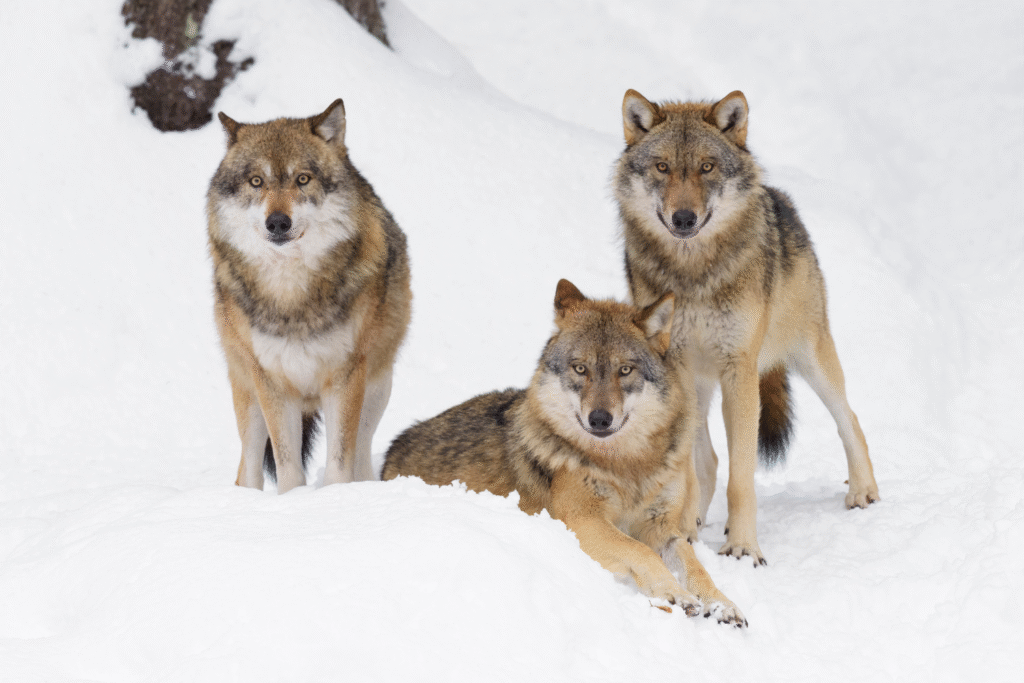
Surveys in Wisconsin show stark differences between urban and rural attitudes. City residents tend to support wolf recovery and oppose hunting, while rural residents closer to wolf territories express stronger concerns about safety and livestock. These divides mirror broader cultural tensions in American conservation.
Wolves have become symbols as much as animals. For some, their presence represents wilderness restored; for others, it feels like outside interests imposing values on local communities. Bridging that gap may be just as important as tracking population numbers in the years ahead.
10. The future of wolves remains uncertain.
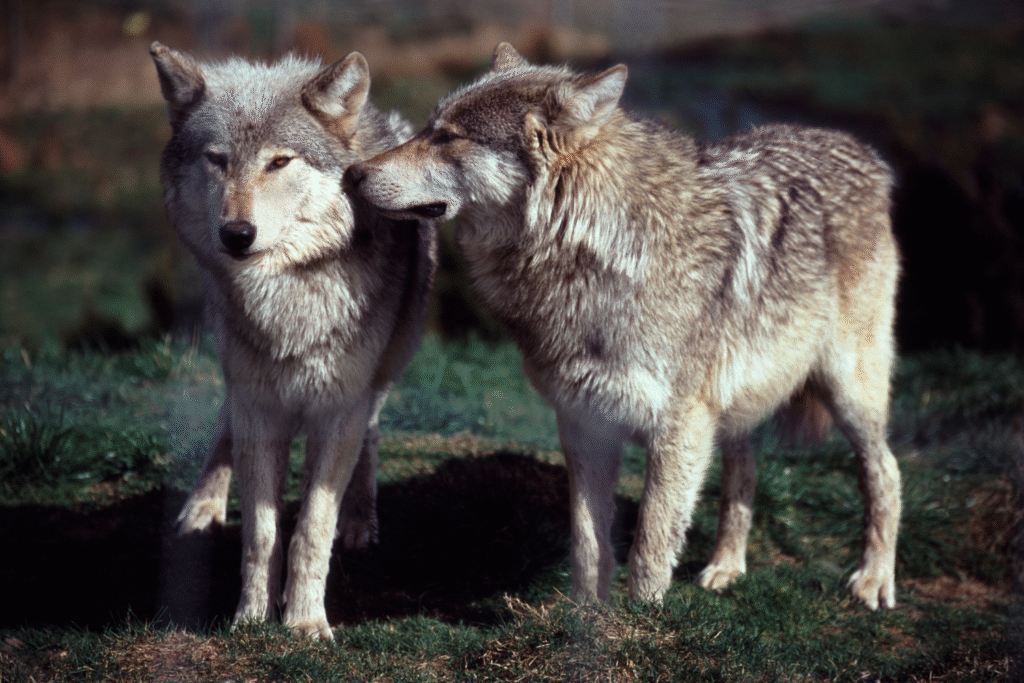
Wisconsin’s wolf recovery is a conservation milestone, but the path ahead is anything but simple. Legal fights, political debates, and ecological pressures shape their future. The population is stable for now, but stability doesn’t guarantee permanence. Management decisions made in the next decade will determine whether wolves thrive or decline again.
The story is still being written. From near extinction to 1,200 strong, Wisconsin’s wolves have proved resilient. Yet resilience alone cannot shield them from politics, policy, and public conflict. Their survival now depends as much on people’s choices as on the wolves themselves.