
Biodiversity disappears faster than scientists can catalog.
Every year, researchers discover thousands of previously unknown species hiding in remote forests, deep ocean trenches, and microscopic environments we’re only beginning to explore. Yet for each new species we identify and name, countless others likely disappear forever without ever being documented by science. Conservative estimates suggest we’ve cataloged only 10-20% of Earth’s total species, meaning millions of unknown organisms share our planet right now. The tragic reality is that human activities and environmental changes are driving extinctions at rates far exceeding our ability to discover and study these remarkable life forms.
1. Scientists discover 18,000 new species annually worldwide.
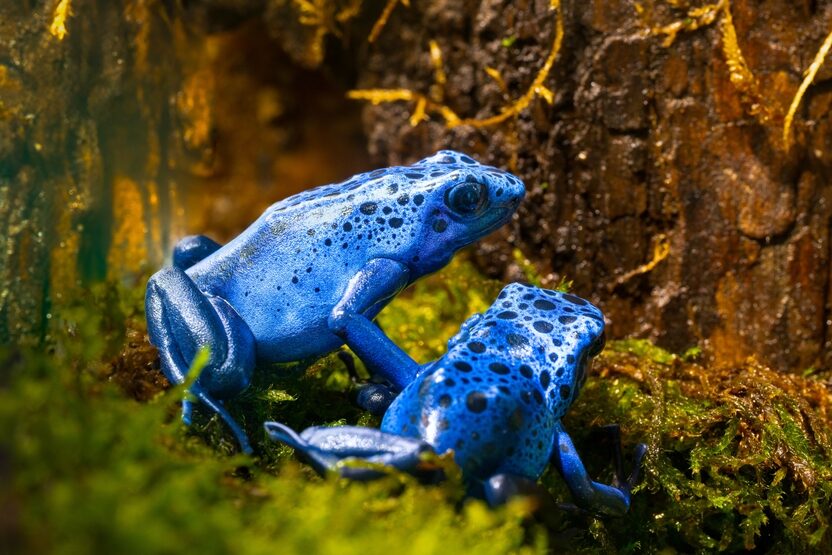
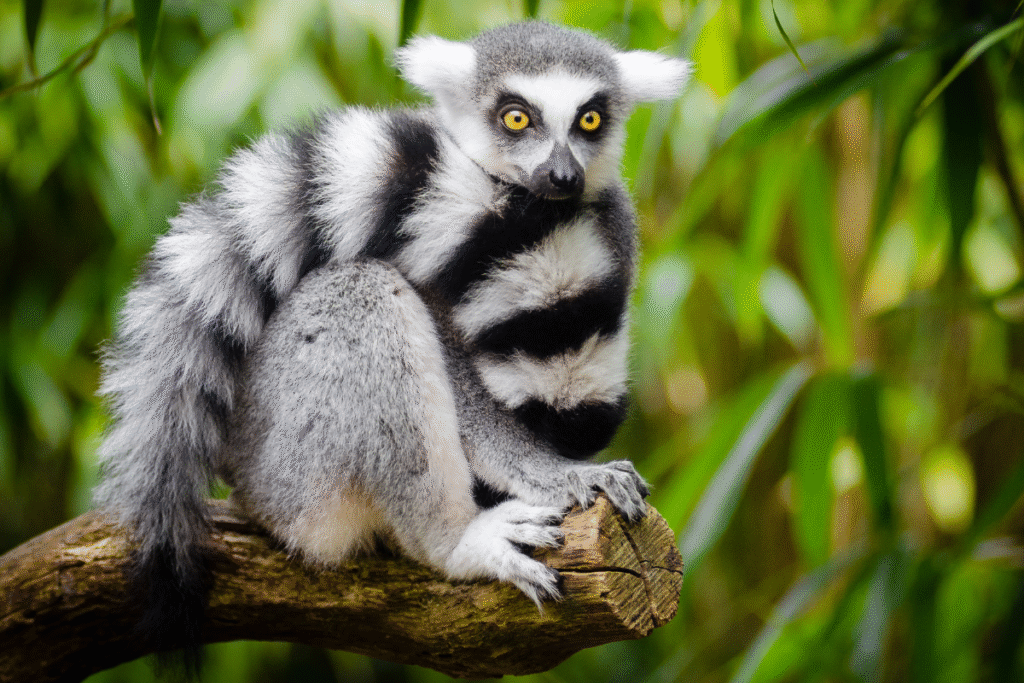
Every year, scientists uncover roughly 18,000 species that have never been documented before – from iridescent beetles tucked away in rainforest canopies to bioluminescent deep-sea fish that seem pulled from science fiction. Newly discovered lemurs with enormous eyes emerge from Madagascar’s remote forests, while electric-blue poison frogs no bigger than your thumb hide beneath fallen logs in distant jungles. These discoveries accumulate faster than researchers can process them. Museum storage rooms overflow with specimen jars containing potential new species, each representing a unique evolutionary story that might remain untold.
2. Habitat destruction eliminates species before scientific discovery.

Meanwhile, bulldozers are destroying entire forests faster than scientists can explore them. When loggers cut down a patch of Amazon rainforest, they might be wiping out the only place on Earth where certain colorful butterflies or tiny tree frogs live. Sumatran orangutans and Javan rhinos are losing their homes daily, along with countless insects and plants we’ve never even seen. The World Wildlife Fund reports that the areas with the most undiscovered species are exactly where companies want to build roads, mines, and farms.
3. Climate change accelerates extinction rates beyond discovery pace.

But wait, there’s more bad news. Our changing climate is like turning up Earth’s thermostat too fast for animals to adjust. Polar bears can’t find enough sea ice, snow leopards are running out of cool mountain peaks, and coral reef fish are literally cooking in overheated oceans. The Intergovernmental Panel on Climate Change found that species are disappearing 100 to 1,000 times faster than normal. Imagine discovering a beautiful new butterfly species just as the last flower it depends on stops blooming because of changing weather patterns.
4. Remote locations remain scientifically unexplored and vulnerable.
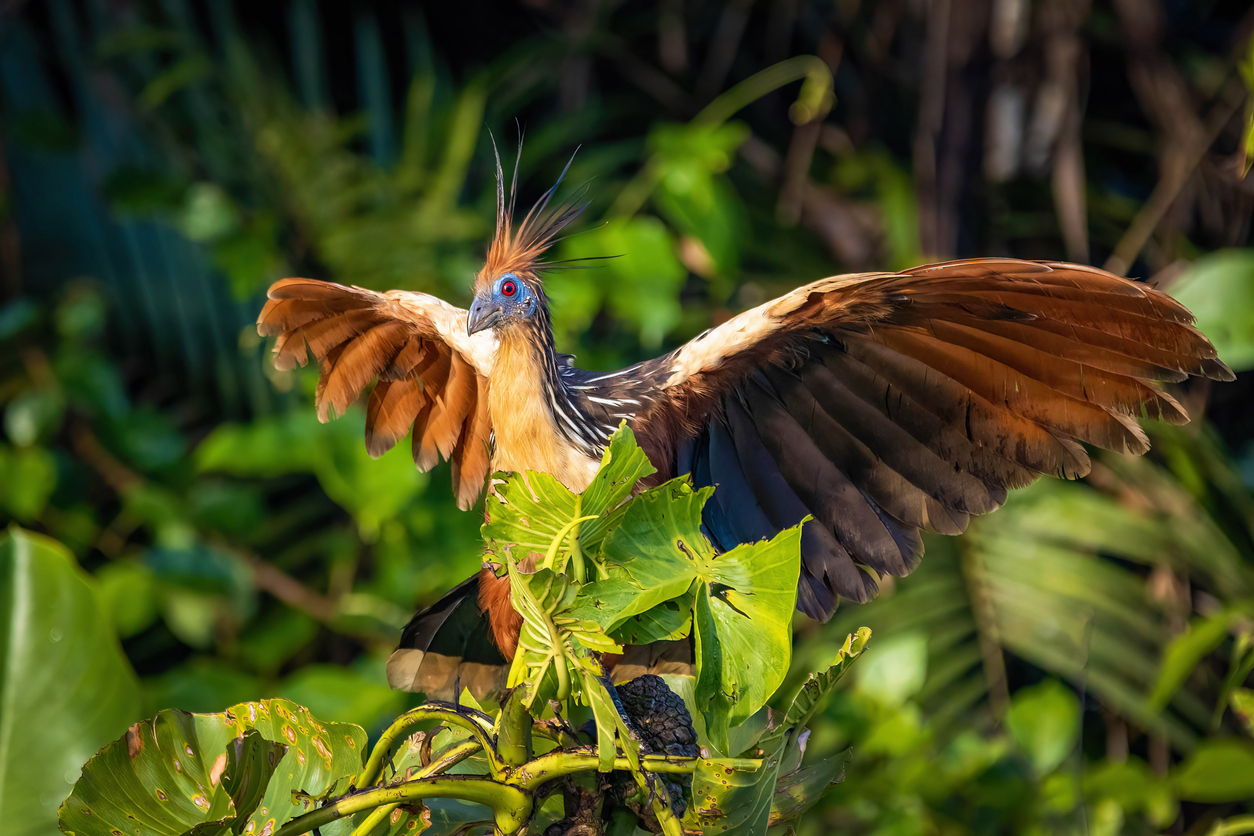
Here’s what makes this even more frustrating, huge chunks of our planet remain completely unexplored. Deep caves hide blind fish that have never seen sunlight, while dense jungle canopies shelter monkeys and birds nobody has ever photographed. The deepest parts of the ocean probably contain creatures as strange as aliens, including giant squids we’re just beginning to understand. But getting to these remote places costs enormous amounts of money, and many are in politically unstable regions where scientists simply can’t safely work.
5. Funding shortages limit taxonomic research capacity globally.

The scientists who specialize in discovering and naming new species are becoming an endangered species themselves. Universities are cutting jobs for the experts who can tell one beetle from another or identify a brand new monkey species by its unique features. Museums are bursting with jars full of potentially new spiders, colorful birds, and tiny sea creatures, but there aren’t enough trained people to study them all. Young scientists often choose other careers because naming species doesn’t pay as well as developing new medicines or apps.
6. Specialized habitats face immediate development pressures.
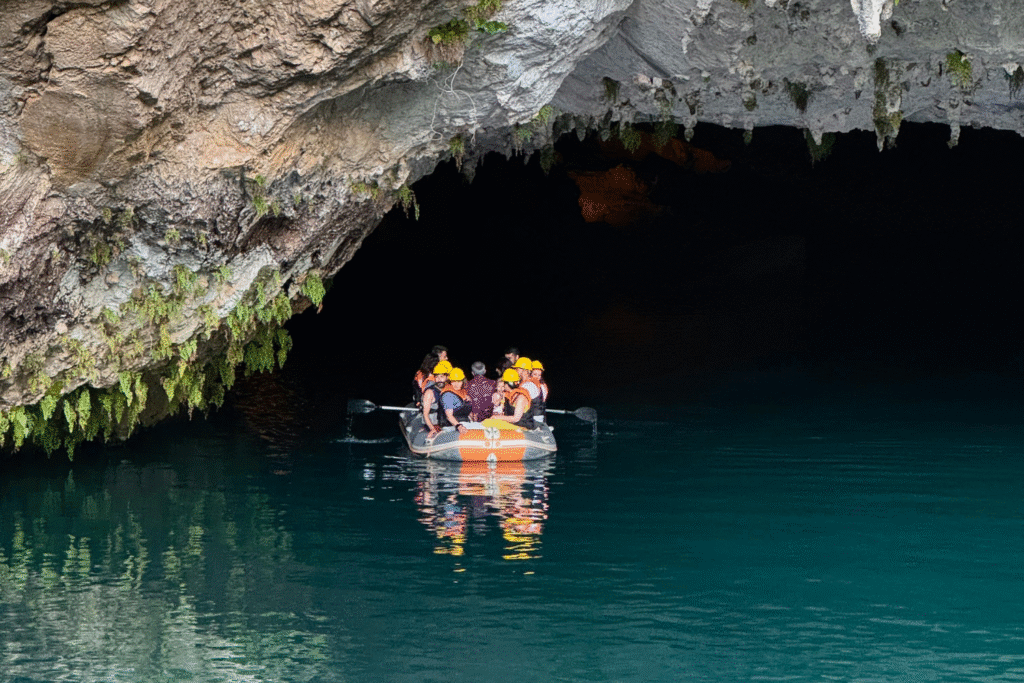
Some of the most amazing creatures live in very specific places – like salamanders that only exist in particular caves, or bacteria that thrive in hot springs. These unique spots often look small and unimportant on maps, making them easy targets for development projects. Companies drain wetlands where special fish and insects live, build geothermal power plants over hot springs with rare microscopic life, and turn caves into quarries. When these one-of-a-kind habitats disappear, the creatures living there have literally nowhere else on Earth to go.
7. Invasive species eliminate native organisms rapidly.

The threat often comes from creatures that don’t belong. Burmese pythons have invaded the Florida Everglades, where they devour birds and mammals that never learned to escape such enormous snakes. Zebra mussels have taken over the Great Lakes, choking out native species. In Australia, cane toads poison anything that tries to eat them. Islands face the worst problems because native animals have nowhere to escape. Introduced cats have destroyed entire populations of unique birds, while Galápagos finches now compete with foreign species for food and nesting sites. These native creatures evolved without any defenses against invaders that hitchhike across oceans on ships and airplanes.
8. Pollution destroys ecosystems before comprehensive biological surveys.
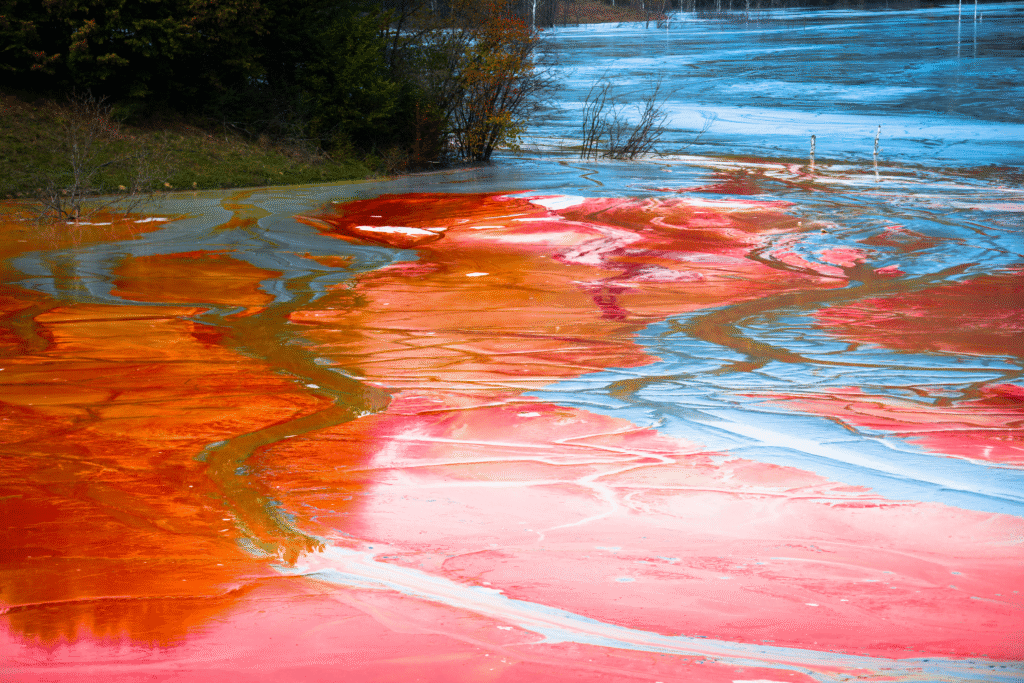
Our pollution is creating underwater graveyards and poisoned landscapes faster than scientists can study what lives there. Plastic waste and chemical runoff create dead zones in oceans where sea turtles, coral fish, and marine mammals can’t survive. Farm pesticides kill native bees and butterflies miles away from where they’re sprayed. Industrial chemicals work their way up food chains, harming everything from tiny insects to polar bears. By the time researchers arrive to study an area, they often find empty habitats where vibrant communities of unknown species once thrived.
9. Disease outbreaks cause rapid population crashes.

Diseases spread by global travel and trade are wiping out entire animal groups in just a few years. A devastating fungal infection called chytrid has killed off golden frogs, mountain chicken frogs, and countless salamander species across multiple continents. White-nose syndrome is destroying bat colonies – little brown bats and big brown bats are dying by the millions. Coral bleaching diseases are killing entire reef systems along with all their colorful fish. The heartbreaking part is that many of these species were never properly studied, so their unique secrets died with them.
10. Technology cannot keep pace with accelerating extinction rates.

Even with all our modern gadgets and genetic testing, we simply can’t keep up with how fast species are disappearing. Vaquita porpoises, Sumatran tigers, and black rhinos are vanishing faster than scientists can study them. New techniques like environmental DNA sampling can detect unknown species from water samples, but it still takes months of lab work to identify each one. Artificial intelligence might help us recognize new insects, birds, and sea creatures more quickly, but the technology isn’t ready yet. The bottom line: habitats are being destroyed in days, but properly documenting species takes years.