
The danger does not end when the air clears.
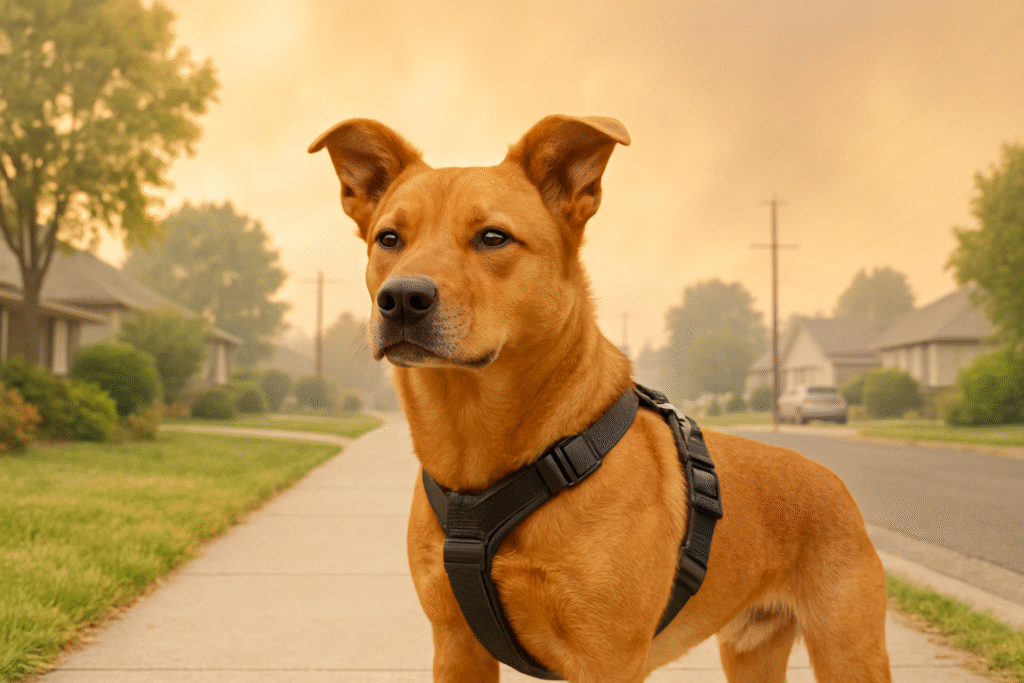
When wildfire smoke drifts through a neighborhood, it often feels temporary, something to endure until the air shifts again. Dogs return indoors, windows close, and life resumes. But veterinarians say there is a gap between what clears and what lingers. In recent seasons, patterns have begun to surface that do not line up neatly with exposure time or visible distress.
What worries them is not the dogs that struggle right away, but the ones that seem unaffected. The question emerging now is whether a single afternoon in smoke can leave changes behind that only reveal themselves much later
1. Dogs breathe smoke more deeply than people.
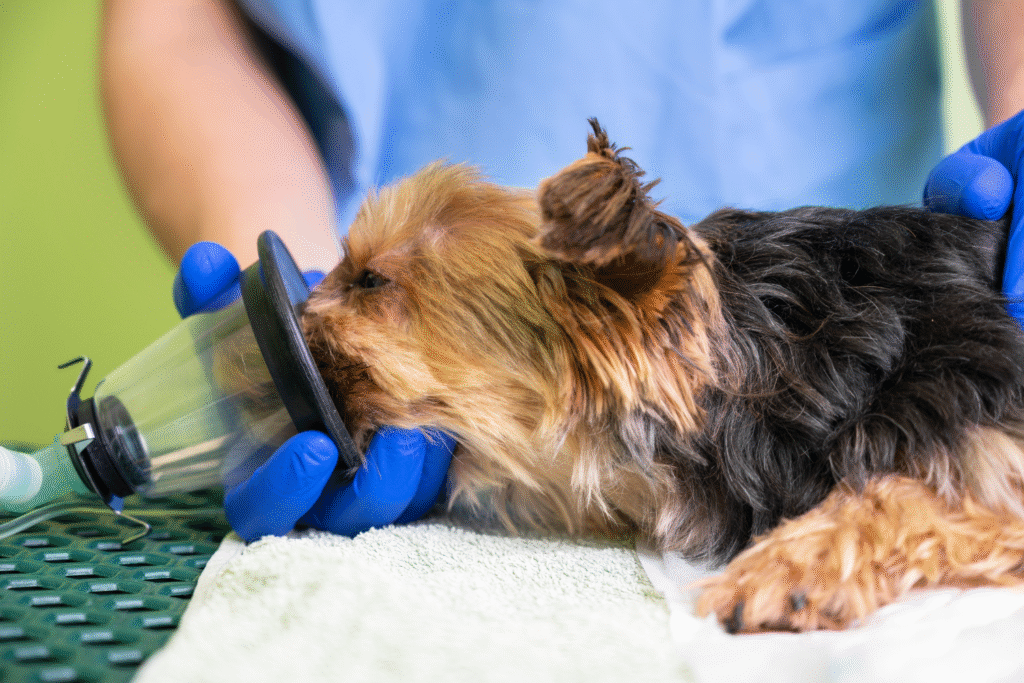
Veterinary scientists explain that dogs take in more air per body weight than humans, which means their lungs absorb higher concentrations of smoke particles in less time. A study from the University of California, Davis, found that when wildfire smoke blanketed the region in 2018, emergency veterinary visits for respiratory distress in dogs spiked dramatically according to UC Davis Veterinary Medicine. That vulnerability is amplified by a dog’s tendency to stay active outdoors, even when the air is visibly thick with haze.
2. Smoke particles can scar lung tissue permanently.
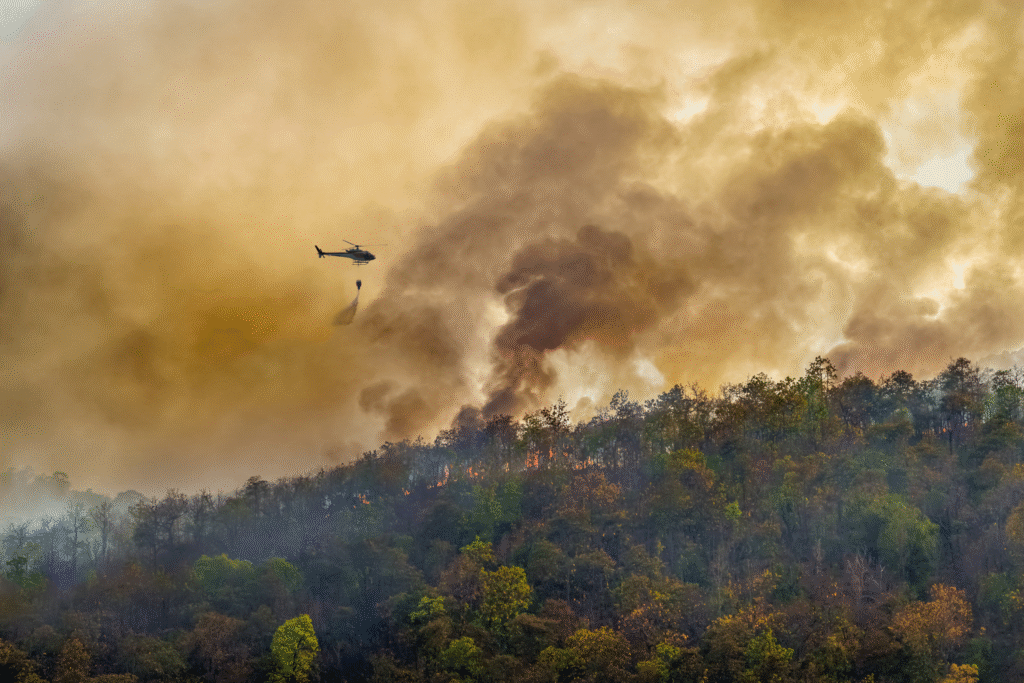
Tiny particulate matter from wildfire smoke, especially PM2.5, burrows into the deepest parts of the lungs where oxygen exchange happens. Once there, it triggers inflammation that leaves behind scar tissue, which never fully reverses as stated by the American Lung Association. Dogs exposed even briefly can carry lifelong damage, with reduced lung capacity and a higher risk of chronic coughing. Unlike a simple cold, this is not something they bounce back from once the smoke clears—it changes how they breathe for years ahead.
3. Young and old dogs carry the heaviest risk.
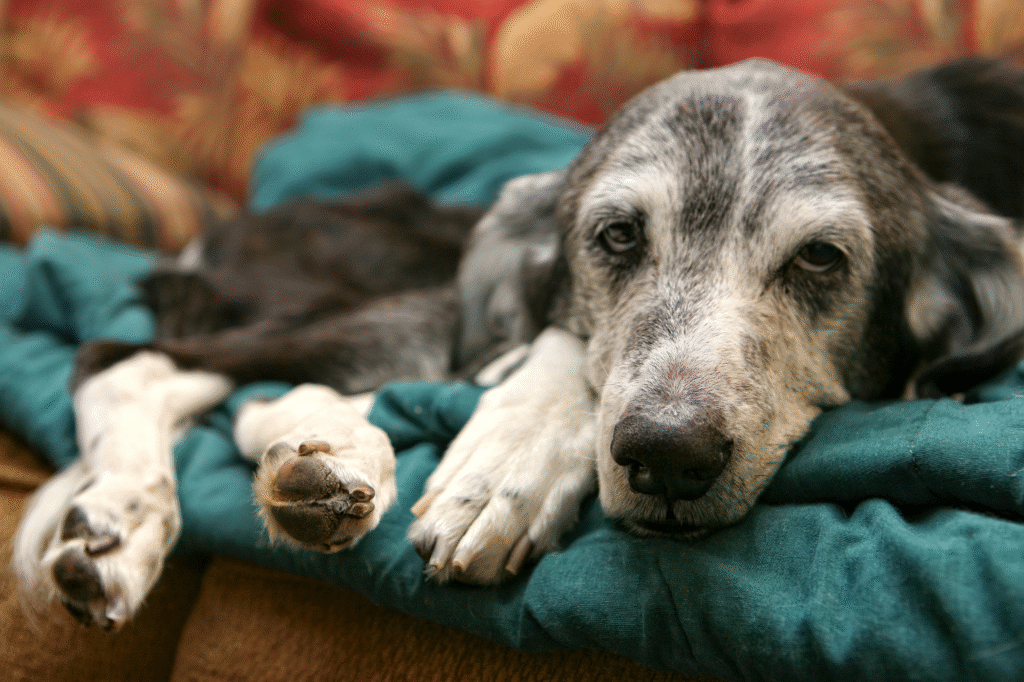
Puppies with developing lungs and senior dogs with reduced resilience face the worst outcomes after exposure. The American Veterinary Medical Association reported that both age groups are disproportionately represented in post-wildfire respiratory cases. Their lungs either have not finished building or are already less elastic, which means smoke triggers long-term issues more quickly. Families often only notice subtle changes—like less endurance on walks or occasional wheezing—months after the fire season has ended, but the damage has already taken hold.
4. Smoke exposure often weakens a dog’s immune system.
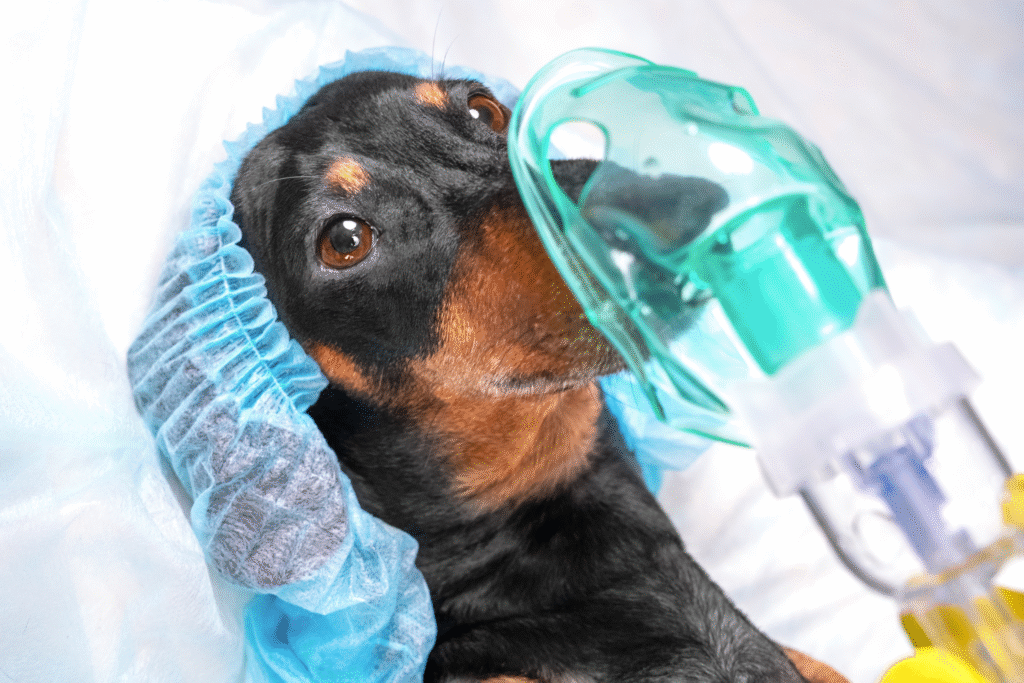
Inflamed airways do more than make breathing harder. They also compromise the immune system’s ability to clear infections, leaving dogs more susceptible to bronchitis or pneumonia later. Veterinarians working in fire-prone regions report that many dogs who breathed in smoke return with recurring chest infections, even after air quality returns to normal. This quiet vulnerability lingers, setting them up for cycles of sickness long after skies look blue again.
5. One bad day outdoors can equal months of harm.
Dogs exposed for just a single afternoon of poor air quality may suffer lung inflammation that outlasts the season itself. Studies in animal health labs show that it can take months for inflammation markers to settle, and the scar tissue that forms along the way never disappears. Pet owners often assume damage requires repeated exposure, yet veterinarians emphasize that one intense wildfire day can rival a lifetime of secondhand smoke in its impact.
6. Certain breeds carry even greater vulnerability.

Dogs with short muzzles like French Bulldogs, Pugs, or Boston Terriers are at particular risk because their respiratory systems already struggle to move air efficiently. Wildfire smoke pushes those fragile systems beyond their limit. Vets in California and Oregon say these breeds account for a disproportionate share of smoke-related emergency visits. When the skies turn gray, these dogs can be the first to collapse under the strain, even before older or less active dogs show distress.
7. Hidden heart strain compounds the lung damage.
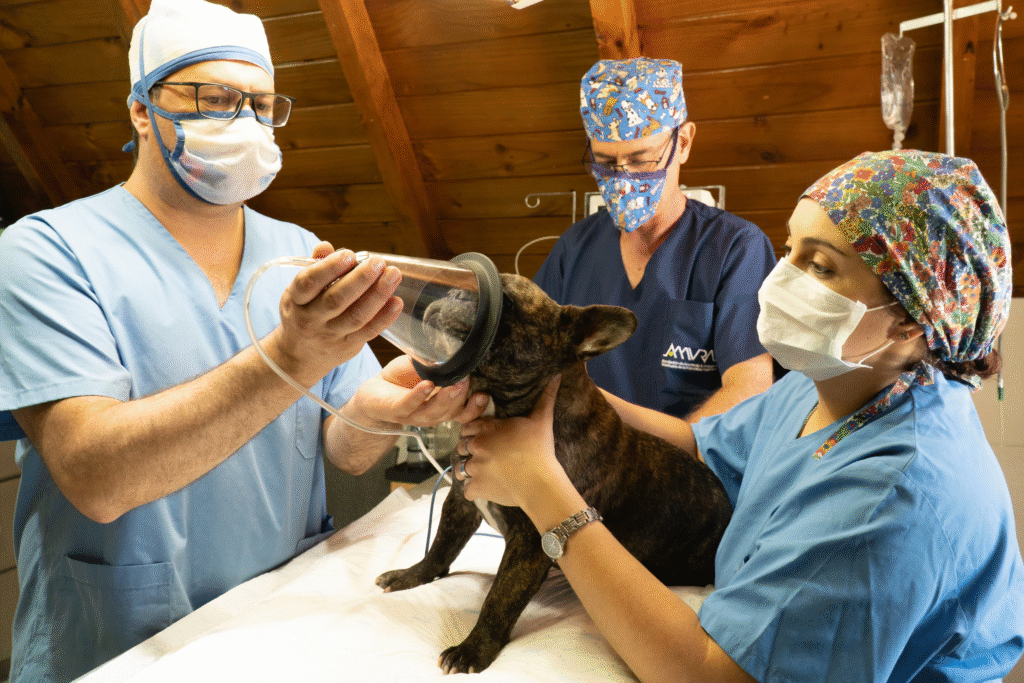
What many pet owners do not realize is that wildfire smoke stresses more than the lungs. When inflamed airways limit oxygen supply, the heart must work harder to keep tissues alive. Over time, this constant demand can accelerate heart problems in vulnerable dogs. Veterinarians describe dogs with previously mild murmurs suddenly worsening after a single fire season, linking the chain reaction of poor air to heart strain that might otherwise have taken years to surface.
8. Indoor air is rarely enough protection alone.

Many families assume simply bringing dogs inside will shield them, but wildfire smoke seeps through windows, vents, and doors. Dogs living in smoky regions still show elevated markers of lung irritation, even if they were kept primarily indoors during peak fire days. Without air purifiers or sealed indoor spaces, the invisible particles continue to creep in. This leaves dogs with no true safe zone unless proactive measures are taken to filter the air.
9. Long-term effects resemble chronic respiratory disease.
Dogs who survive a smoky season often resemble patients with asthma or chronic obstructive pulmonary disease. Their coughs become a regular soundtrack, exercise tolerance plummets, and small infections tip easily into full-blown crises. Vets compare the condition to accelerated aging of the respiratory system, where smoke has effectively taken years off a dog’s lung health in the space of an afternoon or two. Owners often mistake the changes for normal aging, not realizing the damage came suddenly.
10. Preventive action makes the real difference for pets.

The good news is that pet families can reduce risks by acting quickly. Checking daily air quality indexes, keeping dogs indoors during peak smoke, running HEPA filters, and using well-fitted canine masks for short bathroom breaks all make a difference. Veterinarians stress that these measures are not overreacting but simply treating wildfire smoke like the toxin it is. Protecting a dog’s lungs today could mean sparing them from chronic suffering that no treatment can undo tomorrow.