
Some “safe” snacks can dangerously inflame your dog’s pancreas.

When we share our treats with our dogs, it often feels harmless. Yet beneath the surface, the pancreas can silently react and shift from working fine to seriously inflamed. Pancreatitis in dogs might appear sporadic, or even mysterious, but diet and specific foods play a larger role than many realize. Spotting the high-risk foods and substituting smarter choices can reduce the chance of a painful flare-up. These nine commonly given foods are frequent triggers, especially when served casually or in excess.
1. Fatty meat scraps from human meals can trigger pancreatitis.

Dogs love the juicy bits of steak or bacon, but those same fatty scraps can overload the pancreas in one sitting. At least one veterinary article identifies fatty table scraps, bacon, trimmed fat, ham drippings, as real triggers for pancreatitis in dogs. Feeding those indulgent pieces may feel generous, yet the pancreas may respond by activating digestive enzymes internally, leading to inflammation and damage. If your dog snags pieces of fatty meat regularly, know you’re playing into a known risk scenario.
2. Cooking oils and butter used for treats increase risk for dogs.

Even when the main food is lean, our added fats matter greatly. According to veterinary nutrition guidance, high-fat oils, melted butter, or grease used in cooking or as treats elevate the pancreatic workload. That extra load isn’t absorbed like normal food—it prompts the pancreas to over-react. Dogs accustomed to those added fats may walk a fine line until one excessive meal sets off inflammation. Watching not just the type of food but the added fats is critical.
3. Fried human foods like French fries or fried chicken can provoke issues.
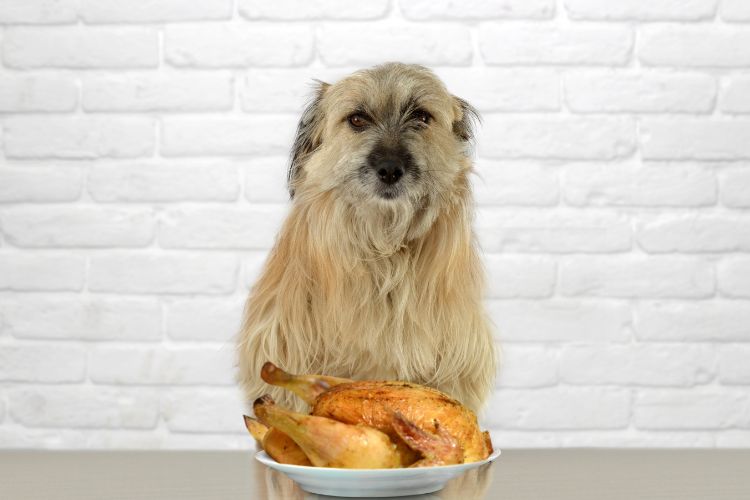
What looks like a fun share for your dog might actually be the most dangerous item of the plate. As noted by VCA Animal Hospitals, meals high in fat—even single high-fat episodes—are established triggers of pancreatitis in dogs. Fried chicken skin, battered pieces, or deep-fried sides blow out fat percentages rapidly. The pancreas must respond strongly to digest the fat, and in susceptible dogs that response misfires. Moderation doesn’t apply when fat content breaches safe thresholds.
4. Dairy-rich foods trigger subtle pancreatic overload.

Ice cream, creamy sauces, or heavy cheeses may seem minor, but they carry fat levels that dogs digest poorly. While some adult dogs tolerate small amounts, repeated exposure can prime the pancreas for trouble. Digesting dairy demands enzyme release and fat breakdown. Over time, micro-damage accumulates. Especially for dogs with previous pancreatitis episodes or metabolic concerns, dairy intake should be minimal to protect that vulnerable organ.
5. Highly seasoned or processed sausage and hot dog treats are risky.
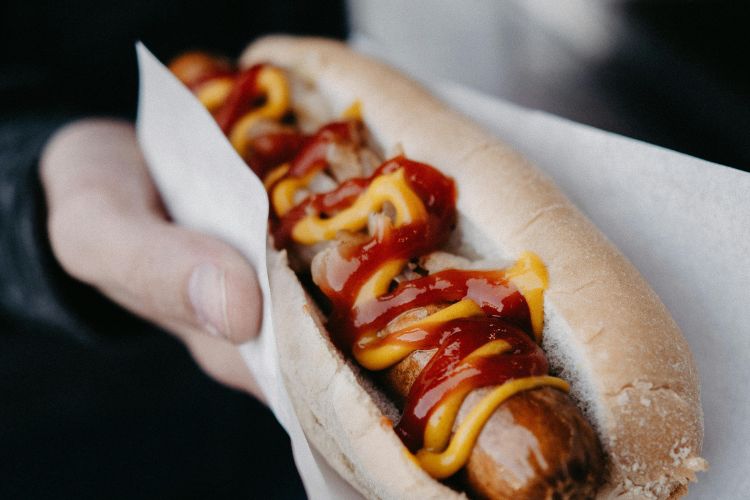
Processed meats like sausages and hot dogs often combine high fat with salt, spices, and additives dogs aren’t built to handle. A dog that enjoys a meaty human snack may unknowingly incur pancreatic stress. It’s not just the fat—the additives and cooking method add metabolic burden. Think of it as a load-multiplier: normal food becomes challenge food, putting the pancreas on alert. Regularly integrating those processed meats subtly elevates risk.
6. High-fat holiday leftovers including turkey skin cause strain.
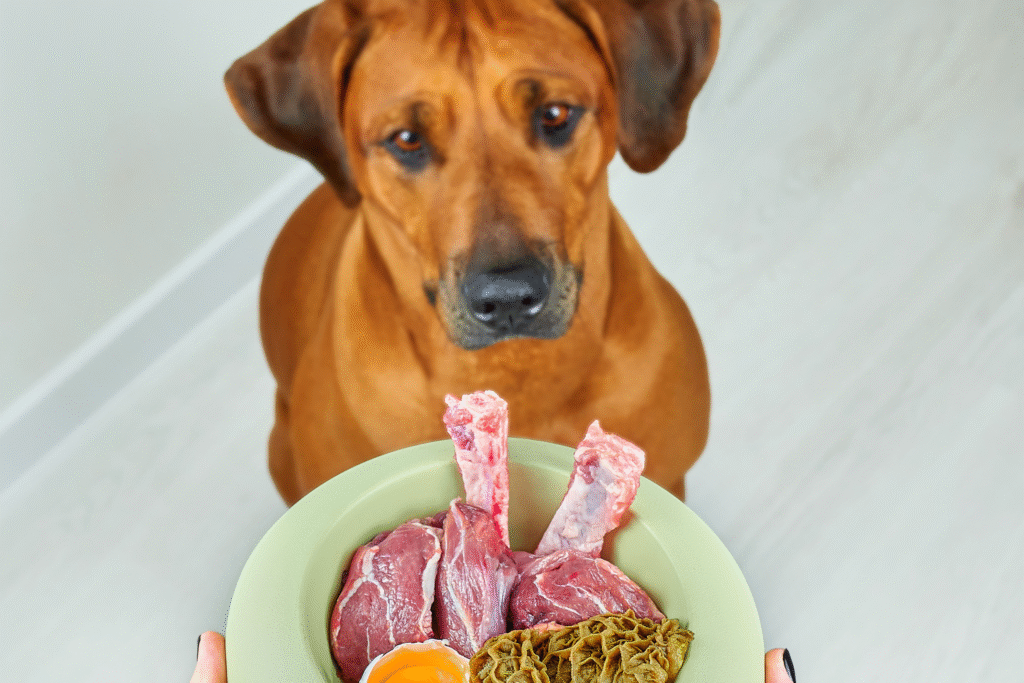
The holidays feel like a great time to share with pets, but turkey skin, gravy, and fat-rich sides form a perfect storm for pancreatic flare-ups. Many emergency clinics report spikes in pancreatitis cases after festive meals. The issue isn’t just once-in-awhile indulgence—it’s how the organ responds to sudden large fat surges. If your dog dives into plate scraps over the holiday, the pancreas may pay the price after the celebration ends.
7. Garbage or trash-scavenged fatty morsels invite trips to the vet.
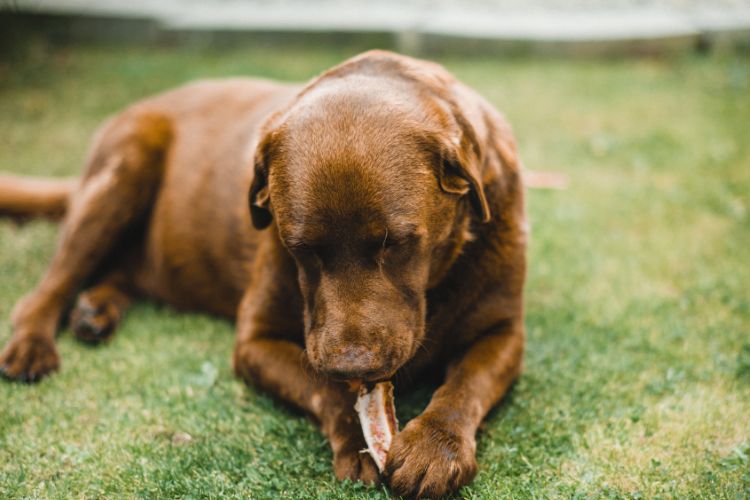
Dogs that nosily explore the trash often find more than scraps—they find fatty remains, grease-rich wrappers, or meat trimmings meant for disposal. That casual scavenging turns into an activator of pancreatic problems. Even when you haven’t fed the dog fat directly, the trash table becomes the same high-fat risk zone. If you notice your dog rummaging or your trash can isn’t secure, you’re facing an avoidable risk vector.
8. Avocado flesh and pit debris may sneak in dangerous fat content.
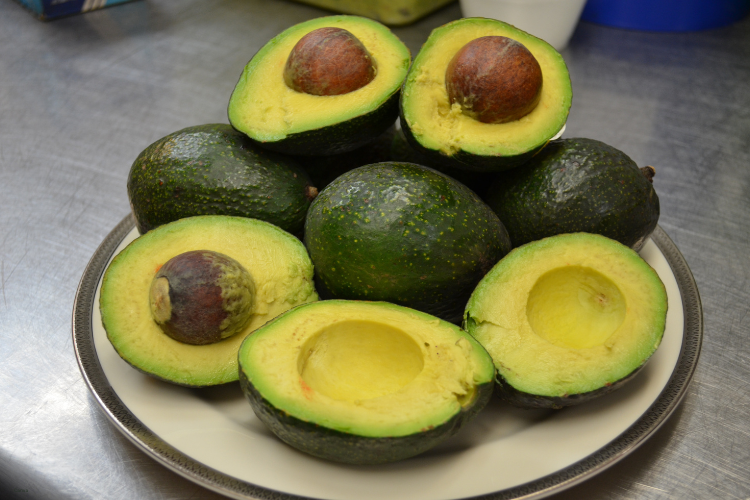
Avocados contain healthy fats for humans, but for dogs that fat content is too rich and risky for the pancreas. While not always acute, consistent ingestion of large avocado pieces or pits may strain digestion. Additionally, the pit poses choking hazards—another reason to avoid sharing. Many guides to canine toxicities list avocado fat among risk foods for pancreatitis in dogs. Keeping it off the menu protects more than just digestion.
9. Low-quality “treat” chews with added fats or oils contribute hidden risk.

Treats marketed as gourmet or special often overlook fat content. Some chews or recipe-style treats include added oils, animal fats, or rich components meant to appeal to owners but not designed for canine pancreases. A dog enthusiastic about “premium” treats may be getting hidden fat loads. Over time, that constant small excess invites pancreatic stress. Reading labels and treating dogs in moderation keeps treats safe and routine.