
Early joint pain signs in dogs are easy to miss.
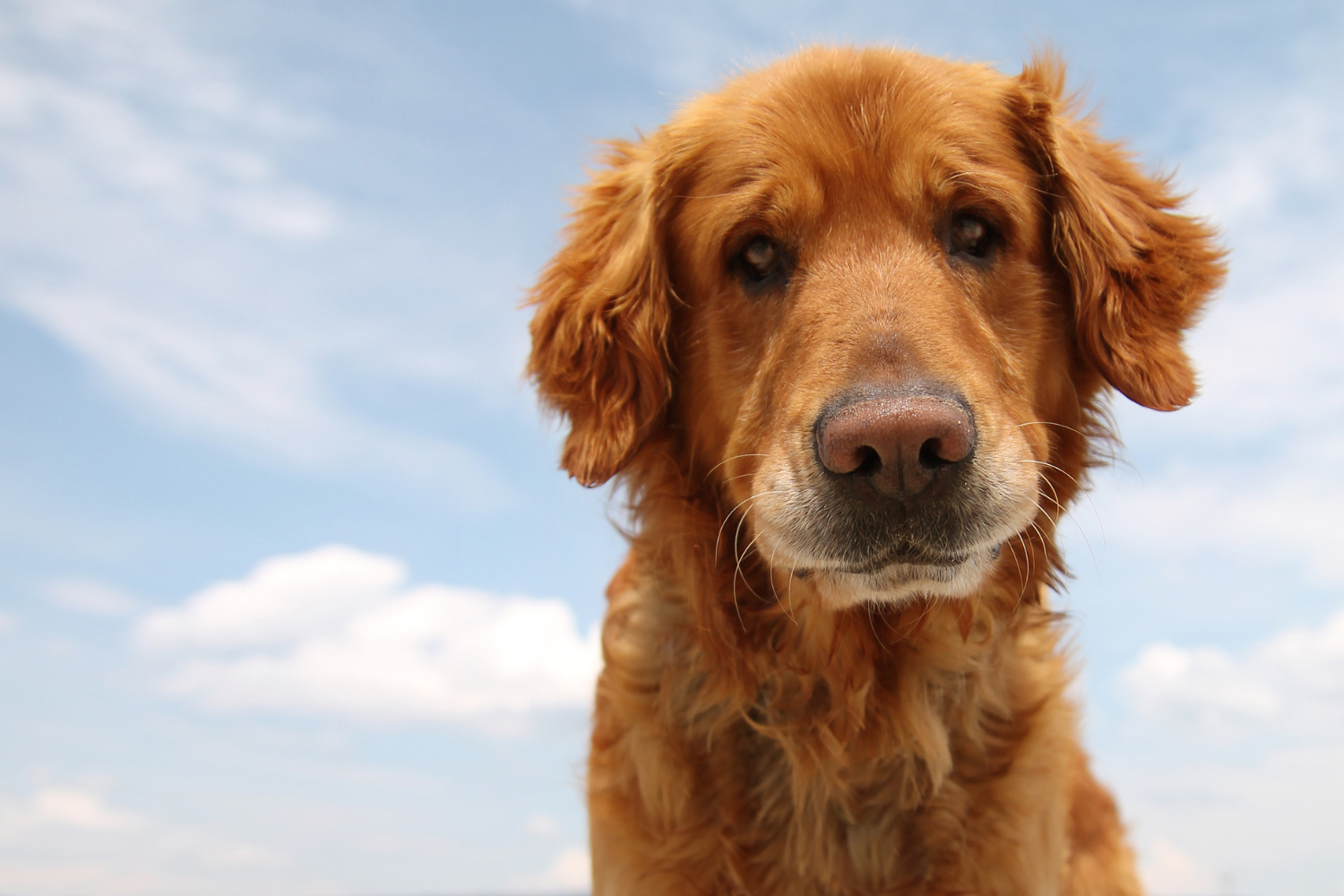
Long before a dog begins limping, the body often sends quieter signals that something inside the joints is starting to change. Movements that once looked effortless may become slower or slightly hesitant, and behaviors owners see every day can shift in ways that are easy to overlook. Because dogs instinctively hide discomfort, the earliest stages of joint disease rarely appear dramatic. Instead, they surface through subtle patterns in how a dog rises, walks, sleeps, or reacts to touch. Veterinarians say recognizing these early clues can make a major difference. Catching joint problems early may slow the damage and preserve mobility for years to come.
1. Subtle stiffness appears after rest or sleep.

One of the earliest clues of joint disease is hesitation after lying down. Dogs that used to spring up now pause, stretch, or limp briefly before moving freely. According to the American College of Veterinary Surgeons, this stiffness results from inflammation that thickens joint fluid, making it harder to move smoothly. The limp often disappears after a few steps, so many owners dismiss it as nothing. But that small delay is the body’s quiet signal that wear-and-tear has already begun deep within the joint.
2. Decreased enthusiasm for walks becomes noticeable over time.
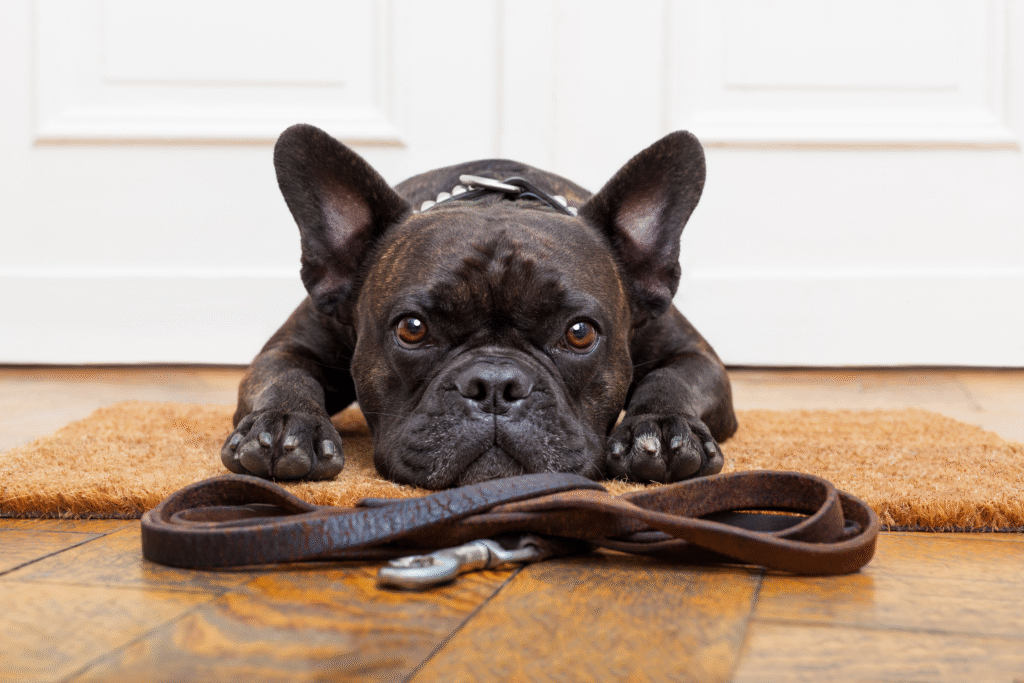
A dog that once pulled at the leash might suddenly trail behind, walking shorter distances or losing interest altogether. Research shows that chronic joint pain can subtly alter gait and endurance before lameness develops, as reported by The Journal of Small Animal Practice. When movement hurts, the brain associates exercise with discomfort, leading to quiet avoidance. The shift can look like laziness, but it’s really self-protection. Early recognition of this behavioral withdrawal can prevent worsening inflammation through lifestyle adjustments and pain management.
3. Difficulty climbing stairs signals more than age alone.

Hesitation at stairs or jumping into the car often points to joint discomfort, especially in the hips, elbows, or knees. As discovered by the Canine Arthritis Management Project, these movements require full joint flexion, which becomes painful as cartilage erodes. Dogs adapt instinctively, they’ll turn sideways on stairs or take longer routes around furniture. These clever workarounds mask pain, so owners must look closely. If a confident jumper suddenly pauses, it’s worth noting, those moments often mark the earliest evidence of chronic joint stress.
4. Changes in sleeping positions hint at hidden discomfort.

Dogs with sore joints often avoid curling tightly or stretching fully because those positions strain inflamed areas. They may favor one side, reposition frequently, or lie with limbs tucked protectively. Some begin sleeping away from harder floors, seeking soft surfaces that cushion aching bones. These changes happen gradually, blending into routine until viewed in hindsight. Paying attention to how your dog sleeps reveals far more about their physical comfort than most people realize.
5. Subtle irritability can be pain’s quiet disguise.
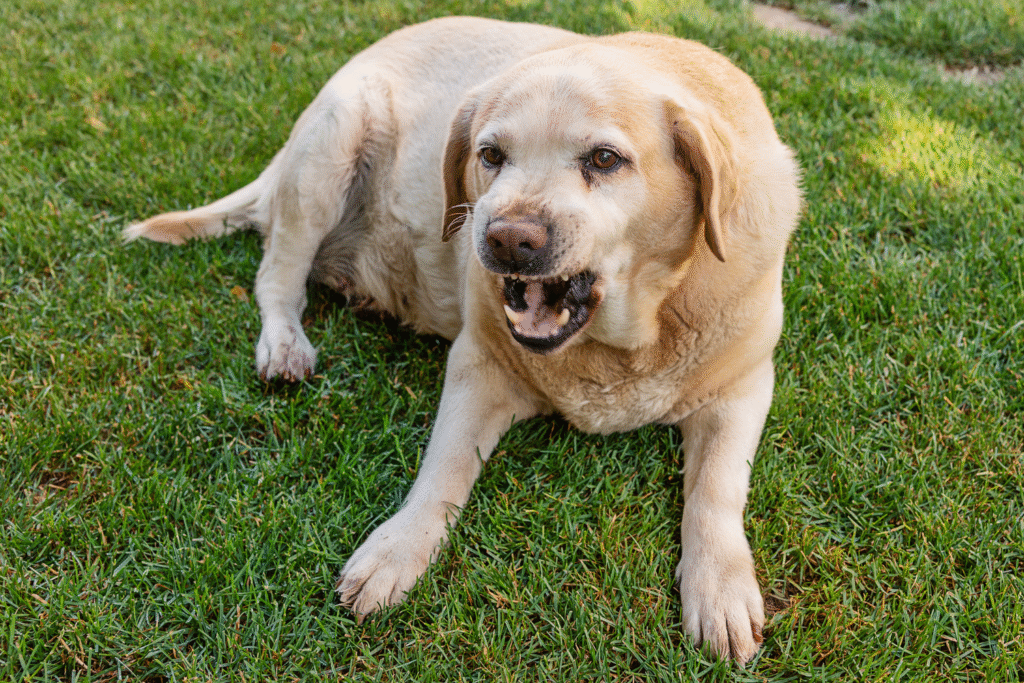
When movement becomes uncomfortable, even gentle dogs can grow short-tempered. A once patient pet might grumble when touched near sore joints or resist grooming. Chronic pain triggers mood changes through stress hormones, shifting behavior before obvious lameness appears. These reactions aren’t attitude, they’re discomfort expressed in the only language dogs have. Recognizing irritability as a pain symptom, not misbehavior, allows owners to seek help before pain worsens into aggression or withdrawal.
6. Muscle loss begins near affected joints.
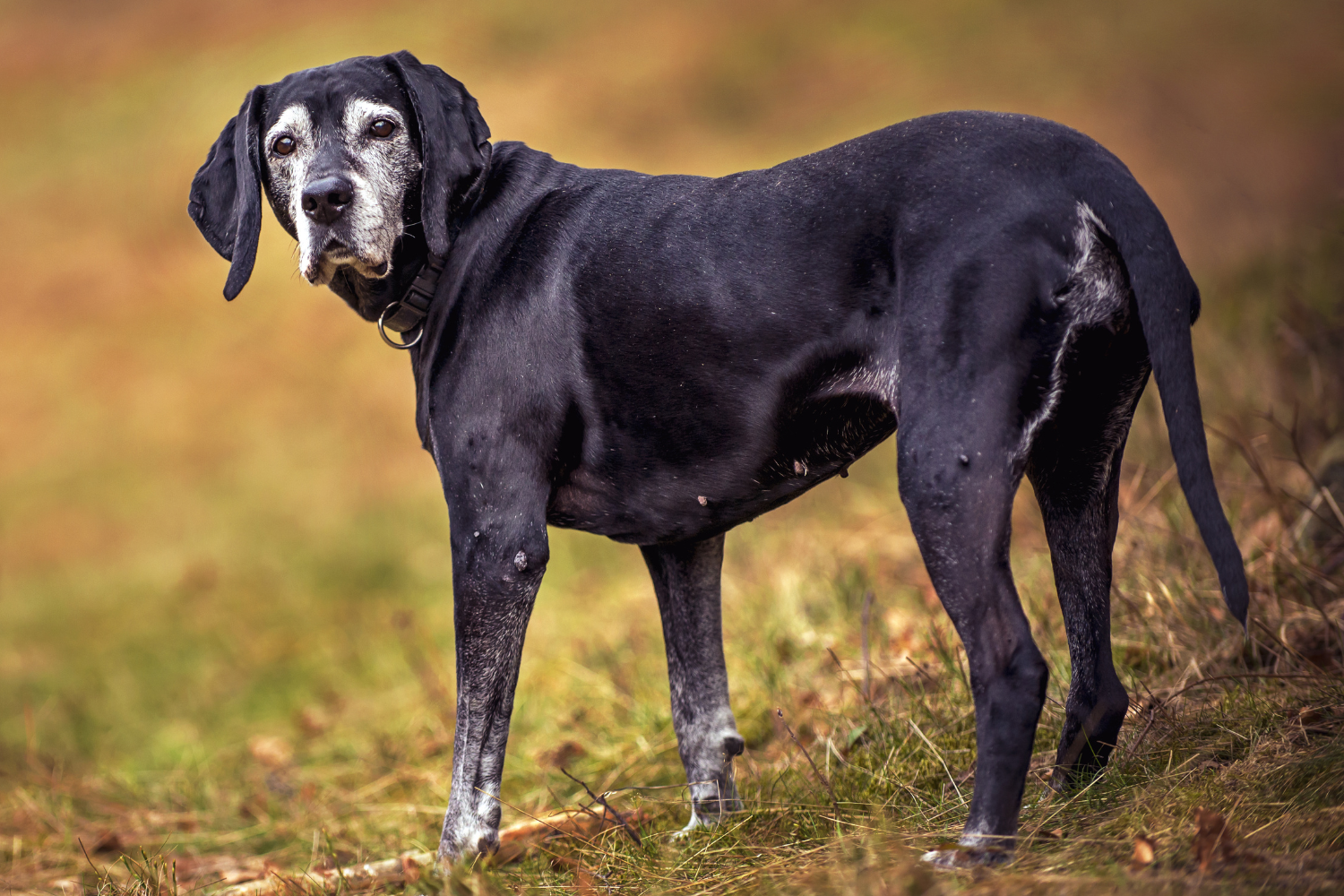
As pain limits use, muscles around damaged joints weaken. The thighs or shoulders may look slightly smaller or less defined, a sign that the body is unconsciously protecting the area. This atrophy happens gradually, often unevenly from one side to the other. Reduced muscle tone makes joints less stable, accelerating arthritis. Rest alone doesn’t restore lost strength, controlled movement and therapy do. Spotting these physical changes early can help veterinarians design tailored rehab plans that rebuild support before damage deepens.
7. Audible joint clicks often accompany early movement pain.
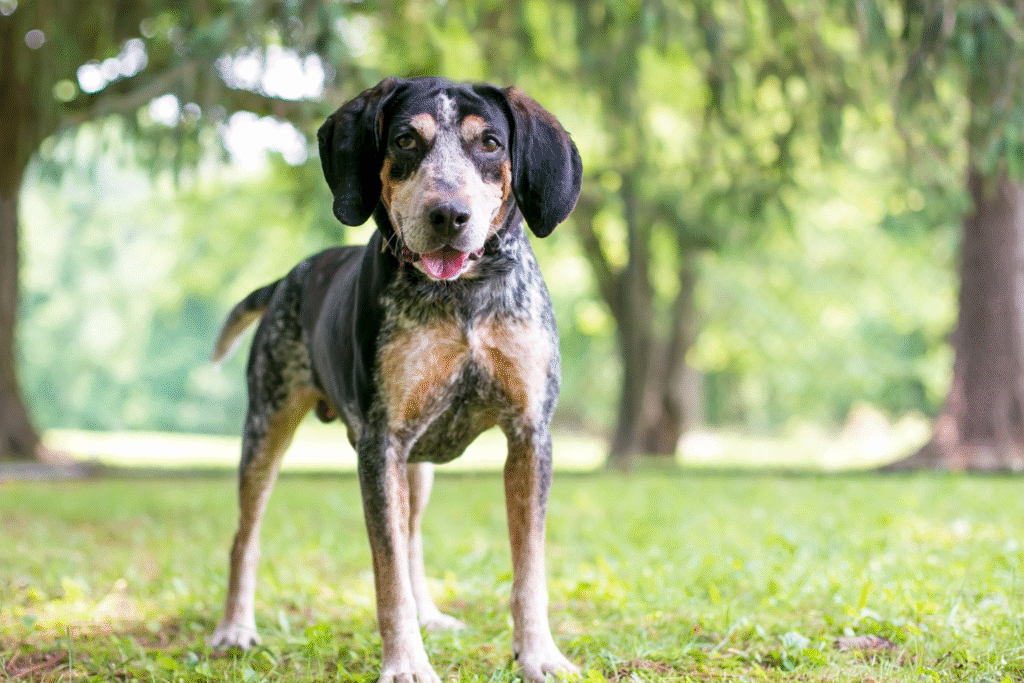
Soft clicking or popping noises when your dog stands or walks can indicate rough cartilage or reduced joint lubrication. These sounds occur when worn surfaces rub instead of gliding smoothly. While some joint noise is normal, consistent clicks paired with stiffness suggest degeneration. Dogs can hide pain well, so the ears often catch what the eyes miss. Subtle sound cues become valuable diagnostic hints, especially in stoic breeds that rarely limp until advanced stages.
8. Weather sensitivity brings pain into sharper focus.
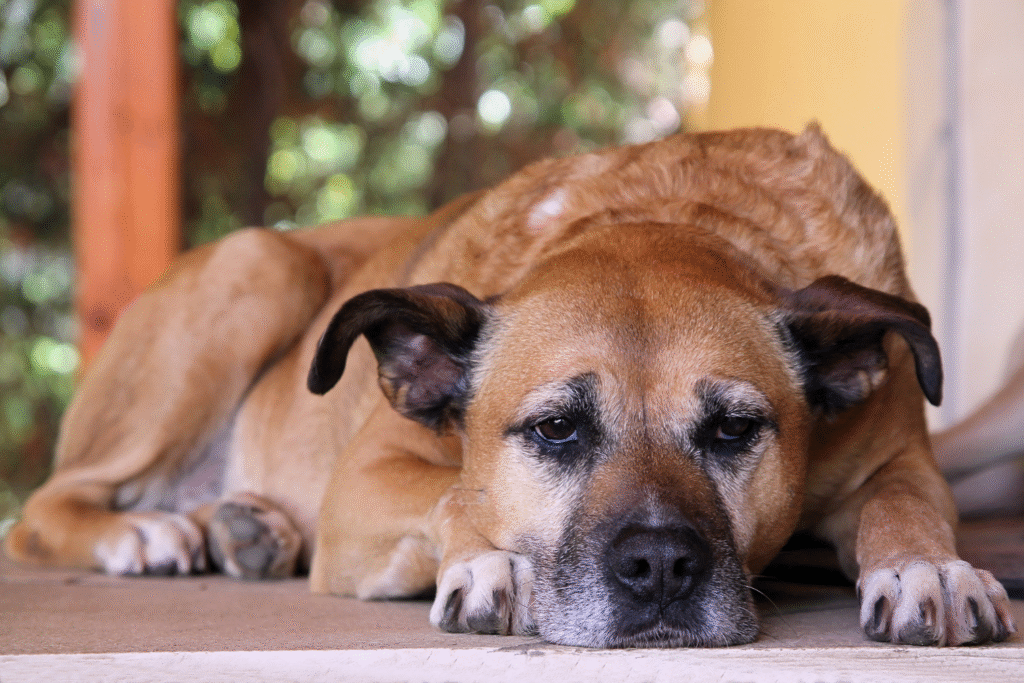
Many owners notice dogs becoming stiff or reluctant to move during cold, damp weather. Lower temperatures reduce joint fluid elasticity, making motion harder. Atmospheric pressure changes can also increase swelling in already inflamed tissues. These flare-ups mimic human arthritis, with bad days and good days alternating unpredictably. Tracking symptoms alongside weather patterns helps owners recognize pain cycles and prepare for seasonal management, warmer bedding, supplements, or vet-approved anti-inflammatories can ease transitions between climates.
9. Licking or chewing specific joints signals discomfort.

Dogs instinctively groom areas that ache. Persistent licking of knees, elbows, or hips often indicates pain underneath. Over time, this can lead to hair thinning or irritated skin, drawing attention to the same spots repeatedly. The behavior isn’t about cleanliness, it’s pain relief through distraction. These localized habits provide a map of where inflammation may be centered, guiding vets toward targeted X-rays or physical exams that confirm disease progression.
10. A quiet change in expression reveals the truth.
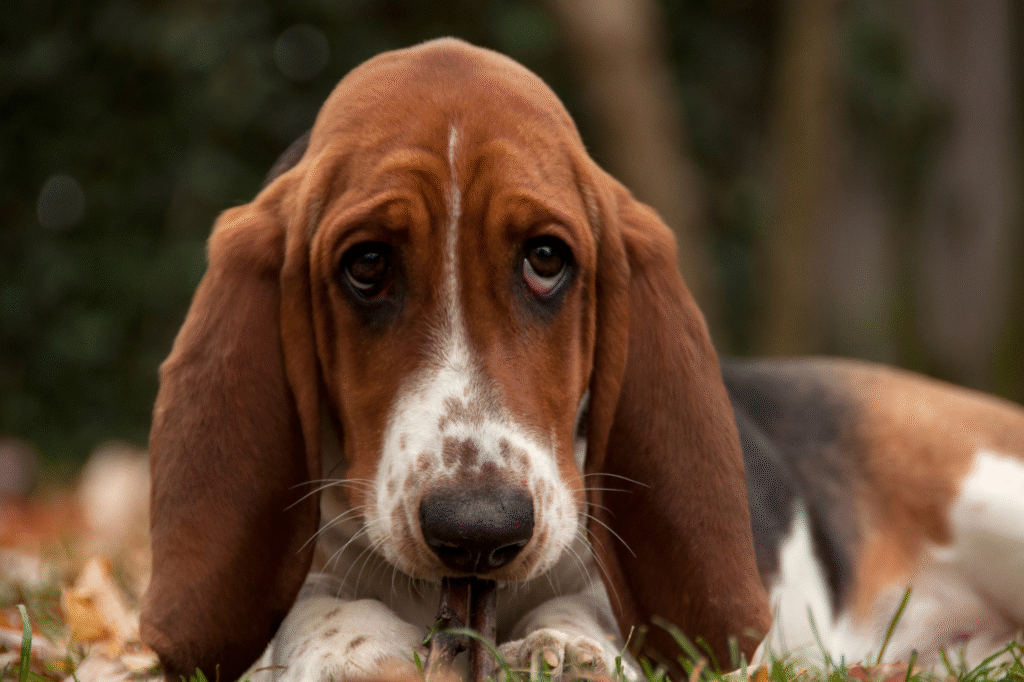
There’s a distinct look dogs develop when something hurts, a furrowed brow, drooping ears, slower blinking. It’s subtle but unmistakable once you know it. Chronic pain etches itself into small details of posture and gaze. They may no longer stretch joyfully after naps or wag as freely when greeting family. Recognizing these understated cues means catching disease before it steals the movements that define a dog’s joy. Joint disease whispers before it shouts, and noticing that whisper early can change everything about a dog’s future comfort.