
What science is revealing about feline longevity differences.

For generations, certain cat breeds have been admired for their beauty, elegance, and distinctive personalities. But as veterinary researchers analyze decades of health records, a pattern is beginning to surface that few owners expect. Some pedigrees appear again and again in studies tracking shortened lifespans and inherited disease. The reasons are complex, and they trace back to choices made long before today’s cats were born. What scientists are discovering is reshaping how experts think about breeding, genetics, and the hidden costs behind some of the world’s most recognizable cats.
1. Persians face chronic risks from their flat faces.

According to the Royal Veterinary College, Persian cats have notably shorter average lifespans than many other breeds due to their genetic predisposition to polycystic kidney disease and breathing complications. Their distinctive flat faces, while striking, restrict airflow and make them prone to chronic sinus and tear duct issues. Owners often overlook subtle signs like noisy breathing or lethargy until disease has progressed.
Even with careful breeding and early screening, the structural traits that define Persians come with unavoidable costs. Their longevity remains tied to the same features that made them famous in the first place.
2. The Scottish Fold’s signature ears come at a price.
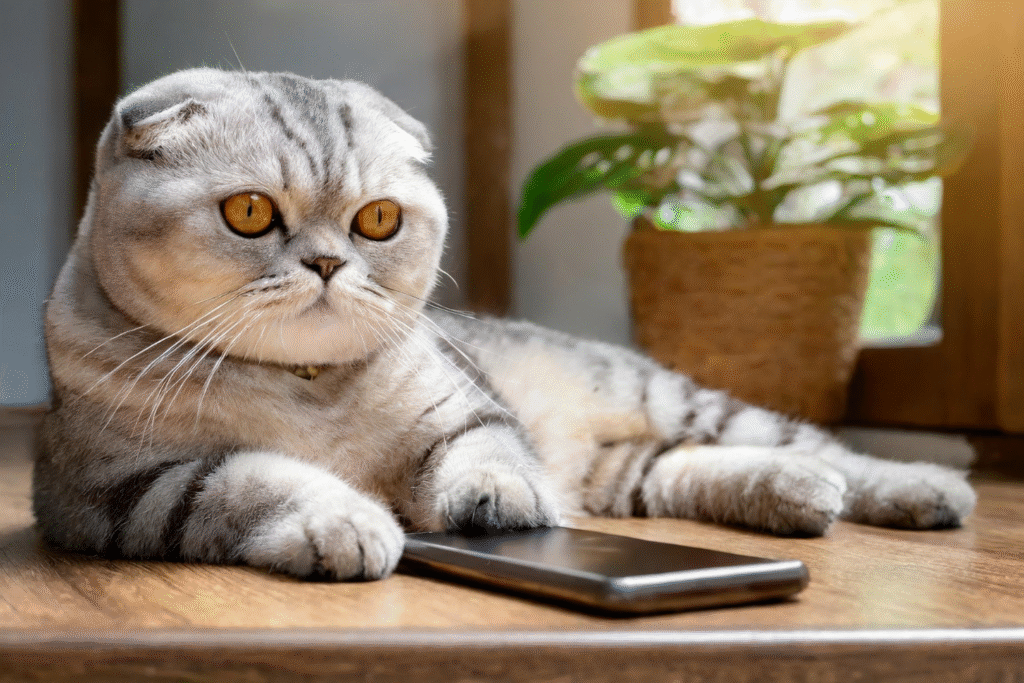
The very gene that makes Scottish Folds so recognizable also causes cartilage abnormalities throughout the body, leading to painful arthritis and early mobility decline. As stated by the American Veterinary Medical Association, this condition, called osteochondrodysplasia, can develop before a cat’s first birthday. Many Folds begin showing stiffness or reluctance to jump while still young.
Even when managed carefully, these skeletal problems limit quality of life and often shorten lifespan. Their charm hides a genetic reality that even responsible breeding practices can’t fully undo, leaving owners heartbroken far too soon.
3. Bengals’ wild genetics link to organ and heart disease.

Bengals owe their exotic appearance to hybrid ancestry, but that lineage also brings certain vulnerabilities. Veterinary research reported by Journal of Feline Medicine and Surgery found higher incidences of hypertrophic cardiomyopathy and chronic kidney disease among Bengals compared to domestic shorthaired cats. Their active metabolisms and high stress sensitivity can accelerate underlying conditions when left unchecked.
Though they appear strong and athletic, these cats often mask illness until it’s advanced. That same untamed energy that captivates people can make spotting health changes far more difficult for owners and vets alike.
4. The Siamese often battle genetic respiratory and dental issues.
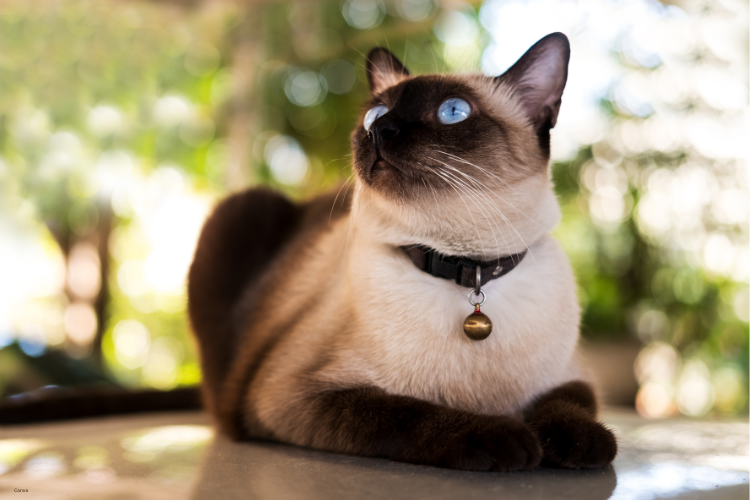
Elegant and vocal, Siamese cats are among the oldest recognized breeds, but their lineage carries inherited respiratory weaknesses. Their elongated skull shape makes them more prone to sinus infections, gingivitis, and asthma. While early intervention helps, chronic inflammation can erode health over time.
Even when well cared for, many Siamese experience gradual decline starting in middle age. Their bright personalities often disguise discomfort, leaving owners unaware until the symptoms are too advanced to manage easily.
5. Maine Coons frequently develop heart disease early in life.
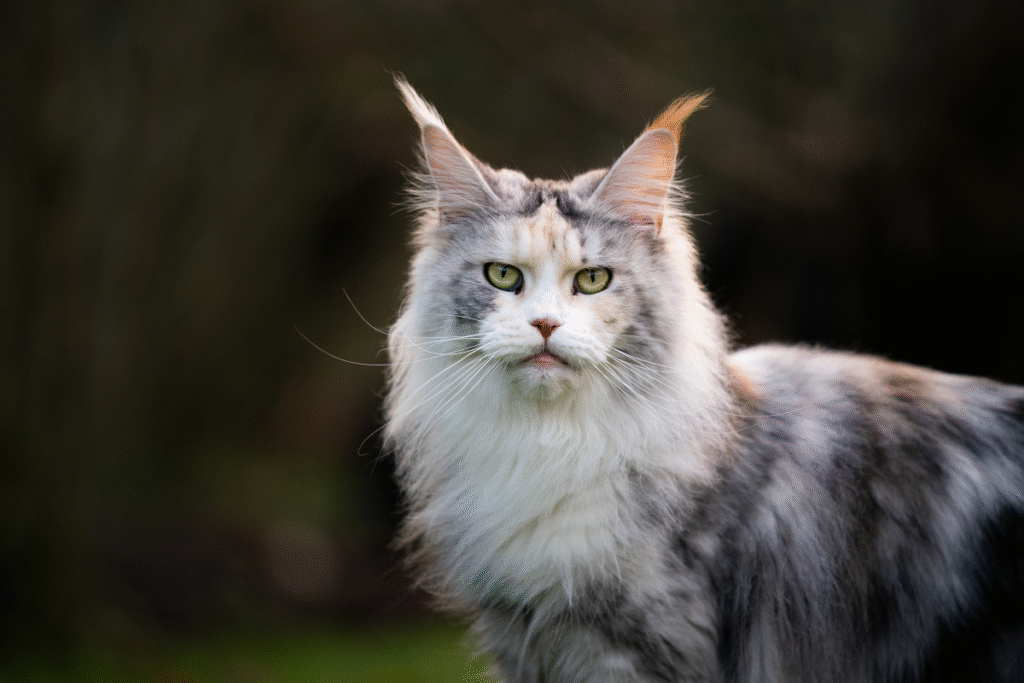
As one of the largest domestic breeds, Maine Coons are adored for their gentle personalities, but their size hides a dangerous secret. They have one of the highest rates of hypertrophic cardiomyopathy among cats, a genetic condition that thickens the heart muscle and shortens lifespan. Without screening, it can go unnoticed until sudden cardiac arrest occurs.
Responsible breeders are working to reduce the gene’s spread, yet even with modern testing, the risk persists. For many Coons, strength and vulnerability coexist in the same oversized frame.
6. British Shorthairs show a surprising fragility behind their build.
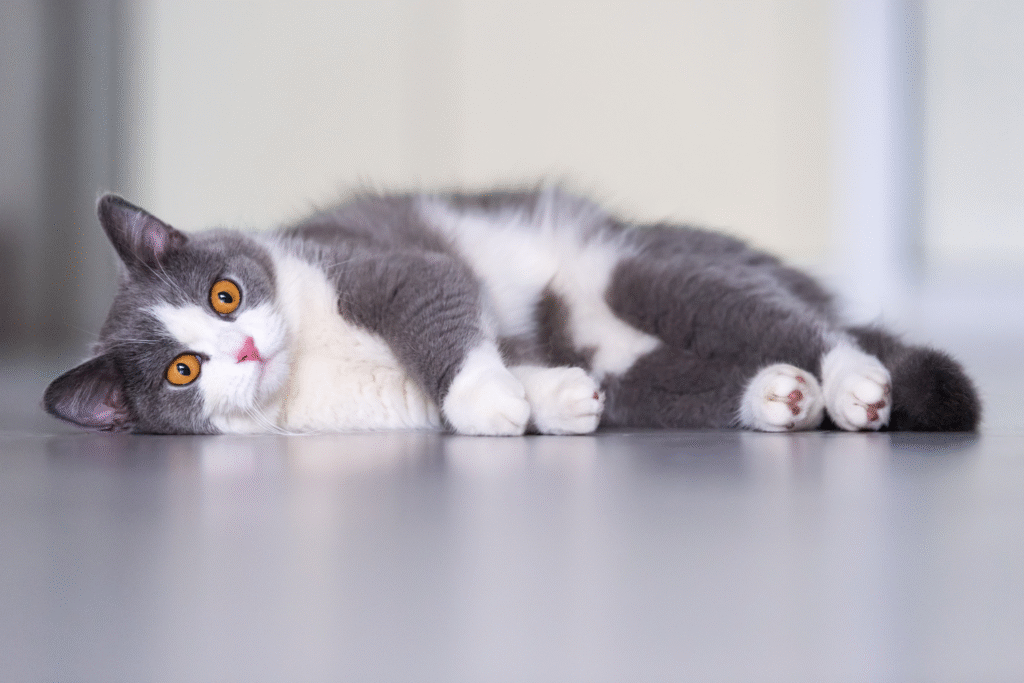
Their round faces and plush coats project health, yet British Shorthairs are genetically predisposed to obesity and heart issues. Once weight gain begins, the strain on their cardiovascular system can spiral quickly, cutting years off their lives. These cats thrive on calm environments but often suffer silently when routine or diet slip out of balance.
Owners who mistake their sturdy look for resilience can miss the early warning signs of declining fitness. Beneath the plush exterior lies a body that requires vigilance, not indulgence.
7. Abyssinians often fall victim to hereditary kidney disorders.

The breed’s athletic grace comes with a hidden weakness, amyloidosis, a genetic disorder that damages the kidneys by depositing abnormal proteins. This condition progresses quietly until irreversible failure begins, often before age ten. Some cats show subtle appetite loss or weight changes months before diagnosis.
Veterinary medicine can slow, but not cure, the disease. It’s a cruel paradox for a breed celebrated for vitality and elegance. Behind their alert eyes and sleek build lies a body fighting an invisible internal battle.
8. The Ragdoll’s calm nature masks silent cardiac risk.
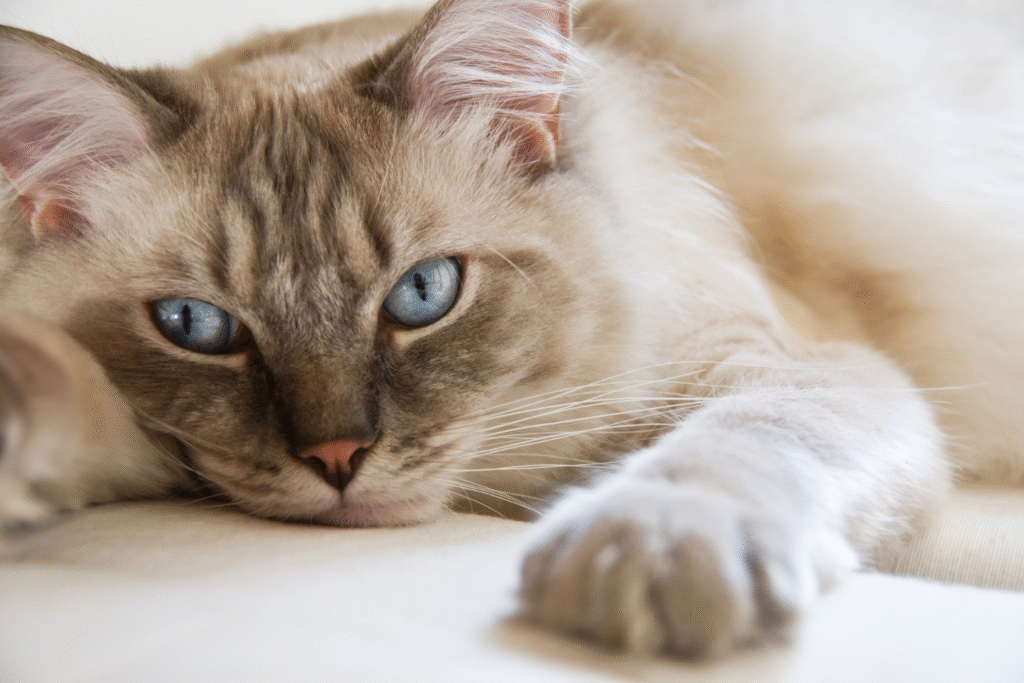
Known for their docile temperament and easygoing charm, Ragdolls are surprisingly prone to the same genetic heart condition as Maine Coons, hypertrophic cardiomyopathy. Because of their gentle personalities, symptoms like fatigue or shallow breathing often go unnoticed. These cats tend to suffer quietly until the disease reaches crisis stage.
Routine echocardiograms are essential for detection, but not always performed. Despite their affectionate nature, their relaxed demeanor makes owners mistake stillness for serenity instead of subtle decline.
9. Burmese cats are predisposed to diabetes and cranial nerve disease.

The Burmese breed’s distinctive round face and heavy build make them susceptible to both metabolic and neurological issues. Their tendency toward insulin resistance mirrors that seen in humans, and untreated diabetes can lead to kidney and heart complications. A separate genetic quirk can affect their balance and coordination in youth.
Careful diet and regular screening can extend their lifespan, but even then, many Burmese cats age more quickly than expected. Their sweetness hides a physiology that demands close attention.
10. Exotic Shorthairs share the Persian’s same hidden dangers.
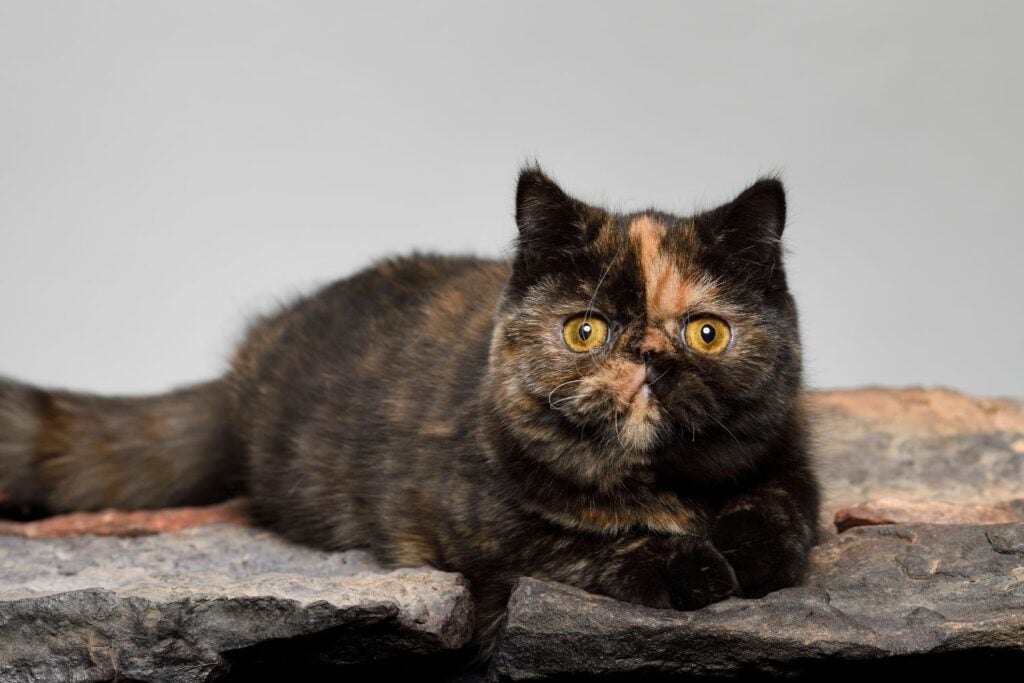
With similar facial structure to Persians, Exotic Shorthairs inherit the same risks, shortened nasal passages, tear duct obstructions, and chronic breathing difficulties. Their shorter coats make grooming easier, but they don’t escape the internal strain caused by brachycephalic anatomy. Episodes of heat intolerance and respiratory distress are common as they age.
Even small changes in environment or stress can trigger cascading health problems. For owners, it’s a reminder that beauty in selective breeding often comes at a lasting physiological cost.
11. Sphynx cats suffer from skin and heart complications.
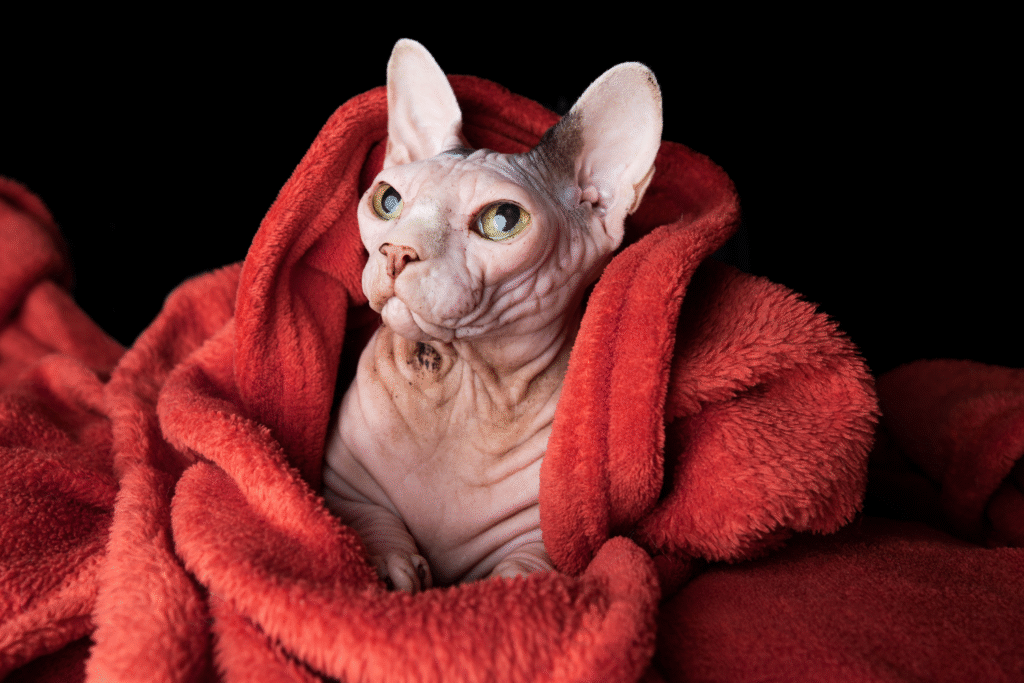
The Sphynx’s lack of fur might make it unique, but the absence of that natural barrier exposes the skin to constant stress. Frequent bathing and temperature regulation are crucial, yet even with care, these cats can develop infections and cardiac issues tied to the same HCM mutation seen in other breeds. Their sensitive systems struggle with environmental fluctuations.
Despite these challenges, many Sphynx cats live fulfilling lives under attentive owners. Their loyalty and warmth make them unforgettable companions, even if nature gave them fewer years to share.