
Deadly encounters often come from the least expected places.

The wild doesn’t just exist in faraway forests—it lives among us, often hidden in plain sight. Across the United States, wildlife encounters range from awe-inspiring to life-threatening, and the most dangerous animals aren’t always the ones with fangs or claws. Some blend into city limits, others roam quiet trails, and a few swim beneath the water’s surface unseen. Every region holds its own hazards, shaped by weather, population, and chance. These are the 13 wild animals most capable of turning an ordinary encounter into a story of survival.
1. White-tailed deer cause the most human fatalities each year.

Statistically, deer are the deadliest wild animal in America, responsible for over 200 deaths annually, primarily through vehicle collisions, according to the Insurance Institute for Highway Safety. They’re unpredictable during dusk and dawn when road visibility is lowest. In fall, bucks enter mating season and become more erratic, darting across highways without warning. People rarely think of deer as dangerous, but the sheer number of collisions makes them a constant, quiet threat. Each graceful leap across the pavement hides the potential for disaster.
2. Mosquitoes spread diseases far beyond the tropics.
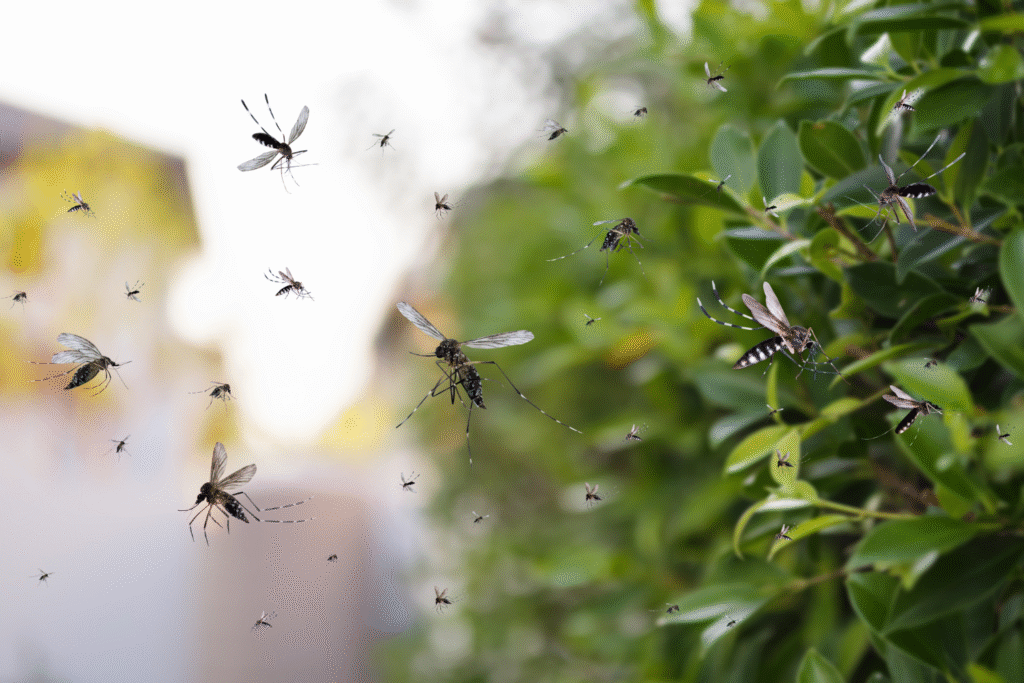
Despite their tiny size, mosquitoes transmit deadly pathogens that kill more people annually than any predator, as reported by the Centers for Disease Control and Prevention. In the U.S., West Nile virus and Eastern equine encephalitis remain persistent threats. Warmer winters are expanding their range northward, bringing risks to areas once considered safe. The danger lies not in their bite but in what rides within it. Mosquitoes prove that danger doesn’t always growl—it sometimes hums just above your skin in the still air.
3. Alligators in the Southeast can strike without warning.
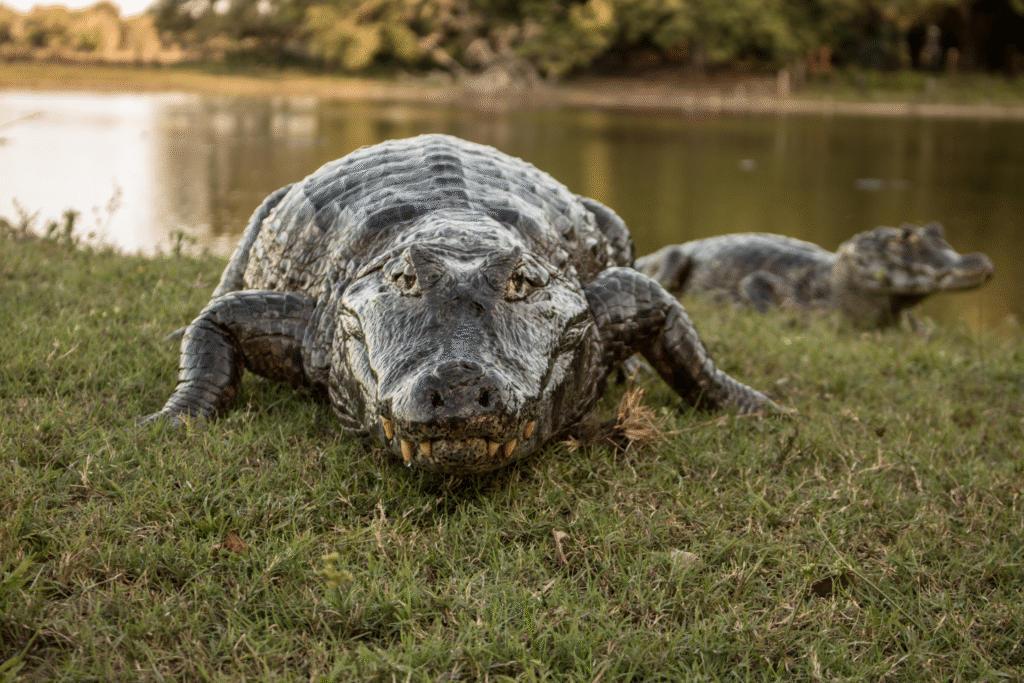
These powerful reptiles inhabit swamps, rivers, and suburban ponds throughout the Southeast. As stated by the Florida Fish and Wildlife Conservation Commission, alligator attacks, though rare, are increasing with human encroachment on wetland habitats. They can lunge in seconds, using over 2,000 pounds of bite force to drag prey underwater. Most victims never see them coming—their camouflage is perfect against dark water. Coexistence is possible, but proximity always comes with a silent risk that never fully disappears.
4. Black bears injure hundreds in encounters every year.

Black bears are widespread, from Appalachia to the Rockies, and most attacks happen when people startle them or approach cubs. They’re curious, intelligent, and increasingly comfortable scavenging near towns. When food sources overlap with human settlements, conflicts rise. Though fewer than five fatal bear attacks occur yearly, the injuries are often severe. Respectful distance and proper food storage prevent most incidents. But one wrong move—an open cooler or a sudden noise—can turn a cautious bear into a charging one.
5. Moose can be more aggressive than predators when provoked.

In Alaska and the northern Rockies, moose injure more people each year than bears. They seem gentle while grazing, but their size—up to 1,500 pounds—makes them unpredictable. During mating season or when guarding calves, they’ll charge with little warning. Drivers in Alaska and Maine face an additional risk: collisions that crush vehicles entirely. The calm look of a moose is deceptive; they react first and think later. Even a single step too close can invite a reaction that ends badly for both species.
6. Mountain lions stalk quietly along the edges of civilization.

These big cats roam across western states and have slowly returned to parts of the Midwest. They typically avoid humans, but runners, hikers, and cyclists occasionally trigger predatory instincts by moving quickly through their territory. Mountain lions can leap 40 feet and strike silently from behind. While attacks are rare, they’re almost always serious when they happen. Solitary and elusive, they remind us that America’s wilderness still has eyes we rarely see—but that see us clearly.
7. Wild boars destroy land and occasionally turn on humans.

Feral hogs now inhabit at least 35 states, multiplying faster than management efforts can contain them. They can weigh over 300 pounds and sprint at 30 miles per hour. When cornered, they attack with razor-sharp tusks, causing deep wounds and infections. Farmers, hunters, and hikers encounter them increasingly in Texas, Oklahoma, and Florida. Their intelligence makes them difficult to trap, and their aggression makes them impossible to ignore. They represent one of the fastest-growing threats to both people and ecosystems.
8. Snapping turtles can inflict crushing, bone-deep bites.

Freshwater lakes and ponds across the Midwest and East host these prehistoric reptiles. Their powerful jaws can deliver bites strong enough to sever fingers, and they strike with startling speed. Anglers and swimmers are the most common victims, often surprised by a turtle hiding beneath silt. While they prefer retreat to conflict, provocation or cornering brings out their explosive defense. The calm surface of a pond often hides an ancient survivor with the patience of stone and the precision of a trap.
9. Bison injure more park visitors than any other large mammal.

Yellowstone’s iconic herds attract tourists who underestimate their power. Weighing over a ton, bison can sprint 35 miles per hour and toss a person several feet into the air. The National Park Service reports that nearly every year, people are gored or trampled after approaching too closely for photos. Their warning signs—snorts, raised tails, pawing—go unnoticed by those blinded by curiosity. The danger isn’t their aggression, but our failure to respect their boundaries. Nature’s patience ends where our carelessness begins.
10. Coyotes in urban areas are growing bolder each year.

Coyotes now thrive in nearly every U.S. city, adapting effortlessly to backyards, parks, and highways. They’ve learned to scavenge trash, prey on small pets, and coexist alongside people. When they lose fear of humans, encounters can escalate quickly. Attacks on adults remain rare, but children and unattended pets are more vulnerable. Their adaptability makes them both impressive and concerning. They move like ghosts between neighborhoods, proving that wilderness doesn’t stop at the city line—it adjusts and evolves quietly within it.
11. Beavers can deliver dangerous bites to intruders.
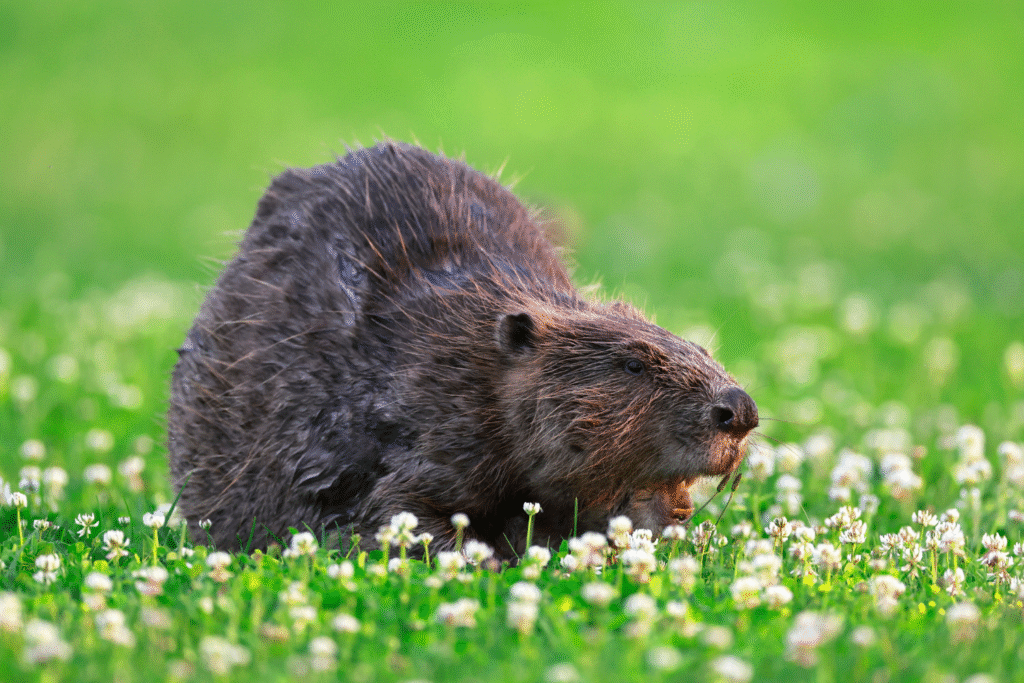
Few expect risk from a beaver, but these territorial animals defend dams and dens fiercely. Their front teeth are designed to cut through hardwood, and in rare attacks, they’ve caused severe lacerations and even fatalities. Most incidents occur when swimmers or pets approach too closely to their lodges. Beneath the calm surface of ponds, they move with precision and power, striking when startled. The danger isn’t frequency—it’s force. A single bite carries more strength than anyone expects from such a quiet creature.
12. Swans turn violent during nesting season near humans.

Mute swans, though elegant and seemingly peaceful, are known to attack when protecting nests. Each bird can weigh over 30 pounds and has wings strong enough to bruise or knock a person down. Several cases of drownings have been reported worldwide after swans capsized small boats or chased swimmers. In the U.S., they’re invasive in parts of the Midwest and Northeast, disrupting local wildlife. Their aggression peaks in spring, reminding people that beauty and danger often share the same reflection in the water.
13. Venomous snakes remain a hidden hazard across the country.

The U.S. is home to over 20 venomous species, including rattlesnakes, copperheads, and cottonmouths. Most bites occur when people accidentally step too close or attempt to handle them. Though antivenom has made fatalities rare, the pain and tissue damage can be life-altering. Warm weather and suburban sprawl increase encounters as snakes seek food and shelter in yards and trails. Their warning rattles or defensive postures are clear messages, yet often ignored. The real danger lies in assuming they’re too rare to encounter—when in truth, they’re everywhere the ground stays warm.