
Their disappearance left more than silence behind.
Extinction feels like an ancient problem, something that happened to creatures with scales and tusks long before we came along. But some of the most beautiful animals to ever live vanished within living memory, erased by our roads, trade, and warming climate. They were here recently enough to have been photographed, studied, and even named by people still alive today. Each loss is its own story—a warning about fragility disguised as beauty. What’s gone isn’t just life itself, but an entire way the planet once looked and sounded.
1. The Splendid Poison Frog vanished before anyone could save it.
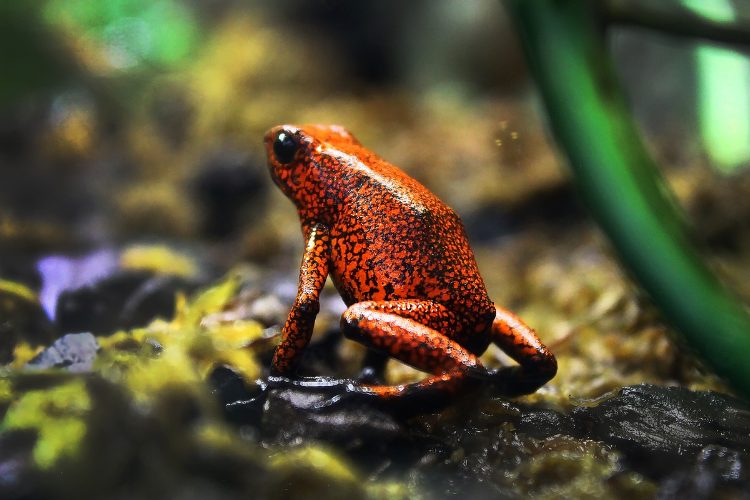
This tiny, iridescent red frog from Panama was officially declared extinct in 2020 after disappearing from the wild decades earlier. According to the International Union for Conservation of Nature (IUCN), its loss came from a perfect storm of habitat destruction and a fungal disease that swept through Central America’s amphibians. Scientists searched the forest floors where it once gleamed like a jewel and found nothing. Its name—“splendid”—now feels like both an honor and an epitaph, a reminder of how quickly beauty can vanish.
2. The Bramble Cay Melomys lost its entire home to the sea.
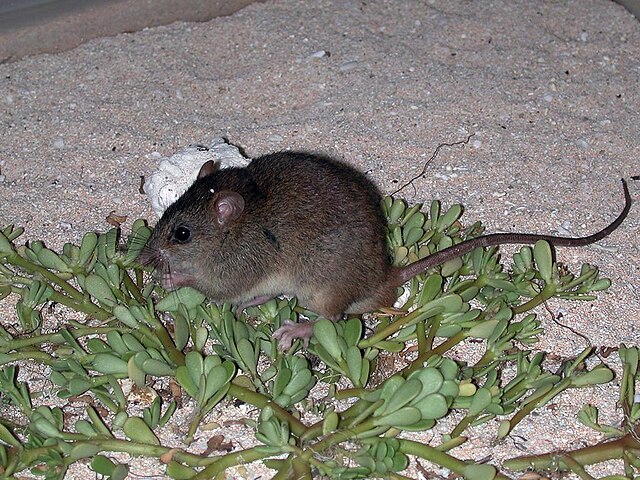
Australia’s Bramble Cay Melomys, a tiny brown rodent with bright eyes, lived only on a small sand island at the edge of the Great Barrier Reef. As stated by the Australian Department of Environment, its home was slowly swallowed by rising sea levels and violent storms, leaving nowhere to burrow or feed. It became the first mammal declared extinct due to climate change. The idea that an entire species could be erased by weather feels almost surreal, yet it’s already happened—quietly, without a single human witness.
3. The Pinta Island Tortoise’s last member died in 2012.

Lonesome George was the final Pinta Island Tortoise, and his death marked the end of his species forever. As reported by the Galápagos Conservancy, George lived a long, pampered life in captivity while scientists tried for years to breed him. None succeeded. When he passed in 2012, his 200-pound body became a symbol of loss and effort arriving too late. His kind once wandered the volcanic slopes of Pinta Island, slow and timeless. Now, their shells remain only in museums, polished by human regret.
4. The Ivory-Billed Woodpecker faded into rumor and memory.

Once known as the “Lord God Bird” for its sheer size and beauty, this woodpecker ruled the forests of the American South. After logging destroyed most of its habitat, sightings became whispers. Decades later, scientists armed with cameras and drones scoured swamps in Arkansas, claiming faint glimpses of its black-and-white wings—but none could prove it. Whether it still exists or not, the bird’s near-mythical status captures something about our denial. We want to believe it survived, because losing it feels too heavy to accept.
5. The Western Black Rhino disappeared under our watch.
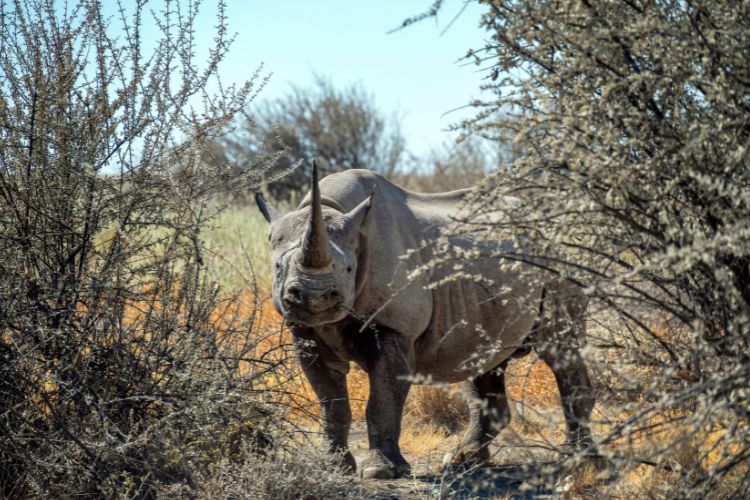
The Western Black Rhino once grazed across the savannas of Cameroon, its gray hide and delicate upper lip instantly recognizable. Poaching for horns decimated its numbers, and conservationists sounded alarms for years. By the time the IUCN declared it extinct in 2011, it had been years since anyone had seen one alive. The tragedy wasn’t just its death but how preventable it was. In the end, greed outpaced protection, and a creature that had survived millions of years could not survive us.
6. The Passenger Pigeon died out in a single lifetime.

There was a time when their flocks were so dense they darkened the sky over North America. Yet by the early 1900s, relentless hunting and deforestation wiped them out. Martha, the last known passenger pigeon, died in 1914 inside a Cincinnati zoo. It’s almost impossible to imagine a world where abundance collapses into nothing that fast. The species’ extinction remains one of the most haunting examples of how human progress can erase even the most plentiful life.
7. The Pyrenean Ibex flickered back for seven minutes.

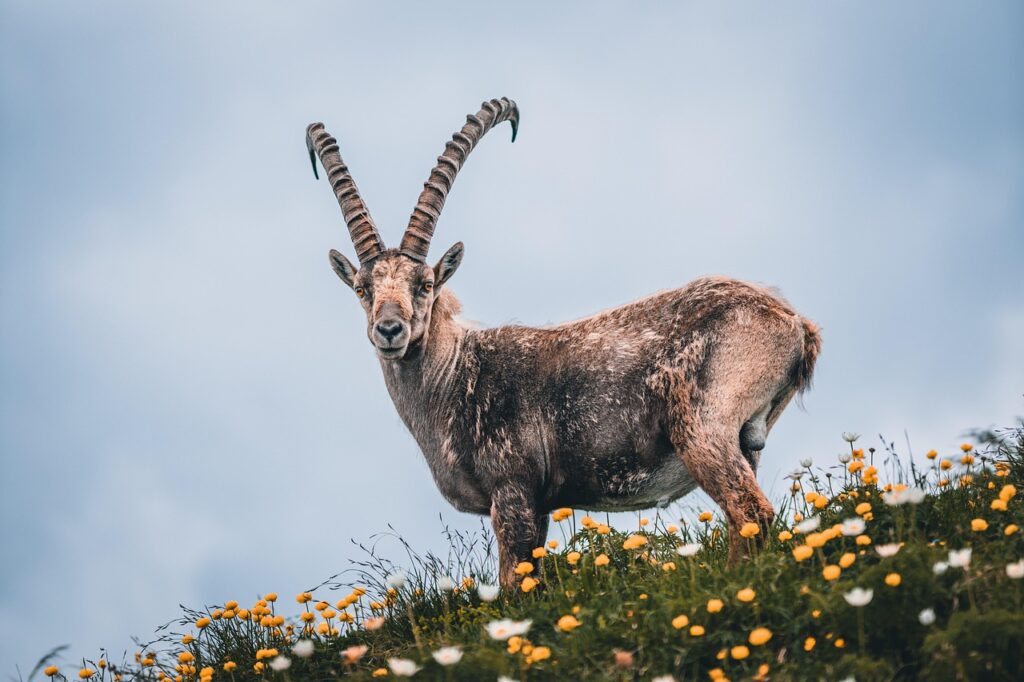
This Spanish mountain goat was declared extinct in 2000, but scientists briefly “resurrected” it in 2009 using cloned DNA. The cloned ibex lived for just seven minutes before dying due to lung failure. It was the first animal to go extinct twice. For a moment, humanity glimpsed what it might mean to undo loss, and the result was both remarkable and tragic. The mountains it once scaled remain empty, holding echoes of hooves that science can’t truly bring back.
8. The Baiji River Dolphin couldn’t survive a modern river.

Once gliding through China’s Yangtze River with eerie elegance, the Baiji was declared functionally extinct in 2006. Industrial shipping, pollution, and overfishing turned its ancient habitat into a maze of danger. Locals once called it the “Goddess of the Yangtze,” believing it to be divine. When the river grew loud and dirty, the goddess went silent. Her loss was the first known extinction of a large aquatic mammal caused directly by human activity, and the water has felt emptier ever since.
9. The Great Auk’s end came on a cold island rock.
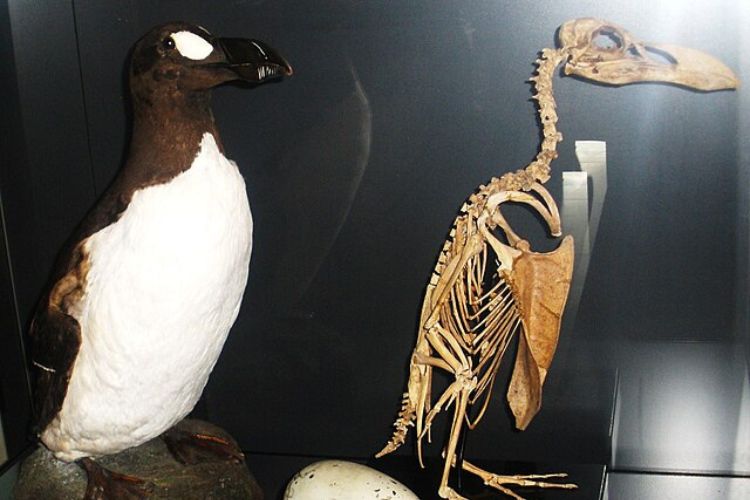
A flightless seabird once thriving across the North Atlantic, the Great Auk was hunted relentlessly for its feathers, meat, and oil. The last pair was killed in 1844 on a remote Icelandic island while guarding their single egg. Their story feels ancient, yet the pattern hasn’t changed—demand always wins. Museums still display their sleek black bodies under glass, eerily upright as if they might move. They don’t, of course. Their stillness speaks louder than sound ever could.
10. The Dusky Seaside Sparrow sang until the marsh went silent.
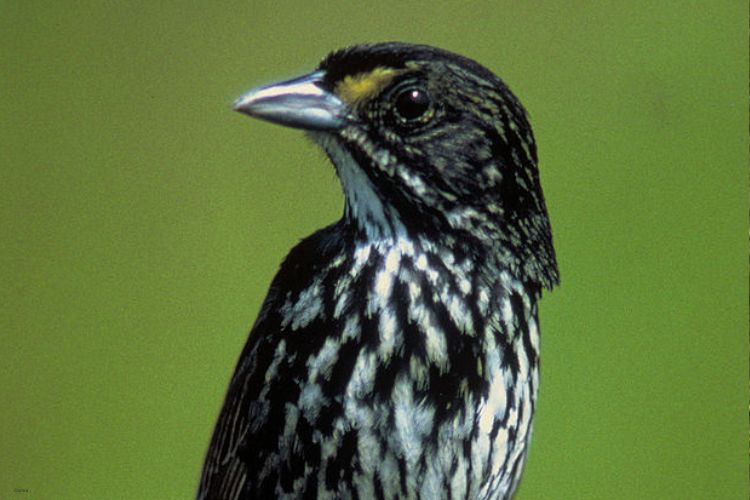
This small Florida bird was doomed when its salt marshes were drained for development near Cape Canaveral. By the 1970s, only a few remained, all male. They sang into the empty air, their calls unanswered. The last one died in 1987. Its extinction didn’t just erase a species; it erased a sound. Each chirp was a piece of the coast’s original music, gone the moment we stopped listening. And that’s what these losses truly leave behind—a quieter, smaller planet.