
What scientists are seeing now raises red flags.
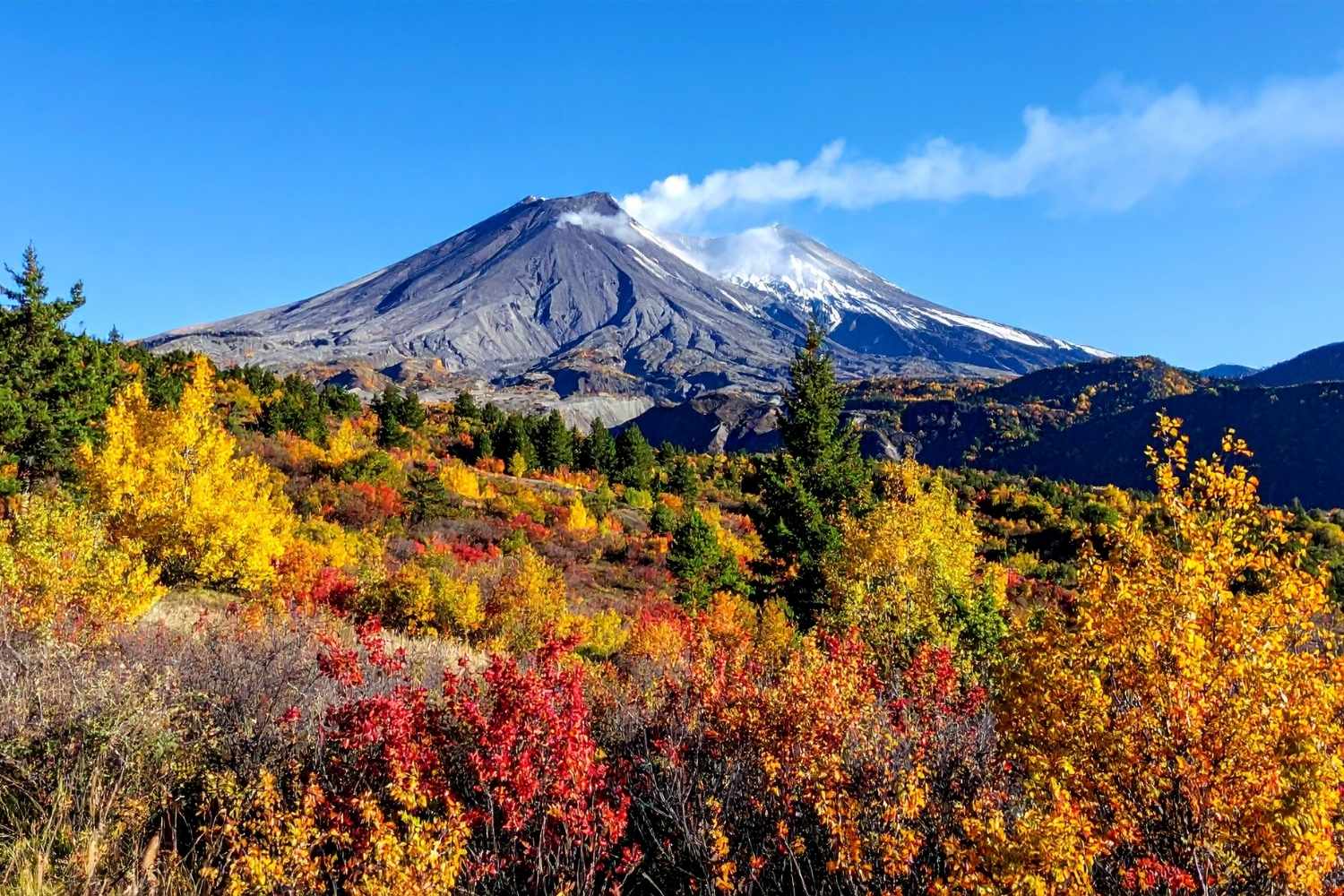
From a distance, everything about Mount St. Helens looks settled. The slopes have stabilized, the forests have crept back in, and the crater sits where it always has, quiet against the sky. For years, that stillness has been taken as a sign that the mountain is simply in one of its quieter phases. But recently, scientists looking deeper have started to notice patterns that don’t quite line up with that idea. Signals are appearing in places most people would never think to look, and they don’t point to something fading out. If anything, they suggest a system that may not be as settled as it seems.
1.The mountain didn’t erupt the way anyone expected.
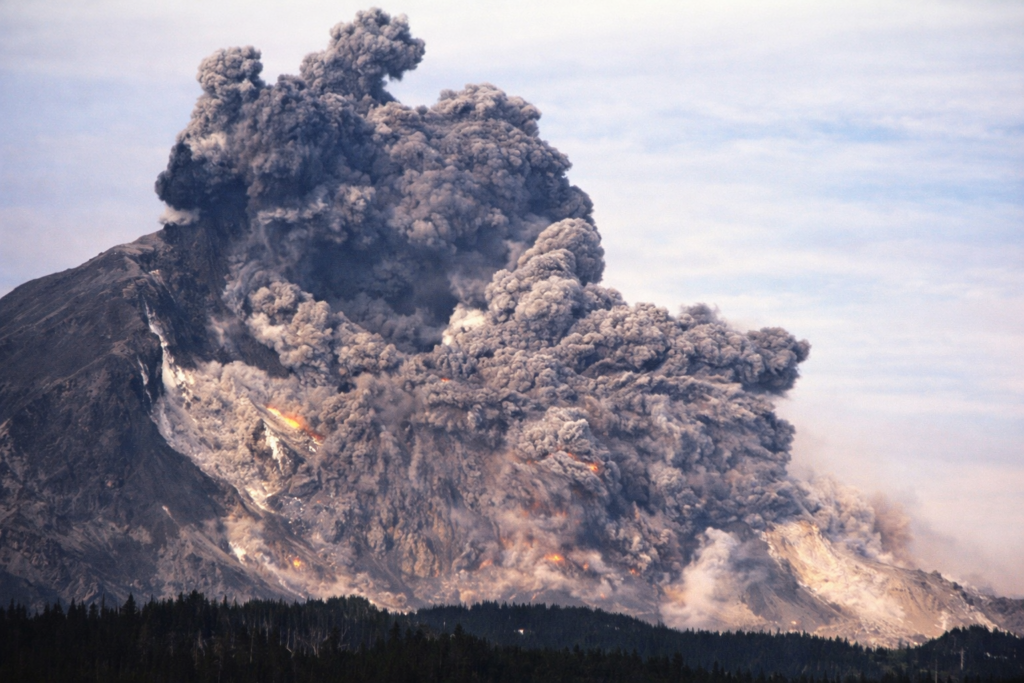
On May 18, 1980, Mount St. Helens didn’t explode straight upward like a typical volcano. Instead, a powerful earthquake triggered the largest landslide in recorded history, ripping away the mountain’s north face in seconds. What followed was a sideways blast of superheated gas and ash that tore through forests, flattening everything in its path for miles. According to the U.S. Geological Survey, the eruption released energy comparable to hundreds of atomic bombs. In just minutes, the landscape was transformed into a gray, silent expanse, leaving behind a crater and a stark reminder that this mountain doesn’t follow the usual rules.
2. A large magma reservoir still stirs beneath the mountain.

Researchers using high-resolution seismic mapping detected a broad zone of partial melt several kilometers beneath Mount St. Helens, confirming magma remains active. Deep gas samples taken from vents showed elevated carbon dioxide levels, a chemical fingerprint of magma degassing. The discovery paints a vivid picture of heat still moving within the crust, slowly recharging the system. As stated by the U.S. Geological Survey, this persistent gas output is a strong indicator that molten rock continues to reside below the volcano, ready to awaken given the right pressure conditions.
3. Hundreds of small earthquakes are rumbling underfoot.
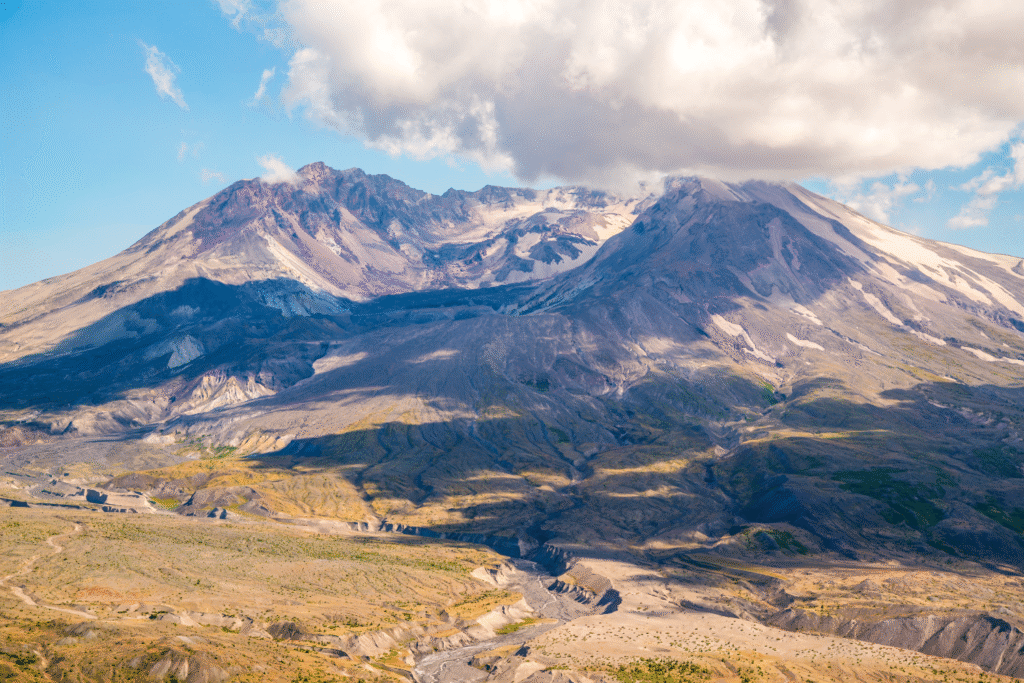
In recent months, scientists recorded an uptick in microquakes, tiny but telling signals that magma and fluids are shifting underground. These events, most occurring 4 to 10 kilometers below the summit, trace the movement of molten material through cracks in the crust. Seismologists describe them as the heartbeat of a living volcano. The data suggests St. Helens is slowly refilling its magma chamber rather than cooling into dormancy. This interpretation was confirmed by experts at the Pacific Northwest Seismic Network, as reported by KPTV.
4. The volcano’s hidden plumbing system looks more complex than ever.
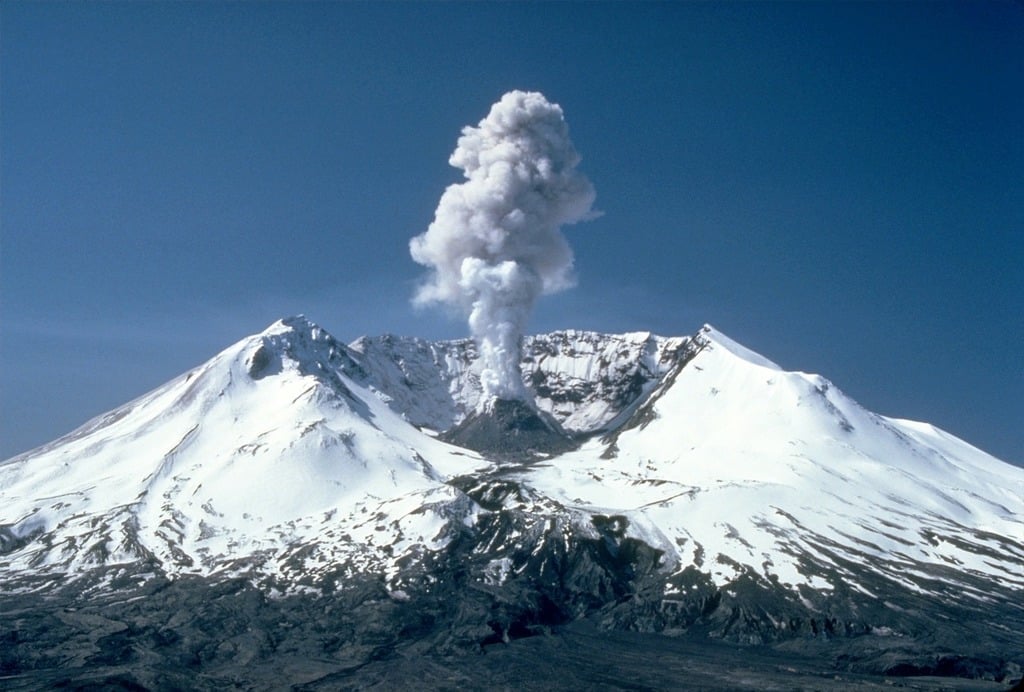
Deep electromagnetic imaging has revealed that magma doesn’t travel straight upward from one source. Instead, it snakes through a network of ancient fault lines and sutures that connect the upper and lower crust. These pathways act like valves, channeling molten material from the mantle toward the surface in unexpected directions. As discovered by the U.S. Geological Survey, the magma feeding Mount St. Helens may originate from a broader area beneath the Cascade Range, guided by deep crustal weaknesses that act as escape routes for pressurized melt.
5. Gas levels above the crater are quietly increasing.
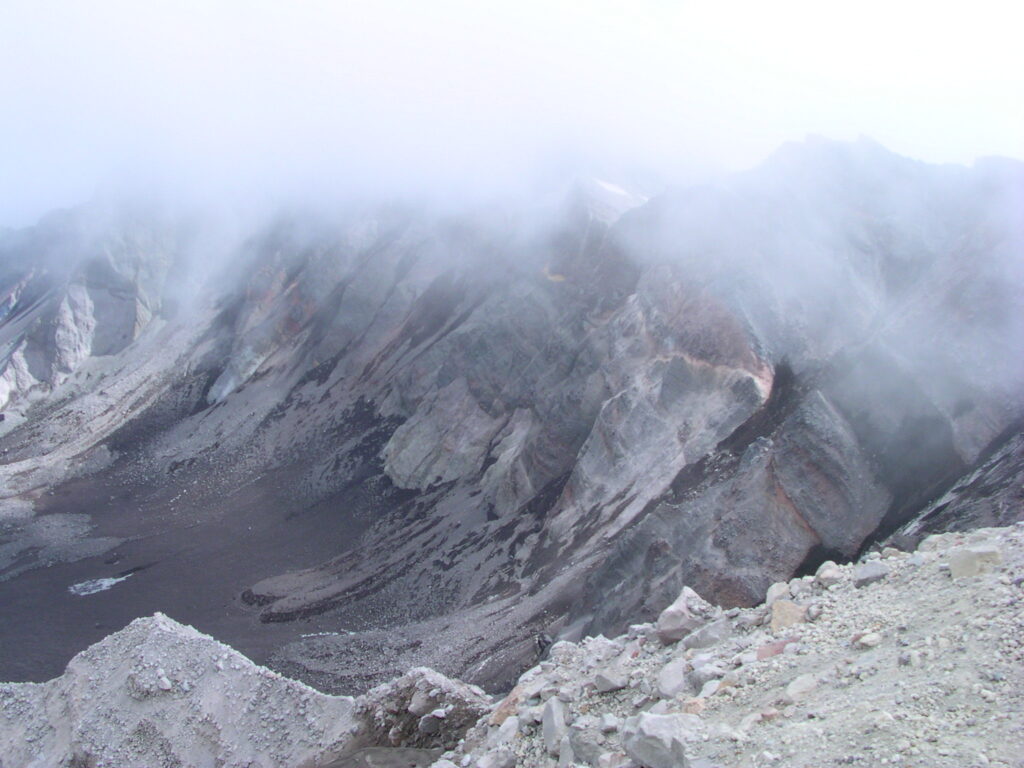
Scientists monitoring carbon dioxide and sulfur dioxide have noticed a gradual rise in concentrations near the crater rim. These gases often precede new magma movement, signaling pressure changes or fluid migration underground. While still within normal background limits, the pattern mirrors pre-activity phases seen before previous dome-building events. It’s subtle, like an exhale before a word, but meaningful for those reading the mountain’s clues.
6. The ground around St. Helens is ever so slightly rising.
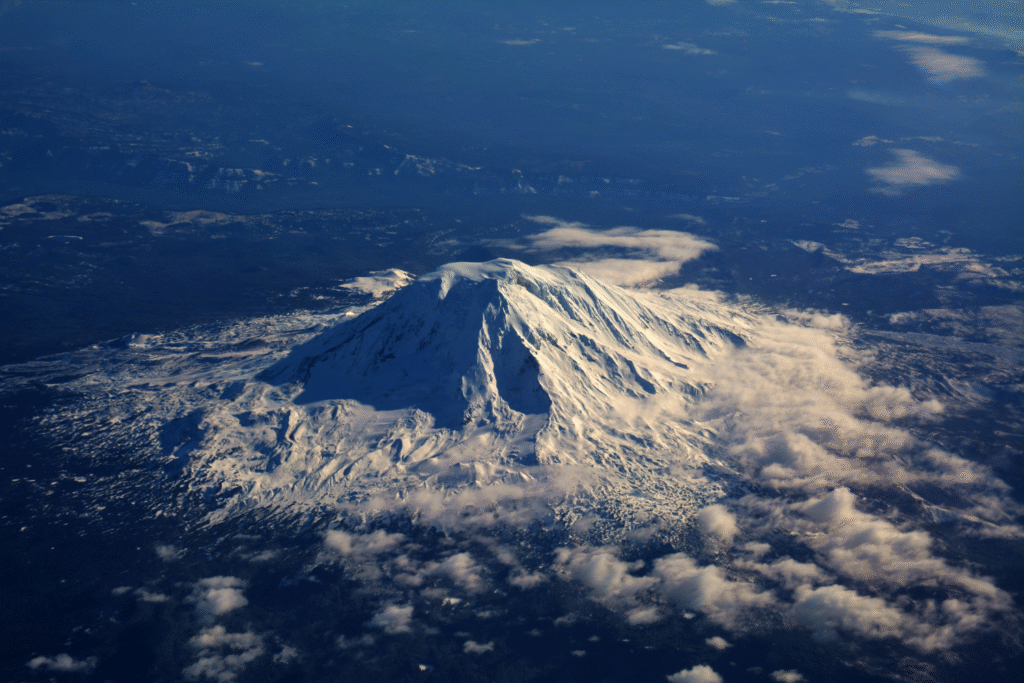
Satellite radar and GPS measurements show gentle, persistent uplift across sections of the caldera. The deformation is small, just millimeters per year, but consistent with magma accumulating at depth. Such slow inflation can continue for years without eruption, though it confirms a system that’s far from inert. When paired with gas and seismic data, it completes a picture of quiet internal buildup.
7. The 2004–2008 dome-building eruption now looks like a preview.

Two decades ago, Mount St. Helens oozed new lava rather than exploding, forming a slow-growing dome inside the crater. Scientists now believe that episode was part of a longer recharging cycle. The magma feeding those events may have been drawn from the same deep reservoir still active today. That dome growth demonstrated how this volcano doesn’t need a violent eruption to mark change, it evolves, even in silence.
8. Modern technology is rewriting volcanic forecasting.
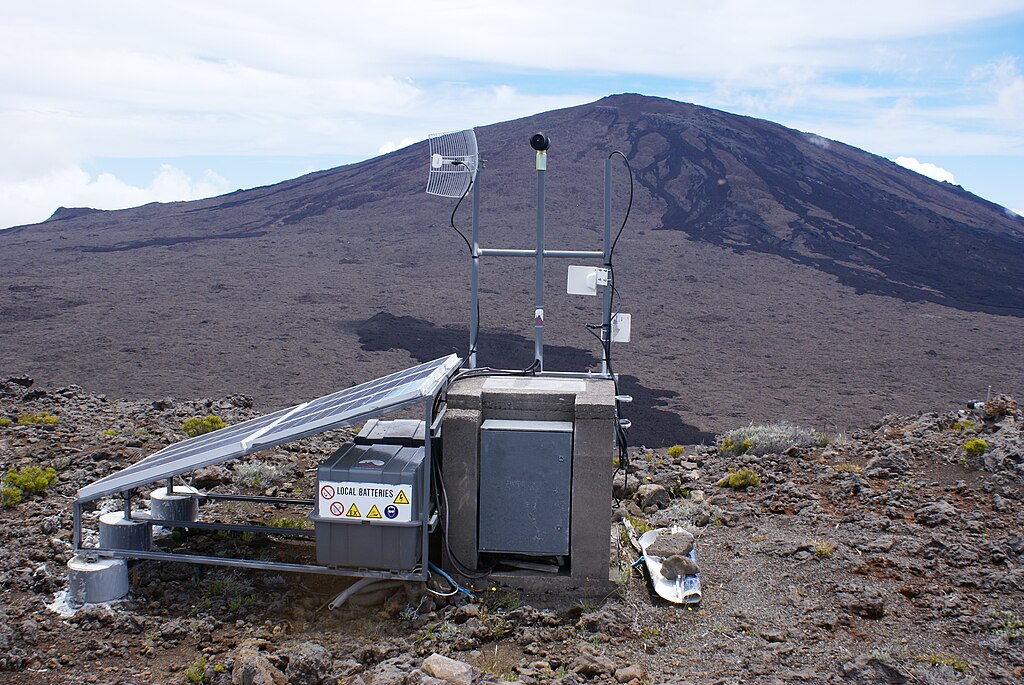
What once took decades of observation can now be seen in real time. Dense seismic arrays, gas sensors, and satellite imaging reveal shifts deep within the Earth that were invisible a generation ago. Mount St. Helens is one of the most monitored volcanoes on the planet, serving as both a warning system and a testing ground for new predictive tools. With each tremor, sensors capture data that sharpens our understanding of how volcanoes prepare to erupt.
9. Scientists are reevaluating regional volcanic risk maps.
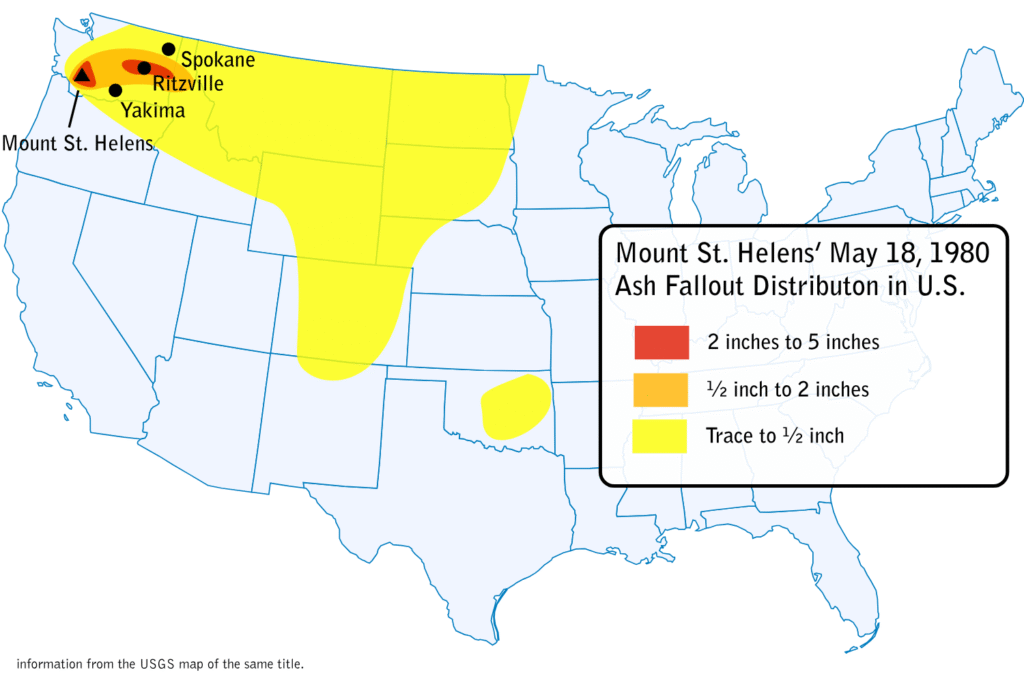
The new findings may alter hazard models across the Cascades. If Mount St. Helens remains active at depth, nearby peaks like Mount Adams and Mount Hood could also be influenced by interconnected magma systems. Researchers are already revisiting eruption timelines, emergency routes, and evacuation plans to reflect a dynamic landscape rather than a dormant one.
10. Local communities remain vigilant but calm.
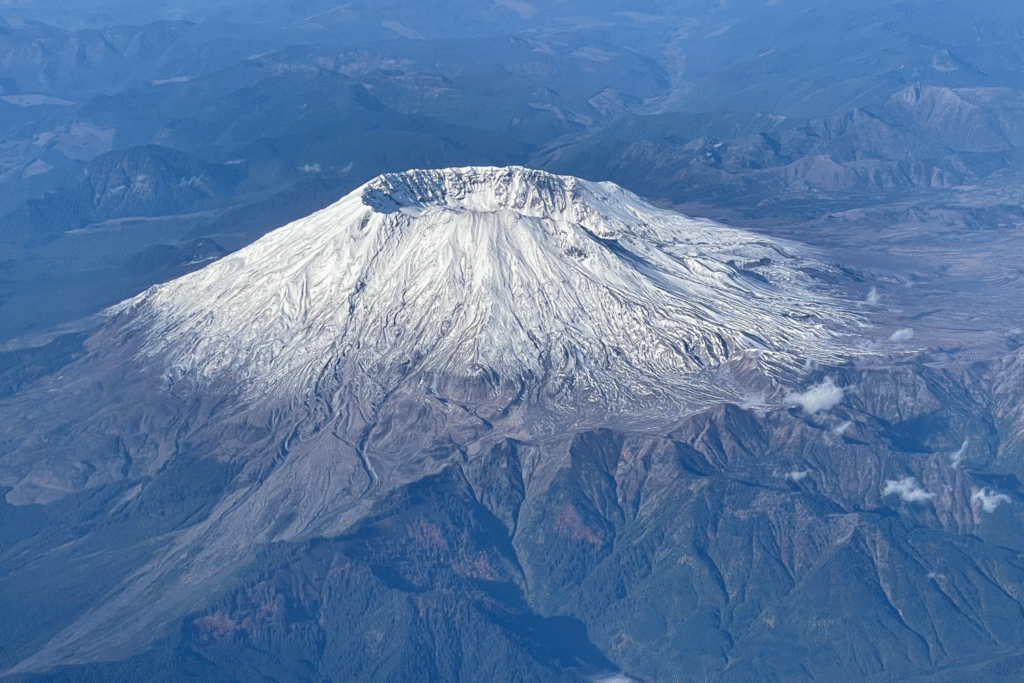
Residents of southwest Washington know the mountain’s moods well. The faint earthquakes and new research are being met with scientific curiosity rather than panic. Authorities emphasize that no eruption is imminent, but they encourage awareness and preparedness. It’s a delicate balance, respecting the mountain’s history without fearing every tremor that passes beneath it.
11. The discovery marks a turning point in how we listen to Earth.
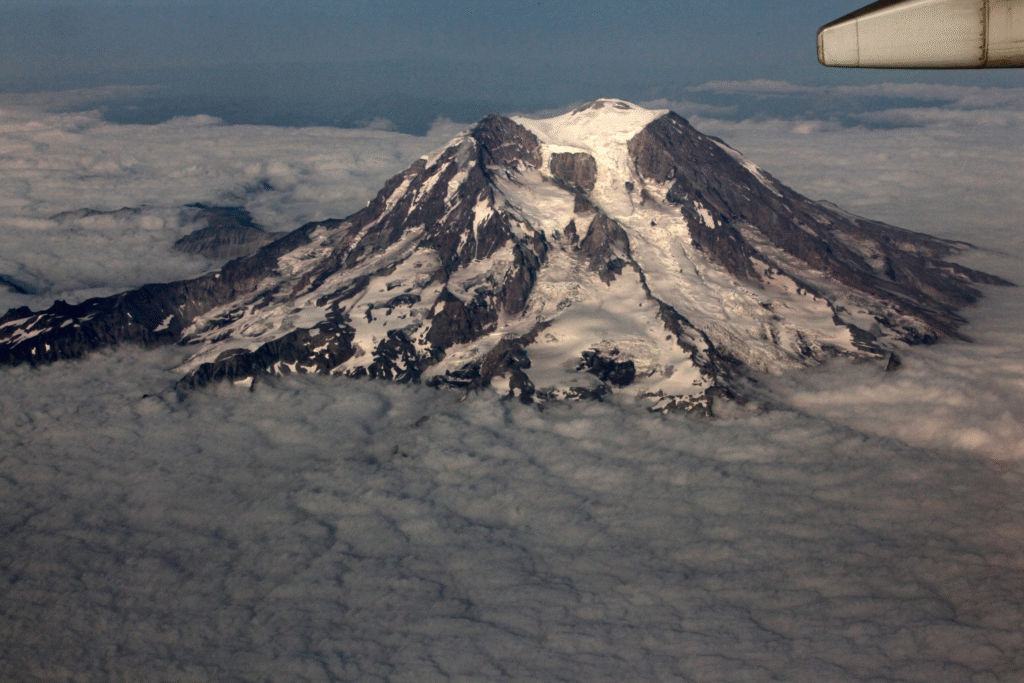
Mount St. Helens is teaching scientists that volcanoes don’t sleep so much as cycle through quieter chapters. With every new image and data stream, the story of this mountain grows deeper and more intricate. The signs aren’t about alarm, they’re about awareness. This discovery reminds us that beneath the stillness of Washington’s forests, the planet is still writing its own next chapter. What looks calm on the surface often hides movement far below, shaping what comes next in ways we’re only beginning to understand. And for now, the mountain remains part of an unfolding story that scientists are still trying to read in real time.