
Ancient walls suddenly match long-lost scriptural descriptions.

Deep beneath the city once ruled by kings, archaeologists have exposed a massive defensive trench—commonly called a moat—matching accounts from the Biblical era. The find is in City of David in Jerusalem and dates to the Iron Age, a time when the texts of 1 Kings and 2 Samuel were being composed. Though scholars have long debated its existence, new excavations and dating methods now strongly link this man-made structure to the very world described in those ancient writings.
1. The trench runs nearly one hundred feet wide.
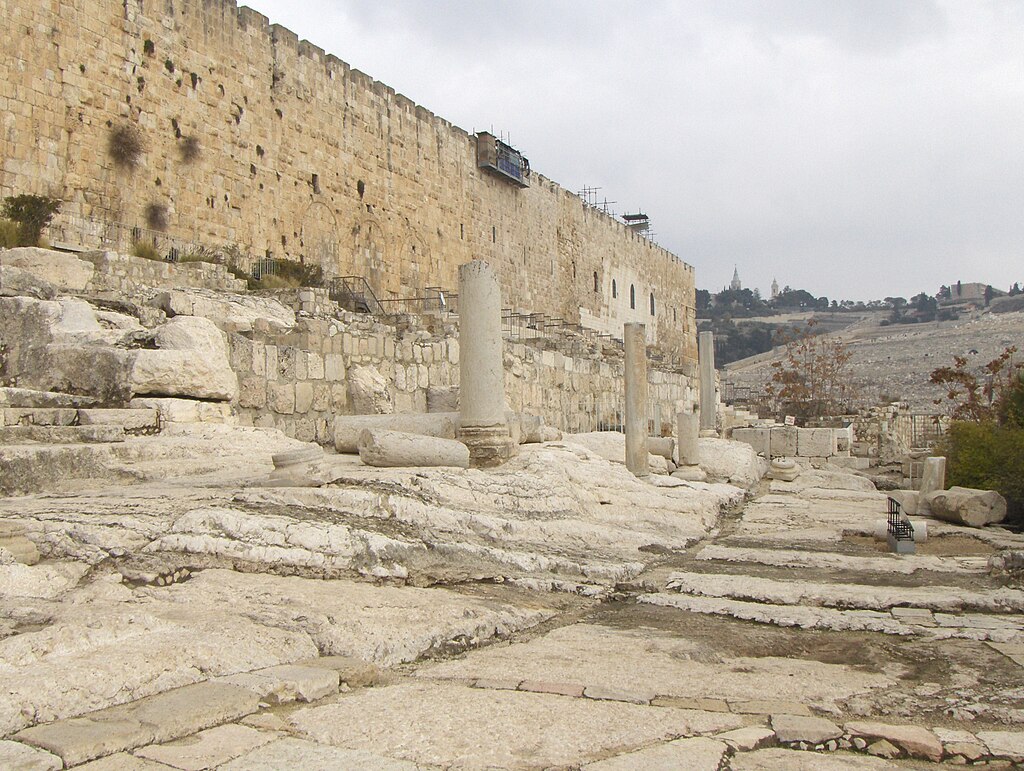
The newly revealed moat in the City of David stretches almost 100 feet across and is deeply cut into bedrock. As discovered by the excavation team, the steep flanks would have made crossing nearly impossible. Researchers believe this design served both defense and social division within ancient Jerusalem. Excavators from the Israel Antiquities Authority reported that the scale and precision of the cut signify advanced planning and construction techniques for the ninth century BCE era.
2. The fortress feature aligns with biblical descriptions of Millo.
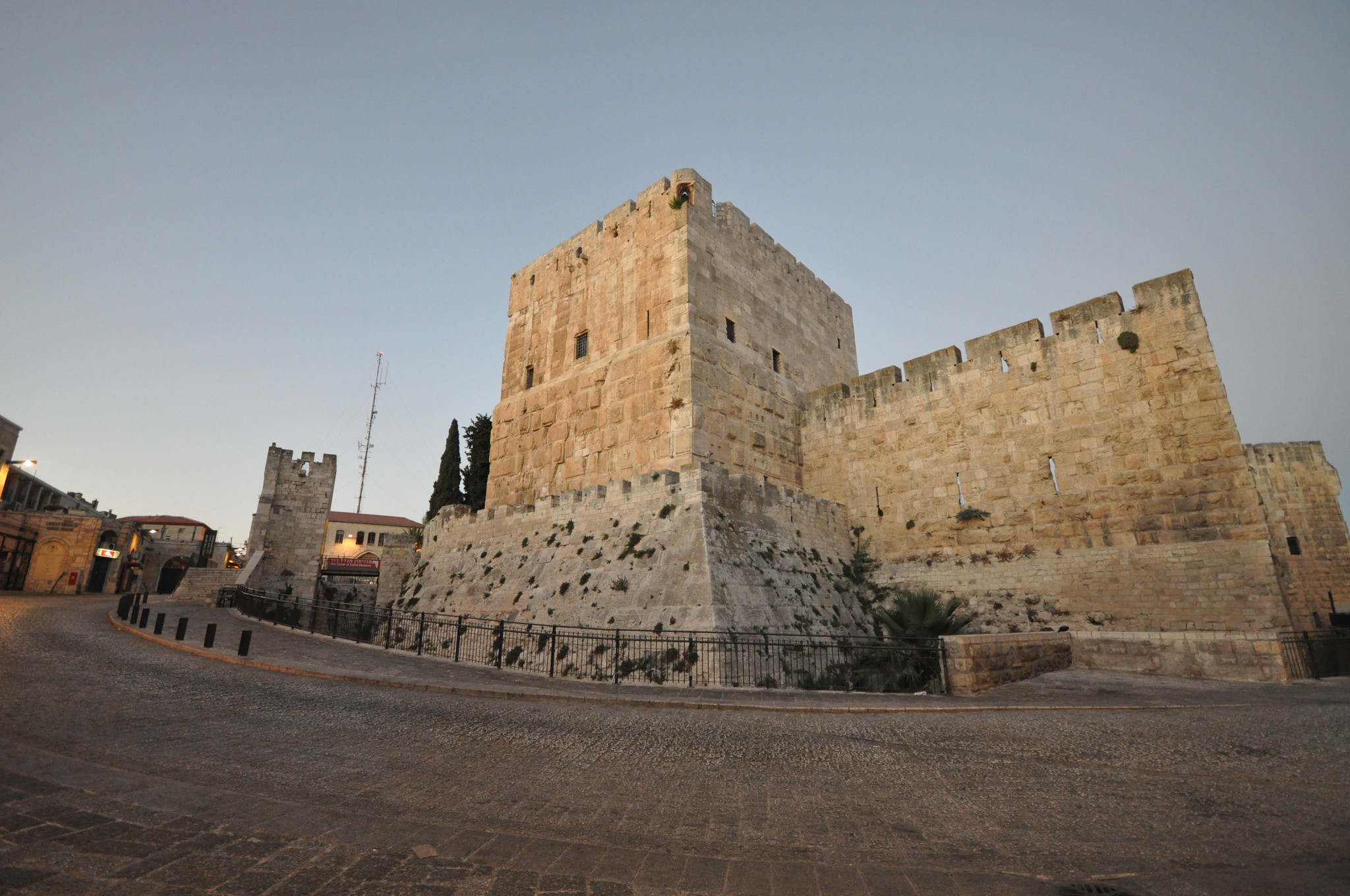
Scholars have long referenced the biblical “Millo”-earthwork described in 1 Kings 11:27, and this excavated structure appears to correspond with that. According to archaeologists the feature closed a breach in the city wall and separated lower from upper city zones. Fabrication and dating suggest this ditch was functional during the time of the kingdom of Judah, reported by excavation leads.
3. The dating points to the era of King David and Solomon.

Radiocarbon and stratigraphic evidence place the construction of the moat in the ninth to tenth centuries BCE, coinciding with the reigns of David and Solomon. As stated by the Israel Antiquities Authority, these results challenge minimalist views that doubted large-scale construction in that period. This helps bridge archaeological data with textual tradition, offering new insight into ancient urban planning.
4. The structure divides ancient city zones purposefully.
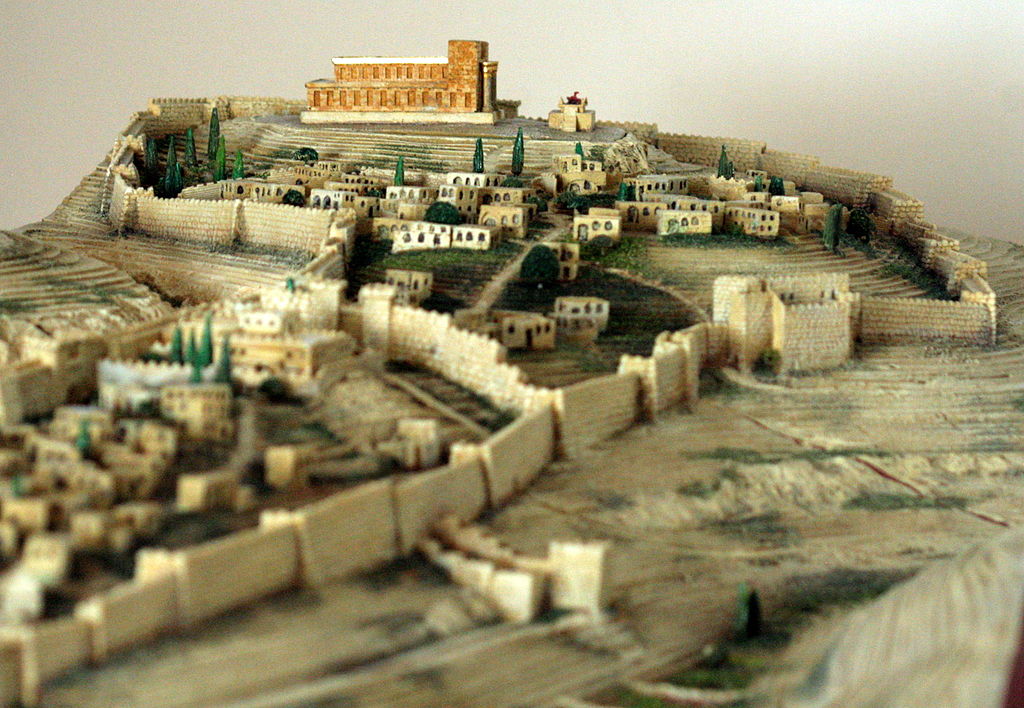
Rather than being a haphazard barrier, the moat appears to have deliberately separated a residential southern slope from the palace-temple acropolis to the north. Movement between these zones would have been restricted and controlled, suggesting social and political power reinforced through architecture. The excavation team posits that the division conveyed status as much as it conveyed security.
5. Engineering reveals sophisticated ancient construction methods.
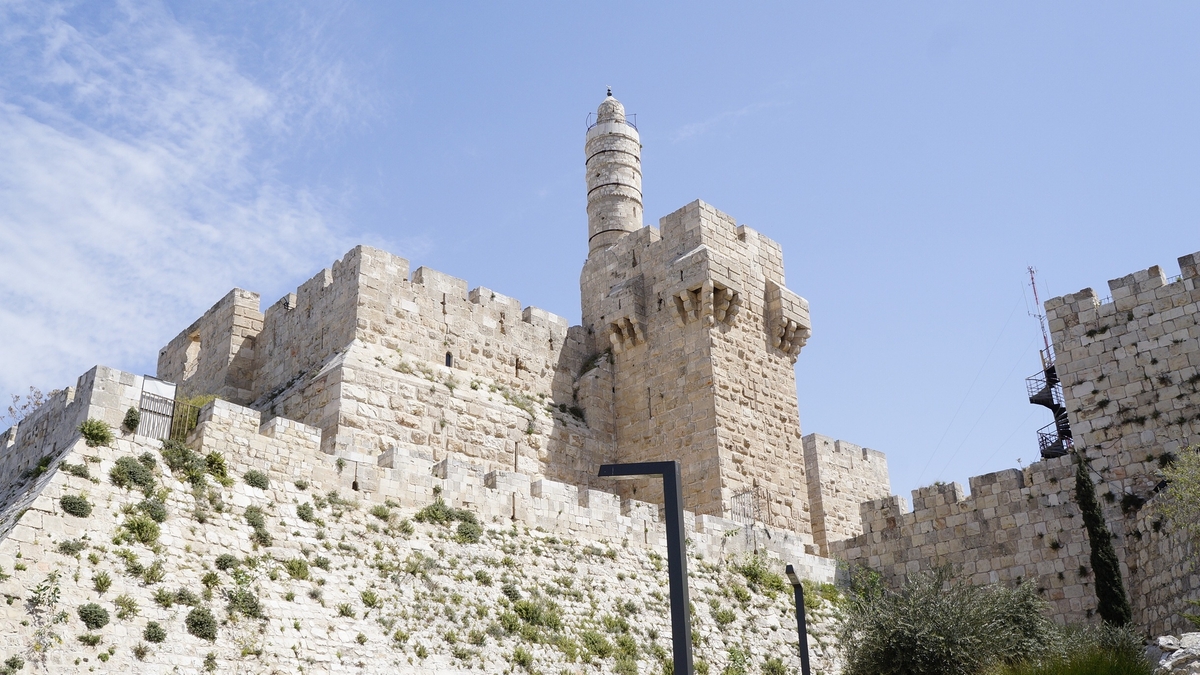
The stone-cut trench shows tool marks and stratification reflecting quarrying, removal, and shaping of rock over a large area. Builders exploited natural slopes and then enhanced them to produce a formidable obstacle. That level of workmanship implies skilled labor, organized management and supply lines in ancient Judah. Once you see the sheer faces together you recognize the ambition of the design.
6. The discovery upends prior assumptions about Jerusalem’s layout.

Previous models of early Jerusalem depicted a more unified ridge-city without strong internal divisions. With this moat revealed, archaeologists now argue the urban fabric was more complex, featuring distinct zones for elite activity and common dwellings. This means when you imagine ancient Jerusalem you need to include not just wall and temple, but engineered internal barriers shaping life.
7. Cultural context links the find to geopolitical threats of the time.
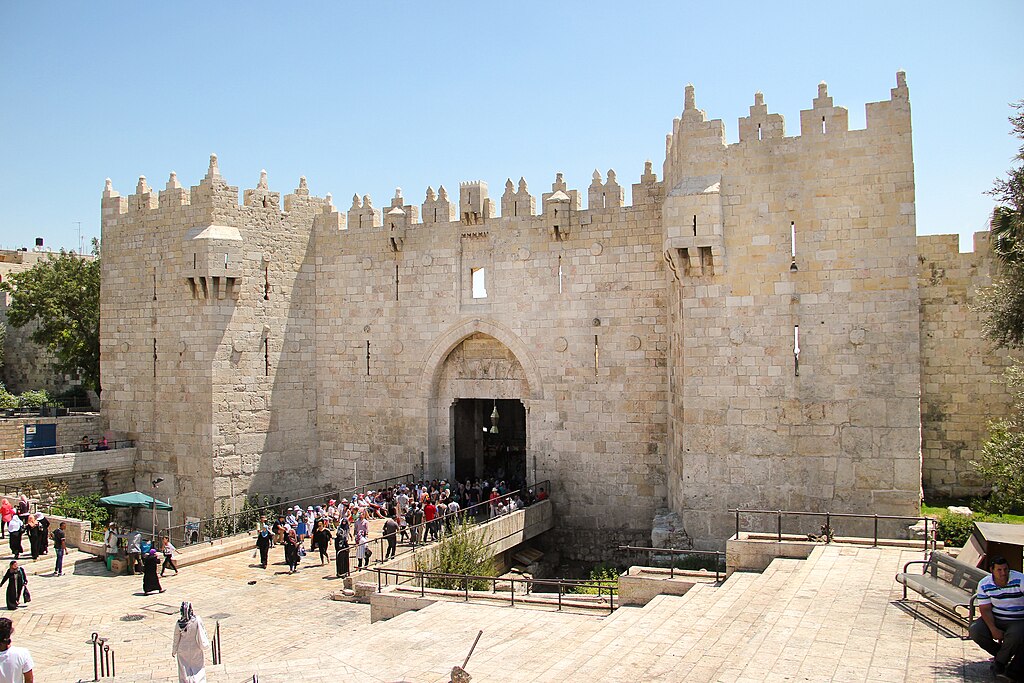
During millennia of conflict, Jerusalem faced threats from neighboring states and internal unrest. The moat’s defensive nature suggests rulers recognized and responded to mounted attacks, siege technology and rebellious factions. In other words, the structure reflects more than architecture—it reflects strategy. This gives us a glimpse of the tense world that people in that era inhabited.
8. Public archaeology now allows the site to be seen and studied.
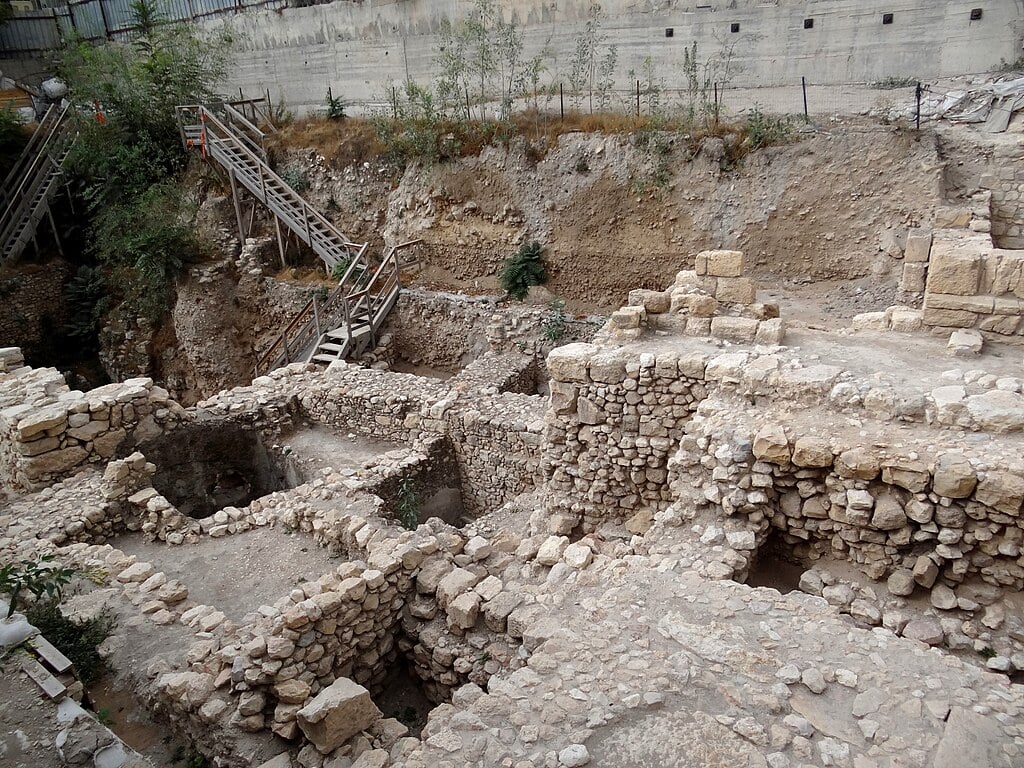
Researchers have opened portions of the excavated trench to visitors and scholars, offering a chance to walk where ancient kings may have surveyed the city. The accessibility means that not only academics but interested public can engage with the find, bridging gap between fieldwork and understanding. It’s part of a trend toward transparency and experience in archaeology.
9. The structure aids in correlating text with terrain in Jerusalem.
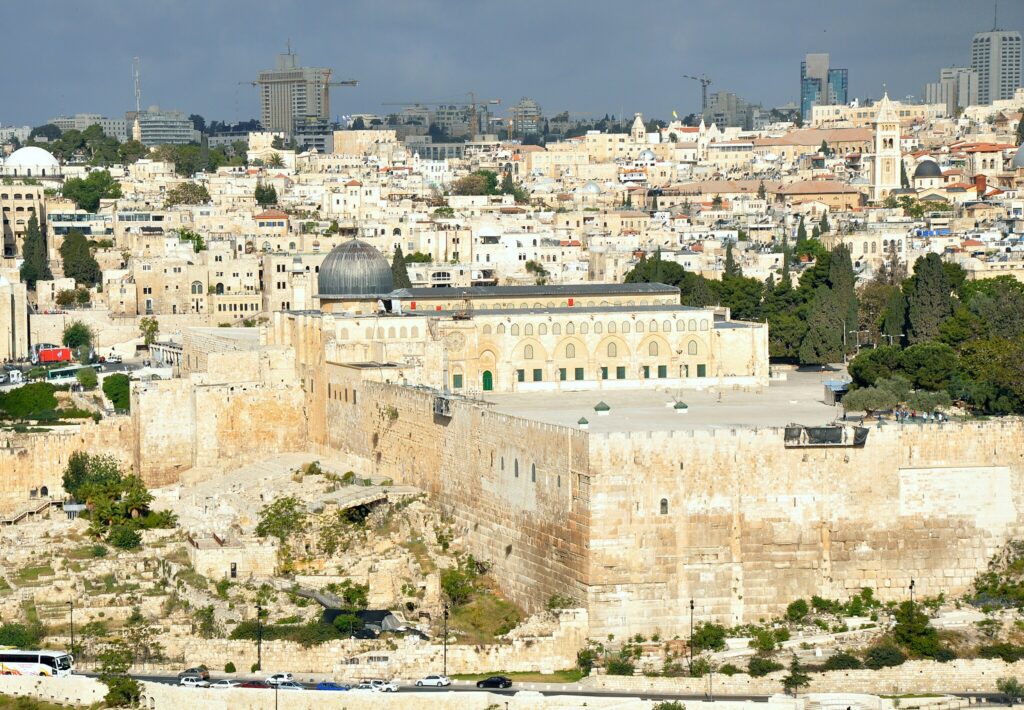
Matching the moat with the biblical term “Millo” provides a rare case where ancient text and modern excavation align so closely. When you layer the archaeological map over the ancient writings you begin to see how geography informed story and story informed geography. That integration enriches both biblical scholarship and archaeological method.
10. The find prompts new questions about ancient labor and resources.
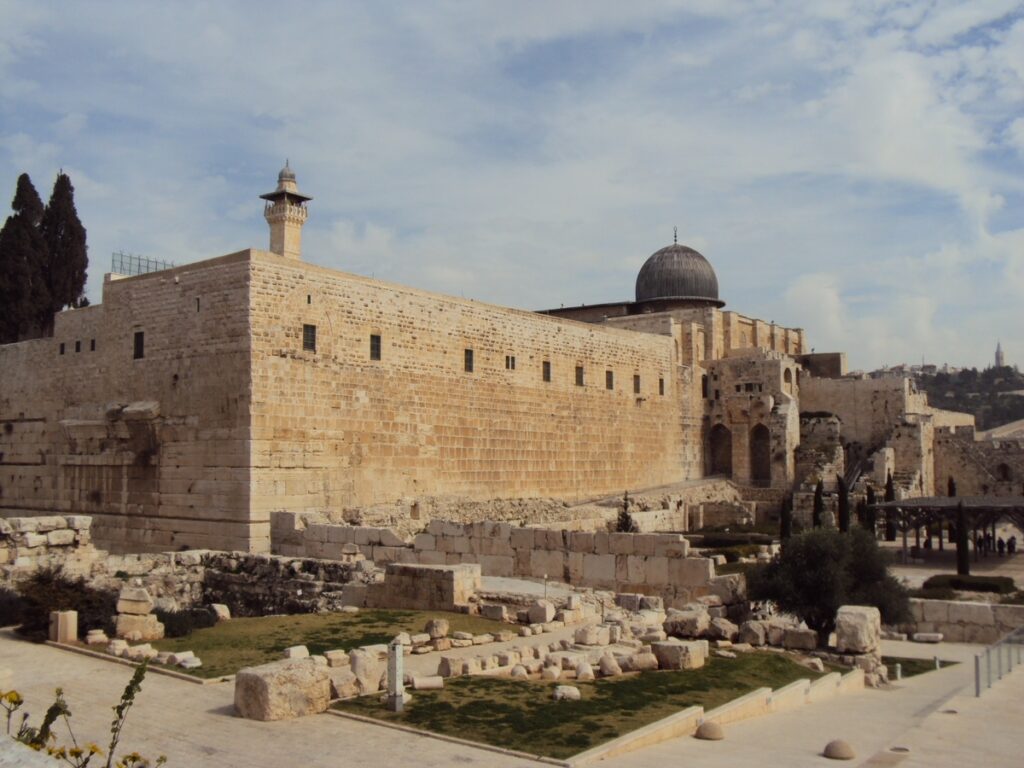
Building such a massive trench required organized labor, material procurement, and time—meaning the society that created it must have had significant resources and governance. This raises new lines of inquiry about how ancient Judah mobilized its workforce, managed logistics and maintained authority. The moat becomes more than a relic—it’s a window into ancient societal structure.