
Pay attention, these signs may signal a deeper problem.
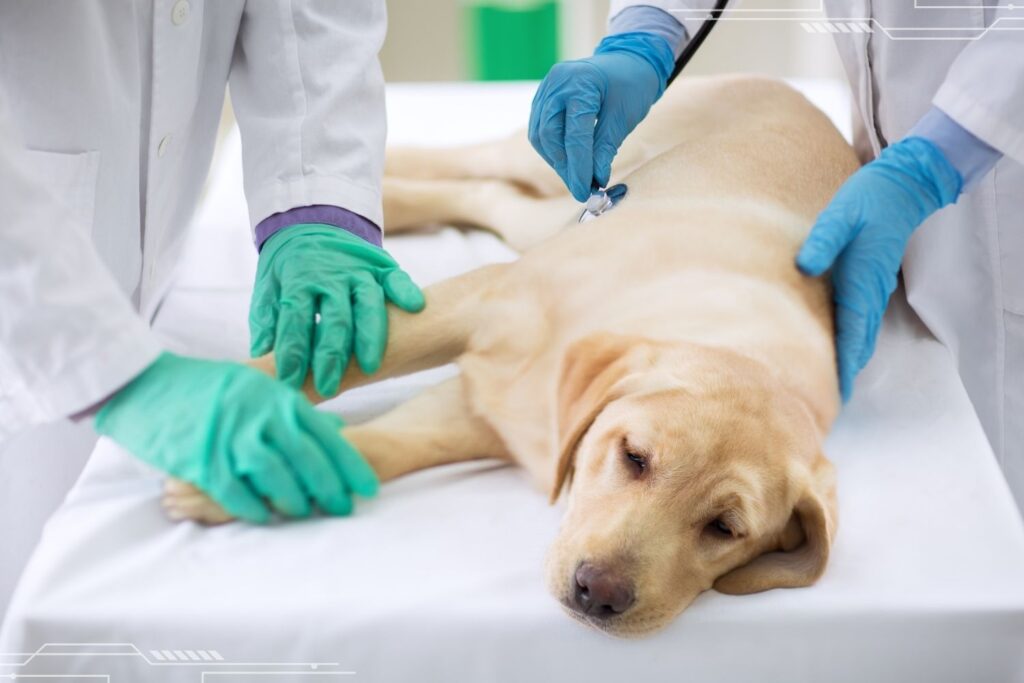
Pancreatitis in dogs is often recognized by visible symptoms such as vomiting, fatigue, or loss of appetite, but the most significant changes occur internally. The condition begins when normal digestive processes become disrupted, leading to inflammation within the pancreas. This small organ plays a key role in digestion and metabolic balance, so even minor dysfunction can have broader effects. As the condition progresses, multiple systems may become involved, increasing the risk of complications. Researchers and veterinarians emphasize that understanding what happens inside the body is essential for recognizing how quickly this condition can escalate and why early intervention matters.
1. Digestive enzymes meant for food begin to activate inside the pancreas.
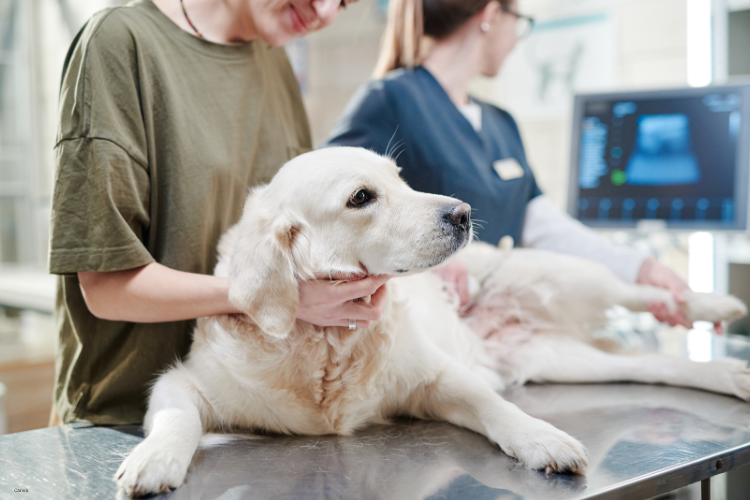
Under normal conditions, the pancreas stores enzymes in an inactive form until food reaches the small intestine. When pancreatitis begins, those enzymes activate early and start digesting the pancreas instead. As stated by the American Veterinary Medical Association (AVMA), this premature enzyme activation sparks immediate inflammation and tissue damage. It’s a devastating error, your dog’s own digestive tools begin working against them. Once this chain starts, the pancreas swells, cells rupture, and the body launches a full immune defense in response.
2. The pancreas begins to digest itself, causing severe inflammation.

Those newly activated enzymes destroy pancreatic cells, spilling more enzymes into nearby tissue, according to The Merck Veterinary Manual. The inflammation spreads like wildfire, and surrounding fat tissue begins to necrotize, releasing harmful byproducts that worsen the damage. Blood vessels constrict, oxygen levels drop, and the pancreas starts leaking fluids into the abdomen. By this point, the dog’s body is locked in an internal feedback loop of pain, swelling, and inflammation. It’s no longer a localized problem, it’s systemic.
3. Enzyme leakage triggers immune cells to overreact and spread inflammation.
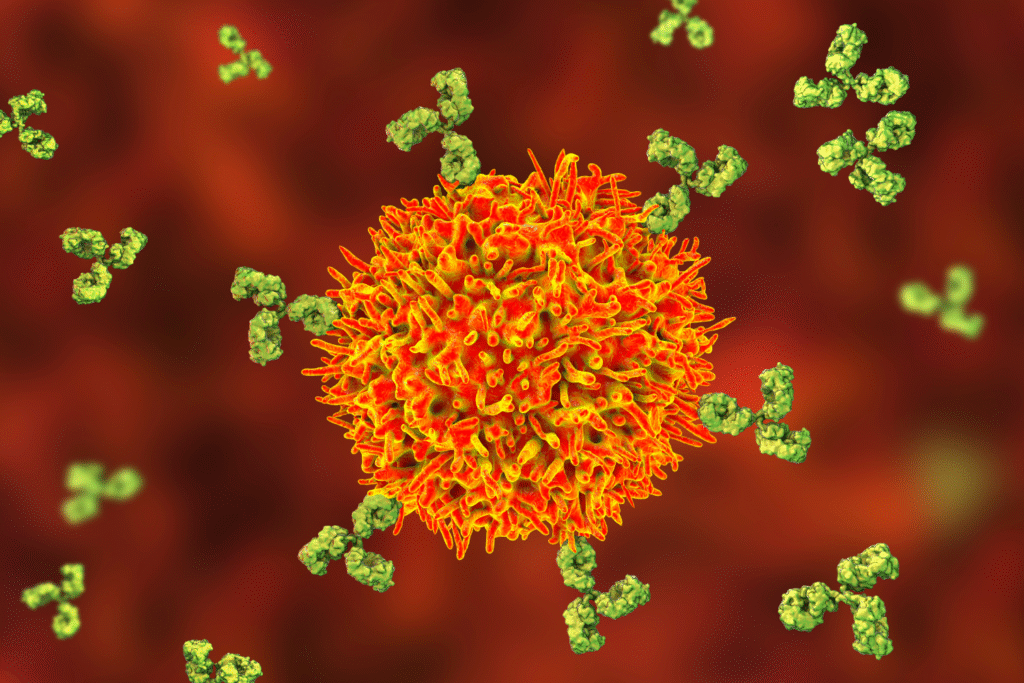
As digestive enzymes spill into the bloodstream, the immune system goes into overdrive. White blood cells flood the area, releasing cytokines and reactive molecules that amplify inflammation further, as reported by Frontiers in Veterinary Science. This immune storm affects not only the pancreas but also nearby organs like the liver and intestines. The result is swelling, abdominal pain, and sometimes fluid accumulation. The immune system, in trying to help, ends up worsening the damage and straining the dog’s entire body.
4. Pain signals surge through the abdomen as tissue breaks down.

Inside, nerves around the pancreas become hyperactive, firing pain signals to the brain. Dogs often assume a “prayer position,” front legs extended with hindquarters raised, trying to relieve pressure on the belly. The pain radiates outward because the pancreas sits near vital organs and nerve clusters. What looks like simple lethargy or discomfort from the outside is actually a body screaming internally as tissues degrade and inflammation intensifies.
5. The digestive system shuts down to protect the body from further harm.
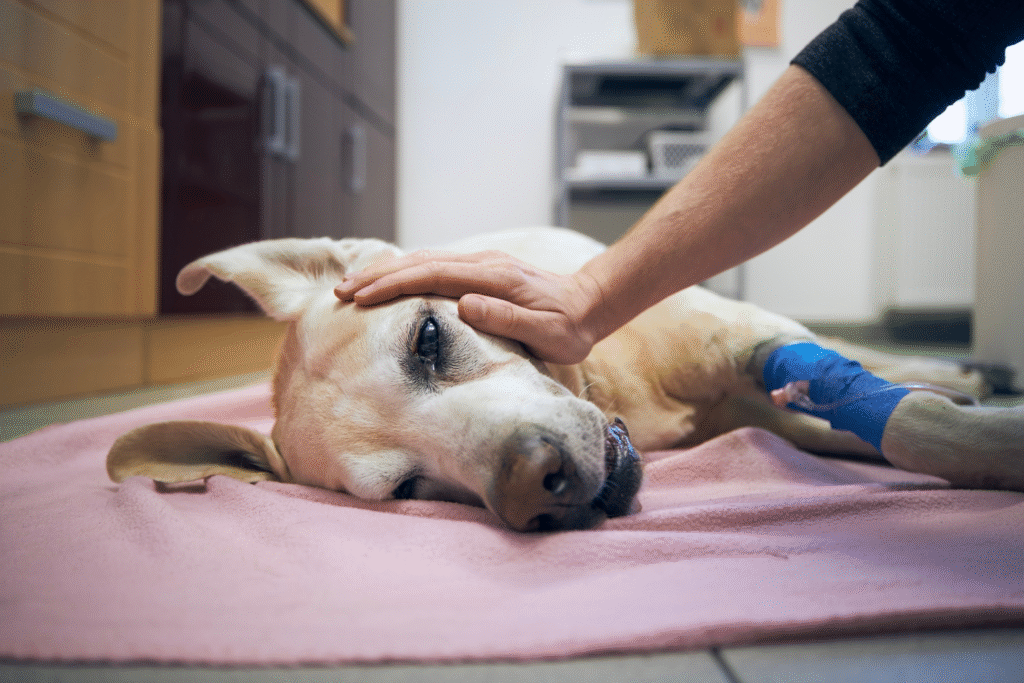
As the attack worsens, the digestive tract halts its normal functions. The stomach stops emptying, intestinal movement slows, and the dog loses interest in food. This shutdown is protective, it prevents further stimulation of pancreatic enzyme release, but it also starves the body of nutrients. During this stage, dehydration and electrolyte imbalances often set in, forcing the pancreas and liver to work even harder to stabilize what’s left of normal metabolism.
6. Blood flow and oxygen levels drop around the pancreas.
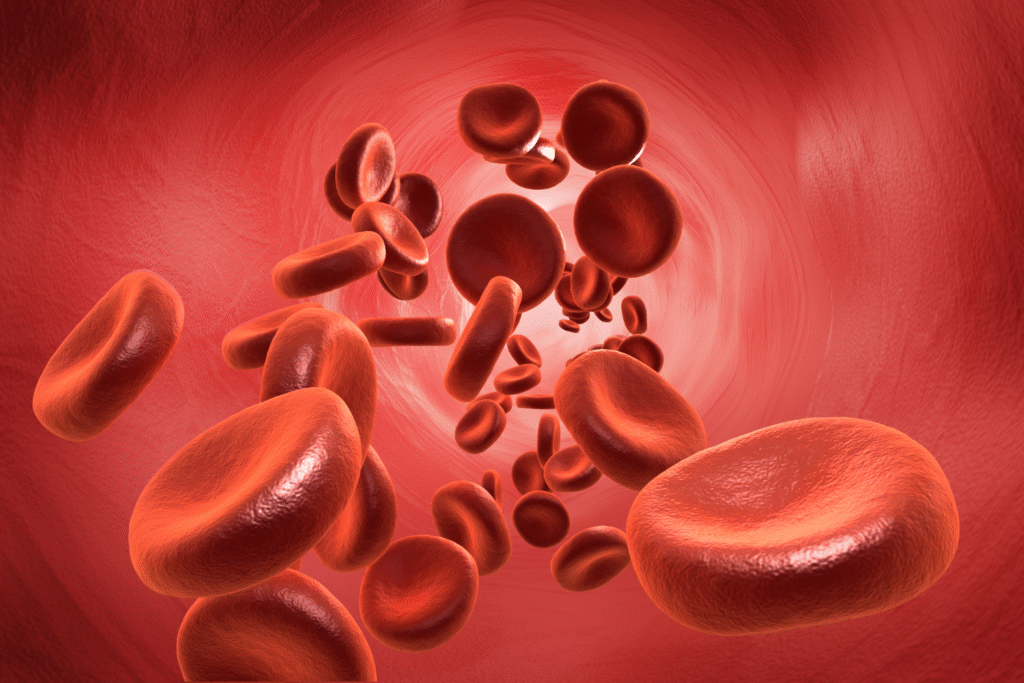
With swelling and inflammation pressing against small vessels, blood flow to the pancreas declines sharply. Oxygen-starved tissue releases stress molecules that damage nearby cells, compounding the injury. This oxygen deprivation contributes to cell death, which releases even more inflammatory chemicals. It’s a self-feeding spiral, each layer of damage ignites the next. Without intervention, this cycle can lead to multi-organ stress and sometimes shock.
7. Systemic toxins begin to circulate through the bloodstream.

As the pancreas leaks enzymes and necrotic debris into circulation, toxins travel throughout the body. The liver strains to filter them out while the kidneys try to excrete them, both under enormous pressure. This is when the inflammation that started in one organ starts threatening others. The toxins interfere with blood clotting and damage vessel linings, which explains why some severe cases result in jaundice, internal bleeding, or fluid buildup in the chest and abdomen.
8. The immune system’s overreaction can damage distant organs.

Cytokine release and enzyme leakage don’t stop at the pancreas. They reach the lungs, causing breathing difficulty, and the kidneys, where filtration slows. This stage mirrors sepsis in many ways, as the immune system’s overzealous response harms the body it’s trying to protect. Dogs may collapse, shiver, or develop dangerously low blood pressure. What started as a digestive mishap becomes a full-body emergency.
9. Treatment works to reverse the body’s cascade and stabilize organs.
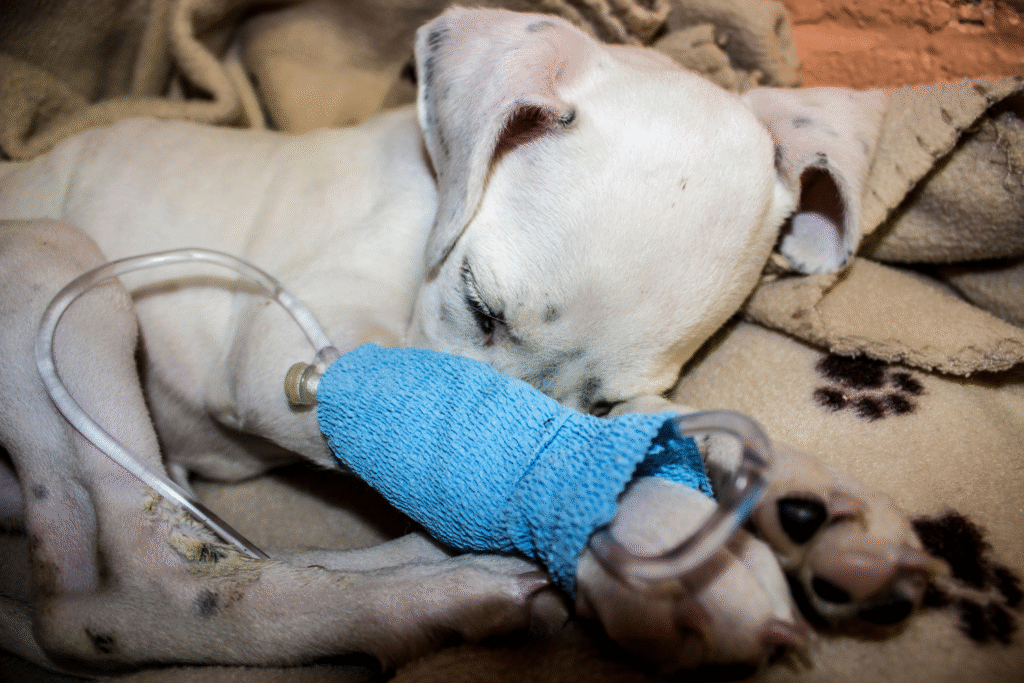
When veterinarians intervene, the goal isn’t to “fix” the pancreas directly, it’s to interrupt the cycle of inflammation and allow recovery. Intravenous fluids restore hydration and blood flow, pain medications reduce nerve firing, and antiemetics control vomiting. The pancreas gets forced rest while the rest of the body is supported. The sooner this support begins, the better the odds that organ damage can be contained and reversed.
10. Healing brings scar tissue and lasting sensitivity to the pancreas.
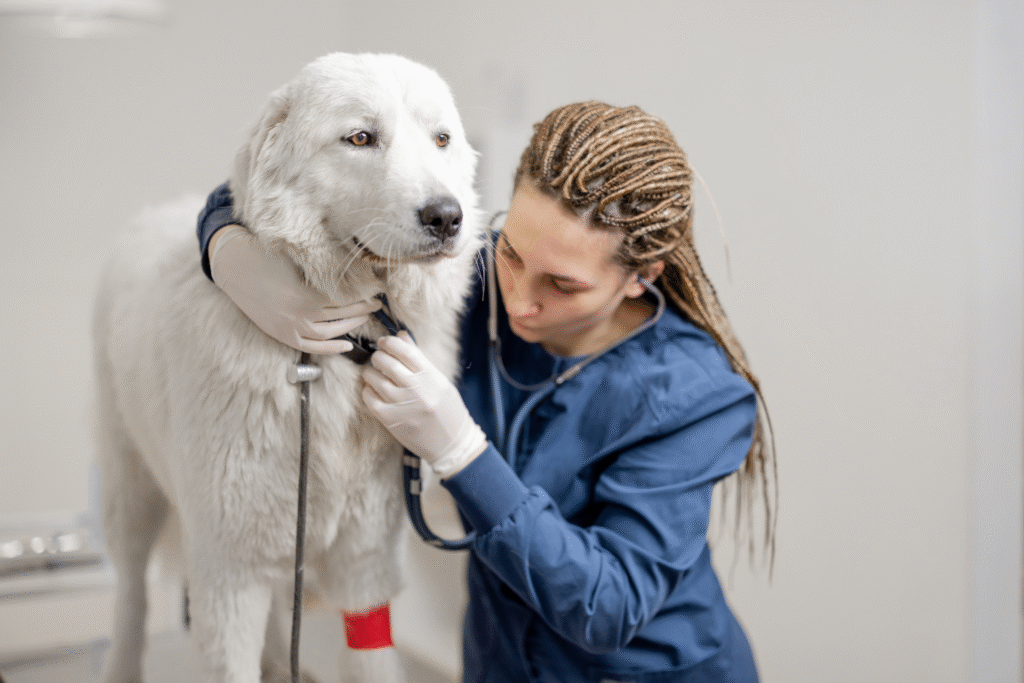
Even when a dog recovers, the pancreas doesn’t forget. Damaged areas may form fibrous scar tissue, reducing enzyme output or insulin production. Dogs that survive a severe attack often face lifelong dietary changes, including low-fat food and small, frequent meals. Once an organ has digested part of itself, it becomes cautious for life, every meal afterward is an exercise in balance between recovery and risk.