
Winning their trust feels like joining a secret club.
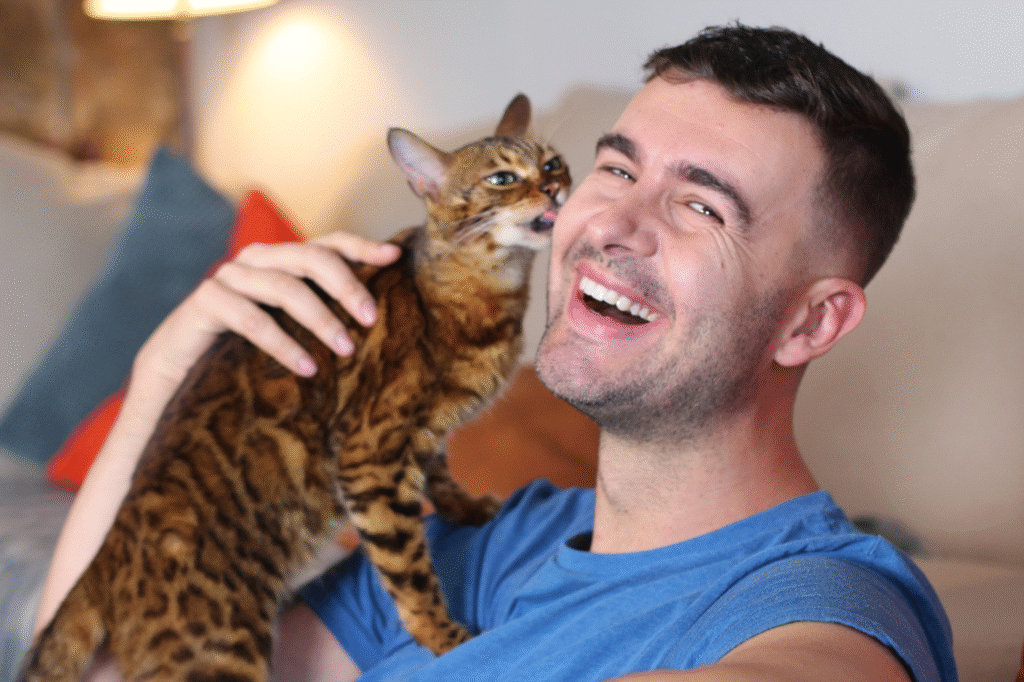
Anyone who has lived with cats knows affection rarely follows predictable rules. Some greet every visitor like an old friend, while others watch from a distance, carefully deciding who earns their trust. But with certain breeds, that selectiveness takes on a different intensity. Owners often notice that these cats seem to single someone out, responding to one voice, one routine, one presence more than anyone else in the home. The pattern shows up again and again across households, leaving people wondering why some cats behave this way. What appears at first like simple preference may actually reveal something deeper about how certain felines form bonds that run surprisingly deep.
1. Siamese cats imprint deeply and rarely share affection.

Siamese cats are known for picking a single person and forming a near-exclusive emotional bond, often ignoring others in the household. Their behavior stems from their high social intelligence and need for constant interaction, as reported by the American Veterinary Medical Association. They see their chosen human as a source of both comfort and communication, using vocalizations to “talk” throughout the day. The attachment can become so strong that prolonged separation may trigger anxiety, reinforcing their reputation as fiercely loyal one-person companions.
2. Turkish Vans are independent but form rare lifelong bonds.

This breed’s selective loyalty comes from its semi-feral ancestry and unique temperament, according to The International Cat Association. Turkish Vans don’t distribute affection evenly; instead, they gravitate toward one person who matches their calm and confident energy. Once trust is built, that relationship becomes unshakable. The rest of the family might receive polite tolerance, but their chosen human gets the real affection, headbutts, lap time, and shadow-like companionship. Their independence only makes the connection feel more deliberate, as if they chose it with intent.
3. Russian Blues attach quietly and stay emotionally constant.

A Russian Blue’s bond is subtle but unwavering. They’re reserved around strangers yet melt into full affection for the one person they trust, as stated by the Cat Fanciers’ Association. Their intelligence and routine-driven nature make them hypersensitive to disruptions in their owner’s schedule, often shadowing that person’s every move. They thrive on quiet loyalty rather than constant attention, offering silent companionship that feels deeply personal. For a Russian Blue, loyalty isn’t loud, it’s steady, patient, and enduring.
4. Abyssinians bond through shared activity rather than affection.
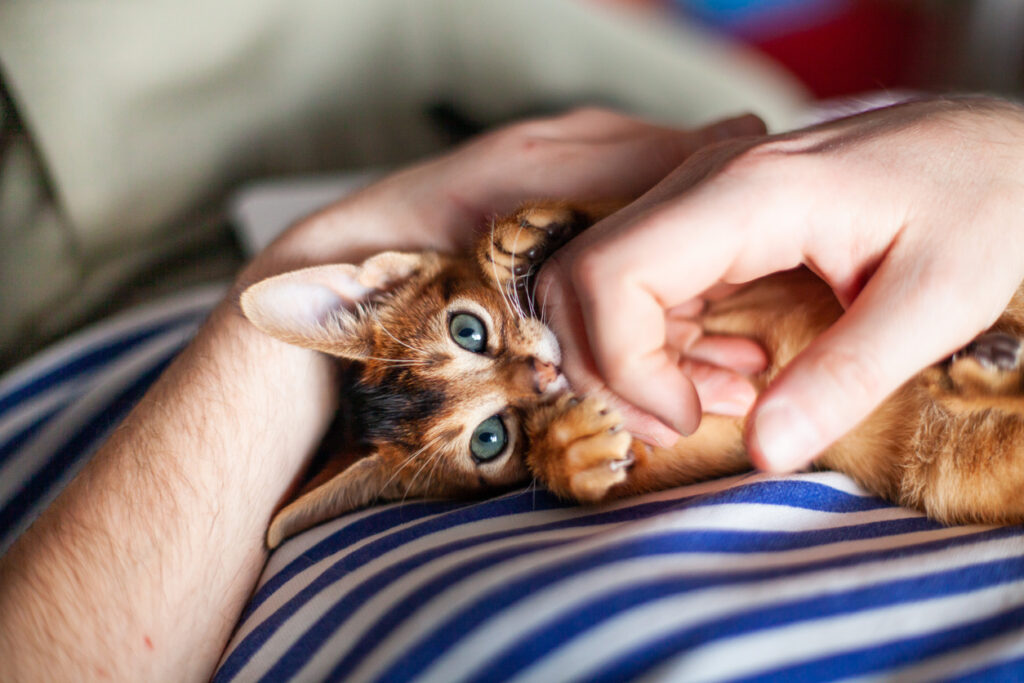
Unlike lap-loving breeds, Abyssinians show attachment through involvement. They want to be part of what their person is doing, whether that’s cooking, reading, or typing on a laptop. Their trust forms through participation, not cuddling, and once they’ve chosen their person, they’ll follow them from room to room. They’re active, curious, and mentally quick, so they need someone who matches their energy. That shared engagement creates a human-feline rhythm that outsiders rarely get to join.
5. Japanese Bobtails show loyalty through their strange social patterns.

While they’re known for their playful spirits, Japanese Bobtails have a peculiar loyalty streak. They often bond intensely with one person but maintain a lighthearted attitude with everyone else. Their intelligence allows them to recognize tone and routine, so they tend to attach to the person who communicates with them most consistently. The connection feels almost conversational, like two personalities syncing rather than one pet following orders.
6. Singapura cats guard their affection behind shyness.
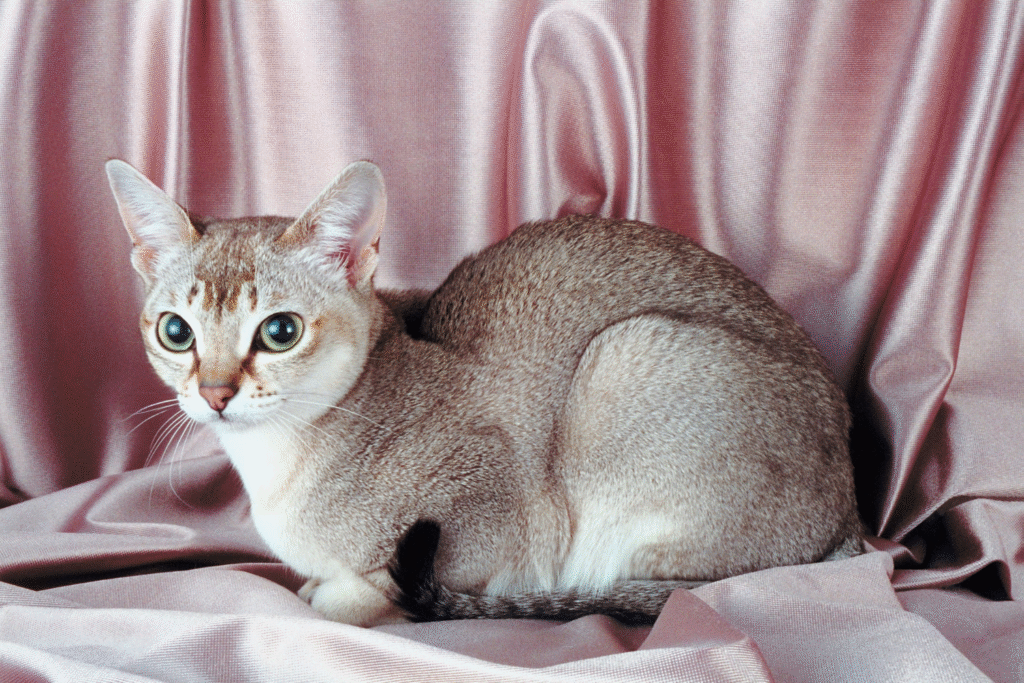
The smallest domestic cat breed is also one of the most selective. Singapuras often cling to one person and watch everyone else from a cautious distance. Once trust is earned, their affection is boundless, they’ll curl up close and rarely leave your side. Because of their timid nature, they bond slowly but intensely, often mirroring their owner’s moods. When you win them over, it’s less about dominance and more about quiet emotional compatibility.
7. Korats treat attachment like an unspoken agreement.

This ancient Thai breed was once considered a symbol of good fortune, but their true treasure lies in loyalty. Korats are reserved with guests but deeply affectionate toward one person they deem family. Their expressive eyes follow that person constantly, and they often communicate in soft, questioning sounds. The bond feels mutual, they seem to expect the same devotion in return, as if affection were a pact rather than an instinct.
8. Havana Browns bond through constant physical closeness.
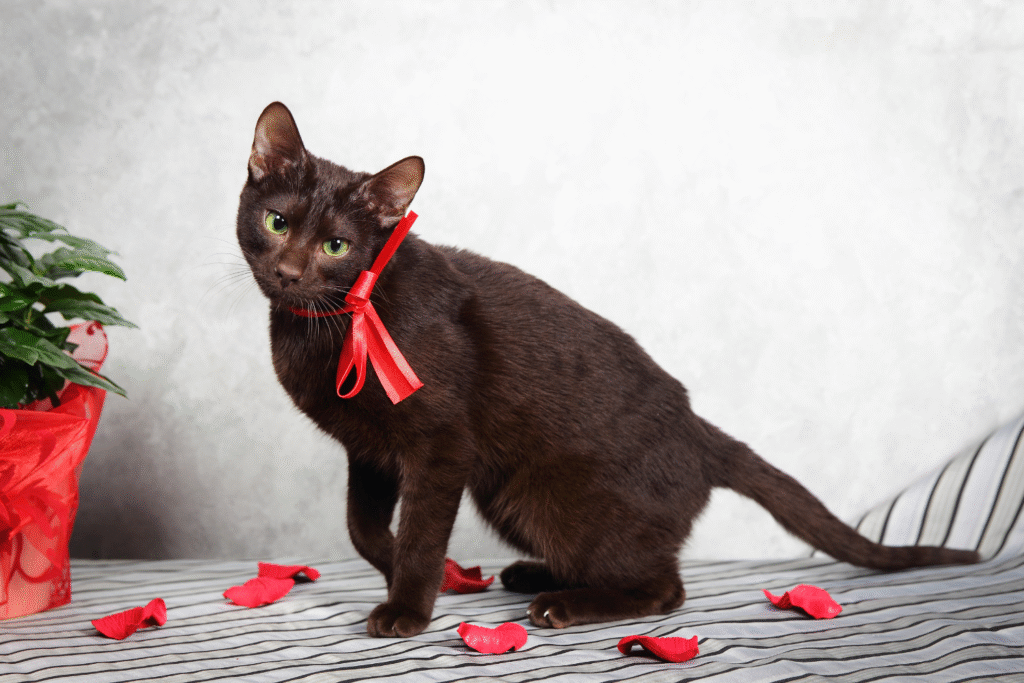
These sleek chocolate-colored cats crave skin contact, often pressing themselves against their chosen person’s hand, leg, or shoulder. They aren’t clingy with everyone, just the one who gives them consistent affection and reassurance. Their social nature doesn’t translate into general friendliness; instead, it focuses narrowly on one trusted bond. That closeness can feel surprisingly human, like living with a quiet, loyal friend who refuses to let go.
9. Chartreux cats attach with subtlety but unmatched devotion.

The Chartreux is known for being calm, gentle, and quietly loyal. They often pick one household member to shadow while maintaining a dignified distance from everyone else. Their intelligence lets them read emotions easily, and they tend to respond to subtle cues, voice tone, breathing, even mood. Their love doesn’t demand attention, but it stays constant, reliable, and impossible to replace.
10. Nebelungs show their loyalty through routine and ritual.
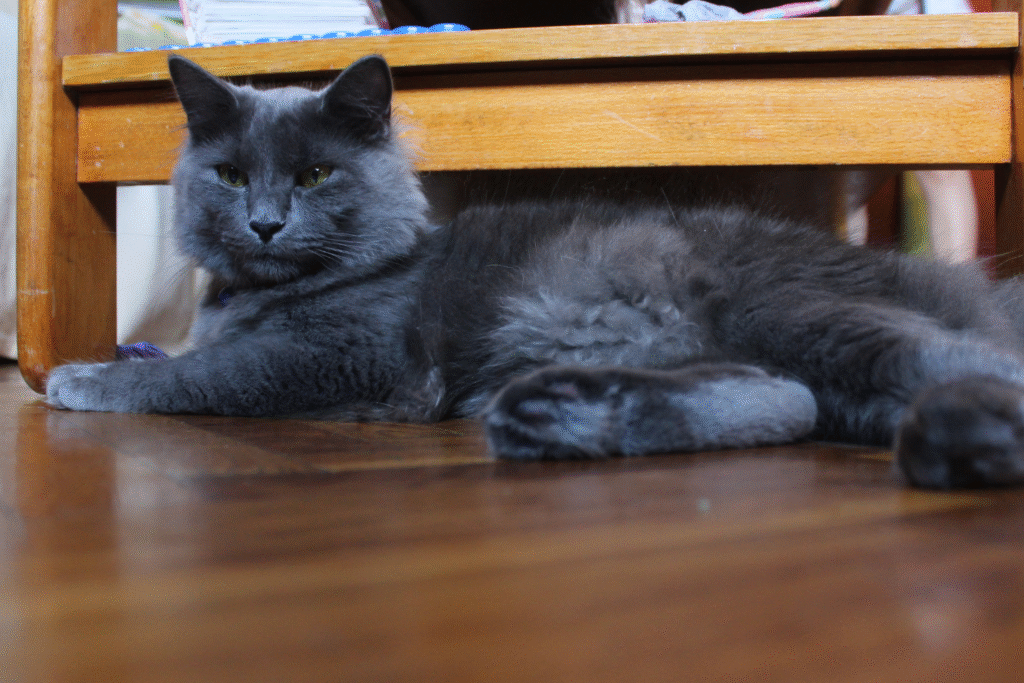
This rare long-haired relative of the Russian Blue is famously shy with strangers but profoundly affectionate toward one trusted human. They find comfort in repetition, feeding times, bedtime routines, or daily rituals. Over time, they begin anticipating their person’s movements, syncing their own schedule accordingly. It’s not just affection; it’s a form of emotional synchronization. For a Nebelung, love means stability, and they’ll guard that bond as carefully as their own safety.