
A stretch of ocean long blamed for the impossible.
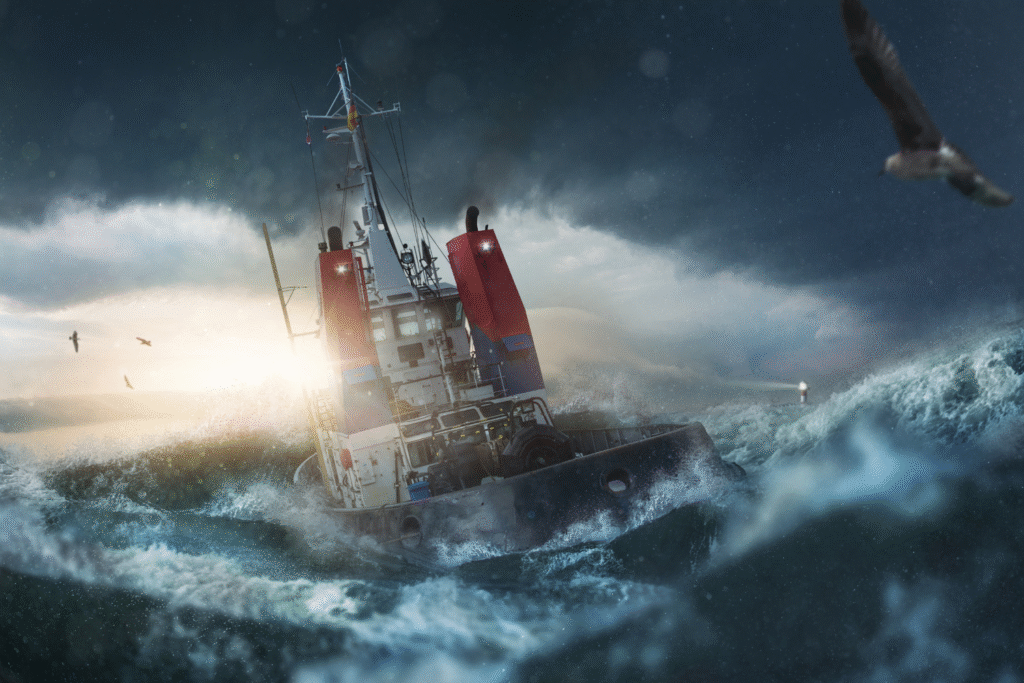
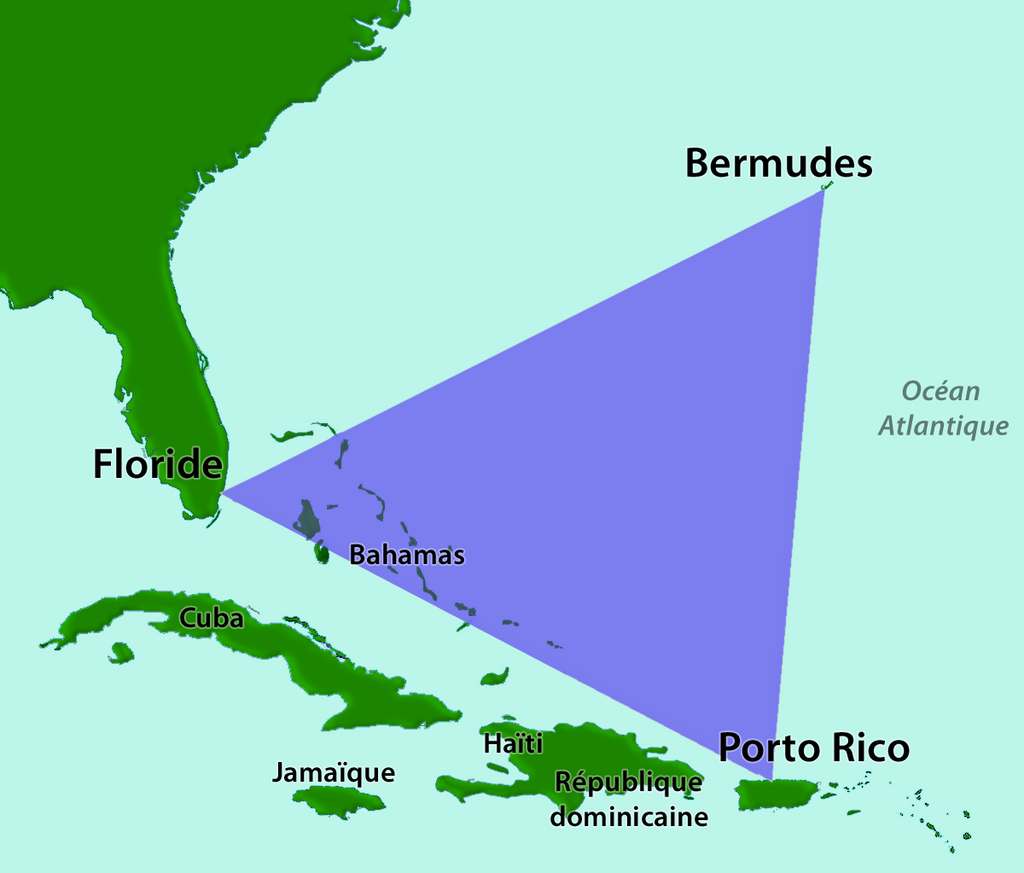
For decades, the Bermuda Triangle, the stretch of Atlantic framed by Florida, Bermuda, and Puerto Rico, has felt like a place where explanations go thin. Aircraft transmitted strange final words. Ships drifted into silence. Charts marked coordinates, but certainty rarely followed. The region became less a location and more a question, hovering between documented incident and enduring legend.
Now, scientists are revisiting the evidence with tools that did not exist when many of those disappearances first occurred. Their findings do not lean on the supernatural, yet they do not make the story smaller either. Instead, they suggest powerful forces at work beneath the surface, forces capable of turning ordinary missteps into irreversible outcomes. The mystery may not be fading, but it is changing form.
1. Scientists traced the disappearances to massive rogue waves.
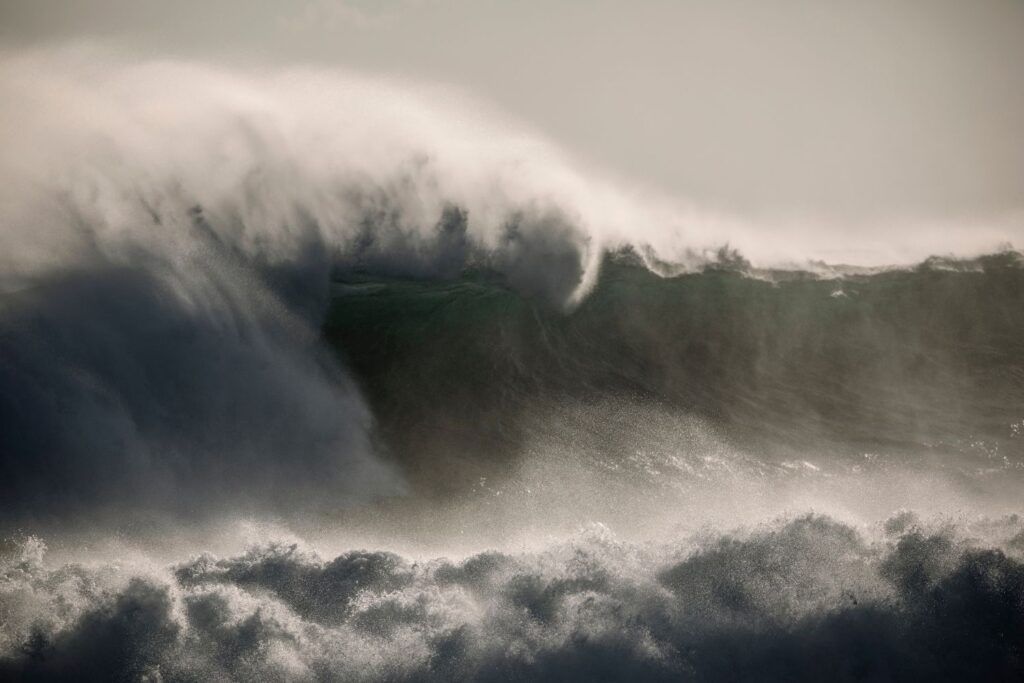
A team of oceanographers led by Simon Boxall from the University of Southampton demonstrated that in this region the confluence of storms can generate rogue waves more than 30 metres high, capable of hitting ships from unexpected angles and overwhelming them mid-voyage, as discovered by Boxall and his team. Their simulation of the 1918 disappearance of the USS Cyclops showed how a wave could lift the bow and stern of a large ship leaving the centre unsupported, causing the vessel to break apart quickly.
These findings bring a powerful natural mechanism into focus. When you combine unpredictable seas, heavy traffic, and complex weather patterns, the risk becomes measurable rather than mystical. The idea that vessels simply vanished into thin air fades when one realises how quickly and silently a rogue wave can swallow a ship without obvious debris.
2. Statistical evidence shows this region is not unusually risky.
Researchers found there is no significant increase in incident rates within the Bermuda Triangle compared with other heavily trafficked ocean zones, according to Karl Kruszelnicki, backed by the National Oceanic and Atmospheric Administration. Their work shows that the myths of singular danger in this region arise from human perception and storytelling rather than quantifiable risk.
That shift in perspective matters. If the area isn’t abnormal in its danger profile, then the focus turns to explaining disappearances with factors common everywhere: navigation challenges, bad weather, mechanical failures. For instance, many incidents attributed to mystery could instead reflect the many ships and aircraft simply operating in complex environments. The legend persists perhaps because dramatic stories sell better than sober science.
3. Navigation errors and environmental conditions drive most incidents.

As stated by ScienceFocus, factors such as compass confusion, shallow waters, abrupt storms and the Gulf Stream’s sudden shifts all combine in the Bermuda Triangle region to create a navigation and operational challenge for mariners and pilots. Many historically cited disappearances occurred under exactly such conditions. For example, weak weather warnings, sudden squalls and lack of modern tracking all contributed.
When you look at the case history, it turns out that the human-environment interaction is at the heart of the story. Ships may delay seeking shelter by minutes, compasses may point unpredictably near certain equatorial lines, and crews operating under fatigue can make simple mistakes that escalate. Piecing these together makes the once exotic vanishings far more grounded in real world physics and human fallibility.
4. The myth grew because dramatic stories amplified trivial statistics.
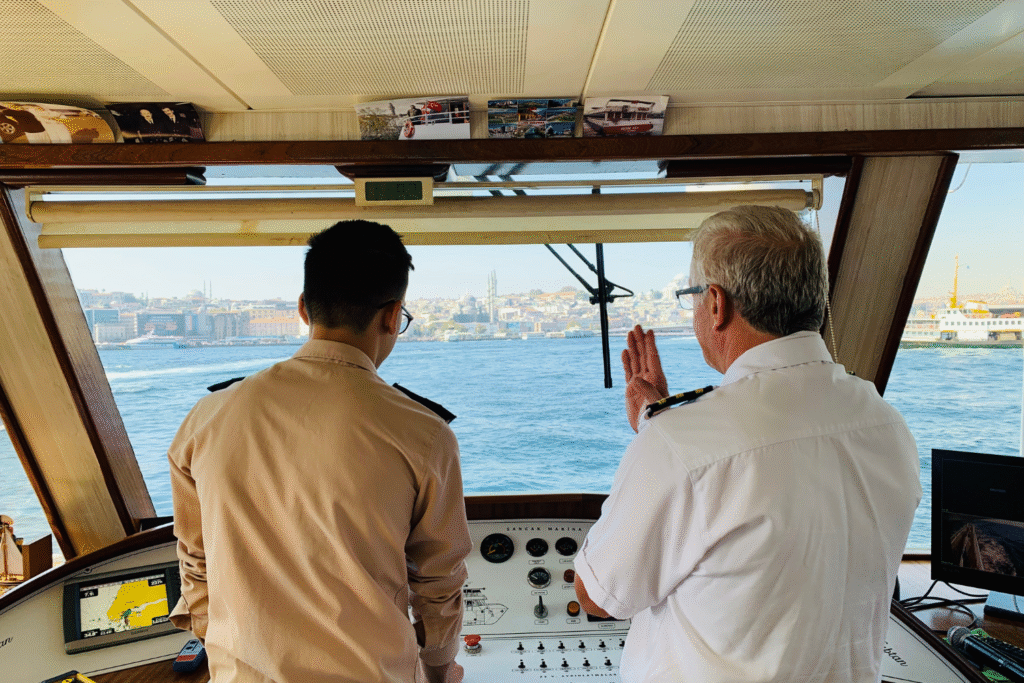
Over the years, the Bermuda Triangle’s reputation was fuelled by sensational books and media reports focusing on the most extreme examples. In doing so, incidents that had mundane explanations were elevated into mystery genre fodder. What may have been a navigational error or weather-driven accident became framed as something supernatural.
As more rigorous investigations emerged, they revealed that many of the reported cases were either mislocated, exaggerated or lacked evidence entirely. That realisation did not kill the myth because the story appealed emotionally. But recognising how narrative shaped our perception means taking the mystery’s power away and replacing it with a clearer, evidence-based account of risk.
5. Renewed scientific focus means more precise tracking of disappearances.
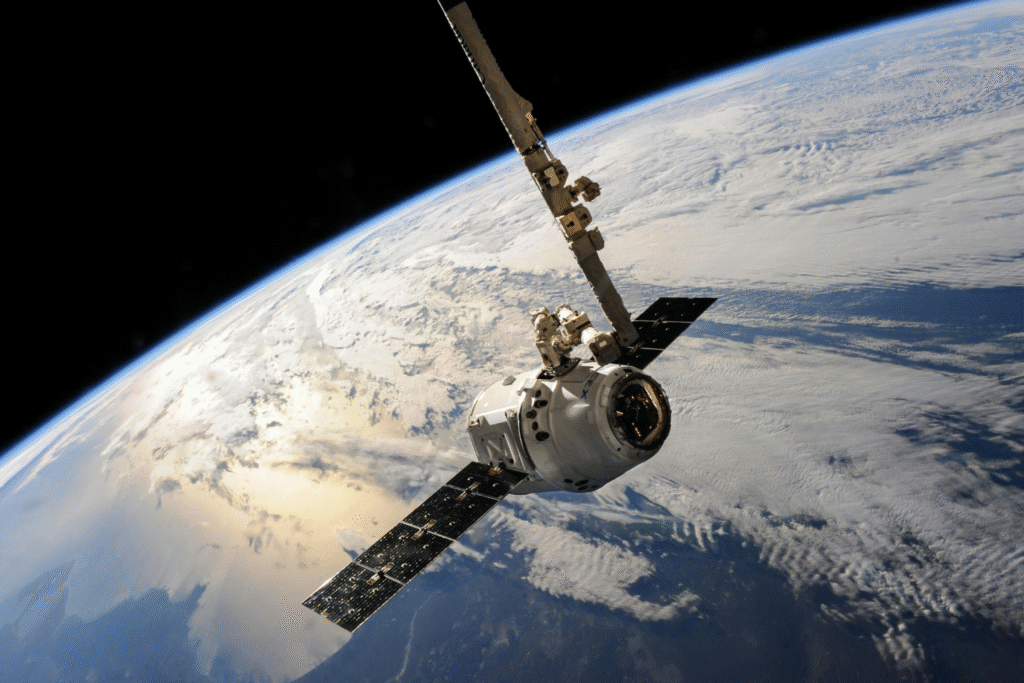
With modern sensors, satellite data and ocean modelling, scientists now can reconstruct movements of ships and craft in the Bermuda Triangle region with far greater accuracy than in past decades. By overlaying weather data, sea-state models and vessel logs, they are able to attribute disappearances to specific environmental sequences rather than leaving them as unsolved enigmas.
This improved tracking is already paying off. When an aircraft or vessel is lost in a region once branded as mysterious, the investigation now routinely explores wave heights, storm convergence, current shifts and navigational track before resorting to speculative explanations. That process turns the unsolved into the explainable and the mysterious into the understandable.
6. Rogue waves often form where multiple storm systems converge.
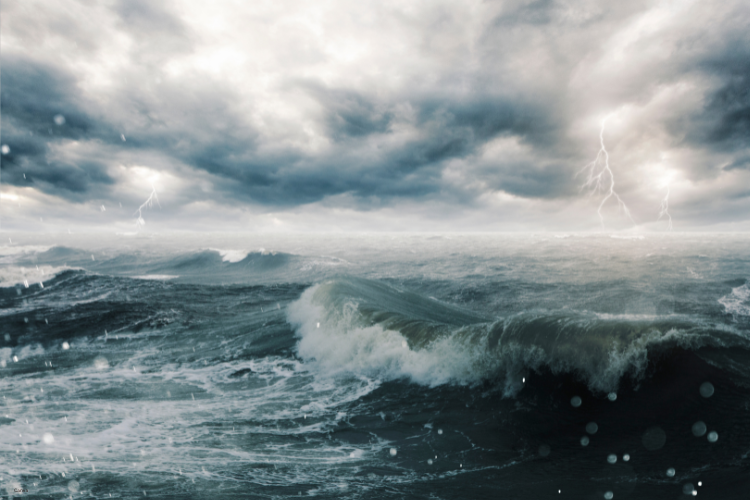
The oceanography in the Bermuda Triangle region sometimes supports three or more storm systems simultaneously, including one to the south, one to the north and one driven by the Gulf Stream or Florida’s weather, and when their wave systems intersect, extraordinarily large waves can emerge. These can be highly directional, catching vessels off guard.
Because such waves don’t follow charted patterns and emerge suddenly, a ship or an aircraft flying low could find itself in a deadly anomaly. In simulation models researchers found that a vessel may have little warning and less than three minutes to respond before catastrophic failure. Recognising this mechanism changes our understanding of many historical losses.
7. Heavy maritime and air traffic raises the incident count by default.

The Bermuda Triangle region is among the busiest corridors of sea and air traffic worldwide, meaning that the absolute number of accidents will naturally be higher simply due to volume. When you remove the sensational framing and adjust for traffic density, the region does not stand out as statistically anomalous.
That insight reframes the narrative from “mystery zone” to “busy and challenging zone”. Experienced mariners and pilots are aware that areas with heavy traffic, shifting weather, and complex geography require sharper situational awareness. The myth therefore bluntly masked a practical truth about operational risk in a dynamic environment.
8. Sudden storms and Gulf Stream currents amplify danger unexpectedly.
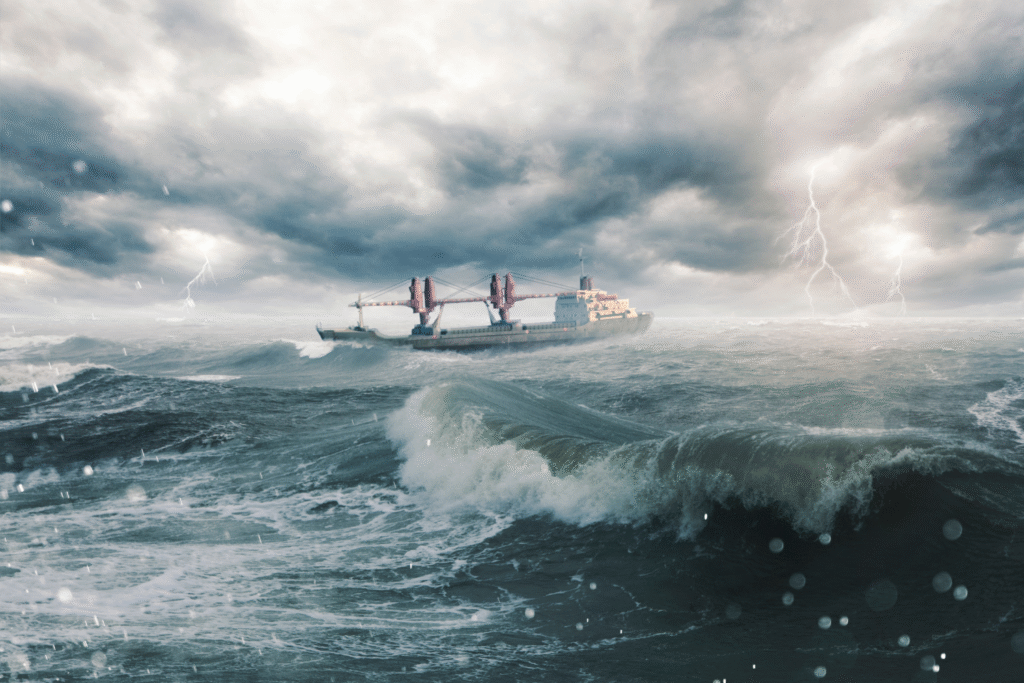
The Gulf Stream’s warm current interacts with cooler waters in the region, creating converging wind and water patterns that can trap energy and produce steep waves or rapidly rising storms. Ships may be caught in cross-currents, while aircraft flying in low clouds may face unexpected turbulence or downdrafts.
These compounded environmental factors mean that even without a supernatural explanation, the region can behave in a way that tests both equipment and human decision-making. By overlaying historical incident reports with modern weather reconstructions, scientists now see that many events align precisely with these environmental stressors.
9. Modern navigation technology reduces risk but doesn’t eliminate it entirely.
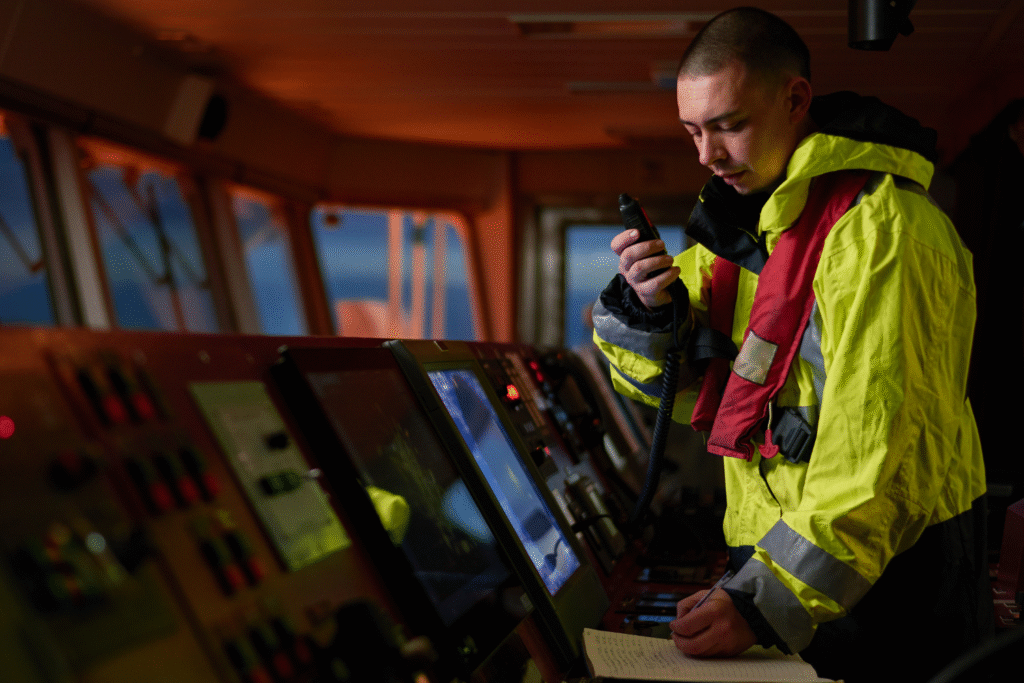
Today’s ships and aircraft enjoy GPS, satellite weather links and sturdy hulls, yet the conditions experts highlight — rogue waves, sudden storms, complex currents — remain inherently hazardous. A fault in technology, delayed reaction or unexpected wave can still lead to catastrophic outcomes.
That recognition matters because it shifts the focus from blaming mysterious forces to strengthening operational protocols, improving warning systems and designing vessels to withstand extreme but natural ocean forces. The mystery dissolves when we treat risk with method rather than myth.
10. The Bermuda Triangle story evolves from myth to a science story.
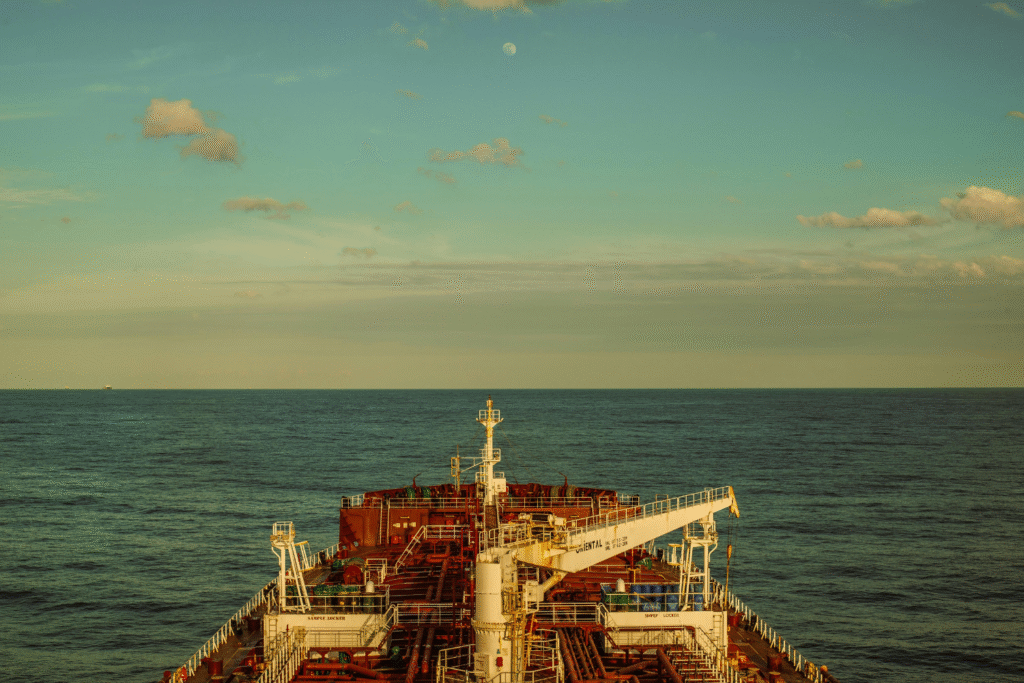
With the new research placing emphasis on rogue waves, heavy traffic and environmental complexity, the Bermuda Triangle narrative is morphing from legend into a case study of nature’s extreme power and human vulnerability. The old myths don’t vanish overnight, but we now have a more robust, natural explanation.
This doesn’t make the sea any less awe-inspiring or the region any less fascinating — if anything, it makes it more so by grounding its drama in real phenomena. As our tools improve and our datasets grow, more of what seemed mysterious will become understandable. And that shift from mystery to method may be the most satisfying explanation of all.