
Creatures once feared as messengers of fate.

Across continents and centuries, a handful of animals slipped into humanity’s darker stories, hovering at the edge of campfires and funeral rites. They were not villains at first. They were simply present when things ended. But presence became meaning, and meaning became myth. In moments when grief felt unexplainable, people searched the landscape for patterns, and certain creatures kept appearing.
Before biology gave us neat explanations, observation filled the gaps with imagination. Wings beating at dusk. Eyes reflecting firelight. Calls echoing in the distance. These details hardened into symbols of transition, warning, even destiny. What follows traces ten species that became wrapped in superstition and reverence, revealing how folklore and real behavior still overlap in the way we interpret the wild.
1. The crow was once a battlefield messenger of doom.
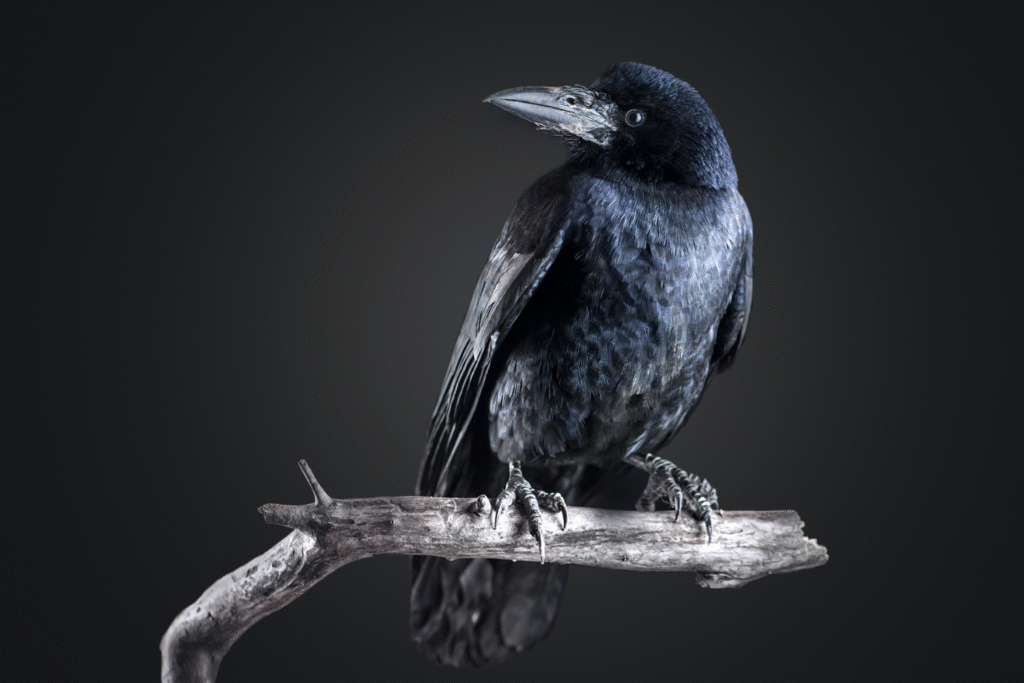
In Celtic and Norse mythologies, the crow was more than a scavenger—it was a herald of death, often seen circling over fallen soldiers and sacred battlefields. As reported by Smithsonian Magazine, the Celts associated the crow with the war goddess Badb, whose presence in crow form was said to foretell bloodshed and fate’s turning point. Its intelligence, social structure, and black plumage deepened its mystique, making it both feared and revered.
Modern ethology adds context to this myth. Crows are highly intelligent and remember human faces, sometimes returning to sites of death to investigate. Their mythic identity survives because their behavior—curious, watchful, unnerving—mirrors the human awareness of mortality itself.
2. The owl’s eerie call once meant a soul would soon leave.
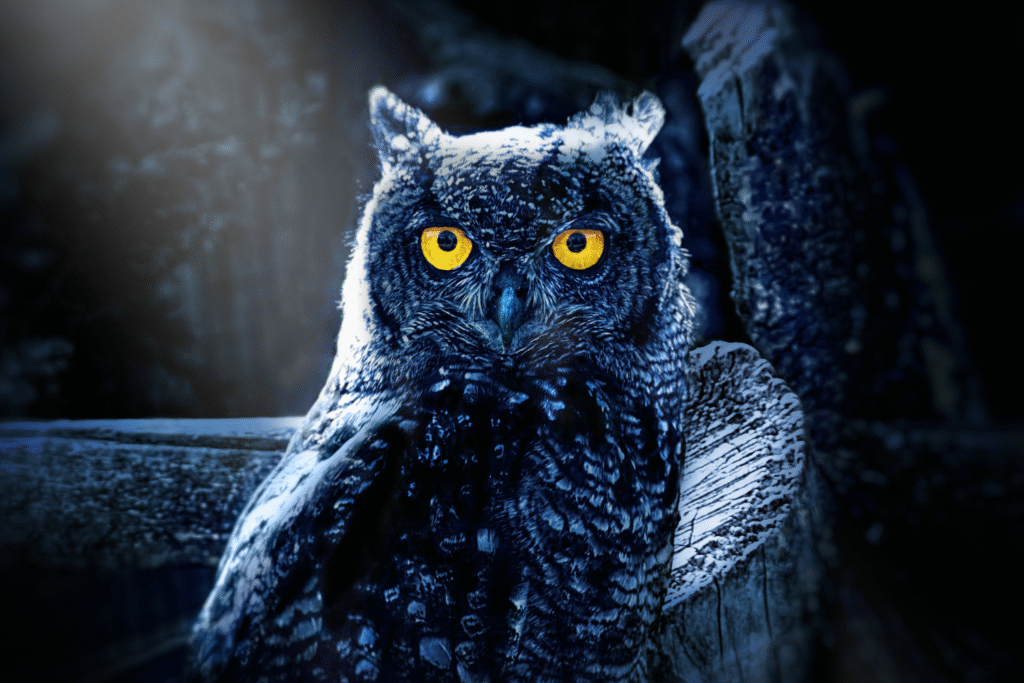
Throughout the ancient Mediterranean, hearing an owl cry in the night was seen as an omen of death, especially in Rome and parts of Greece. The superstition endured because owls often appeared in silent cities before pestilence or storms, according to BBC News. The bird’s haunting, hollow hoots and forward-facing eyes gave it a uniquely human quality, which people interpreted as a messenger’s gaze from the underworld.
Even now, rural traditions in parts of Europe and Africa hold that an owl’s sudden call near a home warns of misfortune. Though modern science sees it as natural territorial signaling, cultural memory still hears it differently—the sound of passage from one realm to another.
3. The bat became a creature suspended between worlds.
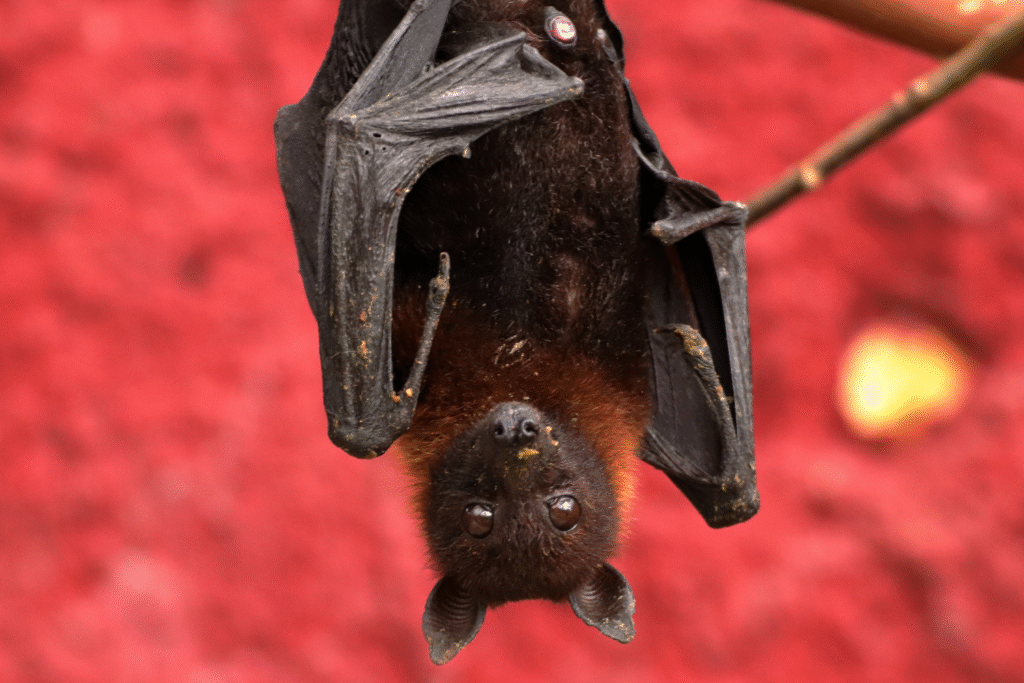
As stated by National Geographic, bats have long carried deep symbolic weight because they navigate the liminal space between darkness and light. In Mayan, Māori, and Chinese mythologies, they were connected to death, rebirth, and ancestral spirits. Their nocturnal habits and hidden colonies made them seem otherworldly, creatures that quite literally lived in the shadows of human perception.
In biological reality, bats are pollinators, pest controllers, and essential to healthy ecosystems. Yet their haunting flight at twilight preserves their dual reputation—sacred in some cultures, sinister in others. The same twilight that protects them has also made them icons of the boundary between life and the unseen.
4. The vulture was both death’s servant and nature’s purifier.
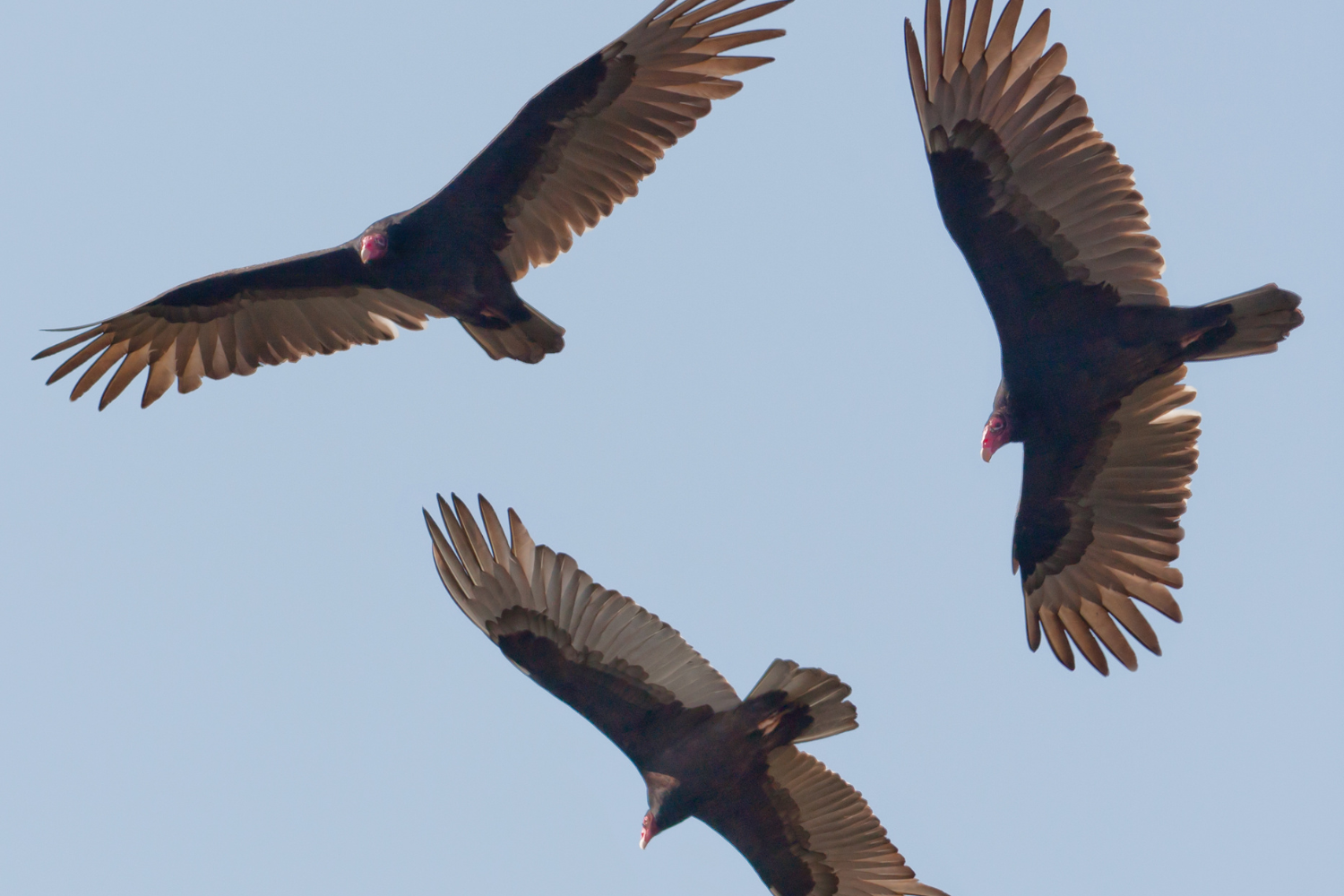
Ancient Egyptians viewed the vulture as an instrument of divine order, not simply a carrion feeder. Its role in “cleansing” the dead connected it to the goddess Maat, symbol of cosmic balance and truth. The vulture’s wide wings over desert tombs were read as guardianship rather than menace.
That paradox continues today. While many still flinch at its silhouette, ecologists regard the vulture as vital for preventing disease spread by consuming decaying matter. The same behavior once feared as ghastly is now recognized as an ecological service, a reminder that death and renewal are inseparable forces in nature.
5. The snake embodied transformation through cycles of death and rebirth.
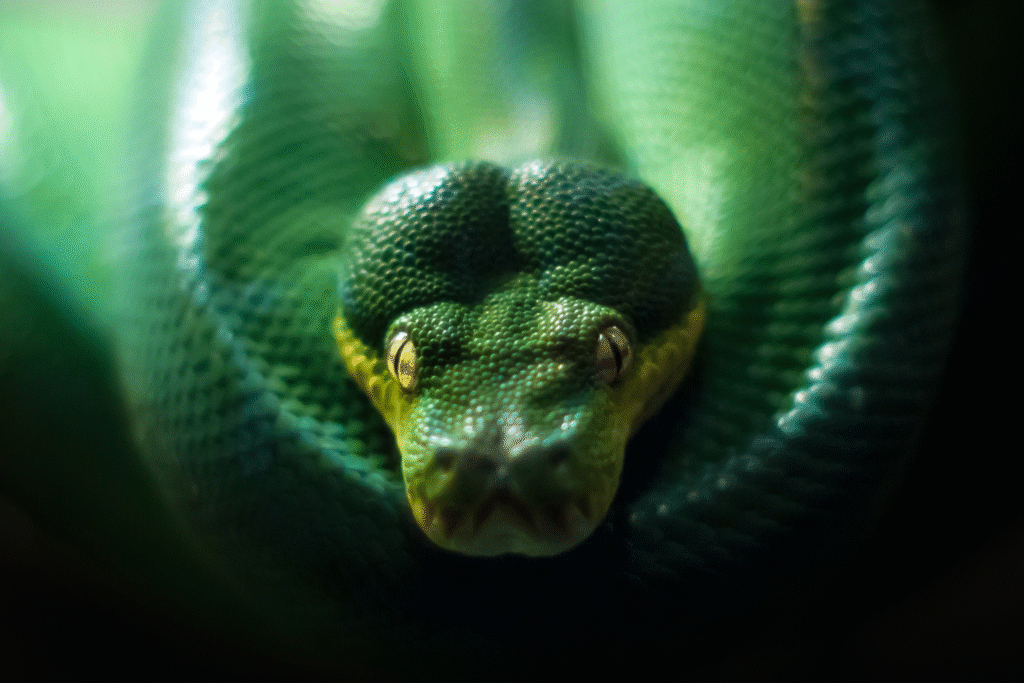
Snakes have long stood for mortality and resurrection in equal measure. Ancient Greeks linked them to Asclepius, god of healing, while early Hinduism saw serpents as keepers of underworld treasures. Their ability to shed skin turned them into metaphors for renewal. When early humans encountered a snake emerging from its own cast shell, it wasn’t hard to imagine rebirth personified.
Today that imagery persists in medicine’s staff of Asclepius. Even stripped of superstition, the snake remains an emblem of transition—sliding between earth and stone, between life and what follows it. Few animals have balanced fear and fascination so enduringly.
6. The jackal walked with the souls of the dead.
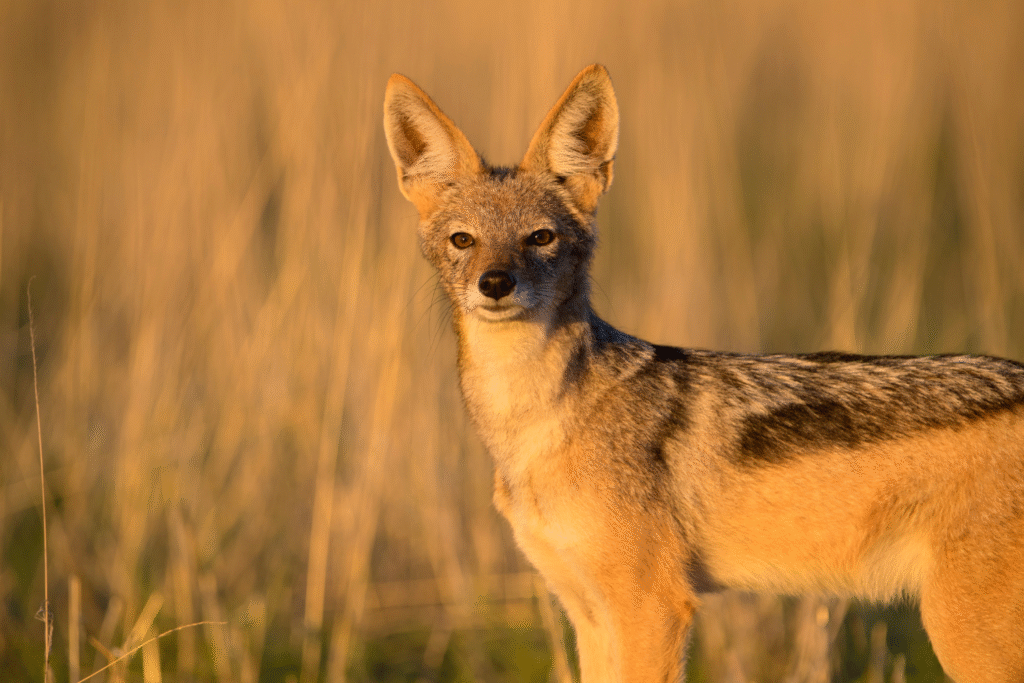
In ancient Egypt, jackals roamed cemeteries at dusk, scavenging near tombs. This behavior inspired the image of Anubis, the jackal-headed god who guided souls to judgment. The sight of real jackals near burial sites must have seemed too fitting to be coincidence; it was woven into religion itself.
As millennia passed, the jackal became a symbol of thresholds and transition—part trickster, part guardian. Its mythic life outlived its geography, traveling through art, funerary rites, and later folklore. The animal’s link to both decay and divine duty captures the human wish to see meaning in what scavengers leave behind.
7. The raven carried the weight of prophecy and ruin.
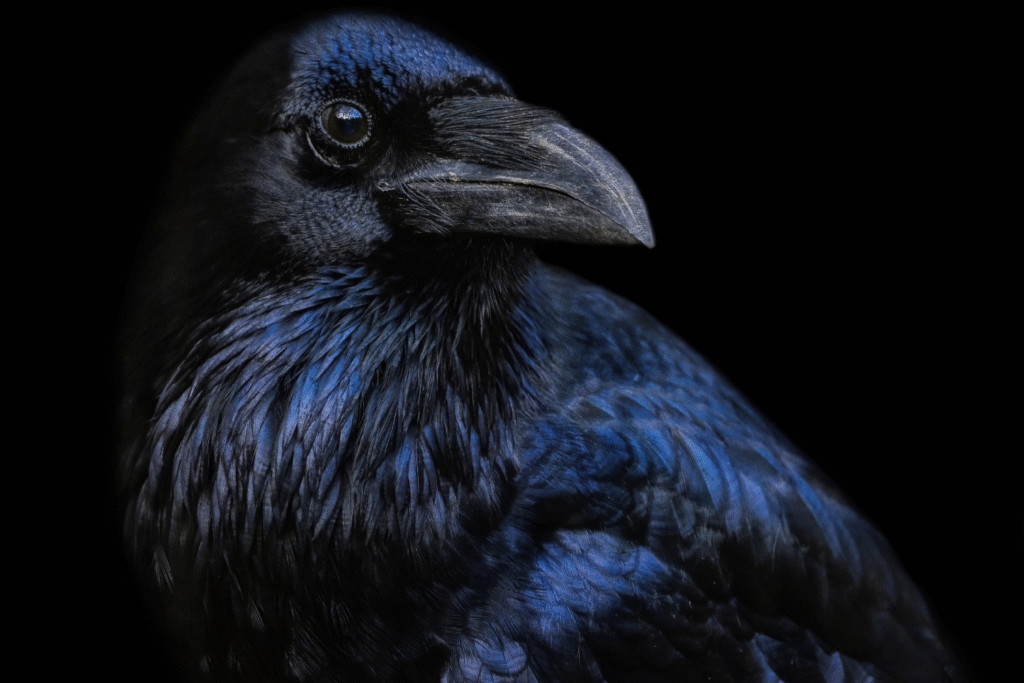
In Norse legend, Odin’s ravens Huginn and Muninn flew across the world to collect the thoughts of men, returning with news of war and death. That role echoed across cultures, from Siberia to Britain, where the raven’s presence at gallows and battlefields fed its association with fate. Its intelligence and mimicry made it feel conscious of what it witnessed.
Even today, ravens at the Tower of London are cared for under the belief that if they ever leave, the kingdom will fall. The superstition persists because ravens provoke awe: a bird black as absence, watching quietly as history unfolds.
8. The moth symbolized the soul’s silent return to light.
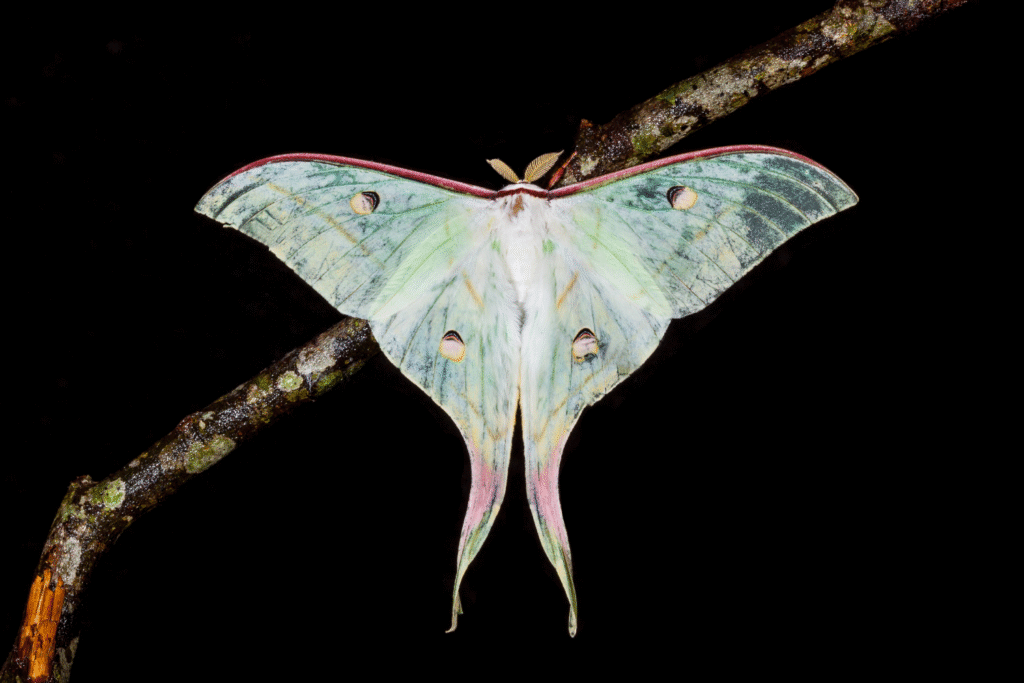
Unlike the crow or the vulture, the moth’s link to death was tender rather than terrifying. In Latin American and European folklore, pale moths appearing indoors were said to be visiting ancestors. Their soft wings fluttering near candlelight evoked the frailty of spirit and memory.
Science tells us moths navigate by celestial light, disoriented by artificial sources. Yet that same motion—drawn to glow, consumed by flame—gave rise to its symbolism of fleeting life and reunion with something eternal. The moth remains a delicate metaphor for what draws the living toward mystery, even in a world ruled by explanation.
9. The black cat stood at the threshold of superstition.
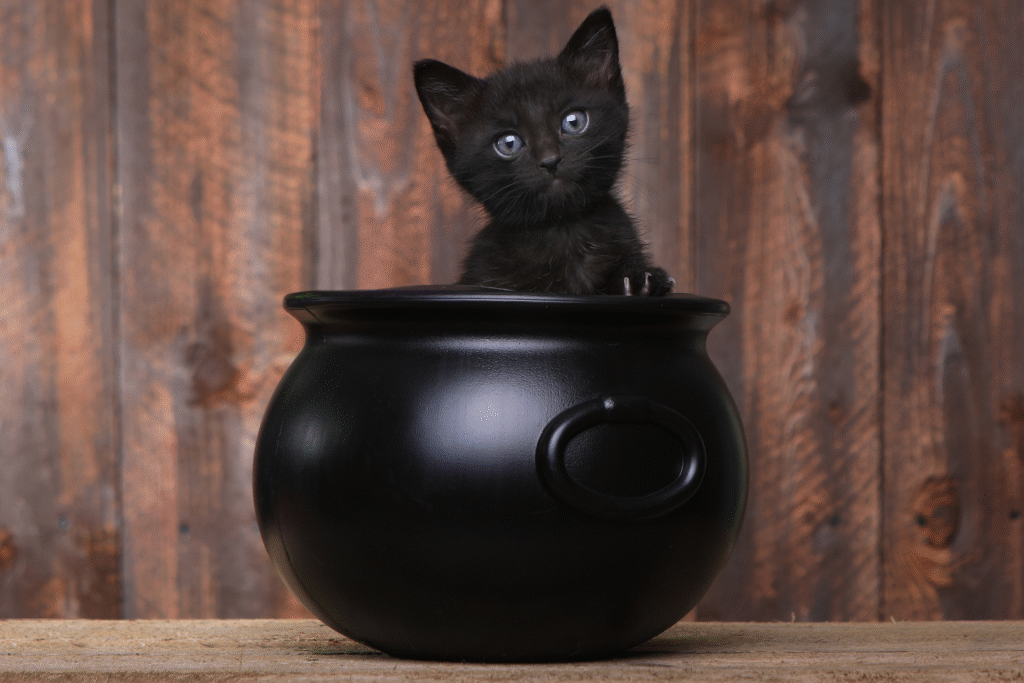
In medieval Europe, black cats were blamed for misfortune and linked with witchcraft, often hunted or killed during plague years. Their nocturnal movements and reflective eyes made them unsettling to people who lived by candlelight. Yet in ancient Egypt, cats were sacred and protective—a stark contrast that shows how culture shapes fear.
Modern psychology frames this superstition as a reaction to uncertainty. When coincidence meets emotion, the mind fills gaps with myth. The black cat became the embodiment of that tension—an ordinary creature transformed into a living omen by the human need to assign meaning to the unknown.
10. The deathwatch beetle echoed the ticking of mortality.
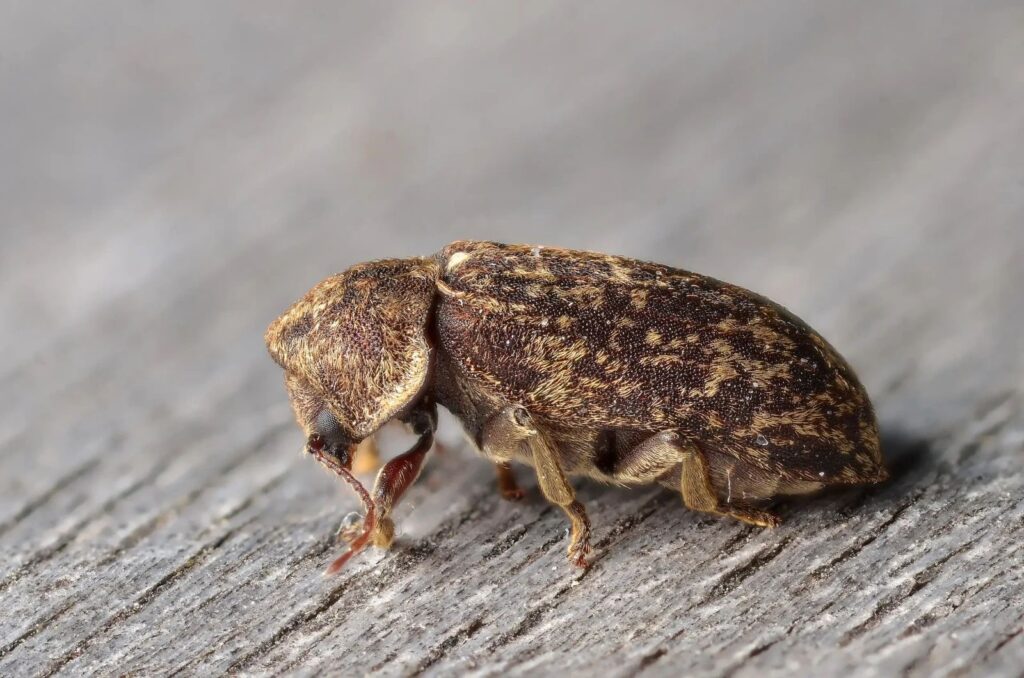
Before clocks became common, the faint tapping sound made by the deathwatch beetle inside old wooden beams was often heard during silent, candlelit nights. Its rhythmic tapping coincided eerily with moments of illness or grief, leading people to believe it heralded death’s approach. The association stuck for centuries.
In truth, the sound comes from males striking their heads against wood to attract mates. But in the stillness of a sickroom, it sounded too purposeful to be random. The beetle’s legend endures as a symbol of how humans translate nature’s noises into the language of fate.