
Early clues your feline may be overheating rapidly.
If you live with a cat, especially in warm weather or a poorly ventilated space, being alert to heat-related risks can make all the difference. Cats don’t sweat like humans, and when their cooling mechanisms struggle, things can escalate fast. In this article we’ll walk through 11 specific warning signs that your cat might be creeping into heatstroke territory, so you can recognise trouble early and act quickly. Think of this as a friendly but urgent check-in with your feline companion’s well-being.
1. Your cat is panting or breathing unusually fast.
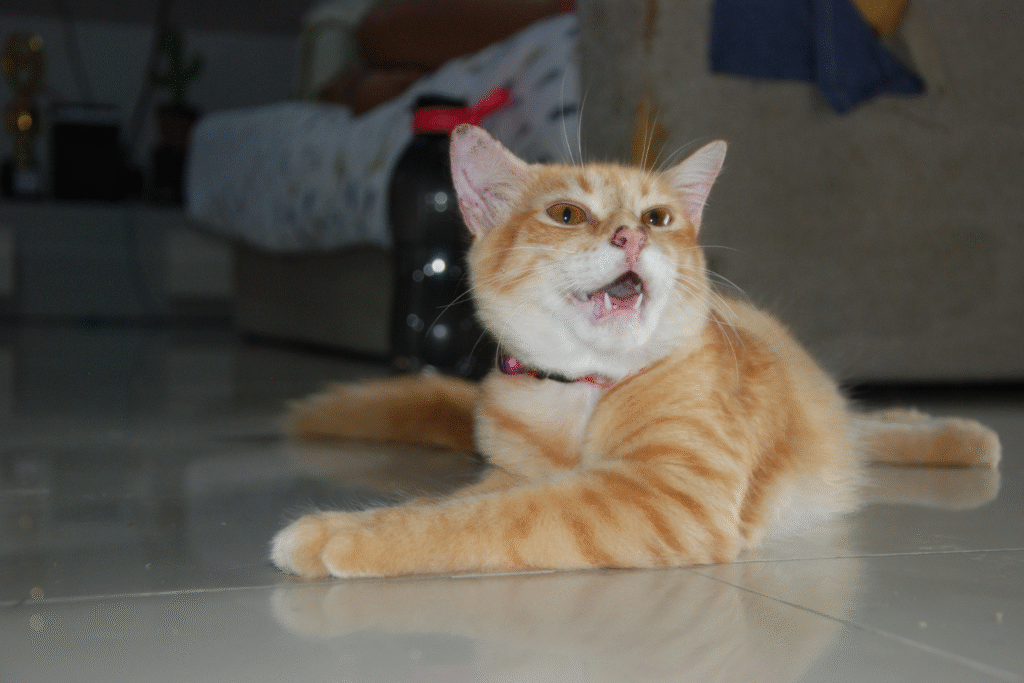
In cats, panting is not normal behaviour—but when it shows up it’s a major red flag for overheating. Studies indicate that panting or rapid breathing in felines often precedes heat-stroke conditions. According to Purina, symptoms such as panting or trouble breathing are clear indicators of heatstroke risk in cats. The reason lies in their limited ability to cool themselves: cats rely on grooming and airflow rather than sweating, so rapid breathing may be their attempt to dump excess heat. Because this sign can appear quickly, it’s one of the very first to be vigilant about.
When you notice your cat breathing unusually fast—especially after resting in a warm spot or being in direct sun—take it seriously and offer a cooler environment. If the pattern continues, it’s time to take proactive steps to cool them down before things escalate.
2. Their gums or tongue appear bright red or very pale.
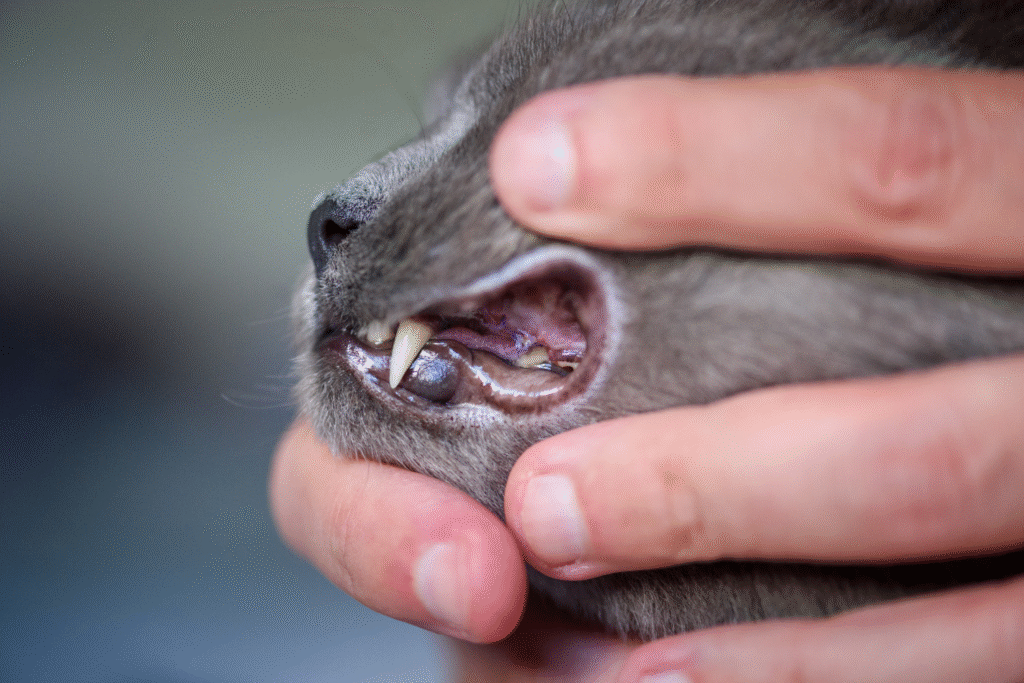
A change in the colour of your cat’s gums or tongue can point toward serious internal stress, especially from heat, according to RSPCA advice. It’s not just what you see, but what you don’t: pale gums might signal poor circulation, while bright red ones may indicate overheating. In many cases of feline heat distress, the gums are among the first visible markers of trouble.
This sign deserves your immediate attention. While occasional colour variation can happen for benign reasons, if it accompanies other signs like restlessness or panting, it’s a clear indication that the cat’s body is struggling. At that point, moving them to a cooler spot and informing your vet becomes essential.
3. Your cat is drooling, salivating or has wet paw-pads.
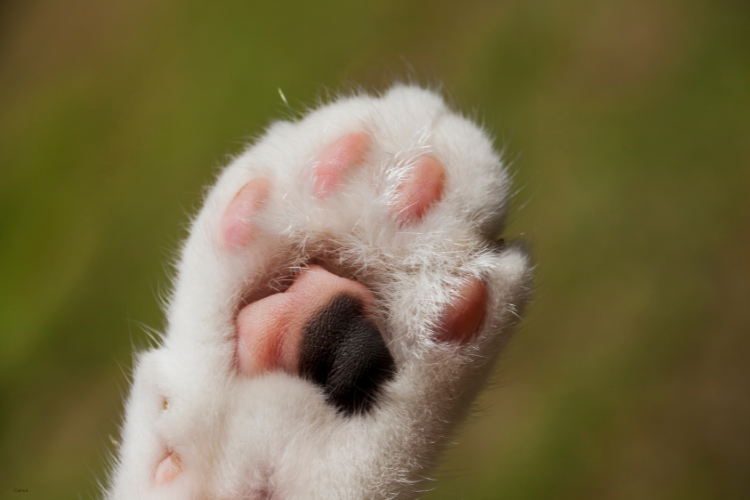
As stated by PDSA, drooling, excess salivation and sweaty paw pads are documented signs of heatstroke in cats. These symptoms reflect the cat’s efforts to cool down via less efficient mechanisms. Because felines don’t sweat as much as humans, you might spot damp paw prints or trails where they’ve walked seeking relief. It’s a visual cue that they’re overheating.
If you notice puddles of drool or wet paw-prints when the cat has been in a warm spot, take it as a sign to intervene. Even before full heatstroke kicks in, these early clues signal that your cat’s internal thermostat is overworked and needs support.
4. Your cat is restless, pacing or unable to find a cool spot.

When your feline companion begins moving from place to place in the home, seeming unsettled or pacing frequently, this may be more than casual behaviour. They may be seeking relief but failing to find it. Because cats instinctively look for cool surfaces or shaded spots when too warm, this kind of behaviour often indicates internal overheating.
That search for comfort often shows before more severe symptoms arrive. If you spot your cat moving restlessly, especially on a warm day or in a bright room, it’s a signal to proactively guide them to a cooler area with good ventilation or shade.
5. Your cat suddenly becomes lethargic or weak.

A drop in energy can be subtle but meaningful. When a cat that normally explores or plays instead lies down and seems too tired to move, it may be internal exhaustion from heat stress. The body uses so much energy trying to cool itself that it leaves less available for activity.
When you see this shift in your cat’s behaviour, it’s time to act. Offer fresh water, move to a cooler environment and monitor for further changes. Lethargy in heatstroke often comes before vomiting or collapse, so early recognition is key.
6. Vomiting or diarrhoea appears after exposure to heat.
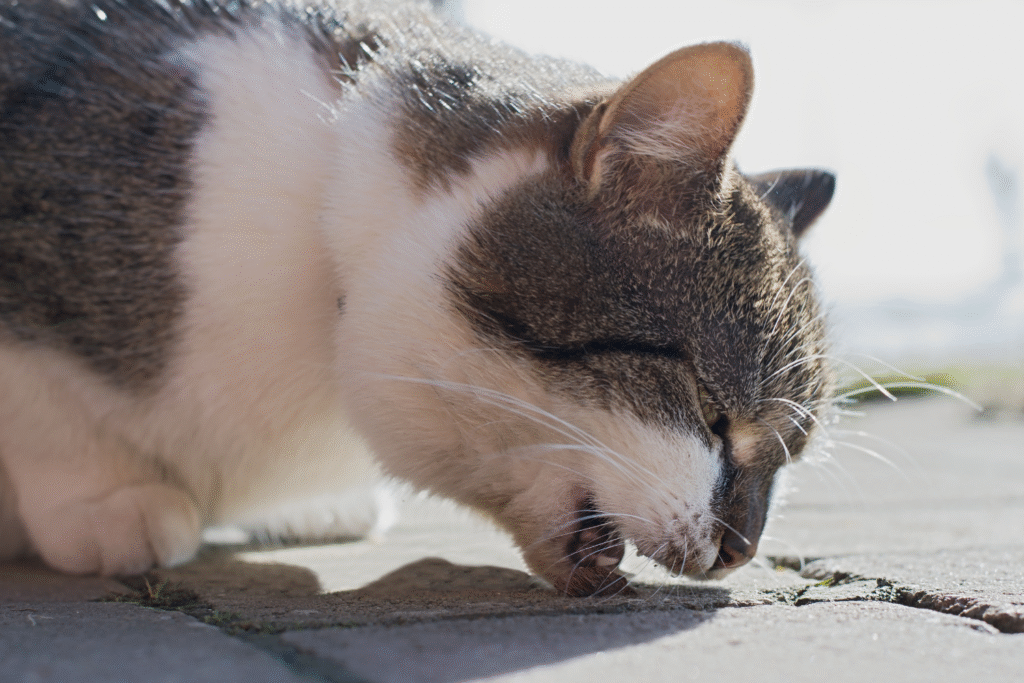
Digestive—system distress is one of the more serious indicators that your cat’s body is overheating. When heat impairs circulation and organ function, vomiting and diarrhoea can follow because the gastrointestinal system is vulnerable. On hot days or after being in heat for a while, if your cat vomits or has diarrhoea, treat it as a medical alert flag.
Even one episode in this context should prompt observation. Combined with other signs—such as flushed gums or restlessness—it strongly suggests the cat is moving beyond discomfort into dangerous territory. Don’t wait for full collapse.
7. Increased heart rate or noticeable heartbeat under the fur.
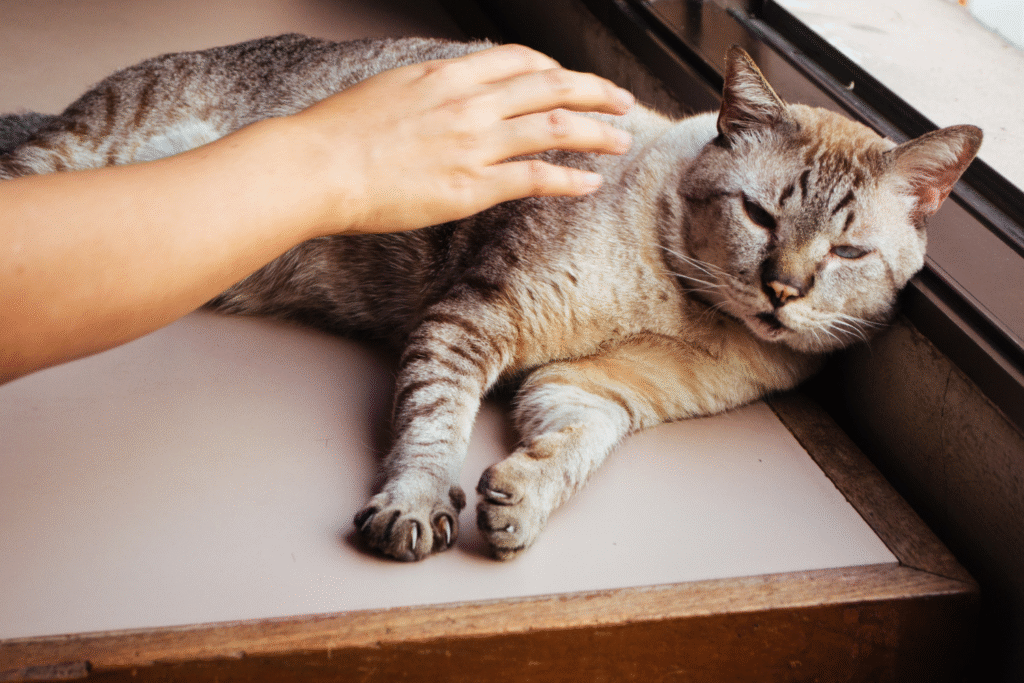
Just as humans may feel their pulse quicken on hot days, cats also experience heart-rate elevation when their bodies are stressed by heat. If you gently place a hand on your cat’s chest and sense a rapid heartbeat or irregular rhythm, this may indicate their system is working overtime.
Because you might not always feel it, watch for hint behaviours: heavier or faster breathing, open-mouth panting, fluffed fur as they try to cool. These may indicate the body is in a heightened state and needs relief.
8. Your cat collapses, staggers or loses coordination.
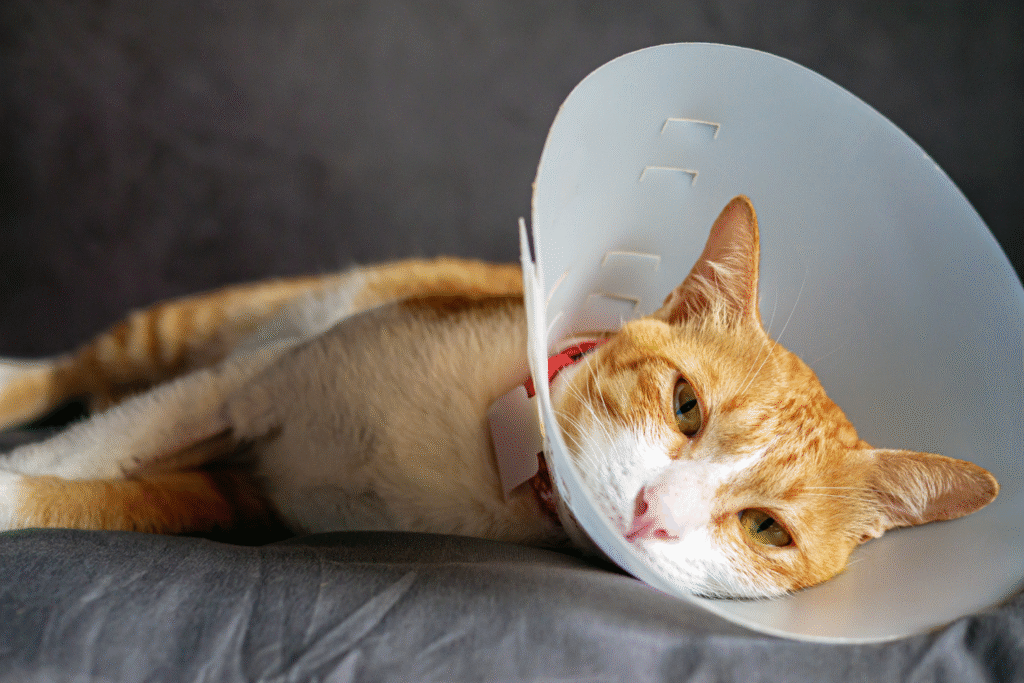
When a cat’s internal temperature breaches safe limits, neurological effects can emerge—off balance movement, staggering, trembling, even collapse. This indicates that overheating has progressed to affect vital systems. At this stage, immediate veterinary attention is required.
For cat owners, spotting this means you must stop everything and get help. Cooling measures should be applied en route to the vet, but do not delay. It marks the shift from being worried to being urgent.
9. Little to no urine output or unusually dark urine in the litter box.
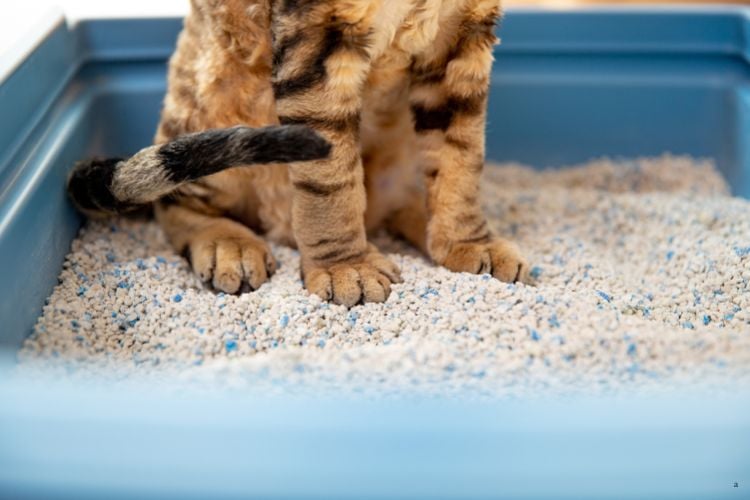
Heat stress can affect kidney function and dehydration sets in rapidly. If you notice your cat has not used the litter box in the usual timeframe or the urine appears darker and more concentrated, this may reflect dehydration from overheating. The kidneys are being affected before you might see more obvious signs.
Because cats often hide symptoms, this quiet signal demands your attention. Place fresh water accessible, encourage hydration and monitor urine output over the next few hours. Early intervention can prevent organ damage.
10. Disorientation, confusion or glazed eyes in warm conditions.
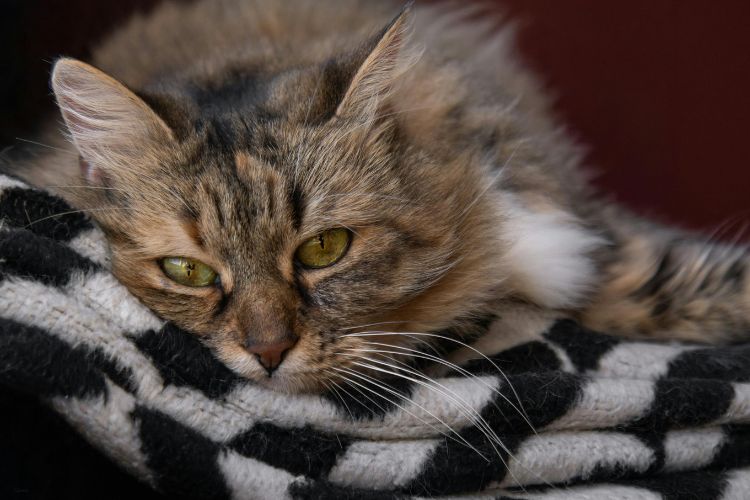
When your cat appears “off” in the way they look or move—eyes not tracking, appearing glazed or unfocused, wandering aimlessly—this may indicate overheating affecting the brain. Body temperature that is too high interrupts normal brain function, and these changes shouldn’t be dismissed as mere napping.
In warm weather or after being in a hot environment, if your cat behaves oddly, treat that as a warning. Offer immediate cooling and contact your vet if the state persists or worsens.
11. Flat-faced breeds, very old or very young cats facing higher risk.
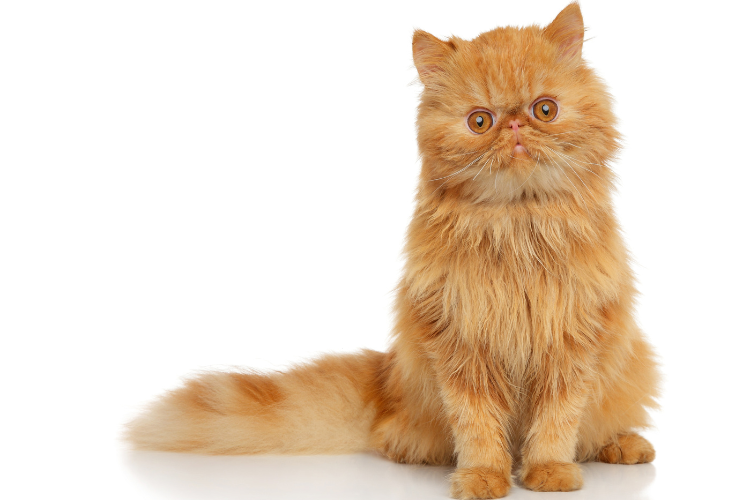
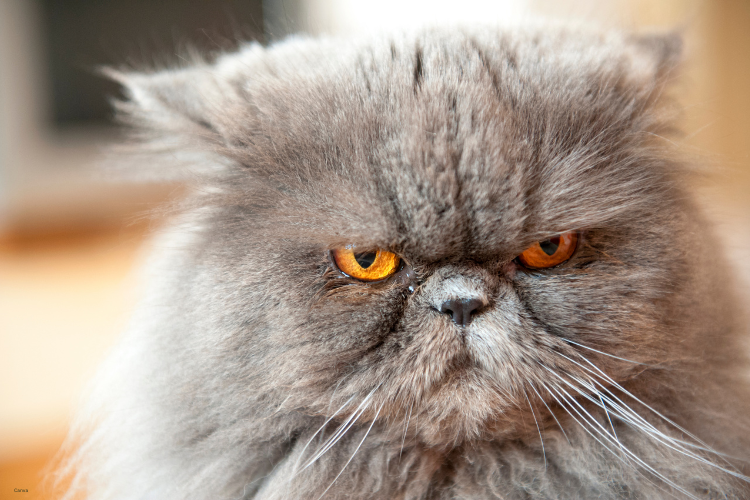
Certain cats face higher vulnerability to heat-related emergencies simply due to their physiology or life stage. For example, flat-faced breeds like Persians have less efficient airways which hinder heat loss; very young kittens or elderly cats may have inadequate temperature regulation. Medical advice highlights these groups as higher risk.
If you own a cat from these categories, treat very warm days as higher-alert periods. Provide extra cooling options, monitor more closely and act sooner on any of the warning signs above. Prevention is essential.