
Your cat’s loyalty may hinge on subtle things you barely notice.
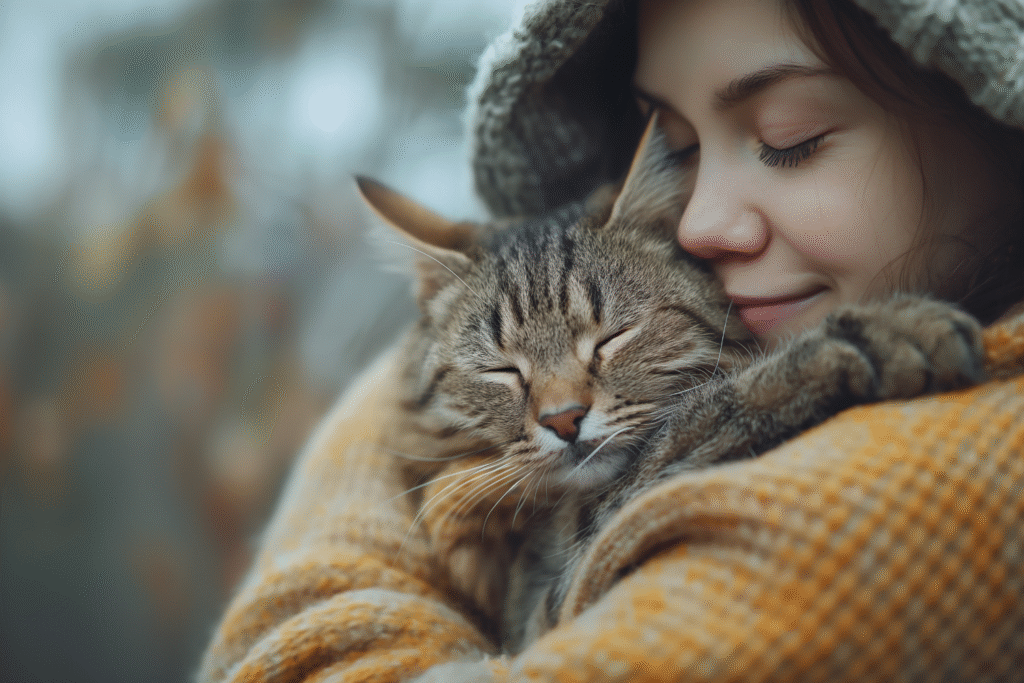
When your cat curls up on someone’s lap, it feels personal, and it is. But the favorite-human dynamic isn’t about who dishes the most treats or lavishes the most attention. Recent research shows that cats form preferences based on subtle cues: who lets them approach on their own, who respects their boundaries and who offers consistent calm interactions. In this article we’ll walk through ten reasons your cat may have quietly selected “you” (or someone else) as their preferred person, and what that means for your bond.
1. Your cat gravitates toward the person they feel most comfortable with.
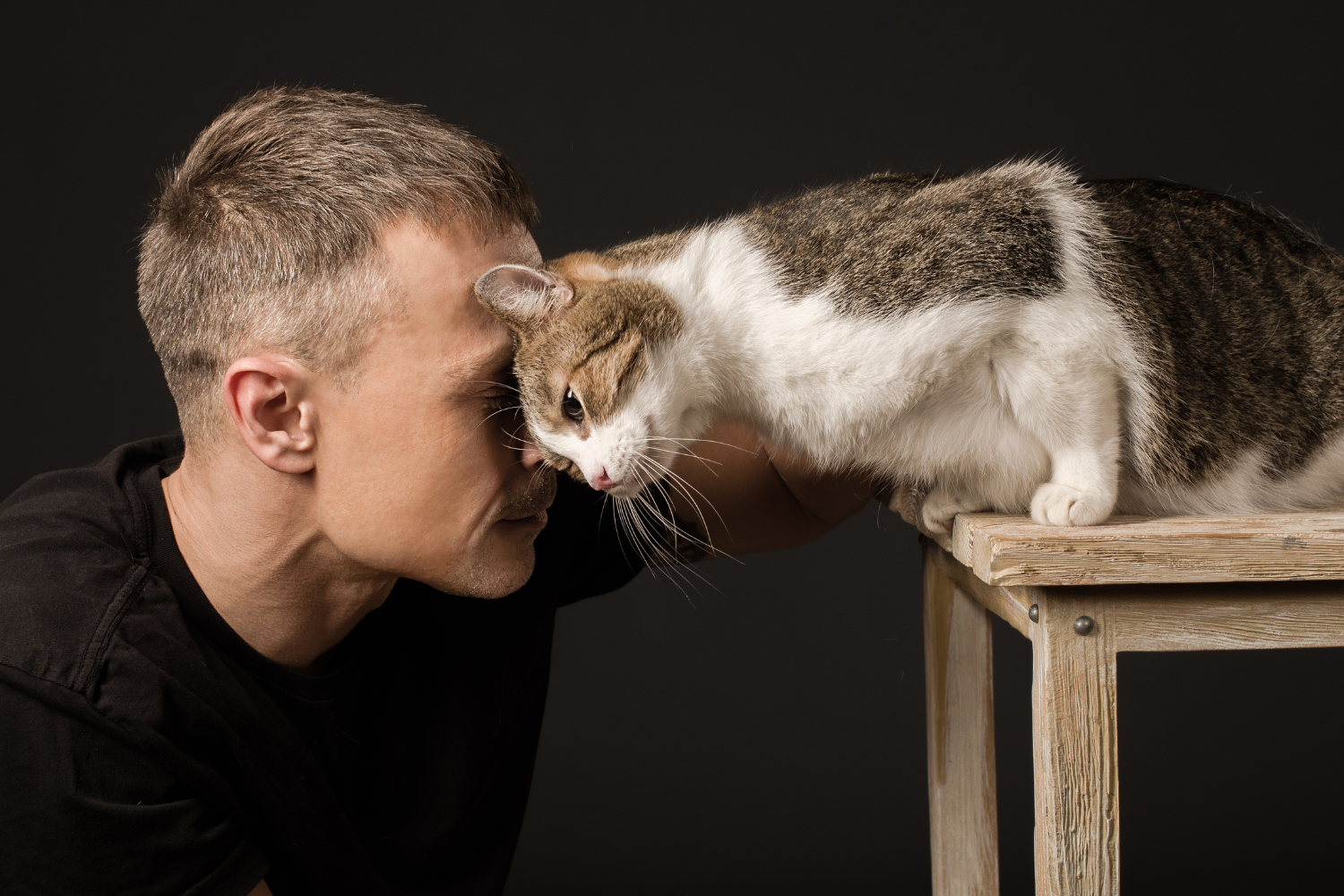
In a controlled study at Oregon State University, cats were given a choice between food, toys, familiar scents, and human interaction. Most chose social contact with people, a result that surprised researchers and highlighted how deeply cats value connection. That means when your cat walks over to sit with someone rather than being carried, it’s often the start of a favorite-human bond. What matters most is that the person gives them space, and the freedom to choose.
When a cat approaches someone on their own, it’s a genuine sign of trust. That person isn’t just a caregiver; they represent safety. And in the feline world, safety combined with choice is the foundation of attachment.
2. They prefer the person who gives consistent routines and support.
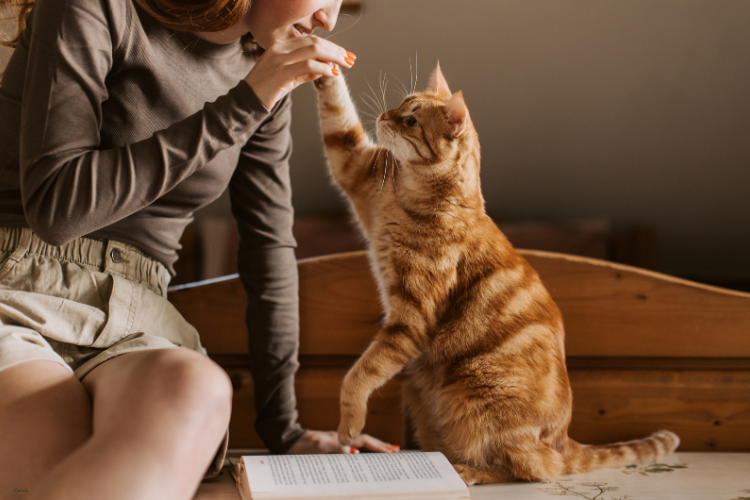
Stable daily patterns of feeding, play and calm presence deepen the bond, according to feline behavior consultants who highlight consistency as a key factor. A person who reliably arrives with mealtime, cleans the litter box on schedule or offers play when the cat wants it will be the one chosen.
Because cats value predictability and low-stress interactions, even a quiet human becomes the favorite through repetition and reliability rather than loud affection. Over time the cat signals, through approach and repose, that they choose this person above others.
3. The individual who understands cat body language becomes preferred.
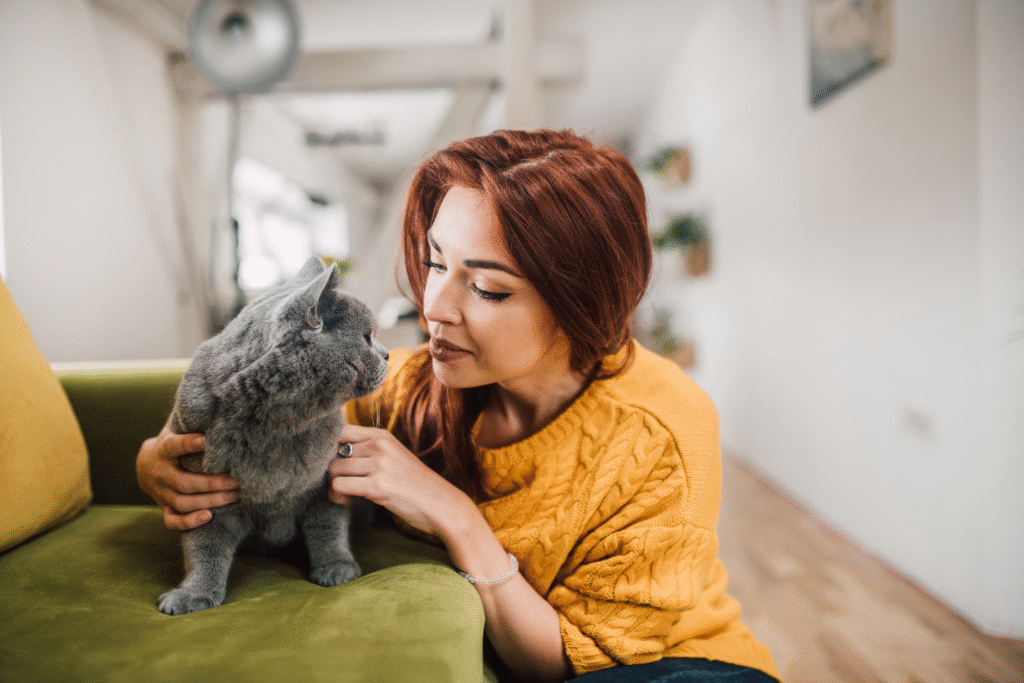
As discovered by a study in the journal Human–Animal Interaction, cats respond more positively when the human adapts to their communicative cues rather than the other way around. Humans who learn to read tail flicks, ear movements and blink-slow signals earn trust and thus favor.
You might have seen it: one person sits quietly reading while the cat lounges nearby, and another chases after the cat only to get hissed at. The difference lies in attunement. By being observant rather than forceful, the favorite human role is built on communication, not dominance.
4. Your cat might choose the person with calmer energy.
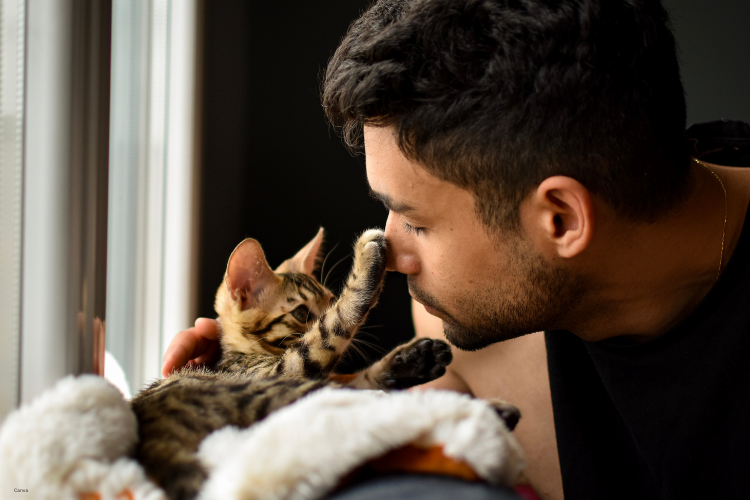
If one housemate is relaxed and offers low-intensity interactions while another is loud, fast-moving or touch-heavy, the cat often leans into the calm rhythm. High energy can stress a feline who values safe, controlled environments, so the quiet presence becomes more appealing. Over time the relaxed human becomes the “go-to” for rest, reassurance and company.
This doesn’t mean the energetic person can’t bond too, it just means that their style might take longer to earn trust. If you’re that walking whirlwind, slowing down during those times with your cat may shift the balance.
5. Respecting the cat’s boundaries increases your chances.
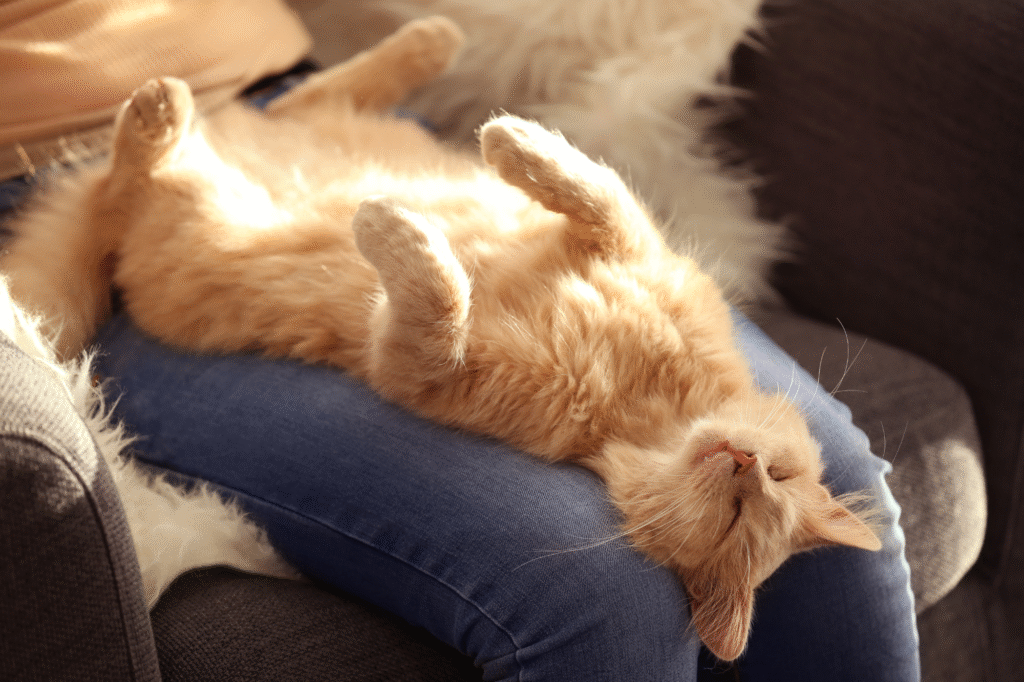
Cats appreciate humans who don’t constantly hover, pick them up uninvited or pressure them for attention. People who allow the cat to initiate contact and who respond gently to cues like a tail flick or turned head build more trust. When a person stops chasing the cat and starts waiting for the cat, the favorite label becomes more likely.
In households where one person gives space and another pursues affection, the space-giver often wins. The cat learns that they control the interaction with that person—that sense of agency is attractive.
6. The human who provides a comfy nest becomes special.
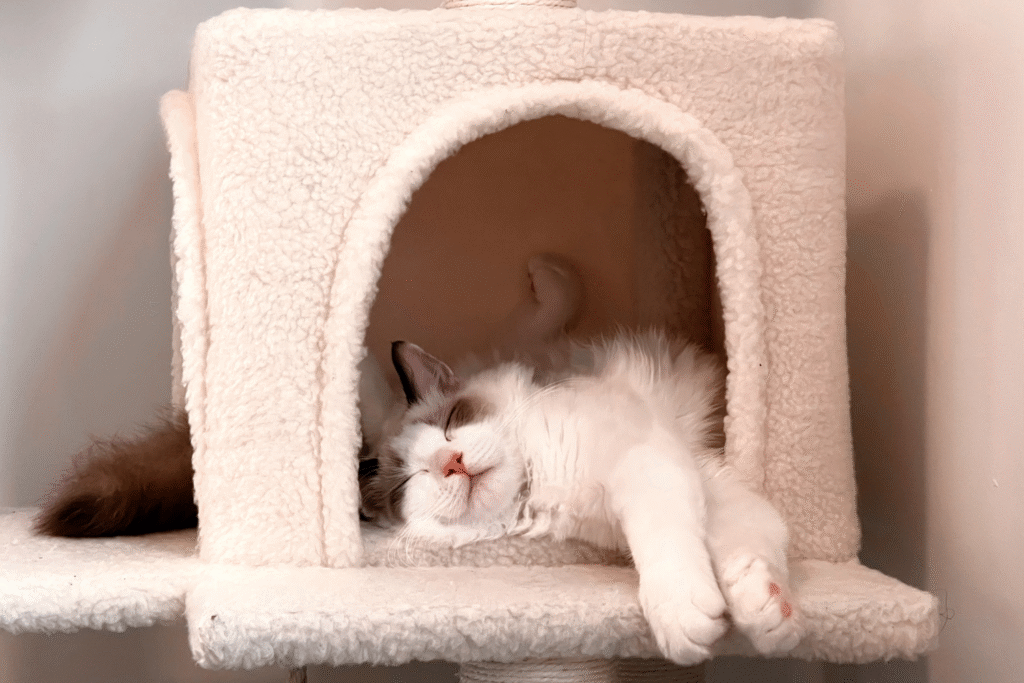
Cats often choose a person who offers a stable environment: soft bedding, quiet corners, reliable access to windows and safe perches. It isn’t always about who holds them, it’s about who gives them what they need for comfort. Creating that safe zone builds affinity.
In practice this means that the person who cleans the sleeping area, offers access to high spots or closes the door when outside noise rises may become the preferred one. The cat links that human with security and thus chooses them.
7. Attention timing matters more than attention volume.

It isn’t always about how much you engage your cat, it’s about when and how you engage. A brief, well-timed interaction when the cat is receptive often beats lengthy but poorly timed petting or play. Humans who tune into the cat’s “on” moments become the favorites.
So if you find that your cat tolerates long play sessions with one person but instead seeks out another for a quiet cuddle on their schedule, it’s because that person is adapting to feline rhythm. You become the scheduled guest, but they become the choice.
8. Early kitten socialization influences the favorite human dynamic.
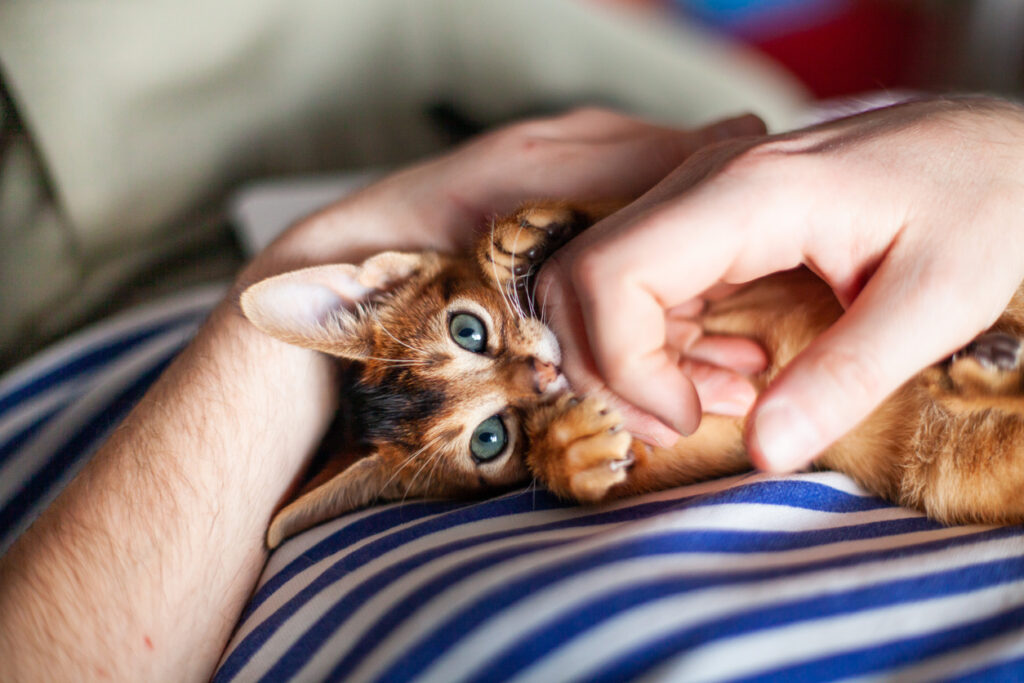
Cats that are handled by diverse people when young are more flexible in their adult relationships. Data shows the window between roughly 2 and 7 weeks old is critical for forming comfort with humans. A kitten exclusively handled by one person often bonds predominantly with that human later.
If you’re acquiring a kitten, being present and gently engaged during that early window increases your chance of becoming a favored person. For older cats, patience still wins—but early access gives you a head-start.
9. Smell and sound cues impact feline preferences.
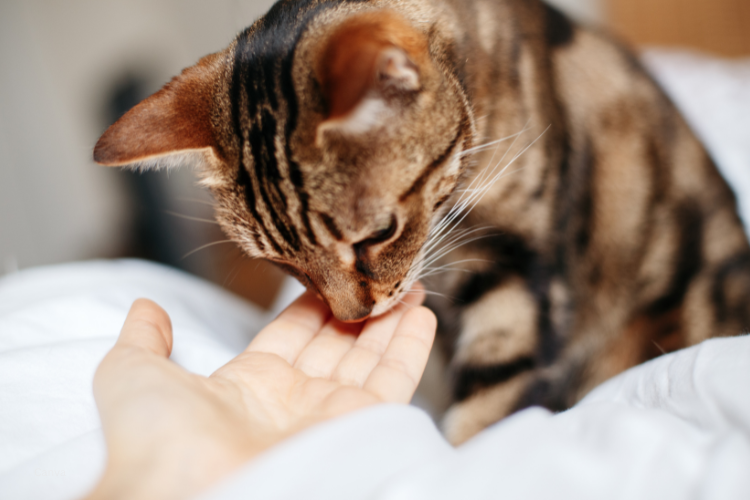
Felines have highly sensitive noses and ears; they pick up on a person’s scent, voice tone and movement style. A human whose odor, clothing or scent markers align with “safe” signals for the cat may gain favor. A voice that is moderate and predictable adds to the comfort.
This means that while the person who feeds and plays may seem obvious, sometimes the person who wears fewer perfumes, uses quieter tones and offers fewer surprises becomes the “preferred” simply because they fit the cat’s neurological comfort zone.
10. The favorite person might change when life conditions shift.
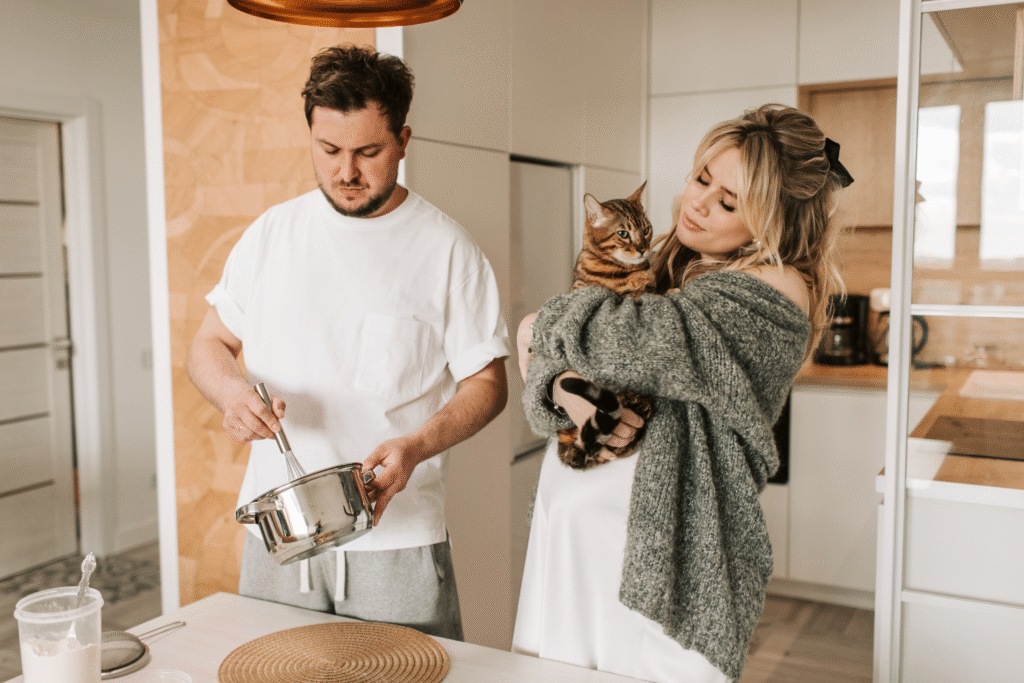
Despite early bonds, cats are flexible. Changes in household routine, health status of the human, or the arrival of another pet can shift feline preferences. A person who was once the favorite might step back and someone else may step in, especially if that person aligns better with the cat’s current needs.
Recognising this fluidity helps you understand feline relationships as dynamic rather than fixed. The favorite slot is a role the human can earn and re-earn as both you and the cat evolve.
11. Being the favorite doesn’t mean you get nonstop lap time.
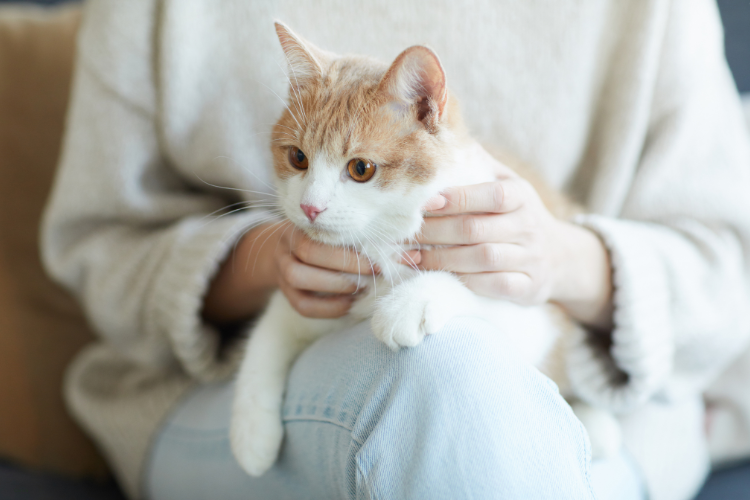
Sometimes people assume that being “the favorite” means constant cuddles or attention—but cats often choose someone because they feel secure and in control around them, not because they’re always sitting in their lap. The bond is quieter, steadier and less demanding.
If you expect nonstop interaction and your cat instead prefers to nap nearby or briefly bump you with their head, know that those are signs of trust. Your cat might have chosen you precisely because you give them safe autonomy—not because you hold them all the time.