
Long-lost predators return in conflicted landscapes.
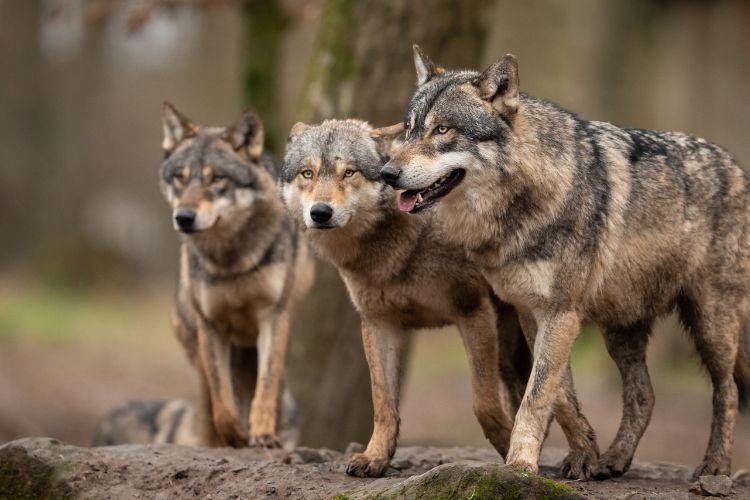
After nearly a century without wild wolves, California saw a quiet comeback beginning in the 2010s, and now that revival has collided with ranching livelihoods in a remote mountain valley. Wildlife officials recently put down four wolves of the Beyem Seyo pack in the Sierra Valley following a sharp rise in cattle deaths linked to wolf attacks. The move, rare under California’s strict protections for the gray wolf, highlights the tightrope between recovery and coexistence.
1. The wolf was eradicated from California nearly a century ago.
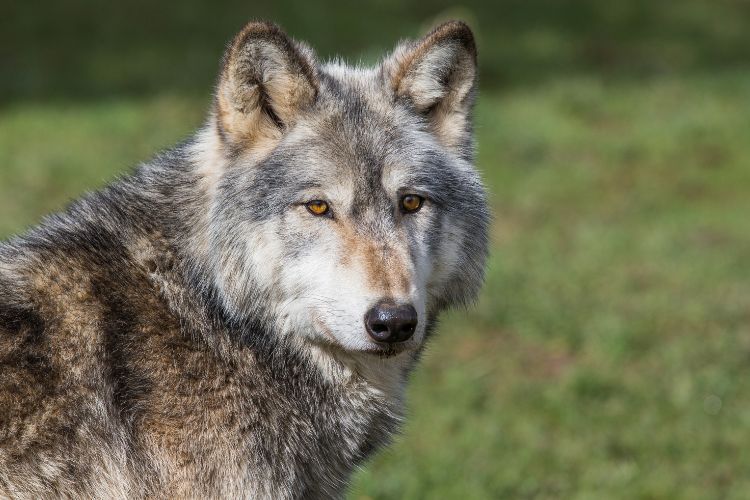
Wolves in California were effectively wiped out by the 1920s, hunted and trapped so extensively that none were confirmed in the state for decades. Then in 2011 a wolf known as OR-7 crossed into northern California from Oregon, a signal the species was returning, according to California Department of Fish and Wildlife records. Over the years a handful of packs formed, including the Beyem Seyo pack in Plumas County.
Yet their return has not been quiet. As wolves re-establish, they’re entering landscapes heavily used by humans, ranchlands, forest grazing areas and rural communities, which means the old conflicts have re-emerged. The state’s wildlife managers face the challenge of protecting both the predator and the livelihoods that lie in its path.
2. Officials cited livestock losses as the reason for lethal removal.
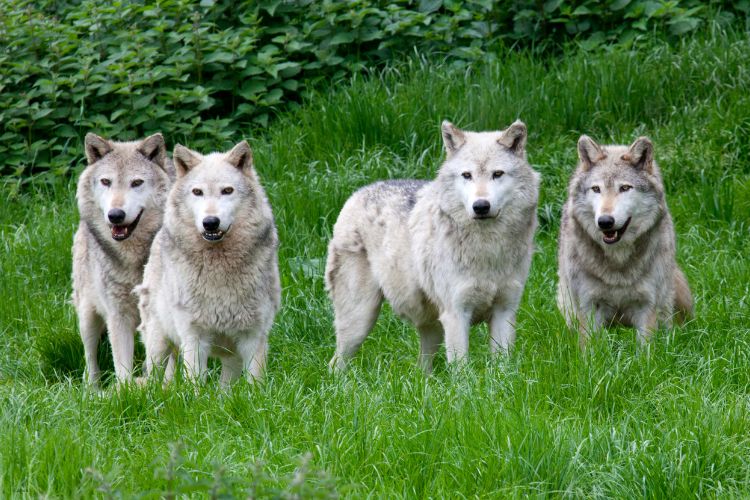
After the Beyem Seyo pack was traced to dozens of cattle kills this grazing season, state wildlife managers authorized their removal, reported by the San Francisco Chronicle. Non-lethal deterrents had been attempted, but officials decided the pattern had become unacceptable.
For ranchers in Sierra and Plumas counties the losses were crippling, calves gone, fences broken, nights spent worrying. For conservationists the decision was bitter: this was the first lethal removal of wolves in California under the endangered-species laws. The tension between recovery goals and ranch-based realities became unavoidable.
3. The pack name and monitoring show state tracking efforts.
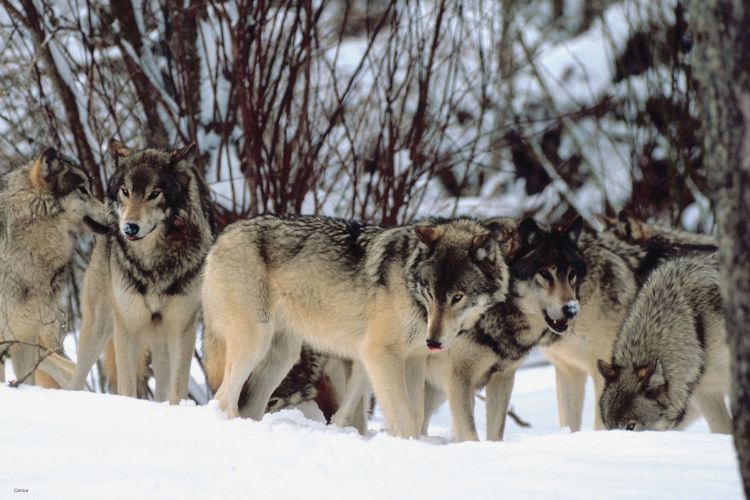
The Beyem Seyo pack was formally identified by the Wildlife Department in 2023 after track and genetic evidence confirmed breeding adults and pups, as shown by Pacific Wolf Family monitoring. The adults were collared, their movement mapped, and their population monitored over months. The pack’s territory spanned parts of Plumas and Sierra counties.
That detailed monitoring shows how far the state’s wolf-program has come, but also shows the complexities. With adults collared and two juveniles still at large, officials now face decisions about relocation, education and compensation for ranchers. The pack’s story illustrates both recovery and conflict in one.
4. Ranchers say repeated losses upped the pressure for action.
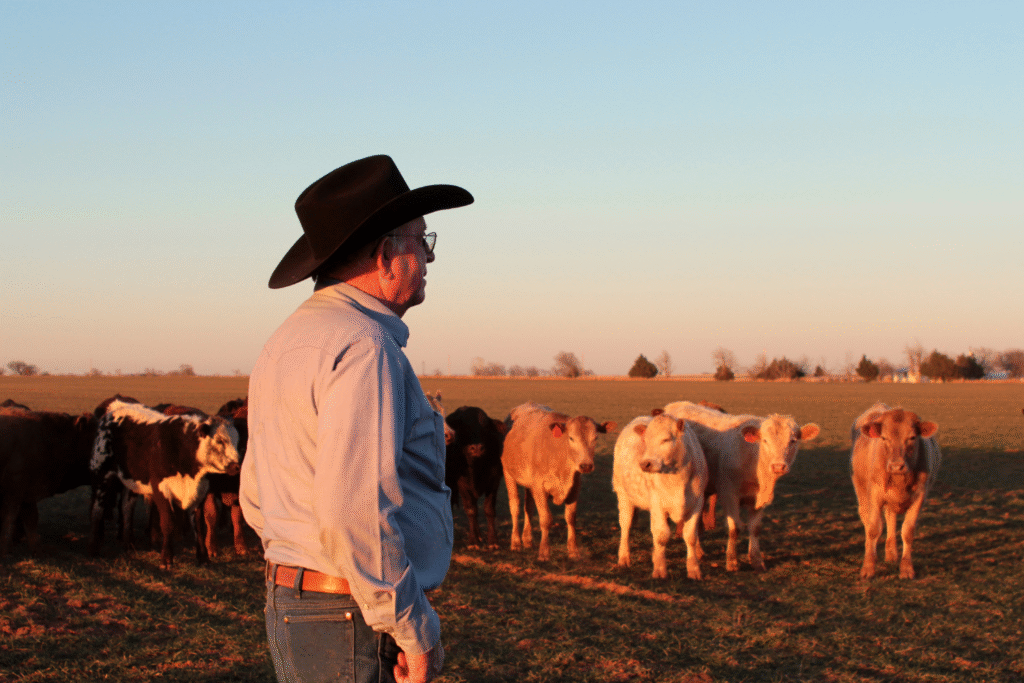
In the Sierra Valley, ranchers reported one then two then dozens of cattle missing or mauled, saying protective fencing and guard animals were no longer enough. Meetings with county supervisors, photos of carcasses and mounting frustration brought state attention. What began as lone wolves nibbling at calves turned into sustained predation, ranchers said.
For residents, this wasn’t a remote wildlife problem, it was right across their pastures. When non-lethal deterrents failed and cost climbed, local pressure mounted. The removal of the pack became not just wildlife policy but local survival strategy.
5. Non-lethal deterrence methods were deployed before the kill decision.
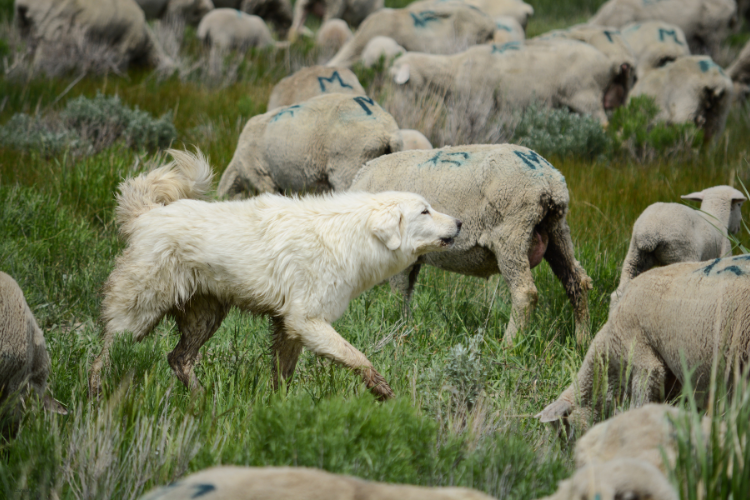
Before lethal action, state agencies and partner groups used drones, collars, fladry fencing, guard dogs and night patrols to keep wolves away from livestock. These are standard steps in wolf-livestock conflict management. Though some deterrents showed limited success, the targeted pack reportedly adapted to or ignored many measures.
That escalation path is critical to understand. It shows that lethal removal is framed as last resort—not first option, when a pack’s behavior shifts and non-lethal options exhaust. For wildlife managers the question becomes: at what point does coexistence fail?
6. The move raises major questions for California’s wolf-recovery plan.

California began protecting wolves in 2014 and facilitated their return; now the removal of an established pack complicates that narrative. With an estimated 50 to 70 wolves across about ten packs in the state, each individual matters for genetic health, spread and survival. Removal of the Beyem Seyo pack diminishes the population and could undermine public confidence in recovery efforts.
Conservationists warn that too many conflicts and lethal removals could shift public sentiment and stall progress. The delicate balance of protecting wolves while keeping ranchers onside is now under sharper stress than ever.
7. Legal frameworks allowed removal under strict conditions.
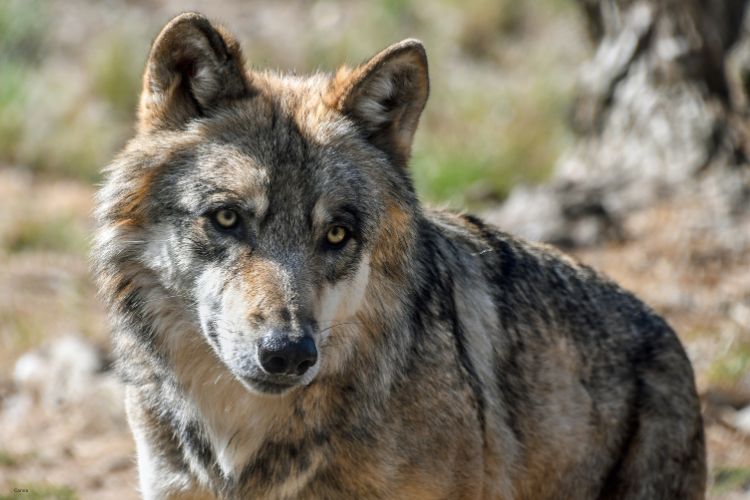
The gray wolf in California is protected under the federal Endangered Species Act and state law, but both provide for narrow exceptions when livestock depredation becomes chronic and non-lethal options fail. Wildlife officials say they followed those protocols with the Beyem Seyo pack. The decision was described as “not made lightly” by agency directors.
That legal path matters because it shows this case isn’t a freer policy reboot, it’s constrained by laws, science and precedent. How the state navigates this sets the tone for future wolf-rancher interactions.
8. Economic and emotional tolls weigh heavily on local communities.
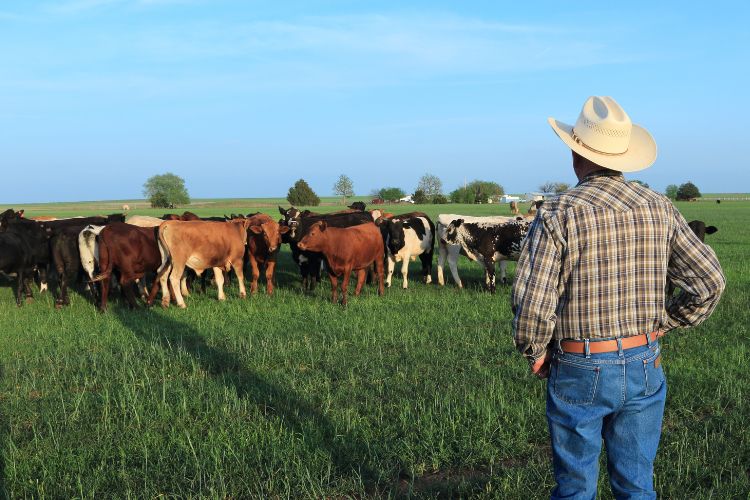
For the ranchers in the foothills of the Sierra, each lost calf isn’t just a number, it’s a stake in generational livelihoods. Some reported tens of thousands of dollars lost in a single season. Beyond money, there’s fear, sleepless nights and the stress of balancing wildlife recovery with daily survival.
Wildlife agencies emphasise compensation programs and collaboration, but ranchers say delays and bureaucracy often leave them in limbo. That dynamic deepens mistrust and makes future cooperation harder.
9. Two young wolves from the pack remain at large, officials say.
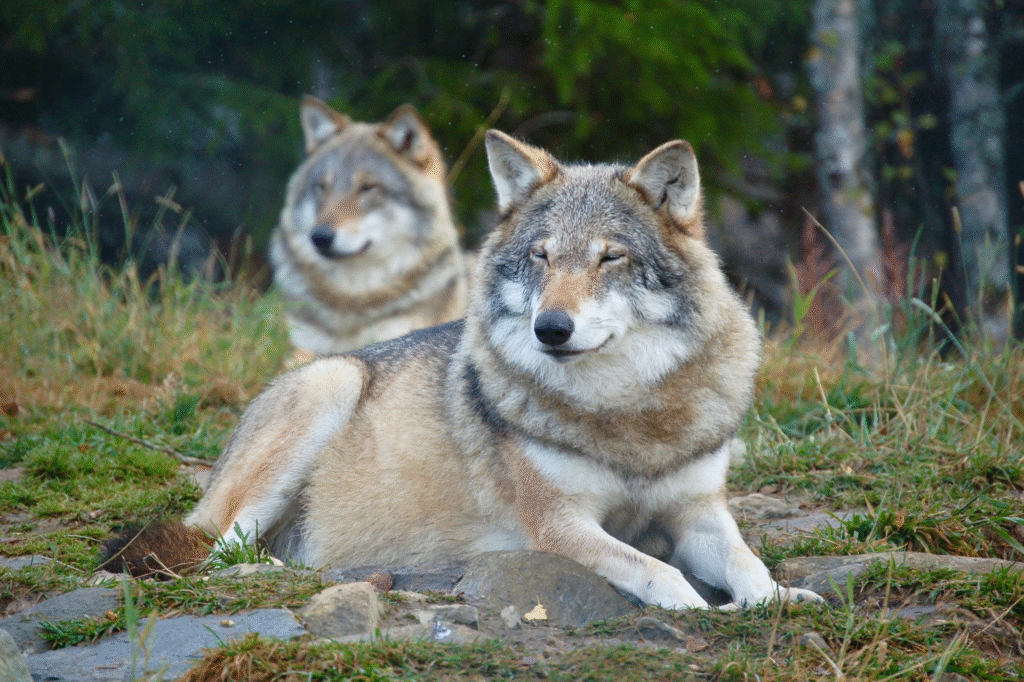
After euthanizing the four pack members, biologists are now tracking at least two juveniles believed to be part of the Beyem Seyo pack but still free. The plan is to capture and relocate or place them in captivity to minimise further conflicts and preserve some genetic stock. The success of those efforts will be closely watched.
This next phase is risky. Young wolves tend to roam wide, adapt poorly to new environments and may again traverse ranch lands. The outcome will shape not just the future of those wolves, but the narrative of wolf management in California.
10. What happens in California may ripple through Western wildlife policy.
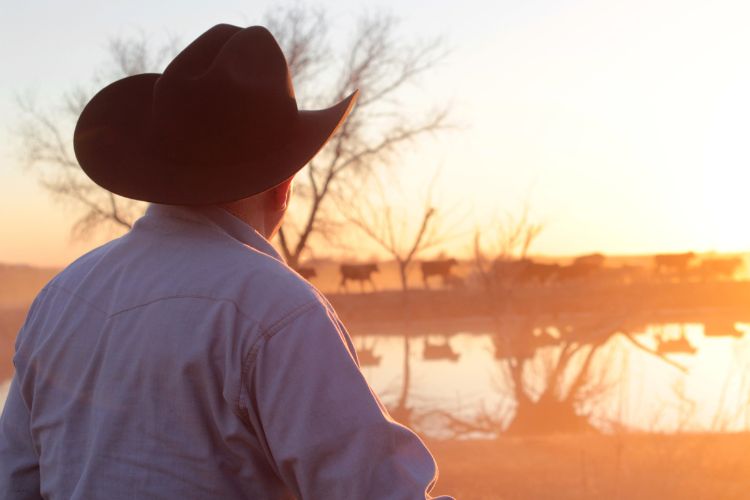
The stakes go beyond one valley. States across the West, from Montana to Colorado to Idaho, are also grappling with wolf-livestock dynamics. California’s precedent of lethal removal under its recovery program may influence how others structure compensation, deterrence and lethal-removal thresholds.
For the broader conversation about apex predators and human landscapes, the question isn’t just “can wolves return” but “how will we live with them?” California’s answer now will echo far beyond its borders.