
Radar reveals enigmatic rings beneath Venus’s clouds.
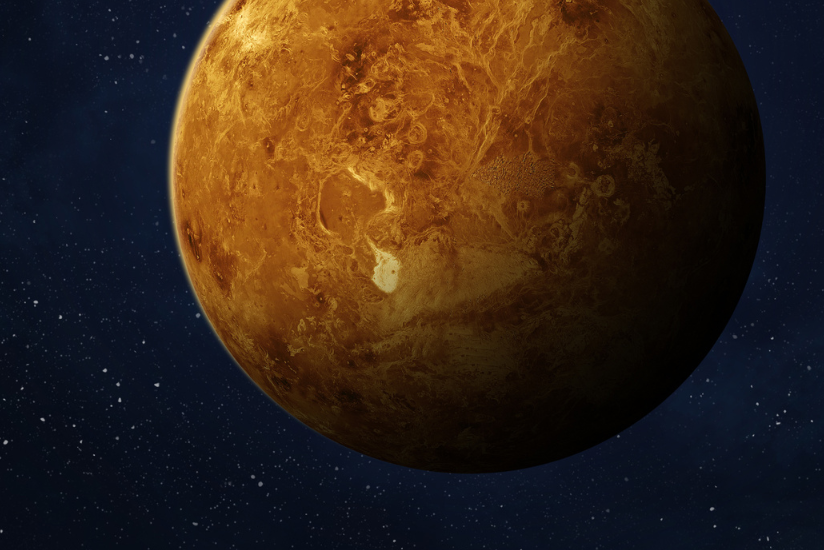
Just when you thought the second planet from the sun, Venus, had surrendered all its secrets, the universe whispers otherwise. A fresh wave of radar and gravity data is uncovering odd, almost sculptural circular formations on its surface, and scientists are scratching their heads. These shapes challenge assumptions about what Venus’s geology can do—even under its dense atmosphere and brutal surface conditions. Together we’ll walk through ten of the most intriguing findings that are making planetary geophysicists rethink what this “twin” world is really up to.
1. The planet is studded with giant circular coronae.

Researchers now recognize that Venus’s crust is peppered with features called coronae, massive circular or ring-shaped structures sometimes hundreds of kilometres wide. In one re-analysis of Magellan radar data, scientists discovered that these immense formations likely occur where hot rock from the mantle pushes upward while cooler crust sinks, as stated by researchers at the University of California San Diego. These formations aren’t your standard volcanoes. They resemble collapsed rings and flattened domes, hinting that Venus vents internal heat in vast circular zones rather than narrow volcanic channels. The scale of each corona suggests deep, planet-wide processes at work beneath its suffocating clouds, offering scientists a glimpse into how heat escapes from a world without tectonic plates.
2. Many coronae might still be active today.
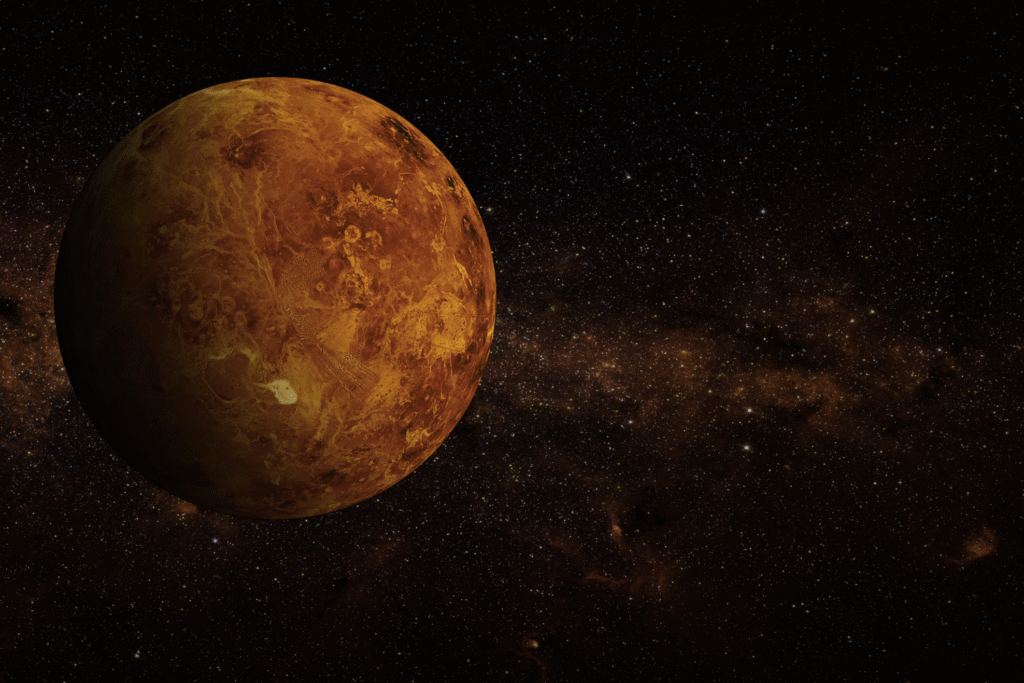
In a new analysis combining radar topography and gravity data, scientists determined that over half of a large sample of Venusian coronae show signs of buoyant rock rising from below the crust, suggesting these features may still be geologically alive, according to research published in Scientific American. For a planet long assumed dead inside, that’s a seismic revelation. If Venus’s coronae are still forming or changing, it would mean the planet’s interior heat engine continues to churn beneath its stagnant crust. That not only revises what we thought about Venus’s volcanic past but also hints at how planets without tectonic plates can remain geologically restless for billions of years.
3. The weird geometry includes trench-like features around coronae.
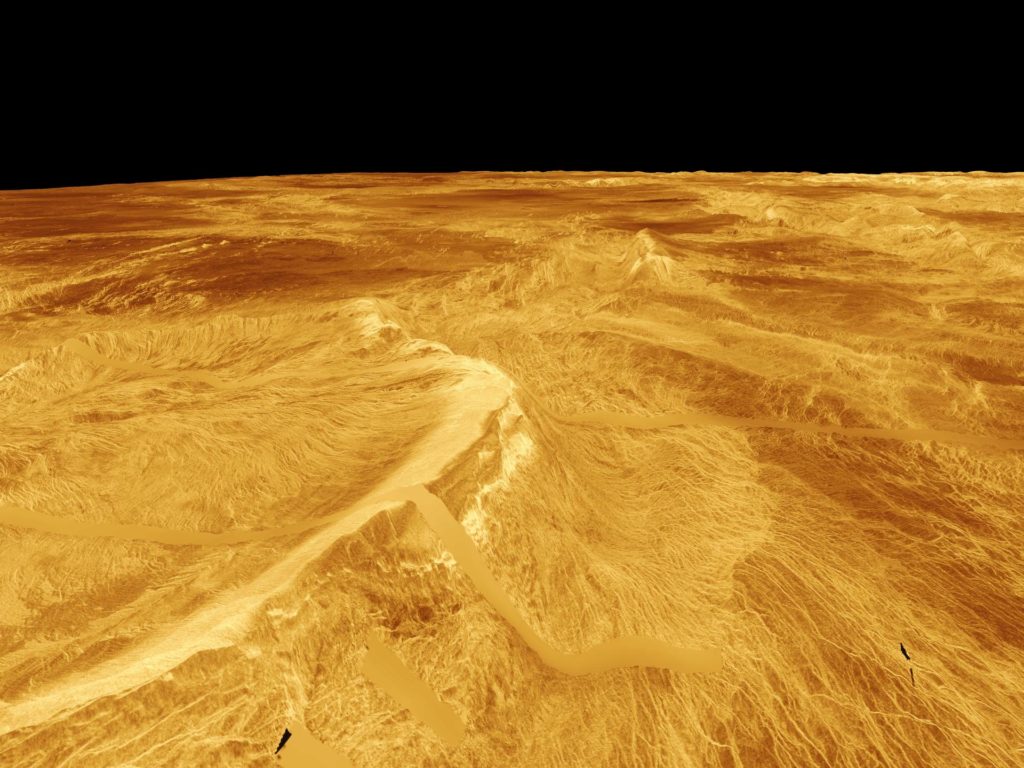
Some coronae display perfectly concentric trenches and ridges encircling their centres, which scientists think form as hot material pushes up while surrounding crust collapses inward. This curious symmetry mimics the balance of uplift and subsidence seen in Earth’s most complex volcanic systems, as reported by The Debrief. Those trench-rimmed circles might look simple on radar, but they’re anything but. Each ring records a battle between rising magma and sinking rock, sculpted under crushing pressure and heat. Seen across multiple regions of Venus, these patterns repeat like fingerprints, suggesting an entire planetary mechanism that’s still revealing its logic one circle at a time.
4. Some of the features might be remnants of massive ancient impacts.

In Venus’s tessera terrain, researchers suspect that a few of the ringed structures—especially those with fractured rims—could be ancient impact scars rather than volcanic upwellings. These concentric patterns stretch hundreds of kilometres, hinting at colossal meteor strikes buried under lava flows. Their preservation beneath the planet’s thick atmosphere is remarkable, acting as geological time capsules that bridge the gap between early bombardment and modern resurfacing.
5. Venus might use a whole different tectonic playbook compared with Earth.

Earth’s plates constantly shuffle, but Venus operates under a stagnant lid system. That means heat builds beneath the crust until it forces its way up, forming vast coronae. Without subduction or spreading ridges, these circular features may be Venus’s only outlet for releasing internal energy. The planet’s rigid surface behaves like a single massive shell, bending and warping where heat concentrates. Understanding this system could redefine how scientists imagine the evolution of rocky planets without plate tectonics.
6. High resolution radar mapping is finally peeling back Venus’s cloud cover.

The Magellan spacecraft gave us the first full radar maps of Venus decades ago, but today’s advanced reprocessing of that data is exposing finer details. Upcoming missions like NASA’s VERITAS and ESA’s EnVision are set to improve surface resolution and gravity mapping dramatically. With sharper imaging, scientists hope to detect active deformation, subtle surface shifts, or even hints of volcanic flows. If any of those appear, it would confirm Venus as an active, dynamic planet rather than a geological relic.
7. The weird structures challenge our understanding of planetary habitability and evolution.
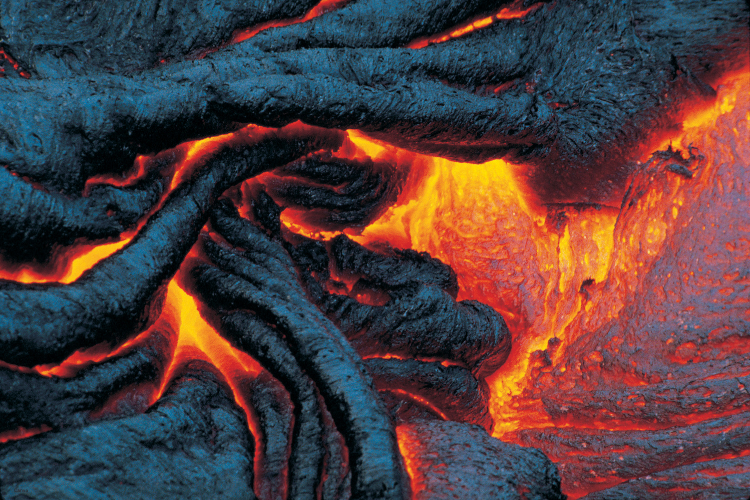
Venus and Earth started with similar sizes and likely similar compositions, yet one became a paradise for life and the other a furnace. The persistence of these geometric features underscores how crucial interior activity is for regulating surface environments. If Venus’s internal recycling failed or diverged early, its atmosphere might have thickened uncontrollably, creating its runaway greenhouse. That process, locked within the rings and fractures of its surface, offers a sobering clue about how fragile planetary balance can be.
8. Clusters of pancake-domes and arachnoids add extra weirdness to the surface.
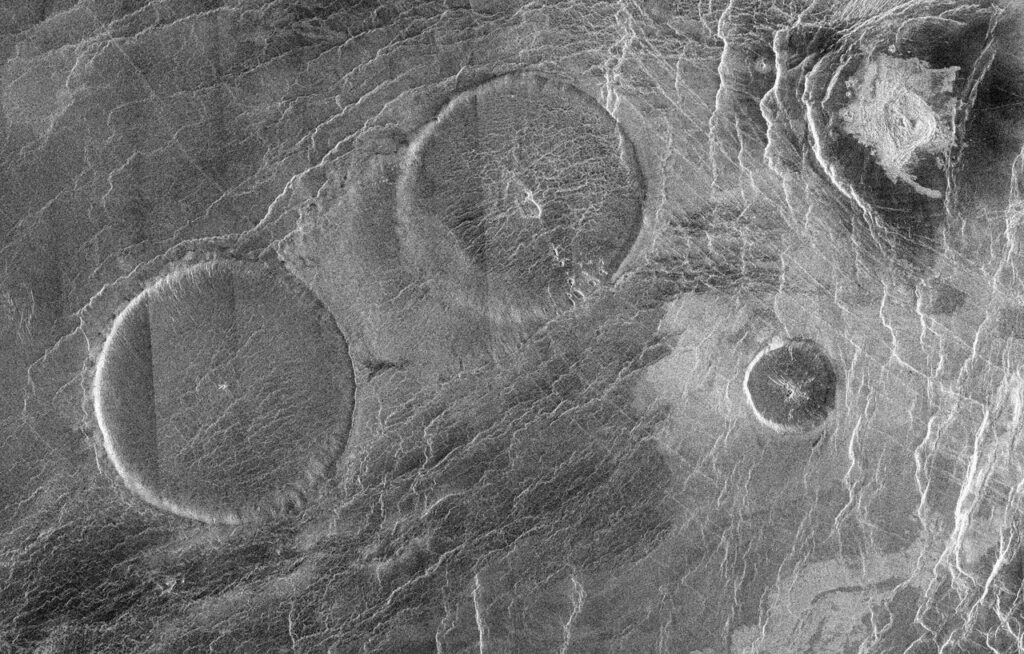
Beyond the coronae, Venus’s plains are covered in pancake domes—wide, flattened mounds likely formed by thick, viscous lava—and arachnoids, web-like patterns that sprawl for miles. Both occur near volcanic plains, hinting that they could represent snapshots of ongoing or cyclical volcanic events. Their uncanny symmetry and scale suggest slow-moving eruptions under intense atmospheric pressure, where even lava behaves differently. Each new radar pass seems to reveal more of these shapes, making Venus’s surface look increasingly alien.
9. Some of the structures may provide insight into the deep interior of Venus.

Gravity and topography data are being used to infer the density variations beneath these formations. Where gravity anomalies are high, scientists infer buoyant plumes or mantle upwellings; where low, cooled dense material may be sinking. This paints a three-dimensional portrait of how Venus’s interior circulates. Such data is rewriting our understanding of planetary cooling, suggesting Venus is still radiating internal heat in surprising ways—quietly, but persistently—beneath its opaque clouds.
10. Future missions may reveal whether these structures are still evolving now.

NASA’s VERITAS and DAVINCI missions, along with ESA’s EnVision, will soon send high-precision radar and atmospheric probes to Venus. If they capture even slight surface movement or heat signatures, scientists could confirm that Venus is still geologically alive. The discovery would bridge the gap between what we see frozen in Magellan’s images and what’s happening right now. Each orbit and data pass could expose another layer of the planet’s secret geometry, one ring or dome at a time.