
The first colonist may arrive unnoticed.
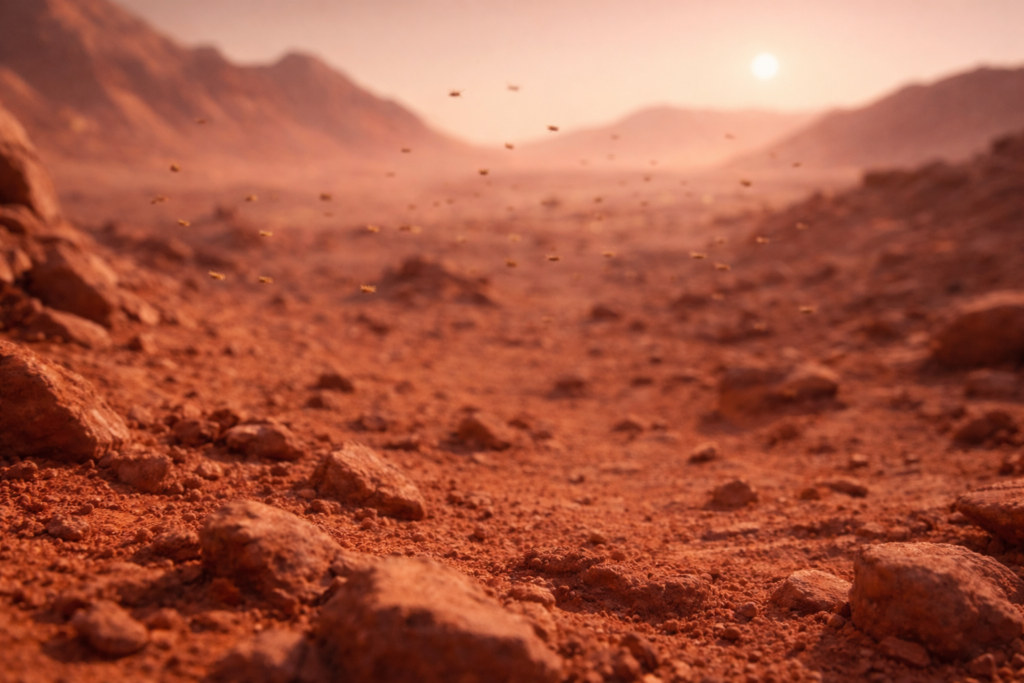
When scientists talk about surviving Mars, the conversation usually centers on humans, machines, and sealed habitats. Yet some researchers are quietly asking a different question, one that starts much smaller. What if the first Earth life capable of enduring Mars is already adapted to chaos, scarcity, and extreme environments.
Mars demands resilience, efficiency, and cooperation under stress. Those traits do not belong to astronauts alone. Somewhere in the background of space research, an unlikely candidate keeps resurfacing, not because it was designed for Mars, but because evolution already tested it under pressure. The answer challenges assumptions about who exploration is really for, and what survival might actually require.
1. At least one species has already survived conditions similar to space travel.
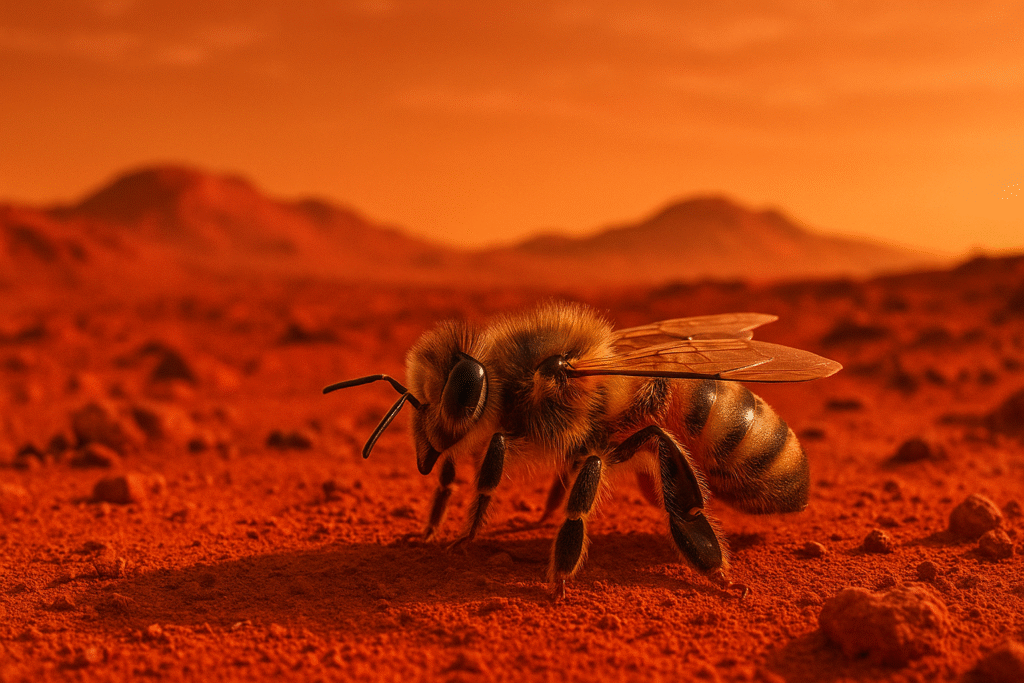
In controlled tests run by the Polish Space Research Centre in partnership with the AGH University of Science and Technology, honeybees survived high-acceleration rocket simulations reaching 9 g and short-term microgravity during suborbital flights, according to the institutions’ 2023 aerospace biology report. After recovery, the insects displayed normal motor function and orientation. That result showed that bees could survive both launch and return conditions, making them viable biological passengers for interplanetary transport, as confirmed by post-flight observations from the same study.
2. Bumblebees can forage and navigate under reduced-pressure environments.
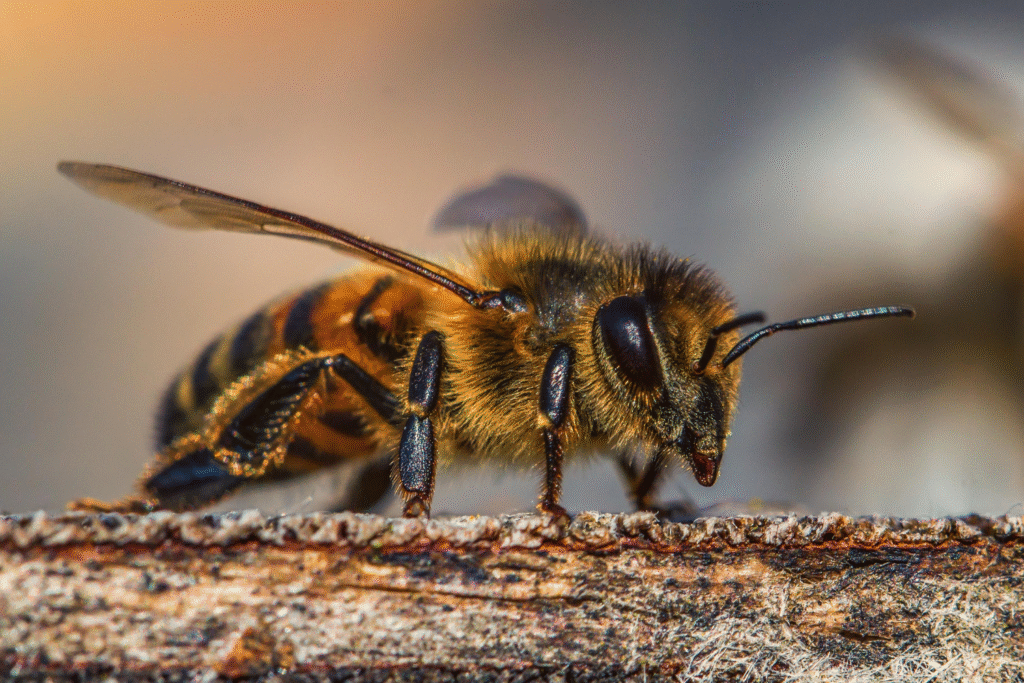
In that experiment, bees were placed in hypobaric chambers that simulated Martian greenhouse atmospheres with pressures around half that of Earth’s. Despite the thinner air, they maintained stable flight and continued foraging, ending the study with no loss in activity levels. That means their flight muscles and navigation systems can adapt to low-pressure air densities similar to those planned for controlled habitats, as reported by researchers at the University of Guelph in 2021.
3. Thermal regulation inside bee clusters could offset cold Martian conditions.
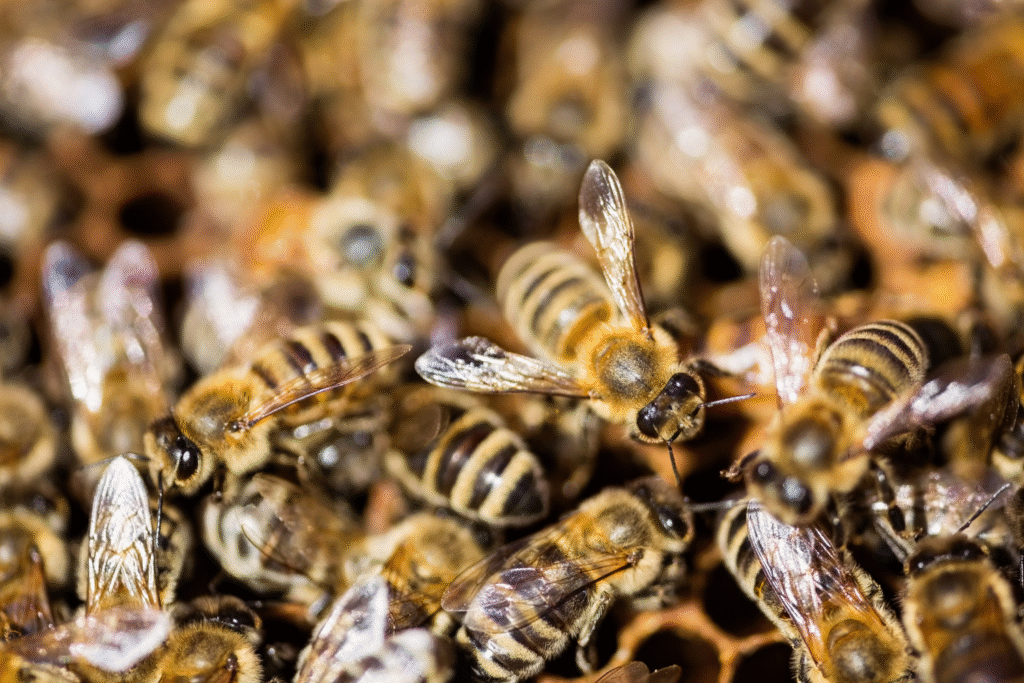
Studies from the University of Washington’s Department of Biology found that honeybee colonies generate and maintain internal warmth by clustering and vibrating their wing muscles, keeping hive centers near 35 °C even when outside temperatures fall below freezing. As discovered by that research group, this collective thermoregulation allows colonies to survive winters in climates far colder than those tolerable to most insects. When transposed to insulated Martian greenhouses, this self-heating ability could help bees stabilize internal hive temperatures without excessive energy input.
4. Pollination support makes bees indispensable for Martian agriculture.

Future off-world farms will rely on flowering plants for food, oxygen, and fiber. While robotic pollinators are being developed, bees already perform the task efficiently. Integrating bees into Mars habitats could reduce mechanical dependency and improve yields. Their presence would also introduce a small but crucial layer of biodiversity to closed ecosystems, enhancing crop resilience and productivity in Martian greenhouses.
5. Social colony structure enhances resilience in controlled habitats.
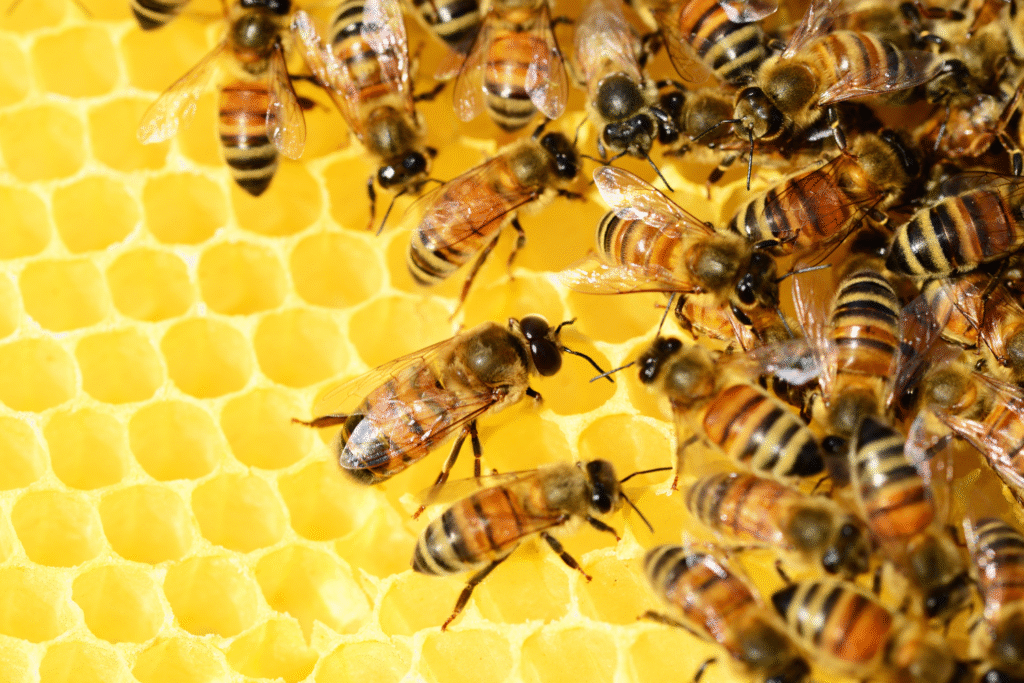
Unlike solitary insects, bees operate as cohesive colonies that can self-repair and adapt. Worker turnover, food storage, and division of labor provide redundancy—qualities beneficial for unpredictable environments. A colony can sustain losses yet recover quickly, maintaining overall stability. This collective adaptability fits the demands of confined extraterrestrial habitats, where every biological system must self-stabilize under limited supervision.
6. Compact transport makes bees practical for interplanetary missions.
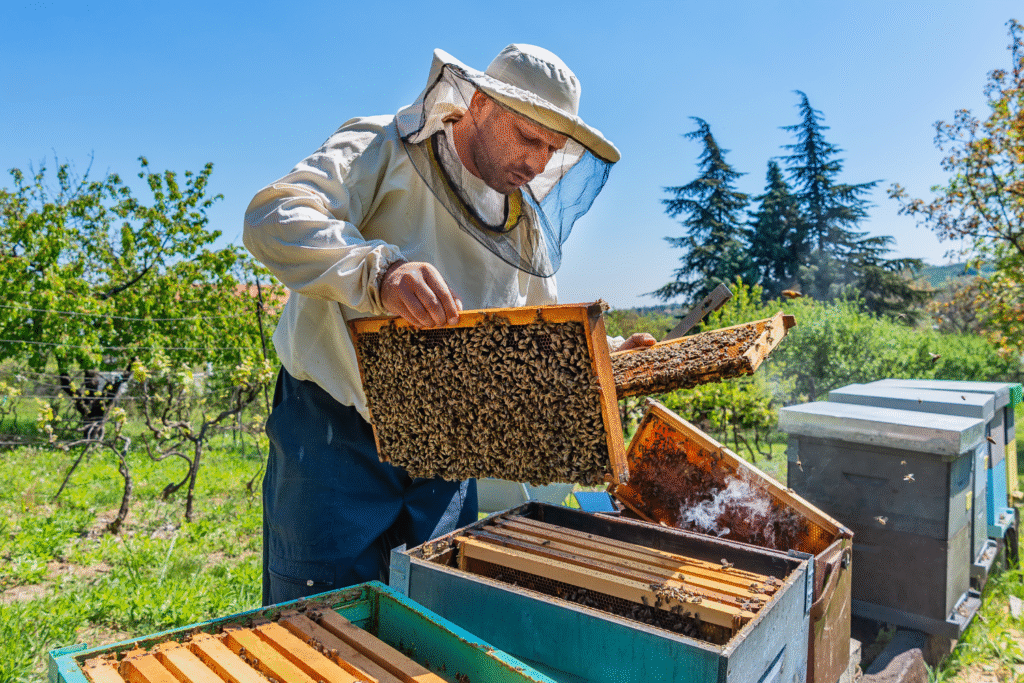
Transporting bees requires only small modular hives and minimal resources compared with vertebrate livestock. NASA’s biological payload guidelines already include insect enclosures for space experiments, making bees a manageable addition to future cargo manifests. In cryogenic or dormant states, colonies could travel with reduced metabolic activity, awakening once greenhouse systems stabilize on Mars.
7. Bees’ orientation systems may adapt to reduced gravity cues.
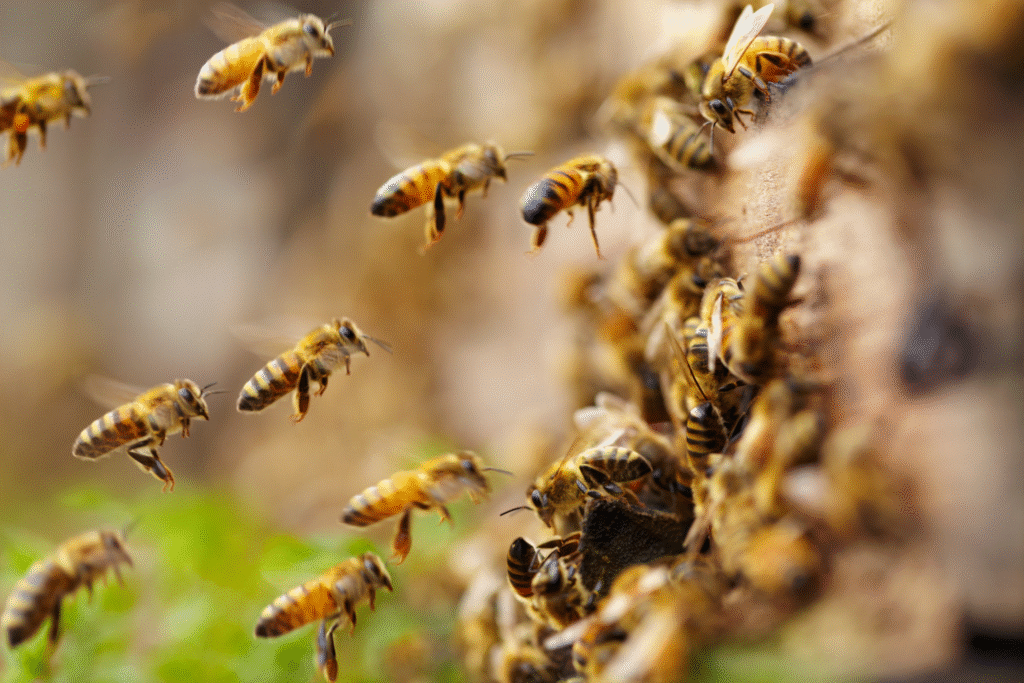
Bees rely on polarized light and magnetic fields for navigation—cues still present on Mars, though weaker. Preliminary studies suggest bees could reorient to available light patterns even with reduced gravity. Artificial lighting designed to mimic Earth’s polarization could further support this adaptation, ensuring that pollination behavior continues effectively within closed Martian greenhouses.
8. Data from the International Space Station supports insect survival in microgravity.
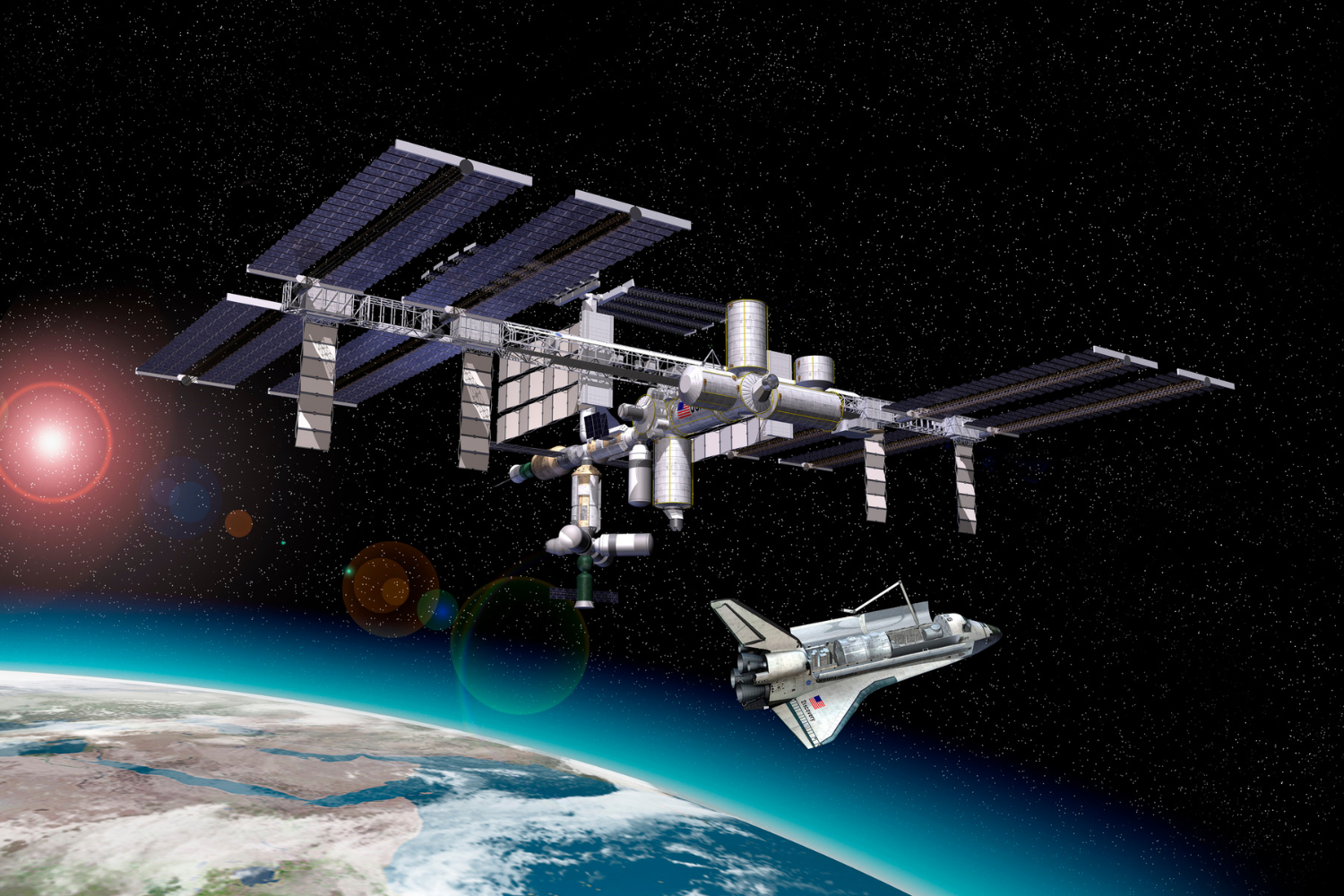
ISS experiments with fruit flies and silkworms have shown that small terrestrial insects can complete life cycles in space with minimal disruption. Bees, sharing similar physiological tolerances, are likely capable of comparable resilience. This lineage of space-tested arthropods gives engineers confidence that controlled environments could sustain pollinator species for extended missions.
9. Establishing bees on Mars could mark a new stage of biocolonization.

If bee colonies function on Mars, it would demonstrate that complex, cooperative Earth life can operate outside our planet. Beyond their ecological role, bees would represent a biological milestone—a species not just surviving but contributing to ecosystem processes on another world. Their hum in Martian air would signal a shift from exploration to habitation, a sign that Earth’s living systems are taking root elsewhere.
10. Scientists emphasize ongoing testing before any real deployment occurs.
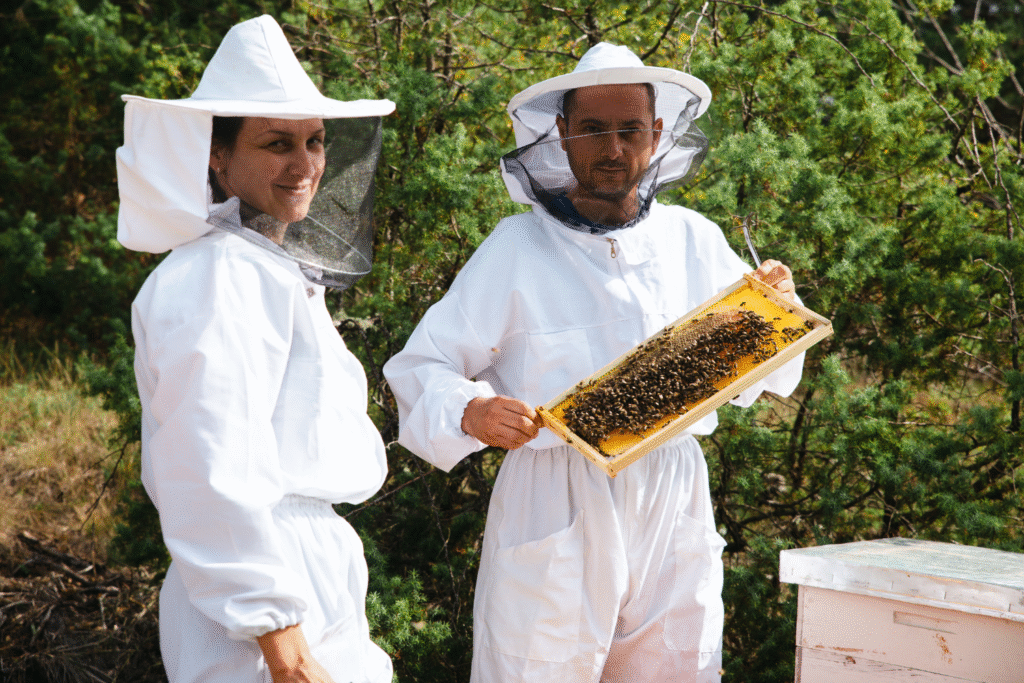
No one is sending bees to Mars tomorrow. Researchers continue refining environmental thresholds, studying radiation effects on brood health, and developing miniature hive modules that maintain humidity and air composition. The work is still experimental but increasingly grounded in evidence. Each successful simulation brings us closer to knowing which species can accompany humanity beyond Earth—and bees, small as they are, remain at the top of that list.