
Jamaica faces the strongest hurricane in its history.
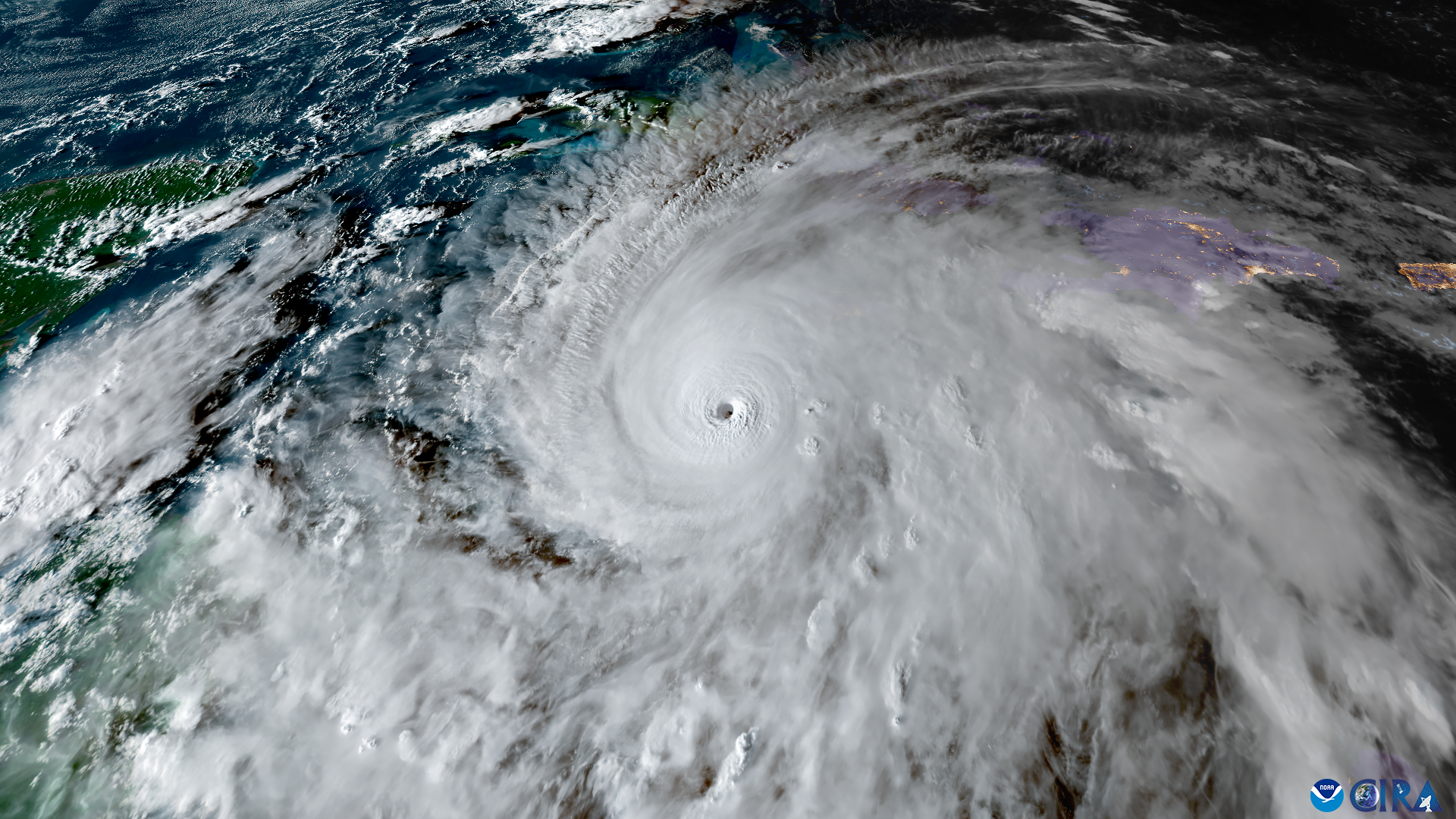
Hurricane Melissa has changed everything Jamaica thought it knew about storms. Striking as a Category 5 monster, it packed winds near 185 miles per hour and tore through the island with unstoppable force. Thousands of homes were destroyed, entire towns were flooded, and nearly all power was lost. The hurricane’s rapid intensification shocked even veteran meteorologists. For Jamaica, this was not just another storm—it was a wake-up call about how quickly nature’s extremes are escalating. The scenes emerging from the island reveal a nation stunned, resilient, and facing a recovery that will take years.
1. Melissa reached Category 5 strength before landfall.
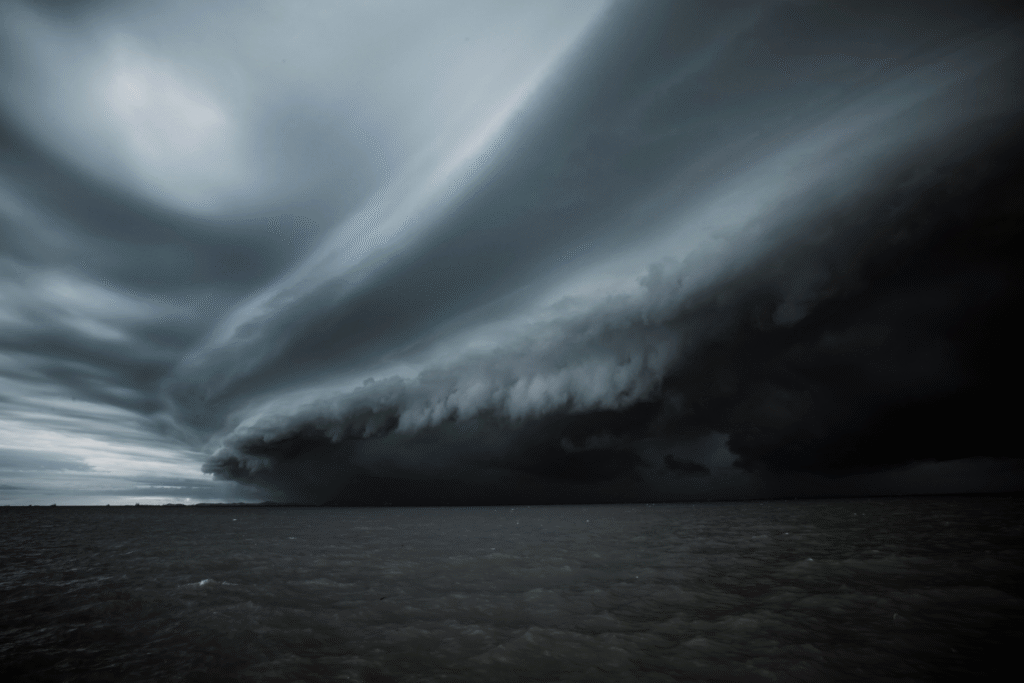
Hurricane Melissa’s wind speeds exploded as it neared Jamaica, hitting 185 miles per hour with a central pressure of 892 millibars, as reported by the U.S. National Hurricane Center. Those numbers place it among the most intense Atlantic hurricanes ever recorded. The sudden rise in power gave residents little time to prepare, and coastal defenses were no match for its storm surge. Experts now call Melissa the most powerful system to ever make landfall in Jamaica, marking an unprecedented event in the island’s weather history.
2. The storm caused catastrophic damage across the island.
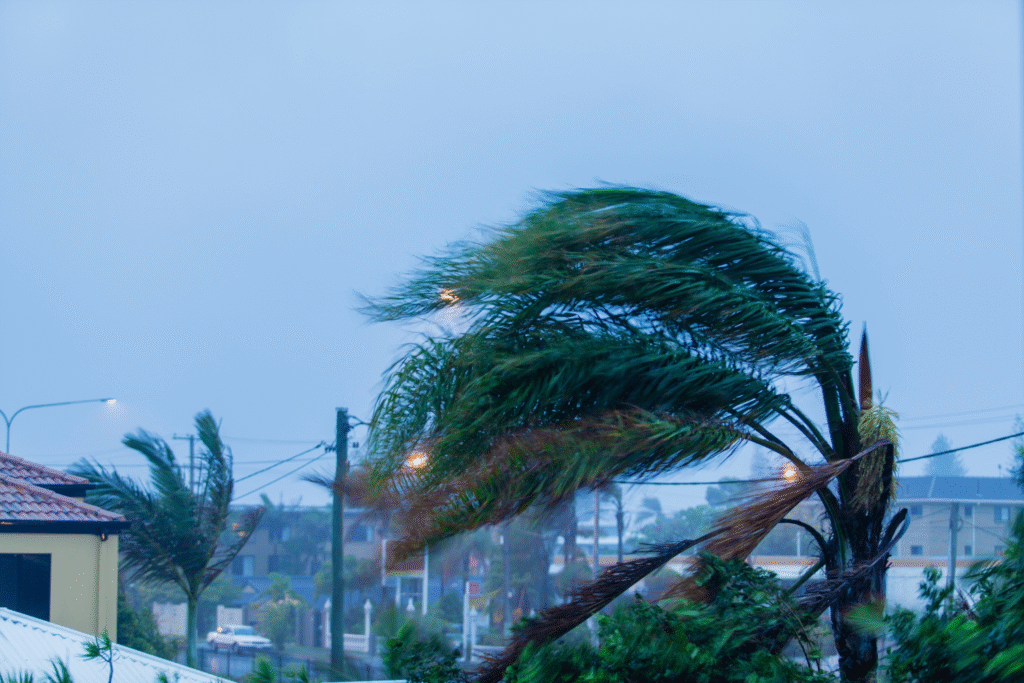
Government officials described widespread destruction, with 77 percent of the country losing power and several parishes submerged in floodwaters, as stated by the Jamaica Information Service. Homes were flattened, bridges swept away, and hospitals forced onto backup generators. Emergency shelters overflowed within hours, and communication lines across the island went silent. The sheer scale of the damage stunned even seasoned responders, many of whom said it rivaled the worst Caribbean disasters of the past century.
3. Meteorologists confirmed Melissa ranks among the world’s strongest storms.
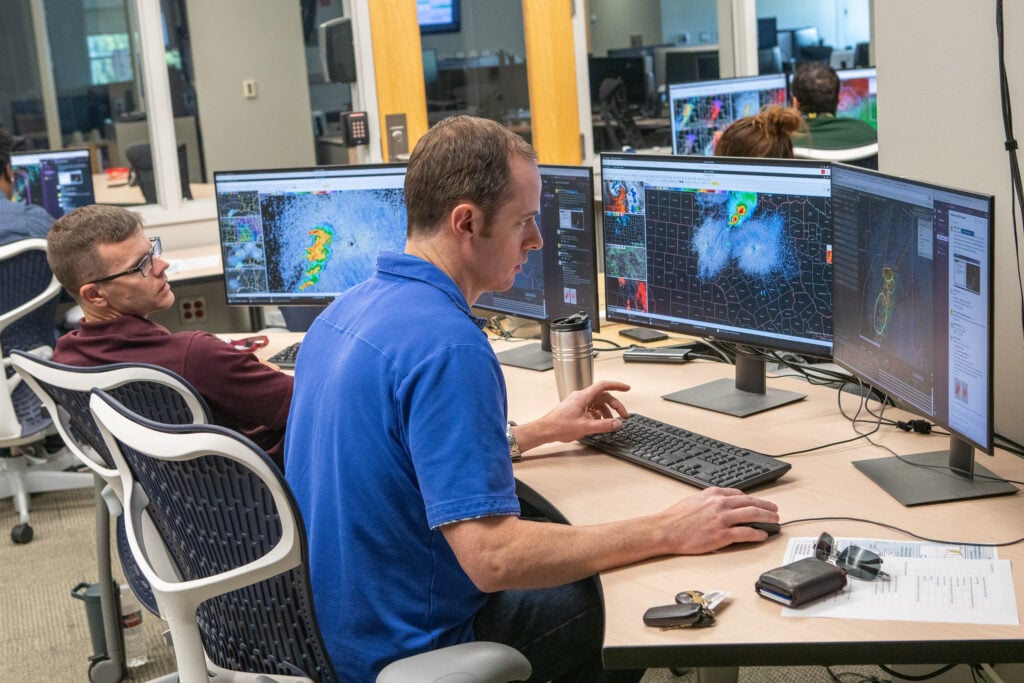
Experts analyzing Melissa’s structure compared it to 2019’s Hurricane Dorian and 2005’s Hurricane Wilma, as discovered by the World Meteorological Organization. Its combination of low pressure, rapid intensification, and destructive wind field makes it one of the most powerful storms ever measured in the Atlantic basin. That classification places Jamaica’s disaster into the record books and reinforces growing scientific concerns about rising ocean temperatures driving stronger hurricanes.
4. Entire communities were cut off after infrastructure collapse.
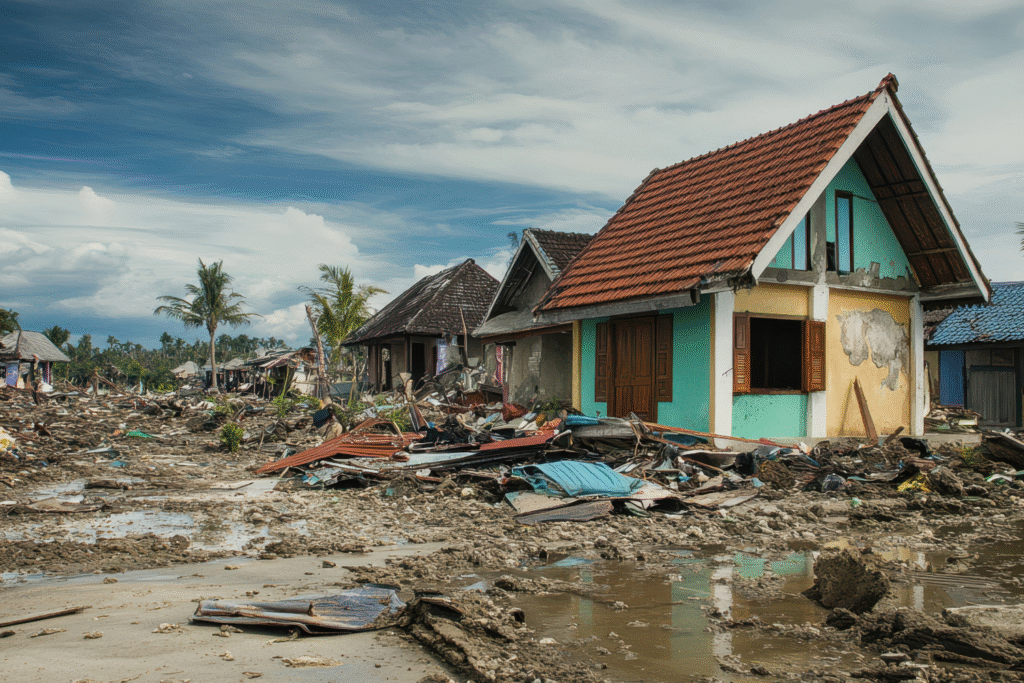
In the aftermath, highways vanished under landslides, bridges buckled, and coastal towns became isolated islands of wreckage. Rescue crews faced dangerous conditions, with floodwaters still rising in some regions. The lack of communication made it nearly impossible to locate trapped families, forcing many to signal rescuers with flashlights or fires. For days, help could not reach the hardest-hit areas.
5. The storm surge swallowed entire neighborhoods along the coast.
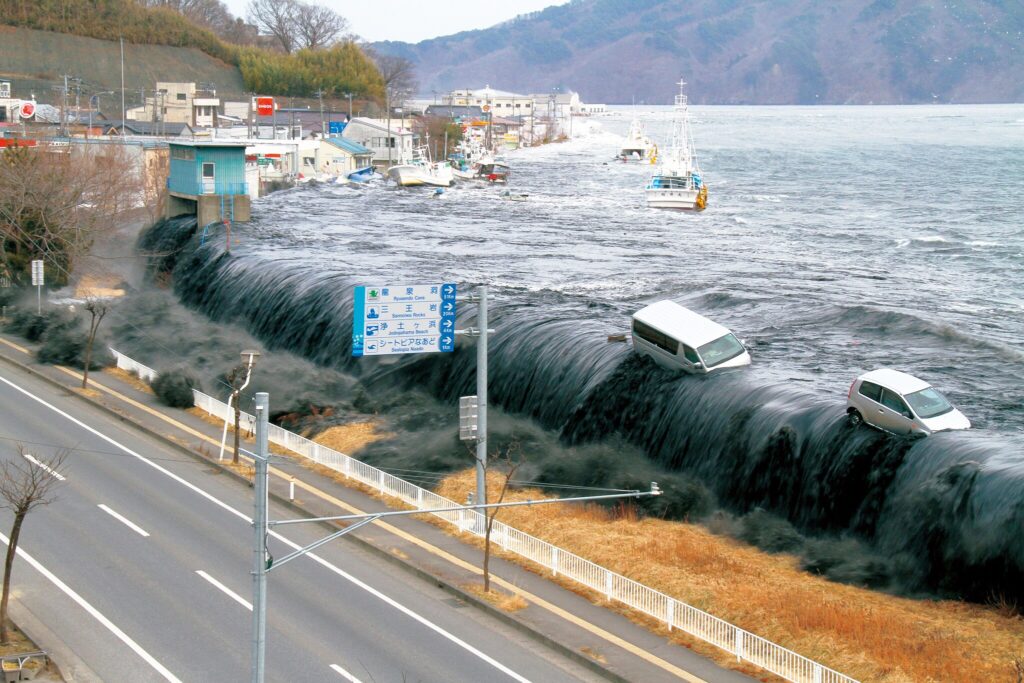
Along the southern coast, waves taller than buildings pushed far inland. In places like Black River and Clarendon, residents watched seawater pour through streets, swallowing vehicles and pulling homes from their foundations. Inland, rivers overflowed with relentless force, mixing saltwater and debris. The surge left behind layers of mud and ruin, changing the landscape permanently.
6. Jamaica’s tourism and agriculture sectors suffered massive losses.

Hotels along the coast were gutted, airports closed, and banana and sugarcane plantations flattened. Tourism—the backbone of Jamaica’s economy—came to a halt overnight. Farmers, many of whom depend on seasonal harvests, lost entire crops. Economists are already estimating billions in damage, saying full recovery may take several years and international support.
7. Neighboring islands felt the hurricane’s destructive reach.
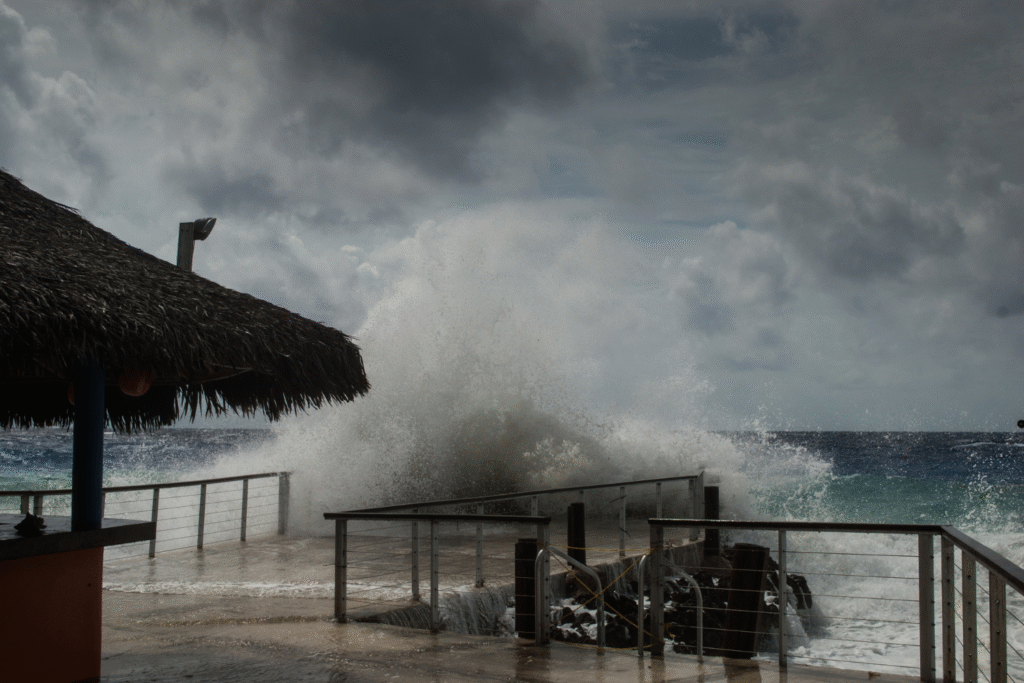
After battering Jamaica, Melissa continued its path toward Cuba and the Bahamas, bringing torrential rain and dangerous winds. Haiti reported severe flooding and dozens of casualties. The storm’s sheer size meant that even areas far from its eye experienced hurricane-force conditions. Regional disaster agencies scrambled to coordinate aid as the Caribbean faced another climate-fueled catastrophe.
8. Scientists warn this storm is a sign of what’s coming.
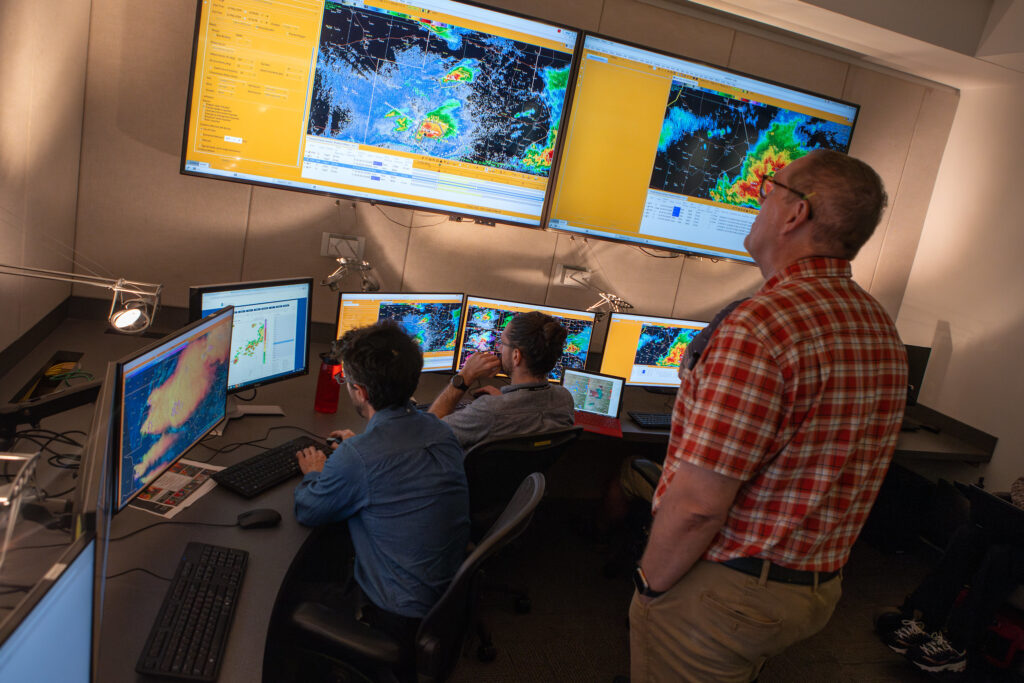
Climate experts say Hurricane Melissa’s intensity reflects a troubling trend: warmer oceans fueling faster, stronger hurricanes. The storm’s rapid escalation from Category 2 to Category 5 in less than 24 hours stunned forecasters. Researchers warn that without major changes in global emissions, such superstorms will become more common. For Jamaica and the Caribbean, Melissa is not just history—it’s a warning written in wind and water.