
Certain dog breeds carry higher risk for costly allergies.
For many dog owners the first sign of allergies begins with a simple scratch. A paw chewed raw, ears that keep returning to infection, or a patch of skin that refuses to calm down. What appears minor can quietly grow into months or even years of treatments, special diets, medications, and veterinary visits. Veterinarians say some breeds arrive with a hidden disadvantage written into their genetics. Their immune systems react more aggressively to pollen, dust, food proteins, or environmental triggers. Understanding which dogs carry this risk can help future owners prepare for the possibility that the most expensive part of companionship may not appear until long after adoption.
1. The West Highland White Terrier often shows atopic skin symptoms.
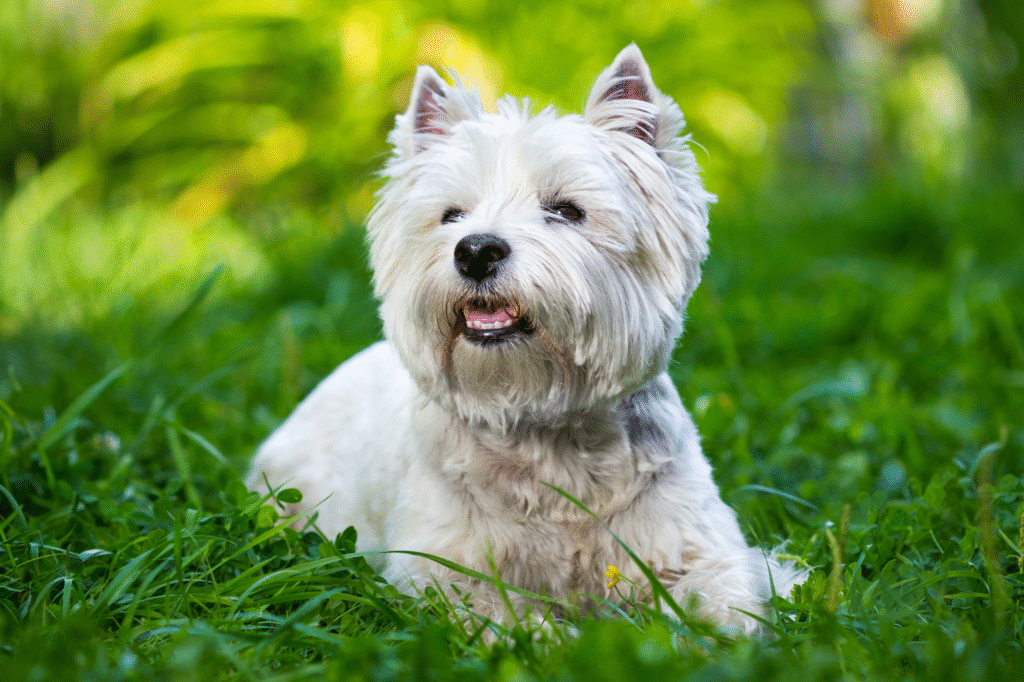
This breed has been identified with one of the highest rates of owner-reported allergic or atopic skin symptoms in population studies, reported by a large Finnish canine dataset. If you adopt a West Highland White Terrier you may end up dealing with repeated itching, red skin, ear infections and grooming demands. Because this pattern is likely genetic you can expect a more intensive management plan compared to some other breeds.
2. The Boxer frequently develops allergy-related skin and ear problems.

Breeding history and breed-specific studies show that Boxers are prone to both food and environmental allergies as well as their consequences, according to veterinary‐dermatology reviews. That means you may face frequent veterinary visits, allergy testing, elimination diets and treatments for secondary infections. Investing in a Boxer should include an awareness of those possible long-term commitments.
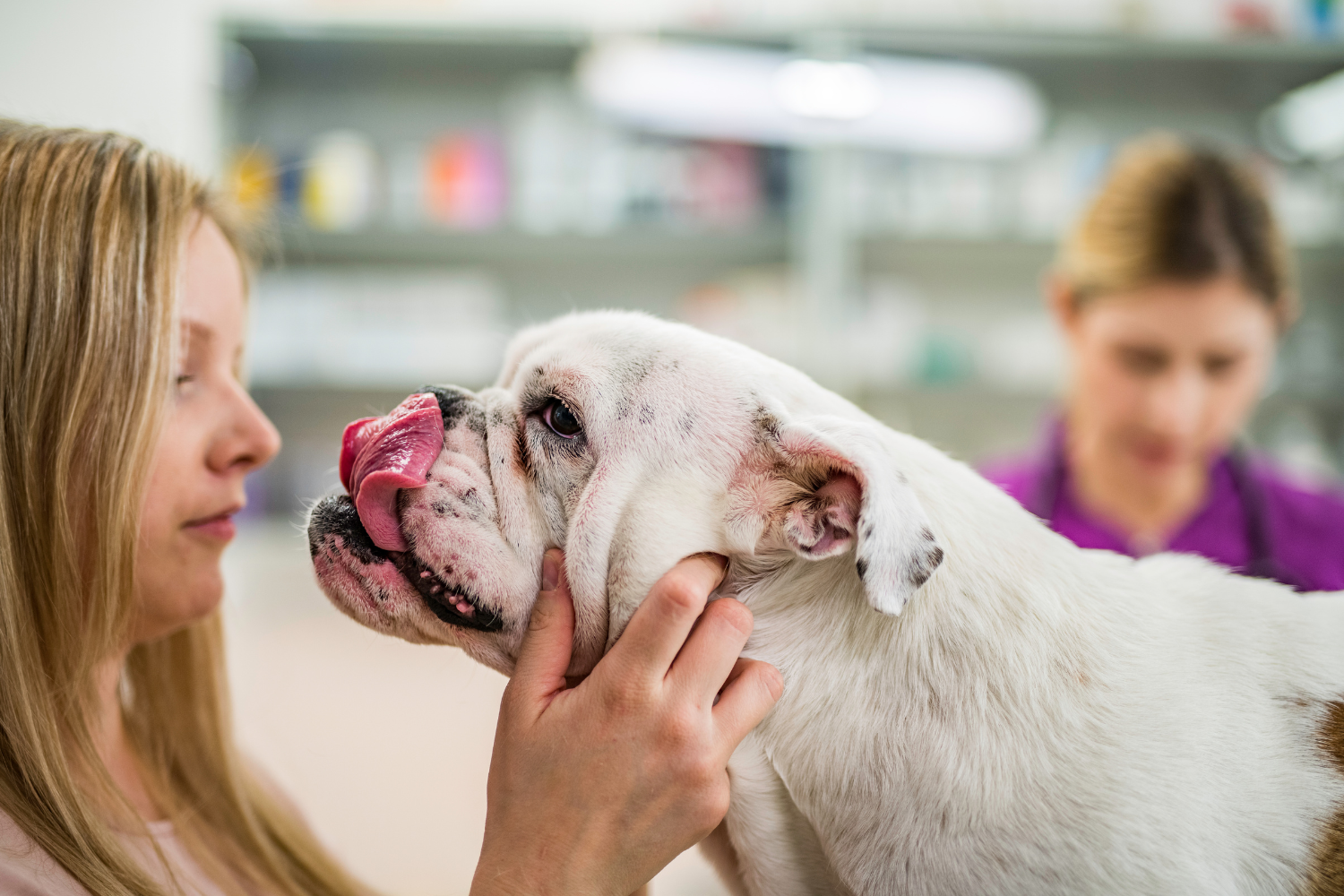
3. The English Bulldog has a documented predisposition to skin allergies.

It is widely noted in veterinary literature that English Bulldogs often suffer from skin fold issues, yeast infections and allergies affecting ears and paws, as stated in the Merck Veterinary Manual. Their structural traits (wrinkles, folds, short muzzle) complicate the situation, making routine preventative care more demanding. Hence owning one means planning for skin care beyond the basics.
4. The Dalmatian may suffer more allergies than casual observers realise.

Dalmatian owners might assume the breed’s sleek coat implies toughness, but surveys show a high proportion of atopic skin symptoms in Dalmatians. The slick coat may mean allergens contact the skin more directly, increasing vulnerability. If you bring a Dalmatian home expect monitoring for licking, scratching, ear problems and maybe early referral to a dermatologist.
5. The French Bulldog often carries allergy risks alongside other health issues.

Because of its compact body and folds of skin, the French Bulldog’s allergy risk is elevated, skin allergies including hotspots are recorded in breed health surveys. When combined with their other conformational concerns, the allergy factor can amplify veterinary costs. A Frenchie owner should budget not just for routine care but potential dermatology.
6. The Labrador Retriever shows higher incidence of allergic dermatitis than many realise.

Labs are popular family dogs, but research indicates genetic predisposition to atopic dermatitis in the breed. Owners may face price tags for special diets, allergy shots, medicated baths and skin maintenance. What looks like a low-maintenance breed can turn into a more expensive one if allergy problems emerge.
7. The Golden Retriever often battles persistent itchy skin due to allergy.

Golden Retrievers, while beloved, have a reputation for sensitivity to environmental allergens, pollens and dust mites, making them frequent dermatology clients. The signature golden coat hides a dog that might need long-term skin support, ear cleaning, anti-itch medication and possibly lifelong adjustments in environment.
8. The Wirehaired Fox Terrier is genetically predisposed to skin-allergy issues.
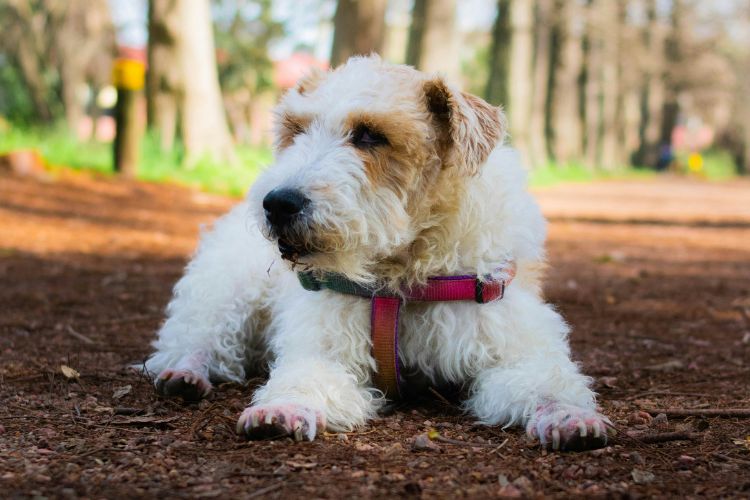
Among lesser-known breeds this terrier stands out because breed predisposition lists include it for allergies. Owners of Wirehaired Fox Terriers may find themselves more often dealing with dermatological visits than owners of unaffected breeds. Grooming, skin care and environmental control become part of owning one from day one.
9. The Shih Tzu may suffer allergies due to its coat and skin type.

With its flat face and long coat the Shih Tzu often accumulates allergens near skin fold areas and ears. That anatomical feature, combined with genetic predisposition, means frequent vet attention for itching, ear infections and skin fold problems. Preparatory budget for allergy-related care is wise when choosing the breed.
10. The Boston Terrier shows higher risk of allergic skin reactions in surveys.

Data from large breed-specific health studies identify the Boston Terrier among breeds with elevated owner-reported allergic skin symptoms. The compact nature and short coat do not shield the breed from allergens; in fact the exposure may be higher. Expect monitoring of skin, ears and paws and a readiness to act early when symptoms appear.
11. The Bull Terrier has a recognised tendency for skin allergies and irritations.

Bull Terriers are reported to face contact allergies, inhalant allergies like grass or dust, and subsequent skin and ear problems. Breed health sources list them among dogs whose allergy predictions should factor into ownership decision-making. Choosing a Bull Terrier means planning for environmental control, frequent skin checks and budget for possible recurring interventions.