
Dogs are losing the homes they thought they finally found.
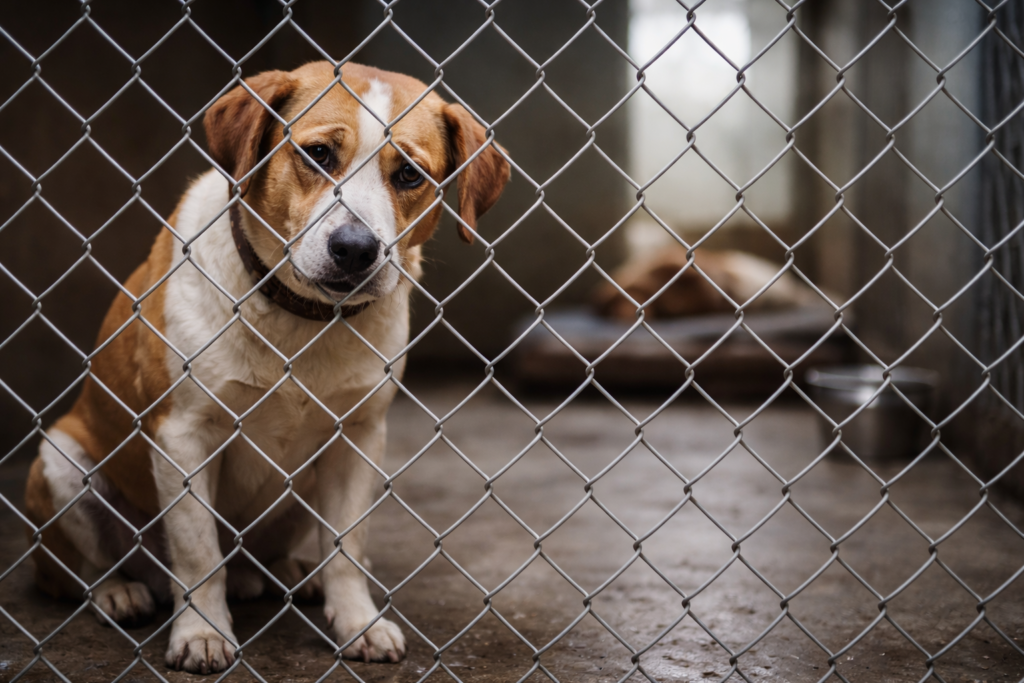
Thousands of adopted dogs are returned to shelters each year, creating a cycle that places strain on both animals and already overcrowded systems. These returns are rarely caused by a single issue. Instead, they reflect a pattern of decisions, expectations, and circumstances that break down after adoption. In many cases, the warning signs appear early but go unrecognized or unaddressed. Shelter data and veterinary reports show that most returns follow predictable paths, shaped more by human factors than by the dogs themselves. Understanding these patterns helps explain why so many adoptions fail and what continues to drive dogs back into the system.
1. Behavioral challenges overwhelm unprepared adopters.

Behavioral issues remain the single most common reason for returns. Dogs who bark, chew, nip, or show fear reactions are often misunderstood and surrendered within weeks. The American Society for the Prevention of Cruelty to Animals (ASPCA) found that over 47 percent of dog returns involved behavior-related problems. Most of these could be resolved with patience and training, yet many adopters expect immediate perfection. A lack of commitment turns manageable issues into deal-breakers. The real tragedy is that these behaviors often stem from fear, confusion, or inconsistent environments, not “bad” dogs.
2. Unrealistic expectations about the dog lead to disappointment.
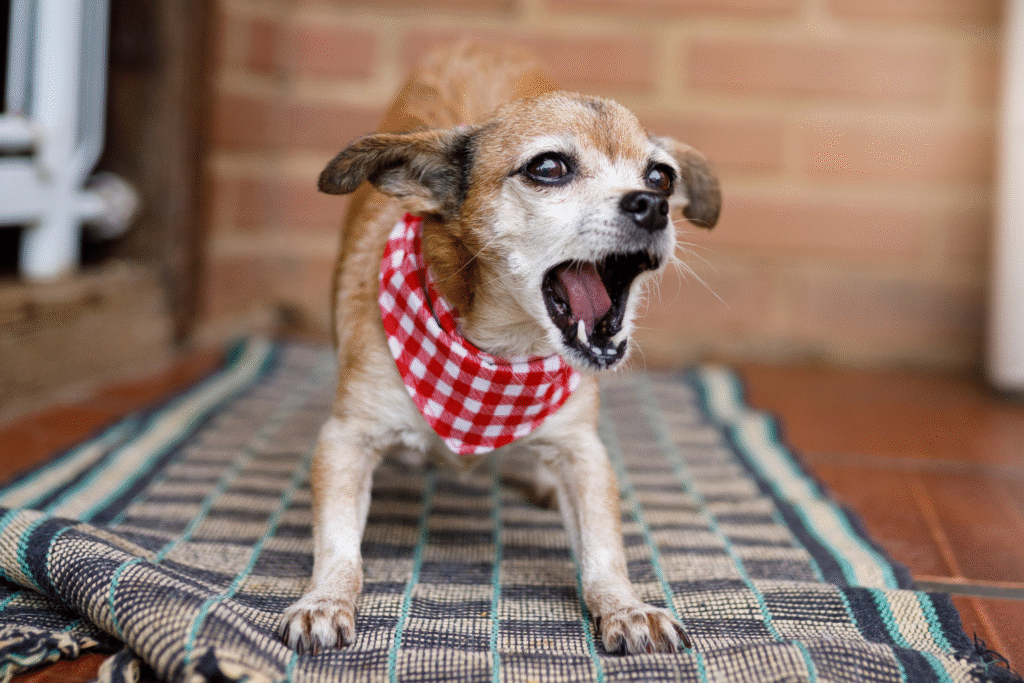
Too many adopters picture a calm, grateful rescue dog settling in seamlessly. When reality hits, a nervous pup hiding, barking, or struggling to adapt, they feel disillusioned. Many assume affection and obedience come automatically. The Humane Society of the United States reports that mismatched expectations account for a large share of early returns, especially among first-time dog owners. Dogs need time to decompress and trust their environment. Unrealistic fantasy collides with the slow truth of adjustment, and instead of adapting, people give up. The dog ends up paying the emotional price.
3. Life changes push owners to surrender their dogs.

Unforeseen events, like job loss, relocation, or health issues, often force people to return pets they once cherished. The American Veterinary Medical Association (AVMA) reported in a 2024 survey that nearly 30 percent of returns were linked to major life transitions. These changes can make caring for a pet feel impossible, particularly for those without support systems. Yet shelters emphasize that solutions exist: temporary fostering, financial aid, or behavioral help. Still, too many choose the path of least resistance. The heartbreak is that the dog’s loyalty outlasts the adopter’s stability.
4. Poor preparation before adoption leads to early regret.

Some people jump into adoption without understanding what caring for a dog actually requires. They underestimate the time, patience, and emotional energy involved. A new dog’s first weeks can be chaotic, accidents, sleepless nights, or separation anxiety are all common. Those who thought adoption was easy suddenly feel trapped. Without training knowledge or community support, the situation spirals. Shelters see these returns constantly, and it’s clear that the problem starts before adoption even happens, when the decision is driven by emotion instead of readiness.
5. Financial strain makes long-term care unsustainable.

The cost of dog ownership goes far beyond food and toys. Veterinary visits, emergency care, and grooming can total thousands each year. When unexpected bills hit, some families panic and return their pets. Inflation and rising pet-care costs have made this problem more common in recent years. The emotional toll of giving up a dog for financial reasons cuts deep, but the pattern persists. Shelters now work to offer low-cost clinics and resources, yet financial fear still drives heartbreaking choices.
6. Housing restrictions leave adopters with no options.
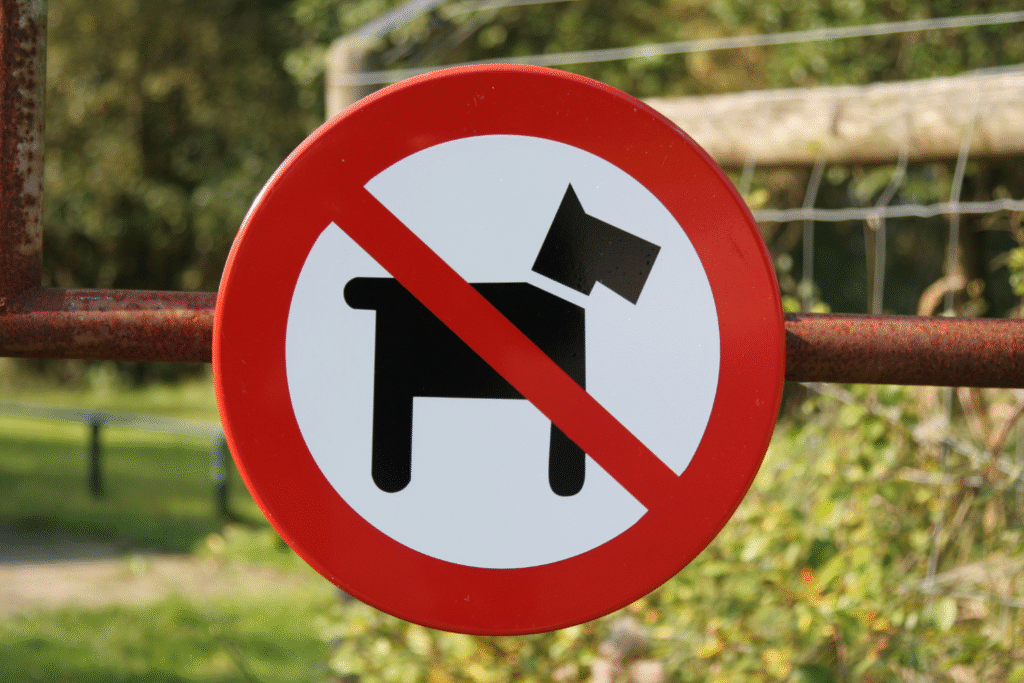
Many people adopt before checking their building or landlord’s pet policies. Then comes the eviction notice, and the dog suddenly becomes “impossible to keep.” Breed bans, weight limits, and “no pets allowed” clauses remain shockingly common in urban housing. These rules tear families apart. Dogs who thought they had homes find themselves back in cages because paperwork wasn’t double-checked. Shelter workers see it over and over, loving dogs abandoned by renters facing impossible choices.
7. Trouble integrating with children or other pets leads to conflict.

Households with kids or multiple animals face unique challenges. A dog that growls when startled, or chases the cat, can quickly feel like a threat rather than a family member. In most cases, the issue stems from poor introductions or unrealistic expectations. A bit of structure and guidance could smooth things out, but many families panic and surrender. It’s not about aggression, it’s about adjustment. Each animal deserves a slow introduction, not an instant connection that rarely exists outside of fairy tales.
8. The dog’s size or energy level surprises the adopter.

Sometimes a puppy grows bigger than expected or a breed turns out to need far more exercise than the owner can give. Suddenly, the cute dog becomes “too much to handle.” High-energy breeds like Border Collies, Huskies, and Belgian Malinois are especially at risk for returns. These dogs need daily activity and mental engagement. When they don’t get it, frustration builds on both sides. What starts as an energy mismatch too often ends with the shelter door opening once again.
9. Health problems become too difficult for families to manage.
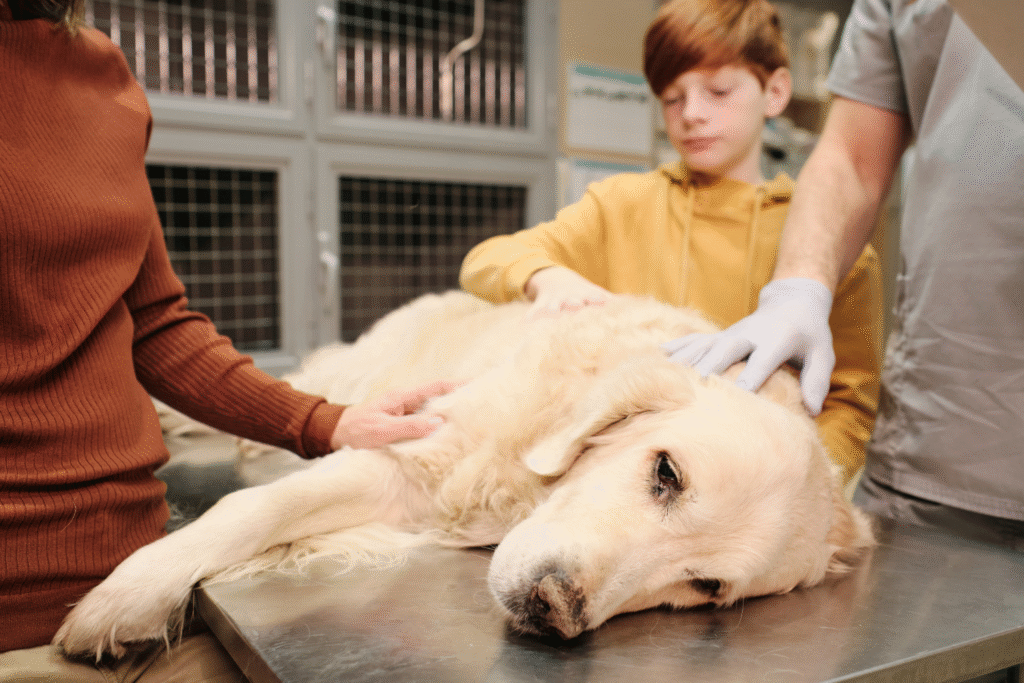
Chronic illnesses or special needs, like arthritis, diabetes, or blindness, can intimidate owners, especially if care costs rise. Some people simply can’t handle the emotional or financial commitment, so they return the dog rather than adapt. To the animal, it feels like rejection at its most vulnerable. Shelters routinely rehome senior and medical-need dogs, proving that other families are willing to love them as they are. Compassion should never be conditional on convenience.
10. A lack of post-adoption support leaves owners feeling alone.

After the adoption papers are signed, communication often ends. Without follow-up calls or access to behavior advice, new owners feel isolated when problems arise. When that happens, frustration replaces connection. Many rescues now provide post-adoption training, helplines, and support groups for exactly this reason. Adopting a dog should be the start of a partnership, not the end of the conversation. When people have support, dogs stay home. When they don’t, the shelter cycle begins again.