
A fossil discovery sparks debate about ancient shark survival.
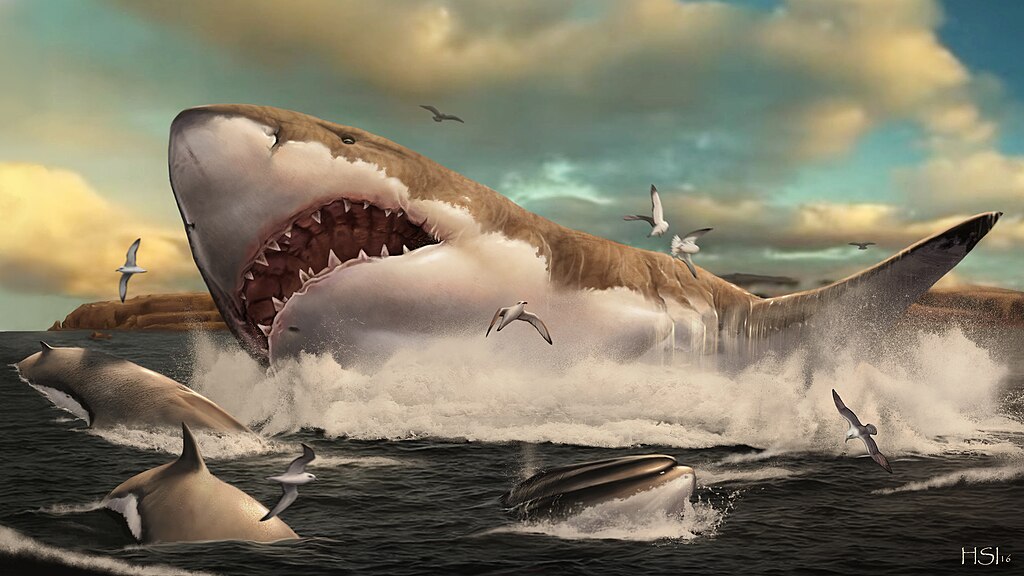
When a diver off the Florida Gulf Coast pulled up a six-inch shark tooth in May 2025, the world paused. The find came from Venice, Florida—already famed for fossil-rich seas—and on the surface it looked like another relic of an extinct giant. But the sheer size of the tooth reignited age-old whispers: could the gargantuan Megalodon still be lurking in deep ocean shadows? Scientists are split—some regard it as fascinating fossil evidence, others as an invitation for conspiracy-friendly speculation.
1. A rare six-inch tooth was recovered off Florida’s coast.
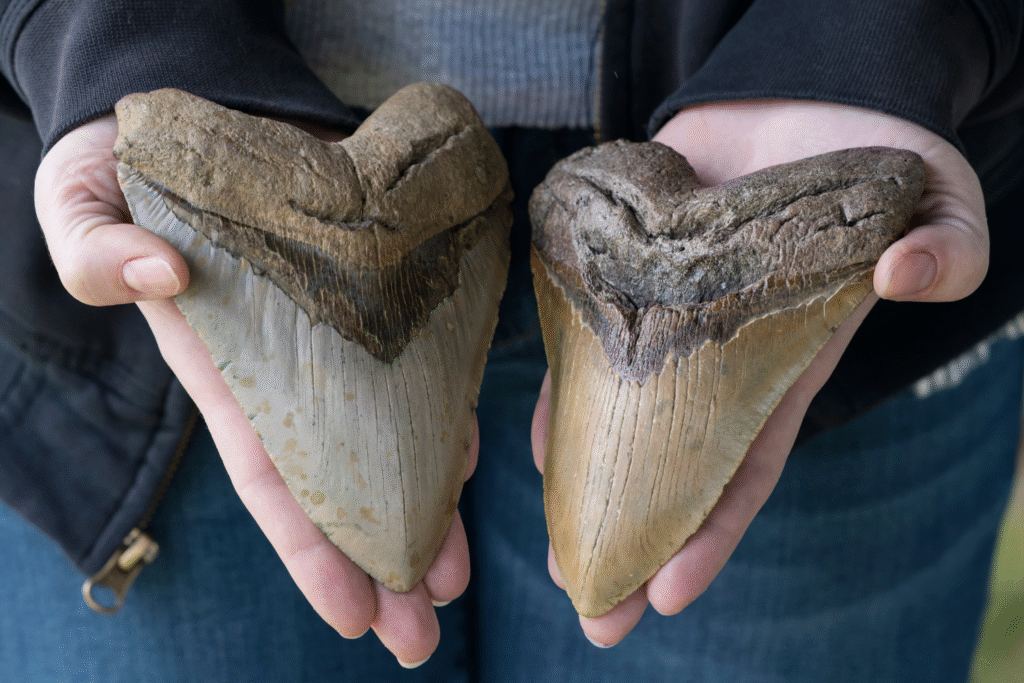
The discovery that triggered the renewed debate came when diver Kristina Scott located a fossilised shark tooth measuring about 6 inches long near Venice, Florida, as reported by Business Insider. That magnitude places it among the largest known megalodon teeth and underlines Florida’s status as a hotspot of ancient shark remains. While it’s a fossil and not proof of a living creature, the find fueled talk of the species’ possible survival. Its condition and context have scientists asking questions they expected not to revisit.
2. Some scientists insist Megalodon is definitively extinct.
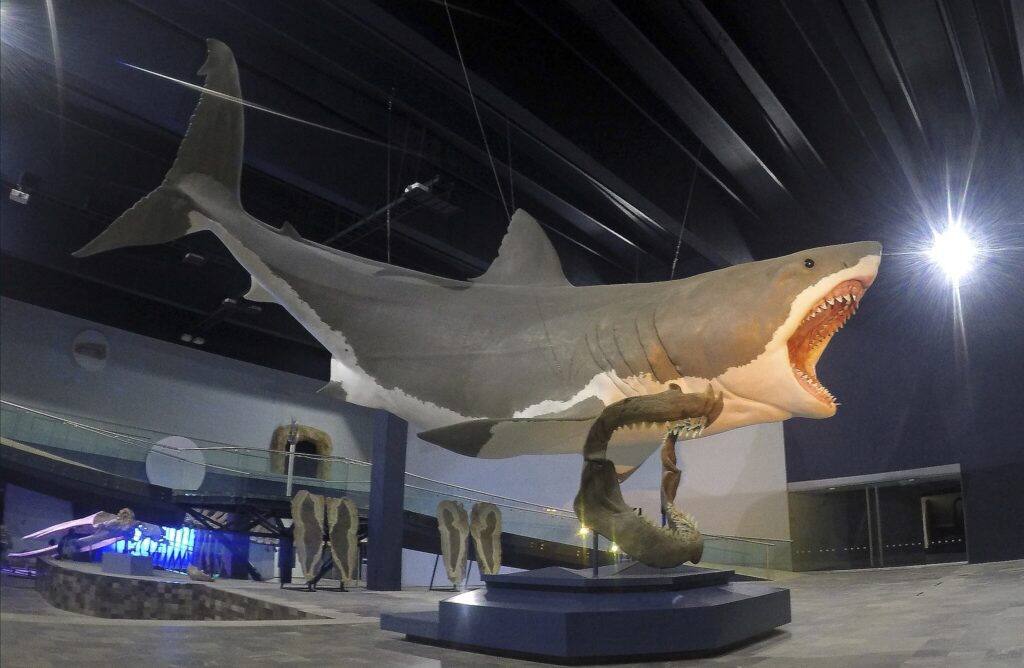
According to the Natural History Museum in London the megalodon vanished roughly 3.6 million years ago, making modern survival virtually impossible. Researchers argue that if such a massive shark still prowled the seas we would already have abundant evidence: modern carcasses, bite-marks on large whales, or freshly shed giant teeth. The lack of recent remains combined with the known ecological constraints means the consensusers hold firm: megalodon is no longer part of our living ocean.
3. The fossil record shows megalodon flourished, then disappeared.
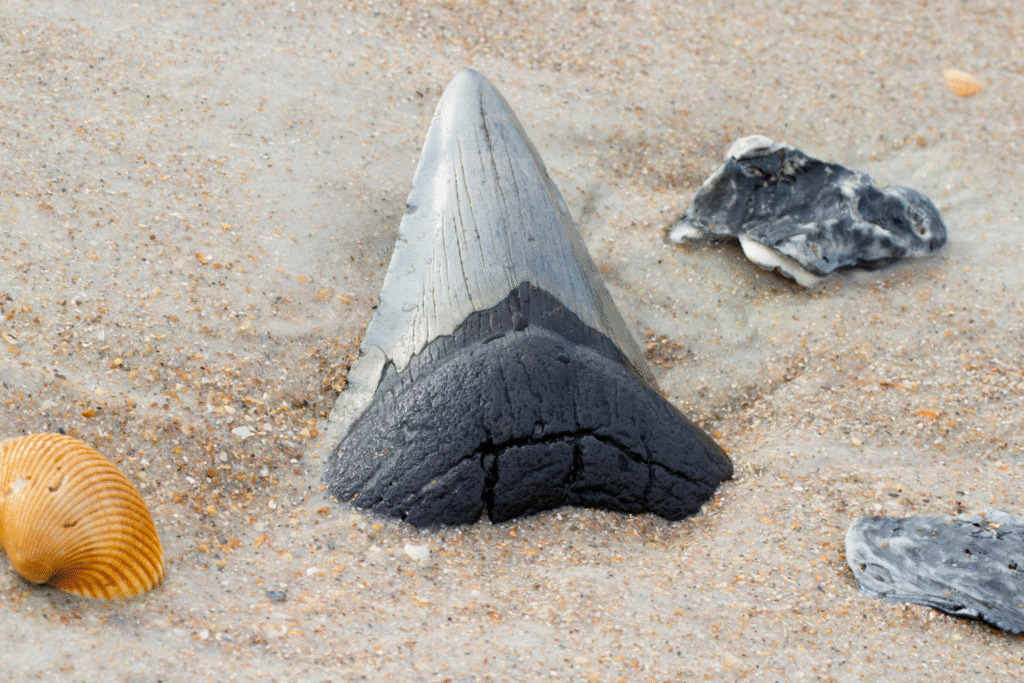
Studies of megalodon fossils indicate that teeth have been found globally—including in warm shallow waters and coastal sites like Florida—supporting the theory of its past dominance, as discovered by the Save Our Seas Foundation. The shark had a worldwide distribution in tropical and subtropical waters and likely reached lengths exceeding 15 metres. Yet its fossil trail ends in the Pliocene, suggesting extinction rather than hiding in uncharted depth. The Florida find adds new fascination but doesn’t rewrite the timeline.
4. The Florida fossil zone once lay under ancient seas.
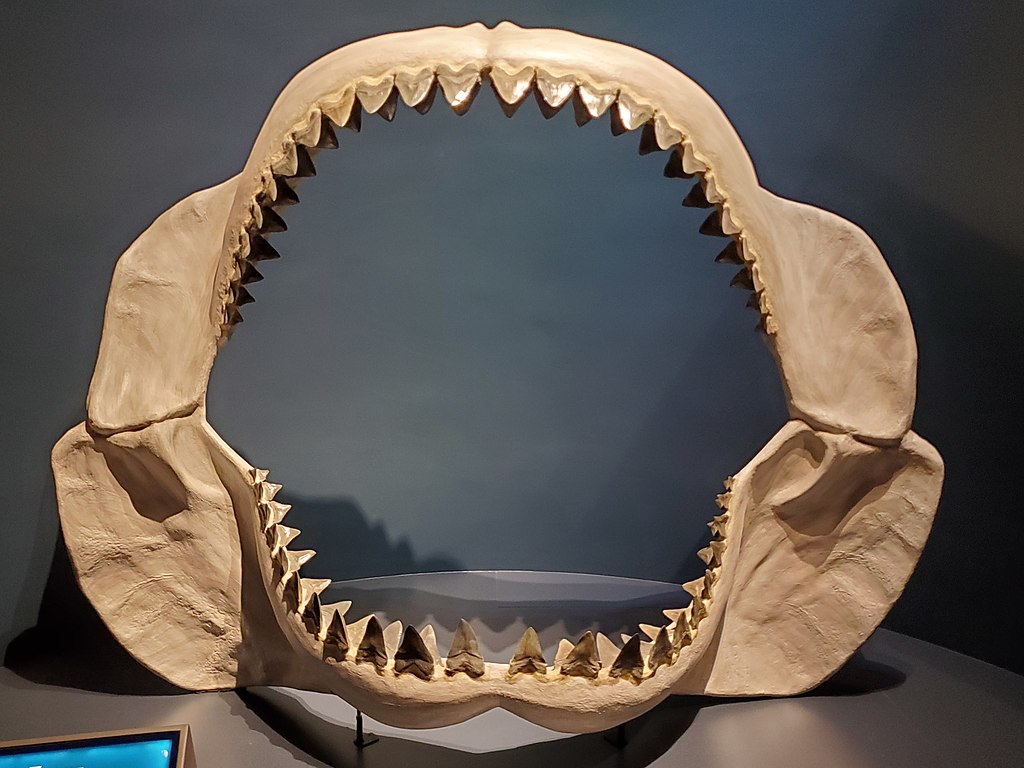
Florida’s coastline was submerged for much of the Miocene and Pliocene epochs, making it rich in prehistoric marine fossils. Major deposits of megalodon teeth have been found in areas now inland, meaning the environment these giants once inhabited has shifted drastically. As sea levels changed, land uplifted and coastlines moved, the habitats of these sharks vanished. The next-door juxtaposition of fossil-rich surf and modern-day swimmers adds a poetic twist to the mystery.
5. Pro-survival theories cite deep-ocean refuges as possibility.
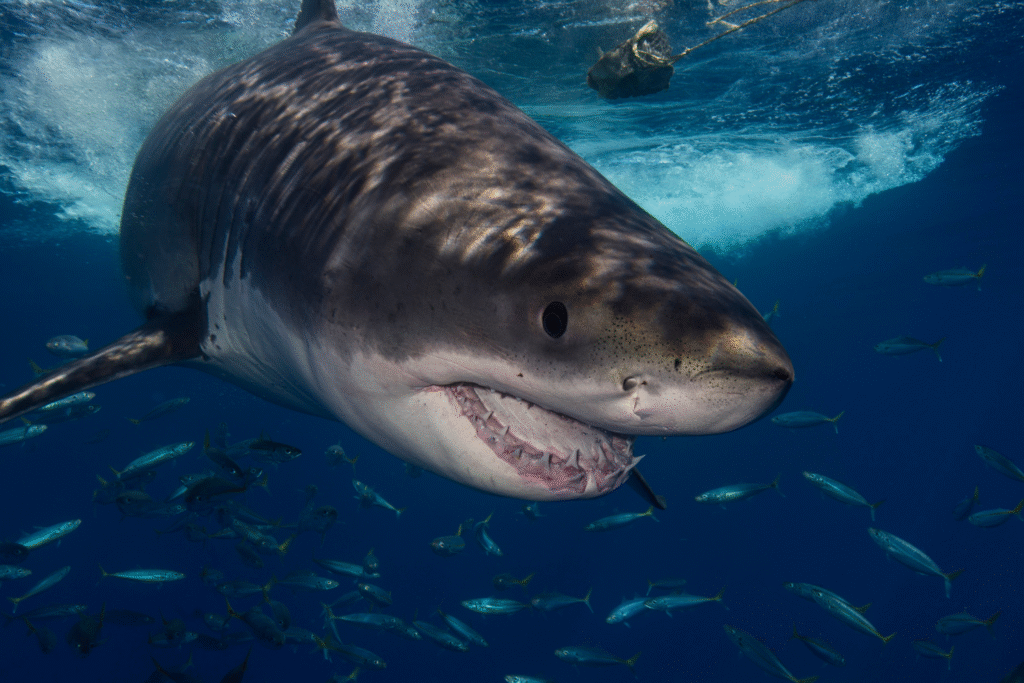
Some fringe-minded scientists suggest that if megalodon survived, it might hide in deep-ocean trenches or cold-water refuges unreachable by humans. They argue that an enormous creature could go unseen if its habitat was remote enough. However, today’s ocean exploration, tagging of large marine species, and monitoring of whale populations turn up no credible trace. The sheer size and warm-water preference of megalodon work against the idea that it could simply vanish without leaving a trace.
6. Ecological constraints make modern survival unlikely.
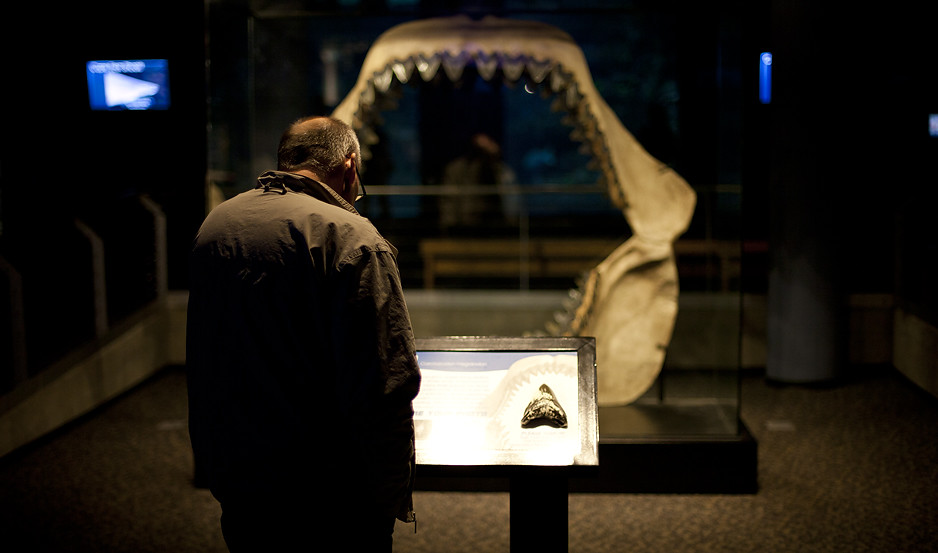
A shark the size of megalodon would require huge prey reserves, widespread nursery grounds, and constant food flow—all of which modern ecosystems struggle to provide. Changes in sea temperature, prey availability, and competition from modern sharks likely eliminated its niche millions of years ago. The lifestyle that supported megalodon no longer exists. No new evidence suggests that conditions have changed enough to allow its secret persistence.
7. Teeth alone don’t prove a living population.
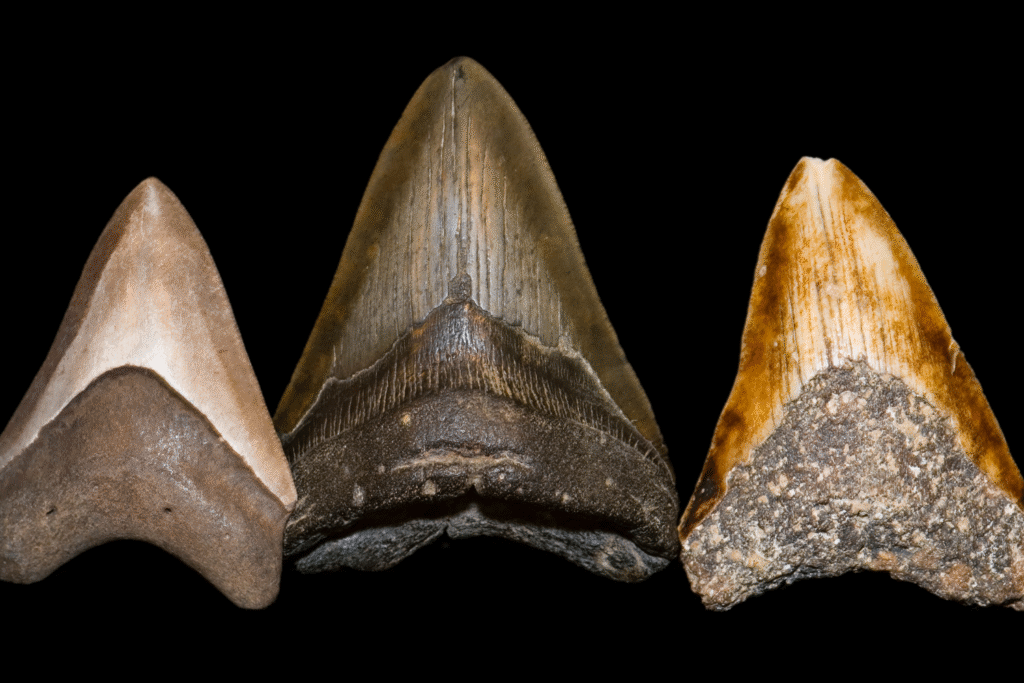
While the six-inch tooth is remarkable, it is only one piece of a fossil puzzle. Teeth fossilise far more readily than cartilage or soft tissue, meaning they can survive long after species vanish. Without flesh, vertebrae or live sightings, one find—even an extraordinary one—does not revive possibility. Scientists caution that the discovery is significant as a fossil record milestone, but it does not equate to proof of a 50-foot shark swimming among us.
8. The media buzz fuels public hope and myth.
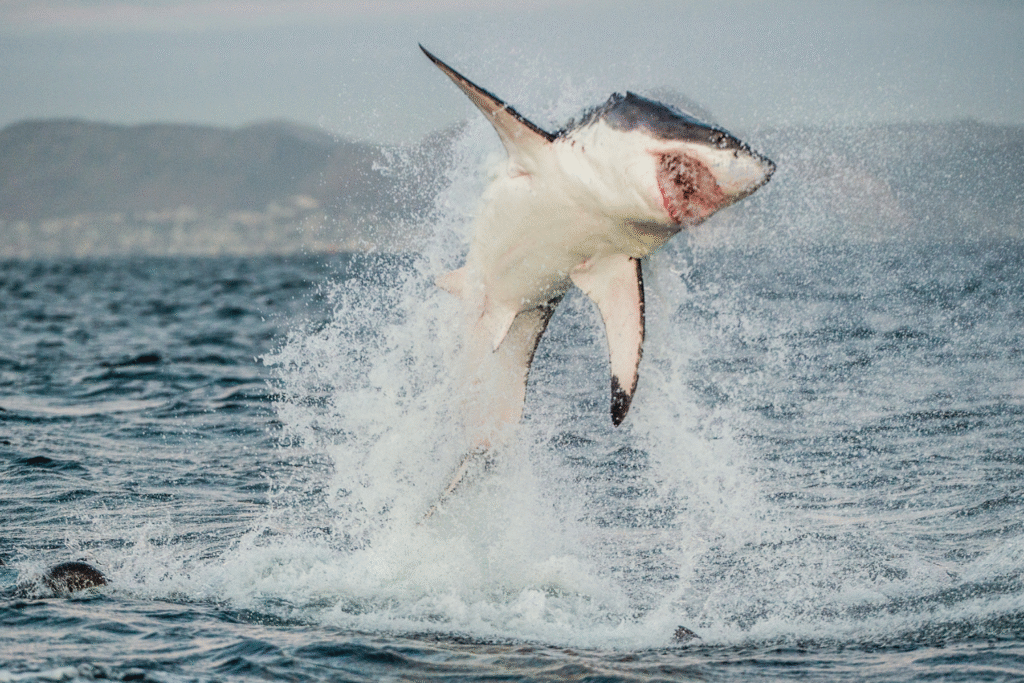
Finds like this six-inch tooth inevitably trigger popular excitement and wild speculation. Movies, TV shows and internet forums amplify the idea that megalodon could still exist, often mis-interpreting fossil evidence. While the discovery deserves attention, experts warn that hype distracts from scientific context. A healthy scepticism is essential. Enthusiasm is fine—but it must remain grounded in evidence, not fantasy.
9. Researchers plan further analysis of the new specimen.

Now that the tooth has been documented, scientists are preparing tests on its age, growth rings, and mineral content to confirm provenance. If it turns out to be unusually young—or show signs of alteration—it may reshape understanding of regional fossil deposits. The procedural details matter: age-dating, stratigraphy and contextual fossils all contribute to the story. While the find doesn’t reopen the “still alive” chapter yet, it opens a scientific one.
10. The discovery underscores the importance of fossil-rich sites like Florida.
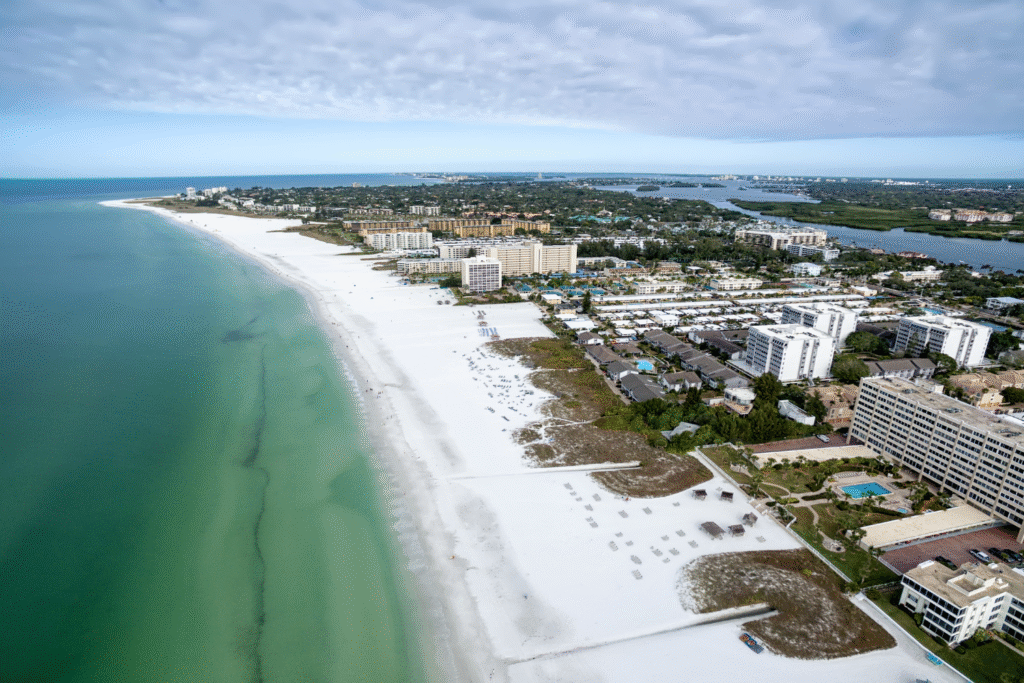
Whether or not megalodon still swims the seas, Florida remains a vital window into prehistoric marine ecosystems. Sites along its coast continue to yield shark teeth, whale bones and other evidence of bygone giants. Each find enriches our understanding of ancient oceans, extinction events and ecological shifts. The six-inch tooth may not rewrite the future of shark existence—but it enriches the past and reminds us how much of life’s history lies just offshore.