
Where isolation, resources, and resilience quietly intersect.

When people talk about “collapse,” most imagine chaos, shortages, and desperate crowds. Yet certain parts of the United States are uniquely positioned to endure disaster, places where geography, water access, low population, and strong self-sufficiency could keep people alive while others struggle. Researchers studying sustainability and infrastructure have long noted that survival often comes down to one thing: local resilience. From remote valleys to mountain towns that quietly run off their own grids, these locations could become safe havens in a fractured world. What follows isn’t fantasy, it’s where reality and preparedness meet.
1. The rugged isolation of the Rocky Mountains.
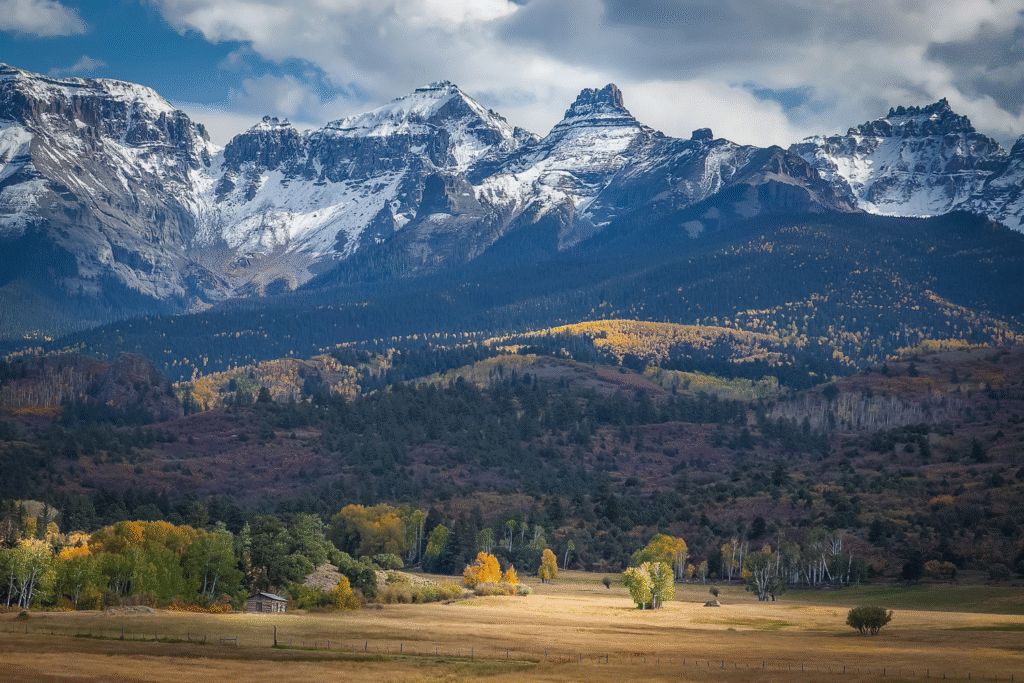
High in the Rockies, small communities like Ouray and Gunnison, Colorado, thrive in near self-sufficiency. Clean water, fertile valleys, and access to wild game make the area sustainable in prolonged crises. Many homes already use off-grid power and wood heating, and the remoteness provides natural defense. Researchers from the University of Colorado Boulder identified western mountain towns as among the most climate-resilient due to high elevation and low population density. It’s a rare mix of beauty and practicality, where a strong local culture of independence might make all the difference if society breaks down.
2. Northern Maine’s wilderness offers more than isolation.
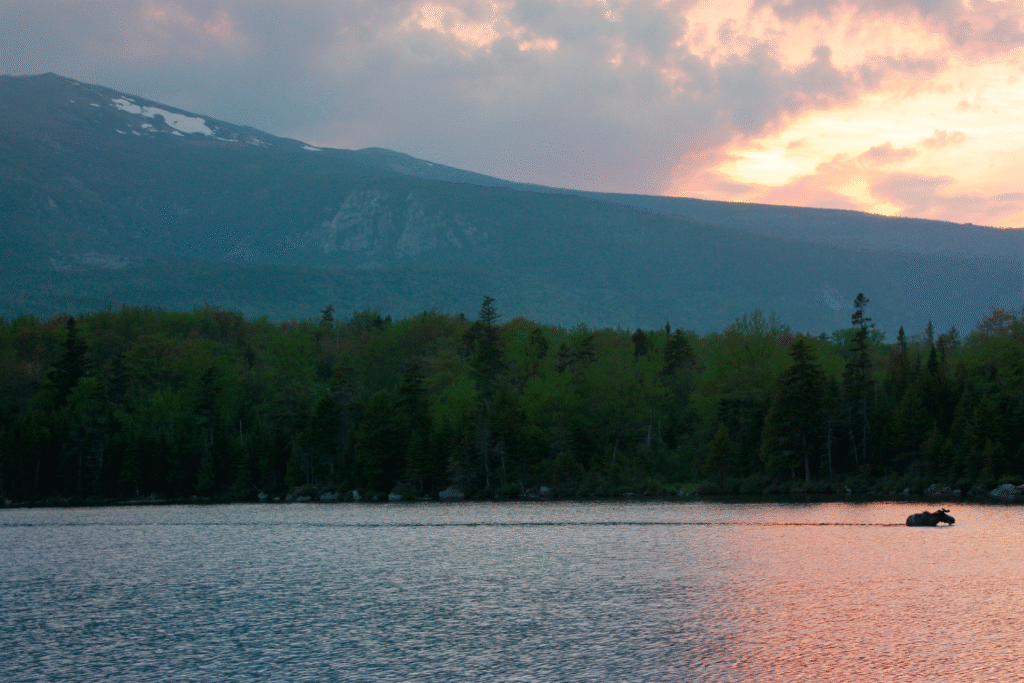
Thick forests, abundant lakes, and long winters shape a culture used to self-reliance. As stated by the Maine Emergency Management Agency, the state has one of the lowest population densities in the continental U.S. That means fewer competing for resources and less chance of conflict if national systems falter. People in towns like Millinocket or Greenville already hunt, fish, and heat with wood—living skills others would need to learn overnight. The land may be harsh, but it’s generous to those who understand it, offering natural water sources, fertile soil, and security in sheer remoteness.
3. Ozark Mountain communities rely on resourceful traditions.
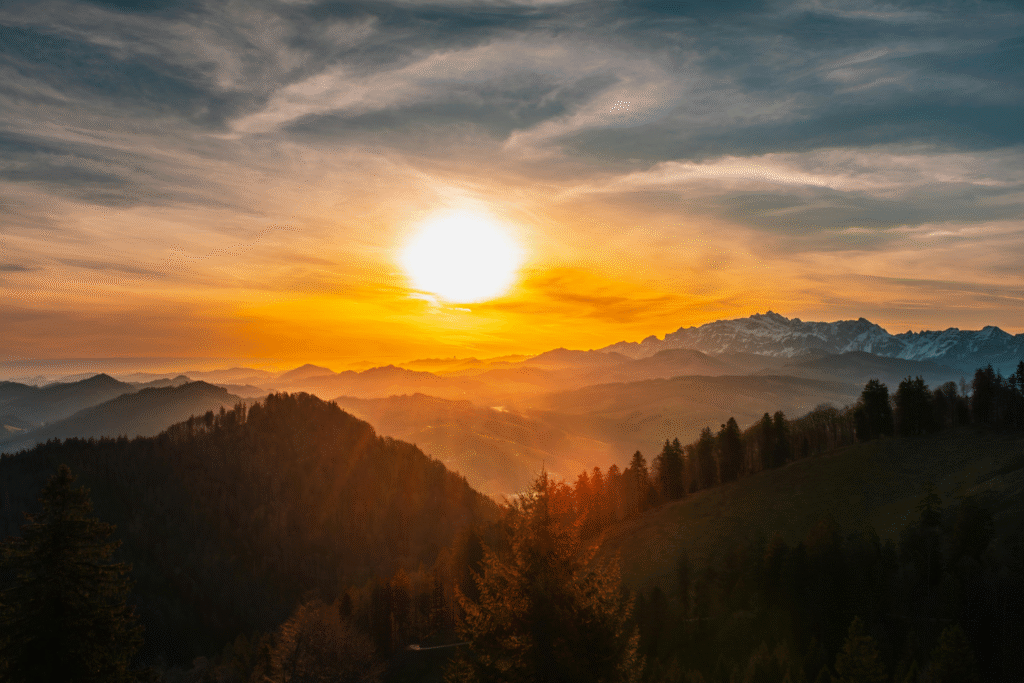
The Ozarks, spanning southern Missouri and northern Arkansas, have a long history of living with little outside help. According to a University of Arkansas regional development report, local communities rely heavily on small-scale farming, rainwater systems, and bartering networks. These cultural roots of resilience could become lifelines in collapse scenarios. The geography itself—ridges, caves, and dense woods—offers natural shelter and privacy. Locals still can and preserve food, fix their own machinery, and live seasonally. It’s not glamorous, but that’s the point: survival here is a way of life, not a plan.
4. Alaska’s remote interior rewards skill and courage.
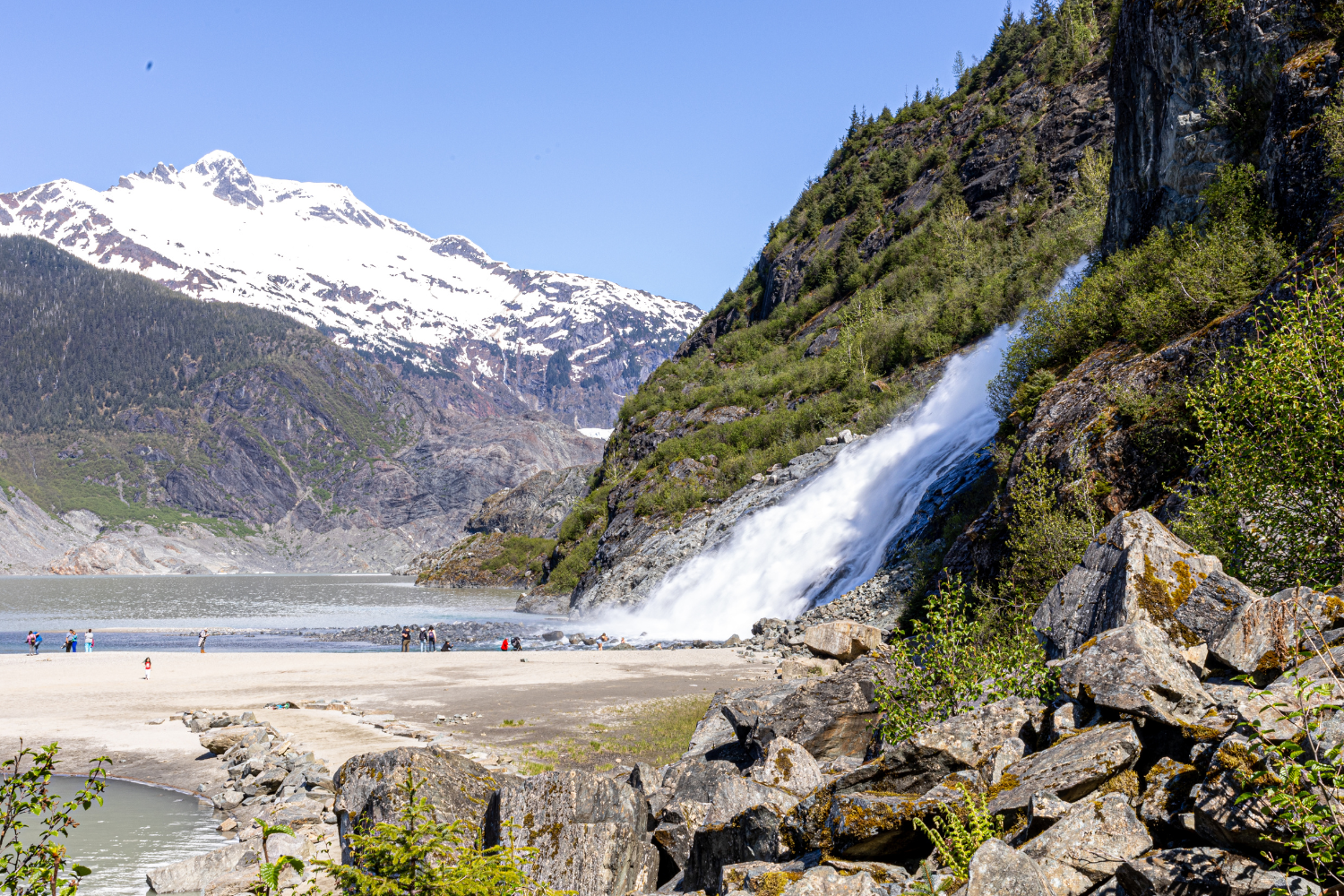
Few places test human endurance like Alaska’s wilderness. Yet for those capable of hunting, fishing, and managing harsh winters, it’s one of the most viable safe zones. Many Alaskans already depend on their own wells, generators, and stored fuel. Communities near Fairbanks and Tok have experience surviving without consistent supply chains. Nature dictates the rhythm of life, and residents are already adapted to scarcity. It’s not an easy refuge, but it’s one where independence and grit are ingrained—qualities that would serve as currency in a society learning to live without systems.
5. The Pacific Northwest’s inland valleys could stay sustainable.
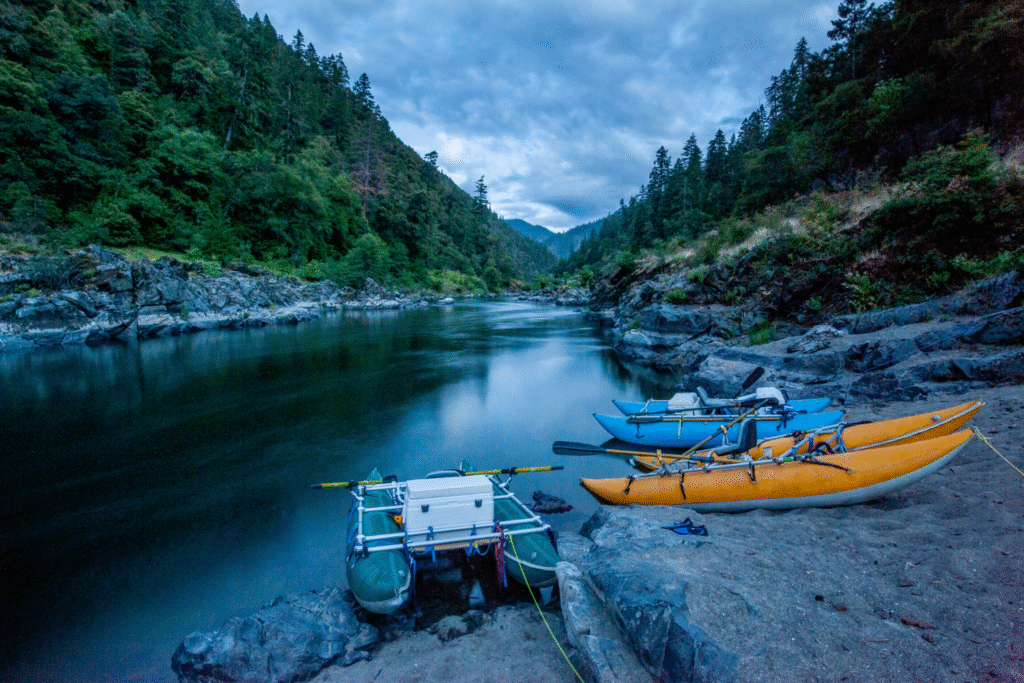
Move inland from the coast into Oregon’s Rogue Valley or Washington’s Yakima region, and you find fertile soil, steady rainfall, and moderate climates. These valleys support year-round agriculture, small farming communities, and renewable energy projects. While urban centers like Seattle would struggle in collapse, these rural areas could thrive on their own. Local farmers already rely on cooperative markets and independent irrigation systems. With abundant water and defensible terrain, these regions balance productivity with protection—a rare combination if global infrastructure ever fractured.
6. The Appalachian foothills blend shelter with rich resources.
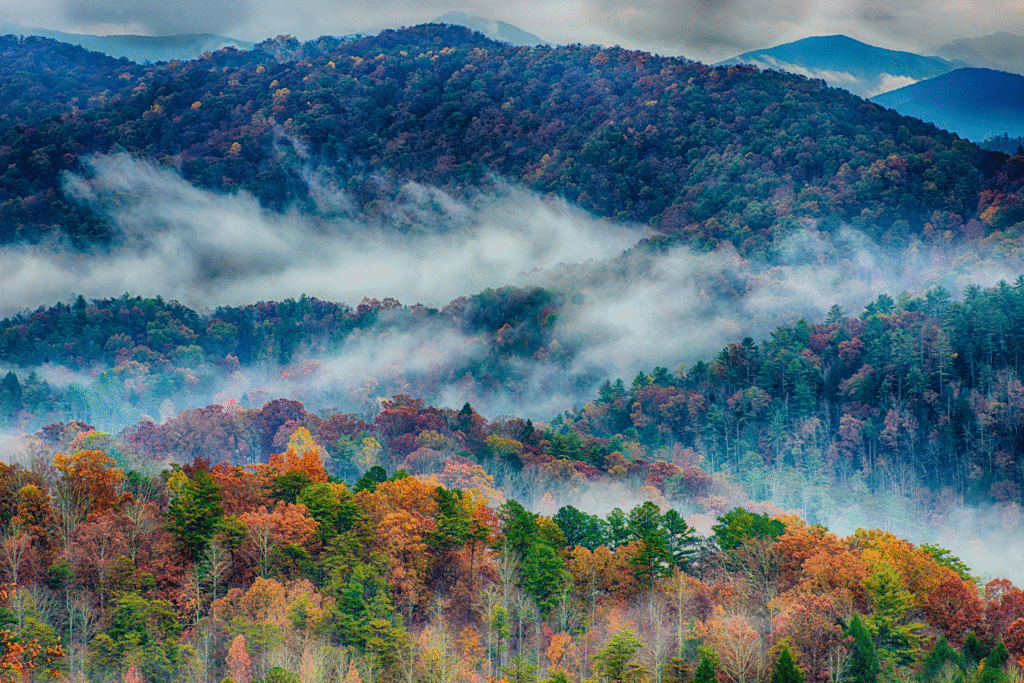
From West Virginia to eastern Tennessee, the Appalachian foothills provide dense forests, clean rivers, and hidden valleys perfect for long-term survival. Many communities still grow their own food and trade locally, and the culture favors tight-knit family networks over urban dependence. The terrain also offers natural concealment. These areas have been repeatedly identified by environmental planners as low-risk for flooding and long-term resource depletion. Life here moves slower, but that’s its strength—survival favors those who already live close to the land.
7. Great Basin towns offer space and quiet sustainability.
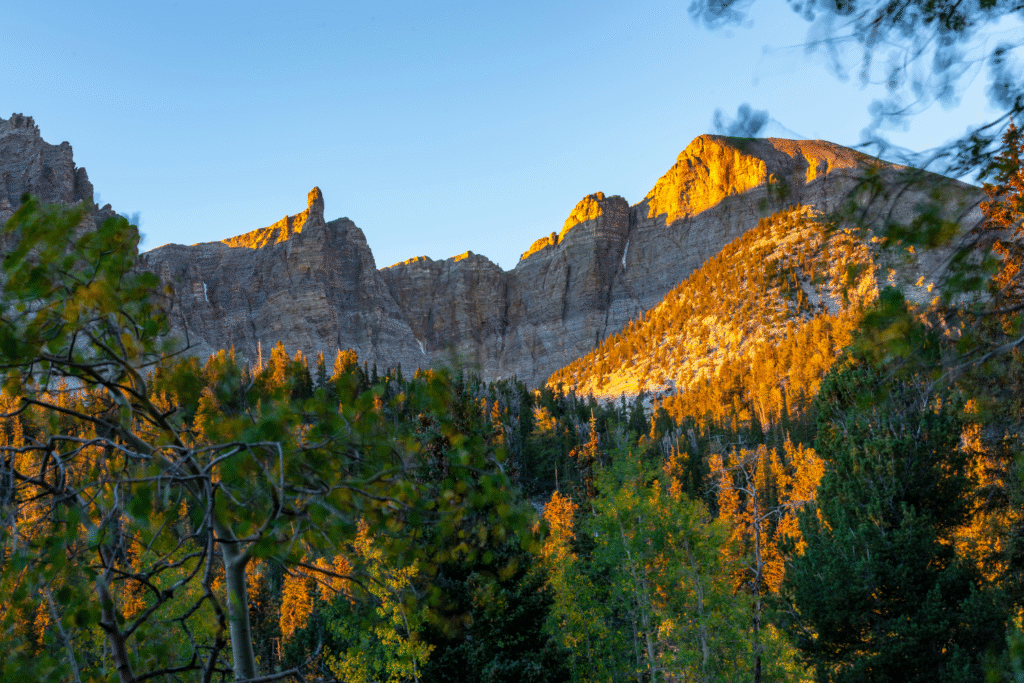
Nevada’s Great Basin doesn’t sound like paradise, but its isolation is its advantage. Sparse population, groundwater sources, and geothermal potential give small towns like Ely and Eureka a self-contained feel. Residents often rely on solar and well systems already, building the kind of infrastructure that would matter most in a systemic collapse. The region’s dry climate limits agriculture but protects against disease spread and overpopulation. What it lacks in comfort, it makes up for in security—the fewer people there are, the easier it is to survive unnoticed.
8. Northern Idaho balances community and independence.
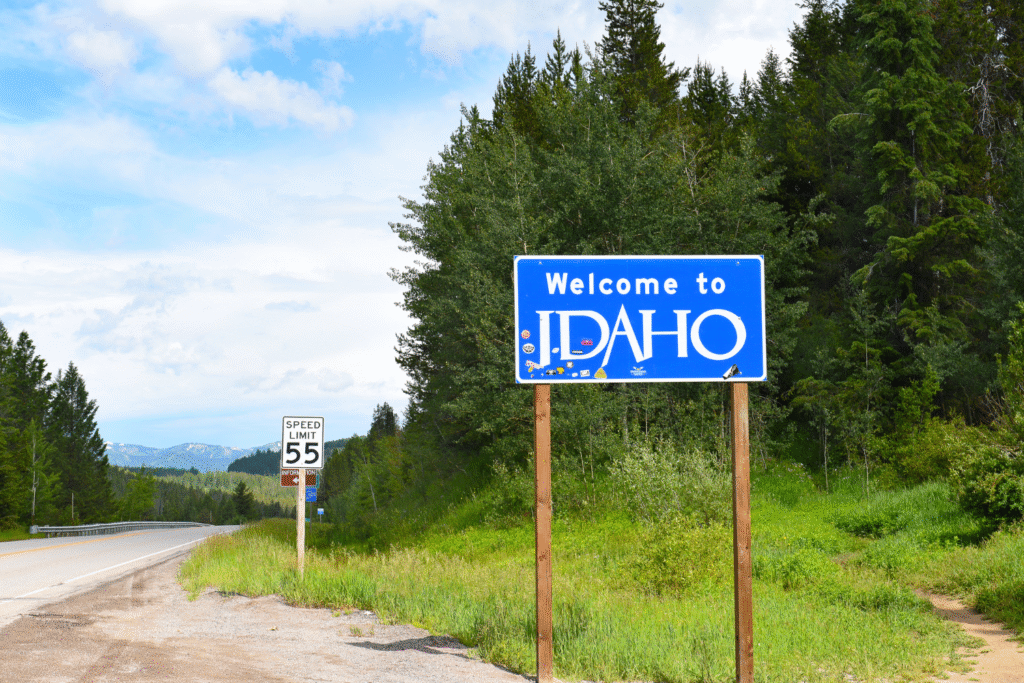
The small towns around Sandpoint and Bonners Ferry are already known among preppers for their mix of forests, farmland, and isolation. Many families live off-grid or close to it, supported by tight community networks and access to fresh water from mountain streams. The region’s long winters forge resilience, while its political culture values self-sufficiency. Northern Idaho’s low natural disaster risk adds another layer of stability. Here, survival doesn’t look dramatic—it looks like everyday life continuing quietly when the rest of the world stops moving.