
A forgotten myth reemerges in ancient marble form.
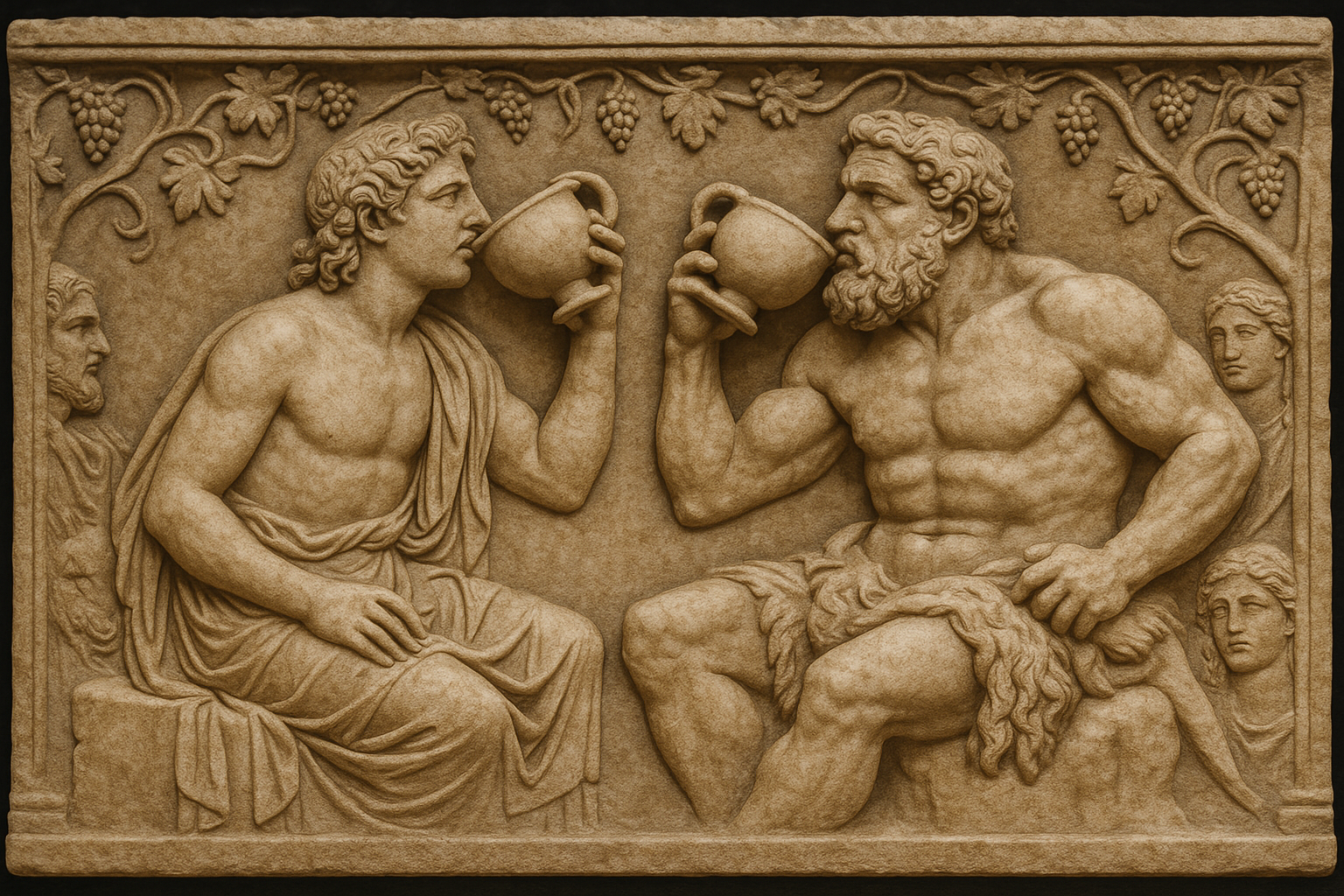
Archaeologists have uncovered a rare Roman marble sarcophagus near Caesarea, Israel, carved nearly 1,700 years ago, that may contain the earliest known depiction of a mythic drinking contest between Dionysus, god of wine, and Heracles, the hero of strength. The find offers more than a glimpse into Roman funerary art—it reveals a fascinating blend of humor, philosophy, and reverence for myth. Each figure carved into its polished surface carries centuries of storytelling, and through this playful yet profound imagery, the Romans turned even death into an act of divine celebration and eternal endurance.
1. The sarcophagus was unearthed near ancient Caesarea’s harbor.
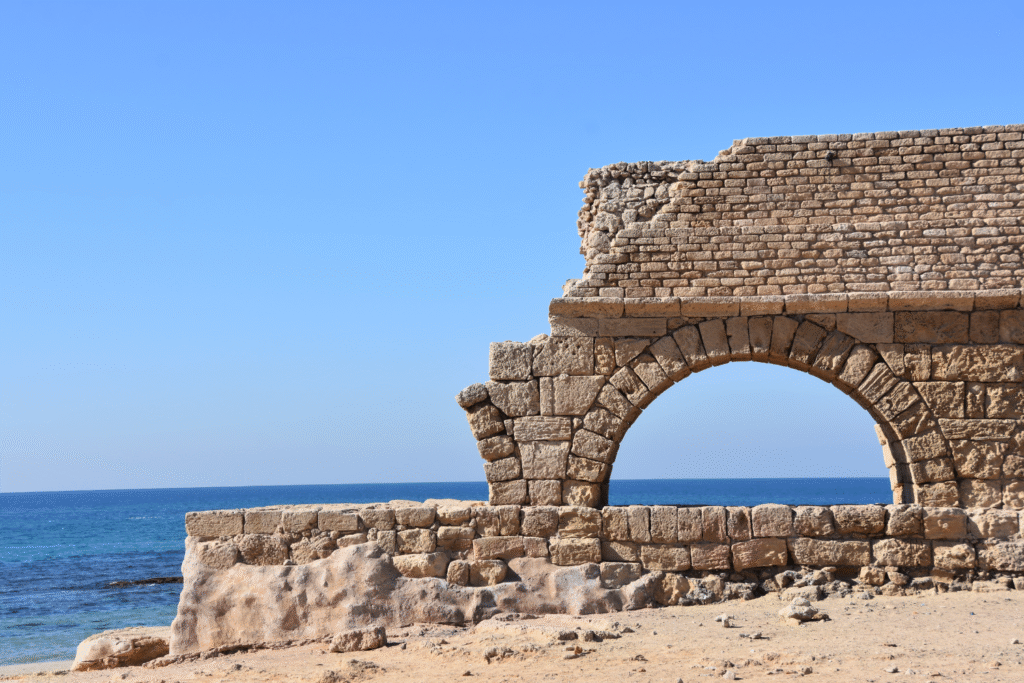
Archaeologists with the Israel Antiquities Authority discovered the marble coffin buried beneath sand near the city’s ancient port. It had been broken into pieces, but its fragments formed a breathtaking narrative scene once restored. According to Smithsonian Magazine, the relief shows Dionysus reclining at a banquet while Heracles collapses in defeat. The discovery site, outside Caesarea’s ancient walls, indicates a burial ground for the elite, revealing that this coastal hub was not just a trade center but a resting place for those who could afford divine storytelling etched in stone.
2. The artwork captures Dionysus’s victory in their fabled contest.

In the myth, Heracles challenges Dionysus to a wine-drinking competition and inevitably loses. The sarcophagus depicts this moment vividly, with Heracles’ weary frame and Dionysus surrounded by satyrs, calm and amused. Archaeologists interpret this as a symbolic triumph of spiritual ecstasy over brute strength. The artistic irony of a god of revelry conquering a hero of endurance transforms the coffin into both satire and statement. The piece, as reported by Live Science, becomes a marble metaphor for transcendence—a reminder that joy, not might, wins the final battle.
3. The imagery blends themes of death, wine, and rebirth.

Scholars view this design as more than playful decoration—it’s a coded message about life after death. Dionysus often represented the soul’s renewal, while Heracles embodied mortal struggle. By merging these figures in one scene, the artist suggests that death was not an ending but a transformation. The Biblical Archaeology Society states that this mythic contest was likely chosen to symbolize immortality through joy and divine communion. The imagery turns death into a festival of awakening, bridging the mortal and eternal in a single carved celebration.
4. The craftsmanship reveals an imported masterpiece of marble art.
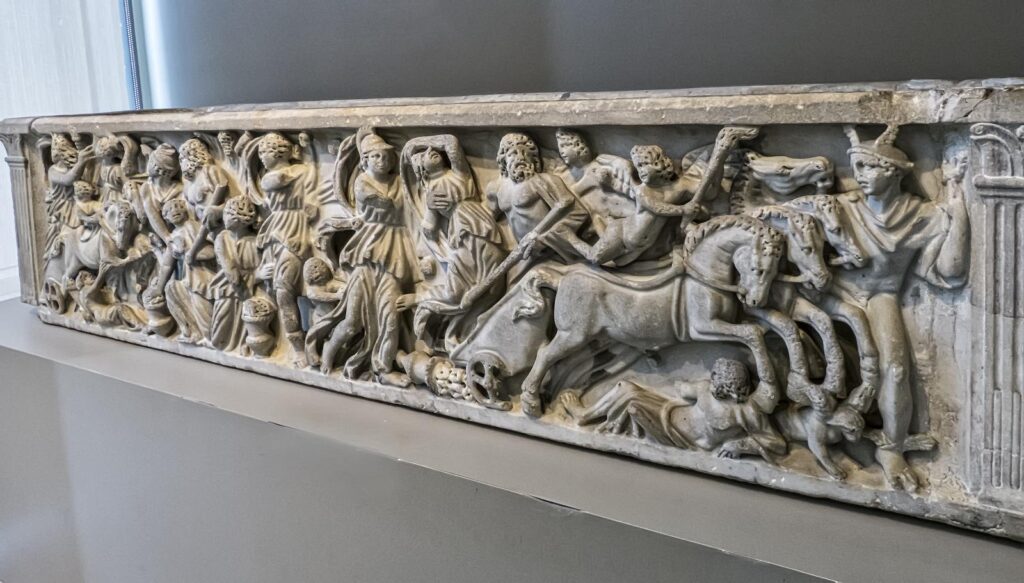
The sarcophagus’s stone, fine-grained and luminous, doesn’t originate in Israel. Archaeologists traced its likely source to Asia Minor, possibly from a prestigious workshop in western Turkey known for elaborate funerary carvings. Such a luxury item could only belong to someone of considerable wealth and status. Every detail—the curl of Dionysus’s hair, the folds in Heracles’ robe, the flicker of laughter on surrounding satyrs—points to elite workmanship. The artistry immortalizes the myth with such vitality that even centuries of burial couldn’t dim its expressive power.
5. Mythic humor masks deeper philosophical meaning.

While the scene appears lighthearted—a god outdrinking a demigod—the message beneath it runs deeper. Dionysus’s victory mirrors the triumph of the spiritual over the physical, of surrender over control. Romans loved this paradox: pleasure as a path to eternity. By inscribing the myth on a coffin, the deceased embraced both comedy and faith, framing death as participation in an eternal banquet. What looks like laughter in marble may, in truth, be a quiet declaration of hope, disguised as divine revelry.
6. The myth’s popularity reflected changing Roman spirituality.
By the late Roman period, traditional gods like Dionysus evolved into symbols of emotional and spiritual liberation. As Christianity began to rise, older myths found renewed meaning. Dionysus’s themes of death and rebirth resonated with shifting beliefs about immortality. The sarcophagus bridges these worlds—a pagan story retold in a language that spoke to the era’s yearning for renewal. In this context, Heracles’s defeat isn’t humiliation—it’s surrender to a higher truth, one carved into eternity.
7. Caesarea’s necropolis now tells a new cultural story.
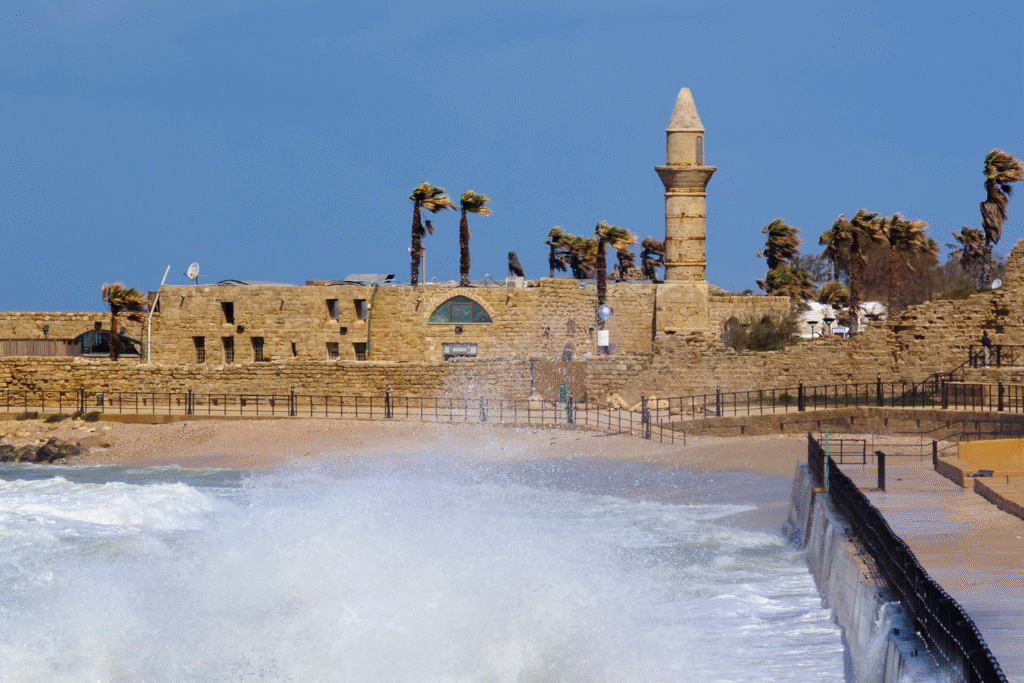
Before this discovery, archaeologists thought Caesarea’s elite burials were modest compared to Rome’s. This sarcophagus changes that assumption entirely. It reveals that local patrons commissioned highly sophisticated, imported art that mirrored Rome’s grandeur. The find also suggests the city’s residents saw themselves as full participants in imperial culture, embracing Roman myths as their own. The mythic drinking contest now stands as a cultural handshake between East and West—one carved in stone and sealed by the sea.
8. Restoration exposed details hidden for nearly two millennia.

Conservators meticulously cleaned the marble surface, uncovering intricate details long obscured by soil and salt. Once restored, the carvings came alive—Dionysus’s languid confidence, Heracles’s slumped exhaustion, satyrs dancing mid-laughter. Every groove carried traces of ancient chisels. The restoration revealed a scene as witty as it is poignant, capturing the human instinct to find humor in mortality. What was once buried under dust now gleams again, its story renewed, like Dionysus himself after a night of divine revelry.
9. This discovery reshapes our view of Roman funerary art.
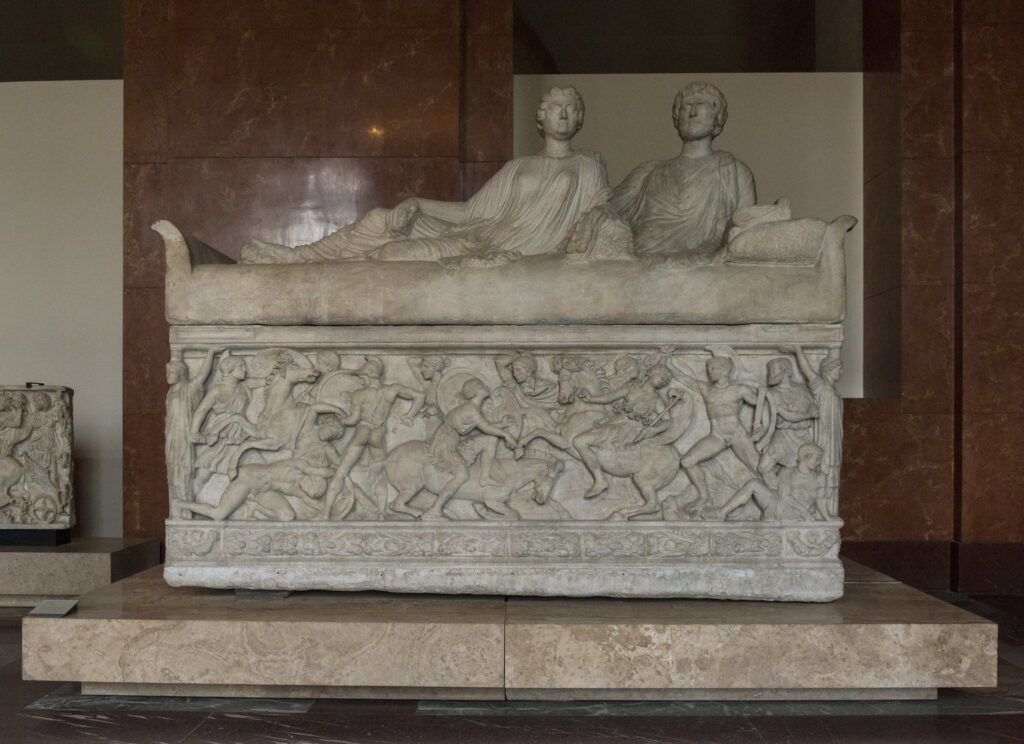
The Caesarea sarcophagus proves that Roman burial art wasn’t only solemn or ceremonial—it could be ironic, human, and deeply philosophical. Through this mythic duel, the artist turned death into conversation and eternity into celebration. The marble doesn’t mourn—it smiles, inviting the viewer to consider life’s fragility and its beauty. Across seventeen centuries, that laughter still echoes faintly in stone, a reminder that even in the face of death, the Romans raised a cup—and toasted forever.