
The body’s scent may reveal death before thought.

Scientists are uncovering an eerie but fascinating truth—our sense of smell may warn of death long before the mind understands what’s happening. Research shows that the ability to detect and identify scents is tightly connected to survival and overall health. As the body weakens, smell fades, and chemical changes emerge that quietly signal internal decline. This isn’t superstition; it’s biology. The human body, through scent, appears to announce its fading vitality before the brain fully recognizes it. The nose, ancient and instinctual, may sense the end approaching with quiet precision.
1. Loss of smell predicts a higher risk of death.

Large population studies have found that older adults who lose their ability to smell are significantly more likely to die within the next decade. It’s not the smell loss itself, but what it represents—a sign that internal systems are faltering. According to the National Institutes of Health, participants with poor olfaction were nearly 50 percent more likely to die within ten years. The finding has startled researchers, as smell testing now appears to predict mortality more accurately than many chronic diseases, offering a glimpse of decline hidden beneath normal checkups.
2. The brain’s scent system fails before cognition declines.
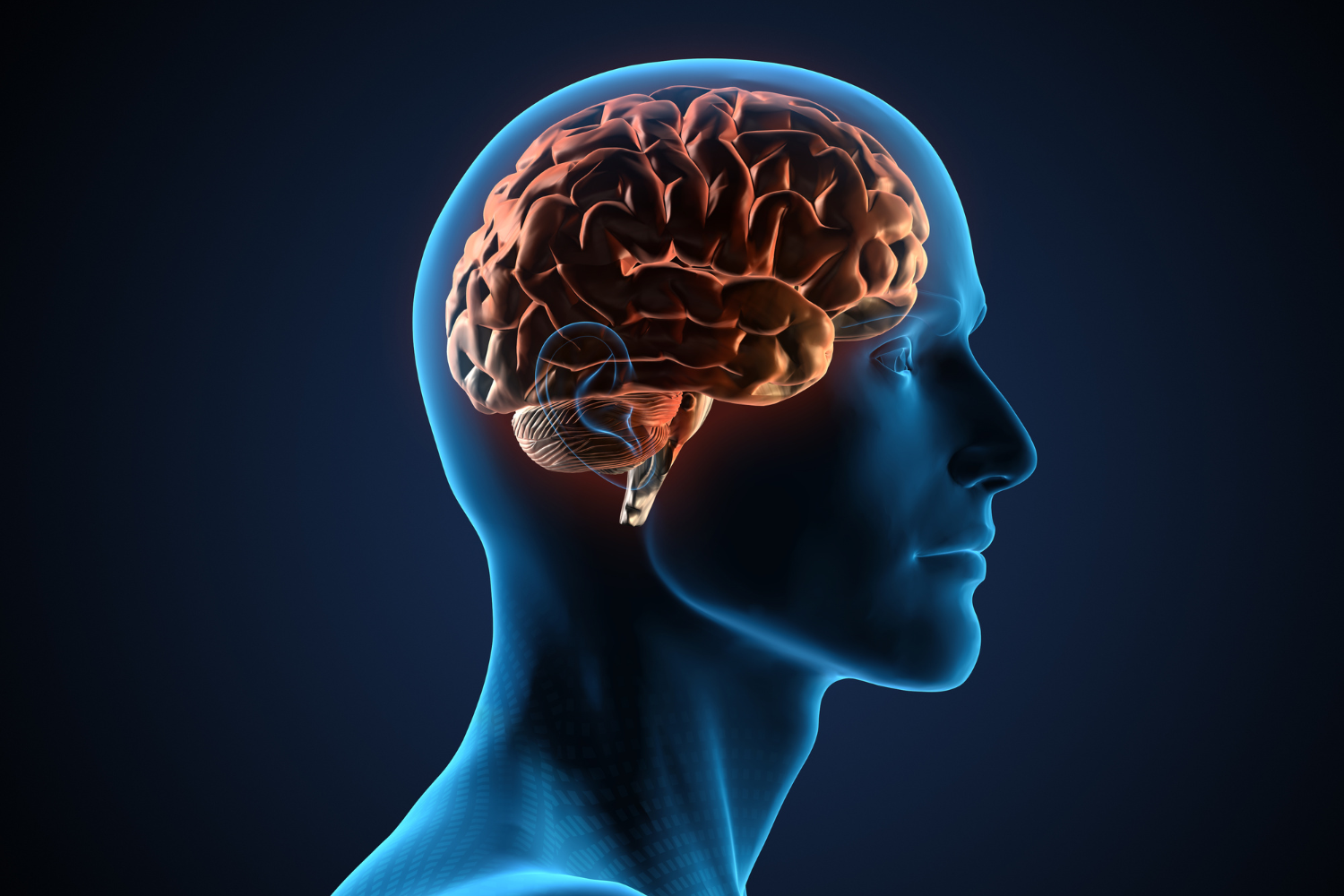
The olfactory system connects directly to the brain’s memory and emotion centers, making it one of the first neural pathways to deteriorate. Scientists found that smell loss often occurs years before visible signs of Alzheimer’s, Parkinson’s, or other degenerative disorders. As reported by ScienceDaily, diminished olfactory sensitivity often precedes measurable cognitive loss. When scent fades, the brain has likely begun to weaken—long before confusion or memory loss appear. The nose becomes the first messenger of neurological decline, quietly alerting the body that something much deeper is unfolding.
3. Smell loss reveals aging and disease earlier than other clues.

In recent research, published by Nature, scientists discovered that fading olfaction predicts frailty, immune decline, and mortality more effectively than blood pressure or heart rate. They described the nose as a “biological summary” of how the body is functioning. Smell neurons, being directly exposed to the environment, mirror internal stress faster than other cells. When their function collapses, it signals that aging or illness is accelerating system-wide. This is why some doctors now consider smell testing a practical, low-cost way to catch early signs of physical and mental breakdown.
4. The body emits unique scents as it begins to fail.

As metabolism slows, dying cells release distinct organic compounds into the air. These molecules, exhaled through breath and released through skin, can subtly change how a person smells. Caregivers often describe a sweet, metallic, or musky odor near the end of life. It’s not decay, it’s chemistry. The body’s final metabolic adjustments create invisible signals that the nose can detect, even if we don’t consciously recognize them. Those faint changes in scent may be the body’s last way of communicating that life is quietly winding down.
5. Animals recognize the scent of death before humans do.

Dogs, with their extraordinary sense of smell, can detect illnesses like cancer or infection—and in some cases, even sense when death is approaching. They pick up volatile compounds produced when organs fail or cells break down. Humans lack their precision, but our subconscious may still respond to similar cues. Some people report a subtle awareness—a shift in the air—around those close to death. This connection between scent and mortality runs deep, linking instinct, biology, and emotion in a way modern science is only beginning to understand.
6. Loss of smell drains appetite and dulls emotion.

When smell disappears, food loses its flavor and life loses its texture. The drive to eat fades, and with it, nutrition and strength decline. Many older adults with smell loss begin losing weight rapidly, unaware that their sensory system is failing them. Beyond appetite, scent is tied to emotion and memory; when it fades, people often report detachment and depression. It’s as though the body begins to withdraw from sensory experience itself—a quiet step toward shutting down, both physically and emotionally.
7. The olfactory bulb shows early signs of organ and brain failure.
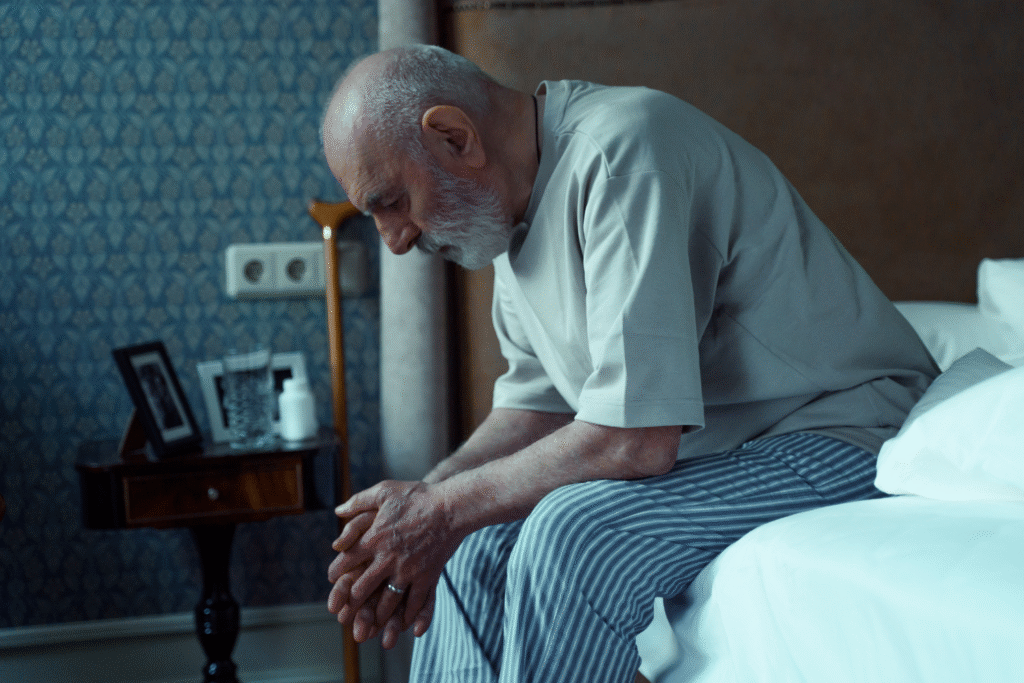
Deep in the brain, the olfactory bulb bridges smell with memory and instinct. It’s one of the first regions to weaken in conditions like Alzheimer’s and Parkinson’s, and it’s sensitive to changes in blood flow and inflammation. When it deteriorates, other systems often follow. The loss of this small sensory hub may signal that the brain’s balance is breaking down. It’s not just about smell—it’s the earliest visible crack in the architecture of human consciousness itself.
8. Caregivers often notice scent changes before death.

Hospice workers and family caregivers frequently describe a faint, undefinable scent that appears days before death. It’s subtle—neither foul nor pleasant—but distinct. Scientists believe this phenomenon stems from metabolic shifts, bacterial changes, and reduced oxygen flow. The smell is a byproduct of the body’s slow, chemical farewell. Even when patients seem stable, the scent can signal what’s coming next. It’s the body speaking in molecules rather than words, marking the moment life begins to fade.
9. Smell testing could become a medical predictor of decline.

Hospitals and research institutions are beginning to use smell identification tests to evaluate patient health. Johns Hopkins researchers recently found that each decrease in olfactory accuracy correlates with rising frailty and aging risk. The test is simple—identifying scents like coffee or lemon—but its implications are profound. It may soon join bloodwork and imaging as a diagnostic tool for detecting decline long before symptoms appear. The nose, long overlooked in medicine, could become one of the most powerful predictors of survival.
10. The nose senses what the mind cannot yet accept.
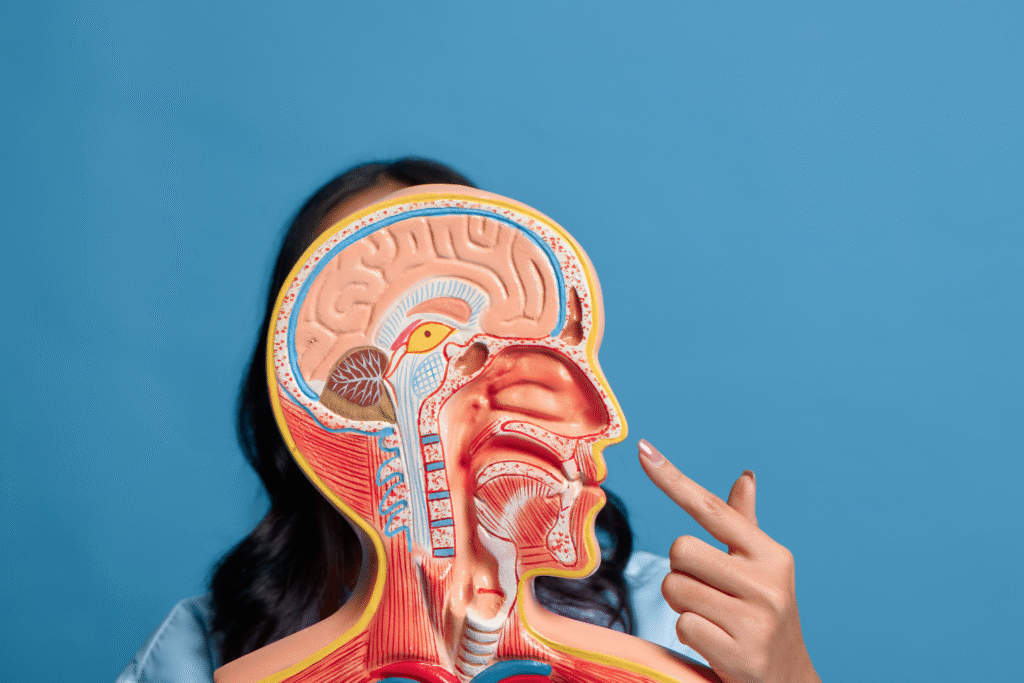
Our ancestors relied on smell to detect danger, decay, and life itself. That ancient instinct still lingers. When the sense fades—or when scent itself begins to change—it’s not imagination. It’s physiology revealing its own truth. The nose, oldest of the senses, may whisper what the brain refuses to admit: that the balance of life is shifting. In that faint loss of scent lies the story of mortality—written not in words or thoughts, but in the invisible chemistry of being alive.