
Mount Spurr’s awakening could spell serious trouble ahead.
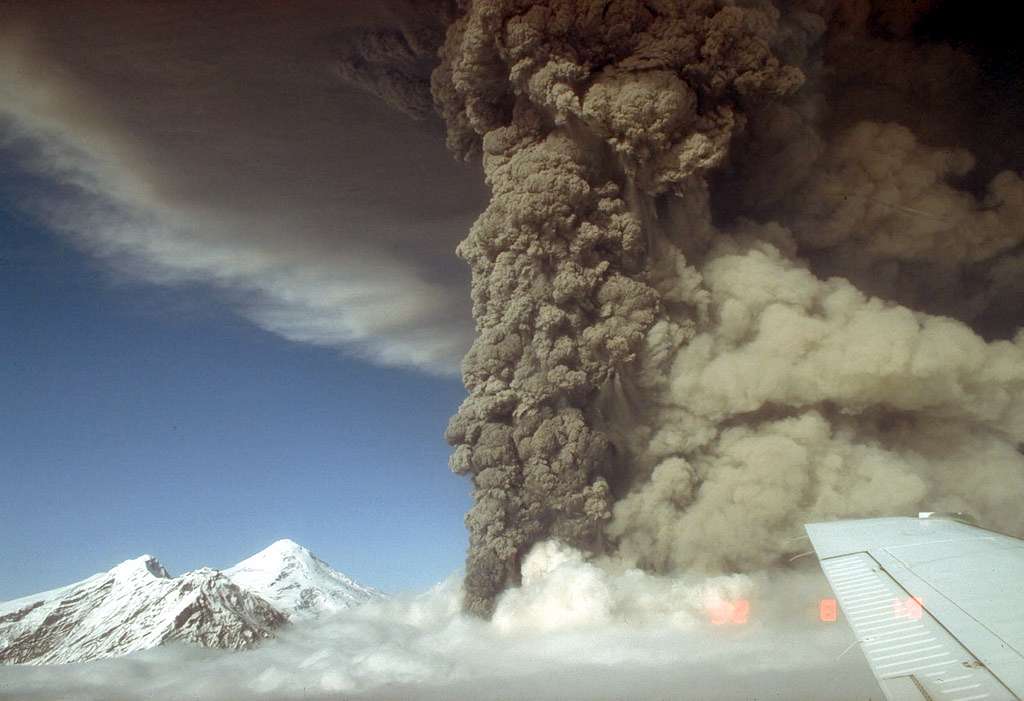
A major Alaskan volcano, Mount Spurr, has begun displaying activity that’s raising alarms among scientists. Roughly 80 miles west of Anchorage, this snow-covered giant is now rumbling with increased seismic tremors, venting gas, and swelling at its summit. The Alaska Volcano Observatory has elevated its alert level, warning that magma could be moving upward beneath the mountain. Though eruptions are unpredictable, the patterns forming beneath Mount Spurr mirror the pre-eruption signals seen in 1992. Experts stress that this isn’t panic territory—but the signs are unmistakable. The mountain that sleeps may not be resting much longer.
1. Seismic swarms are shaking the ground near the summit.
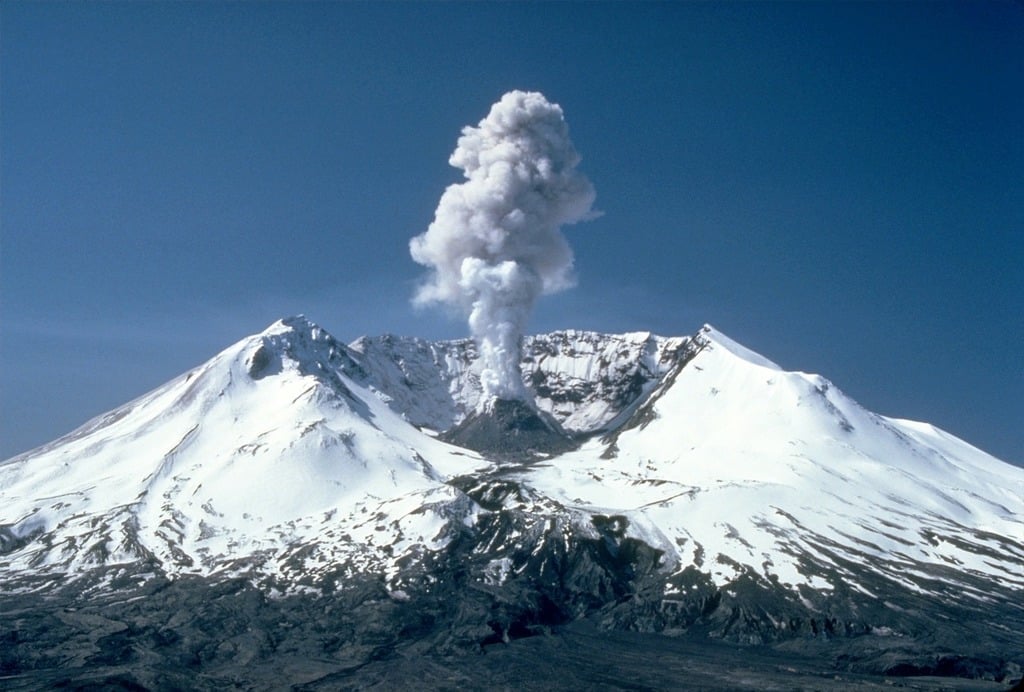
Clusters of shallow earthquakes have rattled the upper slopes of Mount Spurr in recent weeks. Seismic sensors that normally record a few minor quakes daily are now capturing dozens, many in rapid succession. These tremors suggest magma is fracturing rock as it pushes upward. According to the Alaska Volcano Observatory, this increase in frequency and strength marks a clear departure from the volcano’s background behavior. The tremors may still quiet down, but history shows that when quakes cluster this densely, magma movement is already underway—and pressure is quietly building.
2. New gas emissions hint at magma rising closer to the surface.
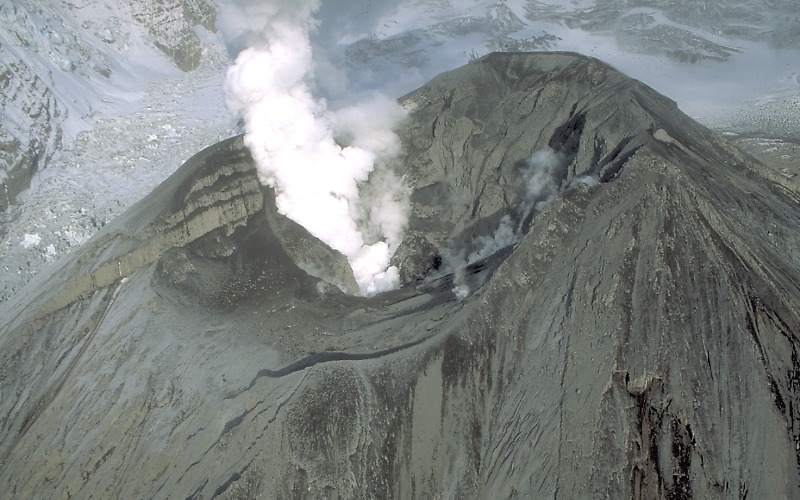
Scientists have reported visible plumes of volcanic gases streaming from Mount Spurr’s summit, with sulfur dioxide and carbon dioxide levels far higher than normal. Thermal imaging also detected new fumaroles venting heat through the snowpack. These changes typically occur when magma approaches the surface and begins releasing trapped gases. As stated by the U.S. Geological Survey, volcanic gas spikes are one of the earliest indicators of eruption potential. The presence of these emissions doesn’t mean an eruption is guaranteed—but it does mean the system is awake and restless.
3. The mountain itself is inflating under internal pressure.
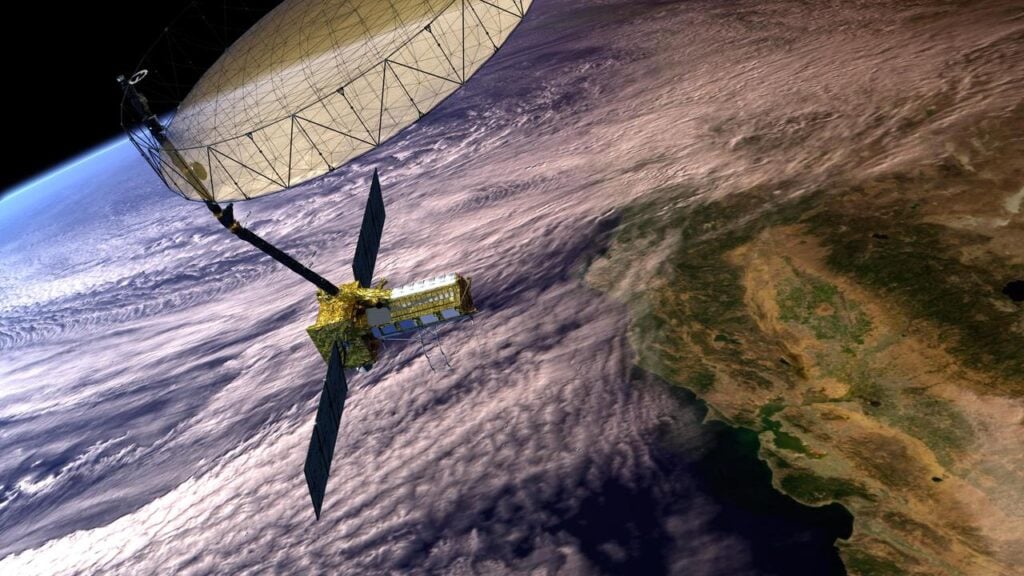
Using satellite radar and ground-based GPS instruments, geologists have confirmed that Mount Spurr’s summit has bulged outward slightly, a sign that magma is pushing upward beneath the surface. This ground deformation, reported by the Alaska Volcano Observatory, matches patterns observed before previous eruptions. When magma intrudes, the rock expands like a slow-motion balloon, storing immense pressure until it either cools or escapes violently. It’s the mountain’s quiet inhale before the exhale that could coat nearby cities in ash once again.
4. Past eruptions reveal how fast things can escalate.
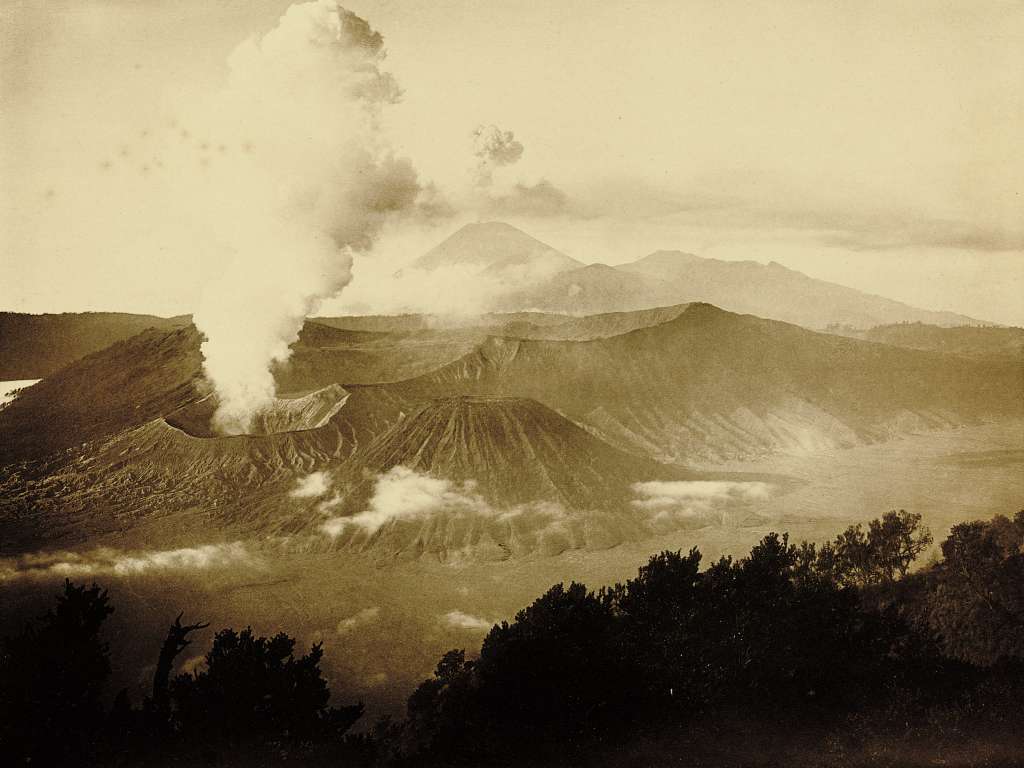
Mount Spurr last erupted in 1992, sending an ash plume 45,000 feet into the sky and covering Anchorage with fine volcanic dust. Before that eruption, the warning signs were similar—earthquake swarms, sulfur emissions, and gradual ground uplift. The time between initial signs and the eruption was short, just weeks. This is why scientists are taking today’s signals seriously. History has shown that Spurr can shift from calm to chaos faster than many volcanoes, leaving little time for residents and airlines to prepare.
5. Anchorage could face significant ash and air travel disruptions.
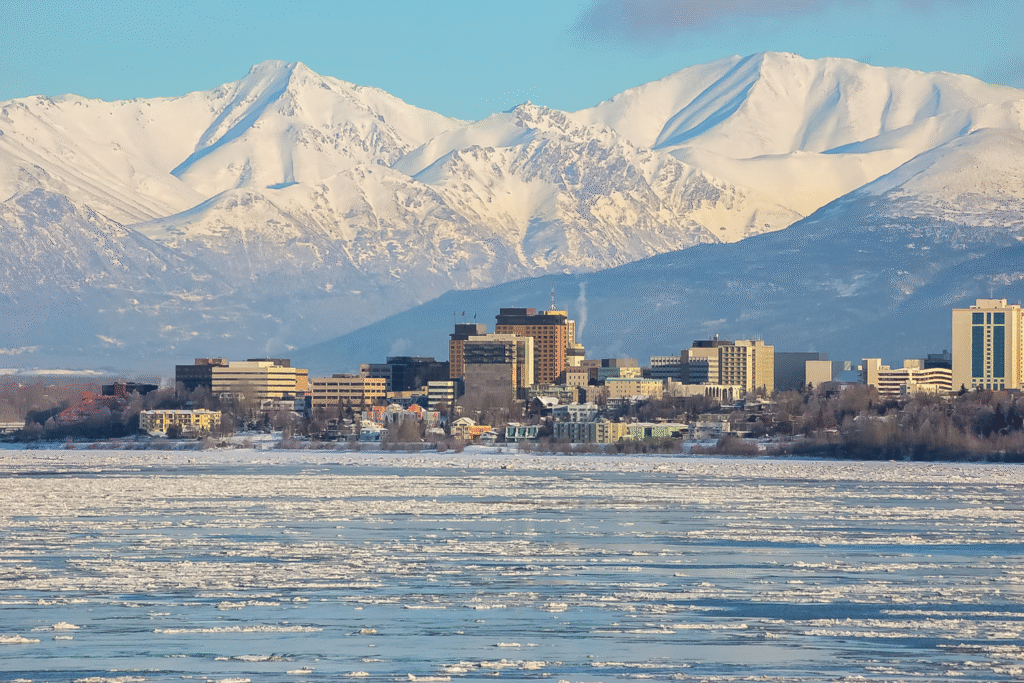
Because Mount Spurr sits upwind of Alaska’s largest city, any eruption could send ash directly toward Anchorage. Even small amounts of volcanic ash can damage engines, contaminate water supplies, and clog ventilation systems. Airlines have already been briefed on possible flight path changes if Spurr’s activity escalates. Residents remember the 1992 event vividly, when the sky darkened midday and roads turned slick with ash. With today’s higher population and denser infrastructure, the impacts could be far more costly and disruptive.
6. Scientists are monitoring round-the-clock for rapid changes.
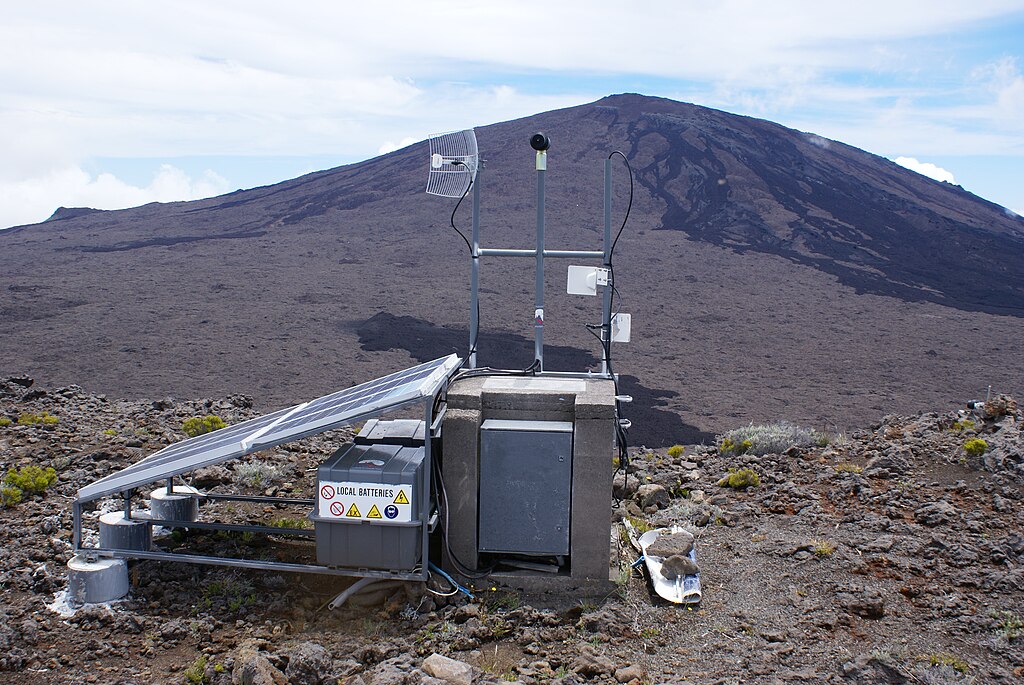
Dozens of seismic sensors, gas detectors, and satellite feeds now monitor Mount Spurr’s every twitch. The Alaska Volcano Observatory has increased its data collection frequency to hourly updates. Technicians are also using drones to measure surface heat and gas composition near the summit. This technology didn’t exist during past eruptions, giving today’s scientists a better chance at early warnings. Still, the mountain’s behavior can shift within hours, making vigilance critical. The slightest change in rhythm could mean the volcano’s patience is wearing thin.
7. Communities are quietly ramping up emergency readiness.
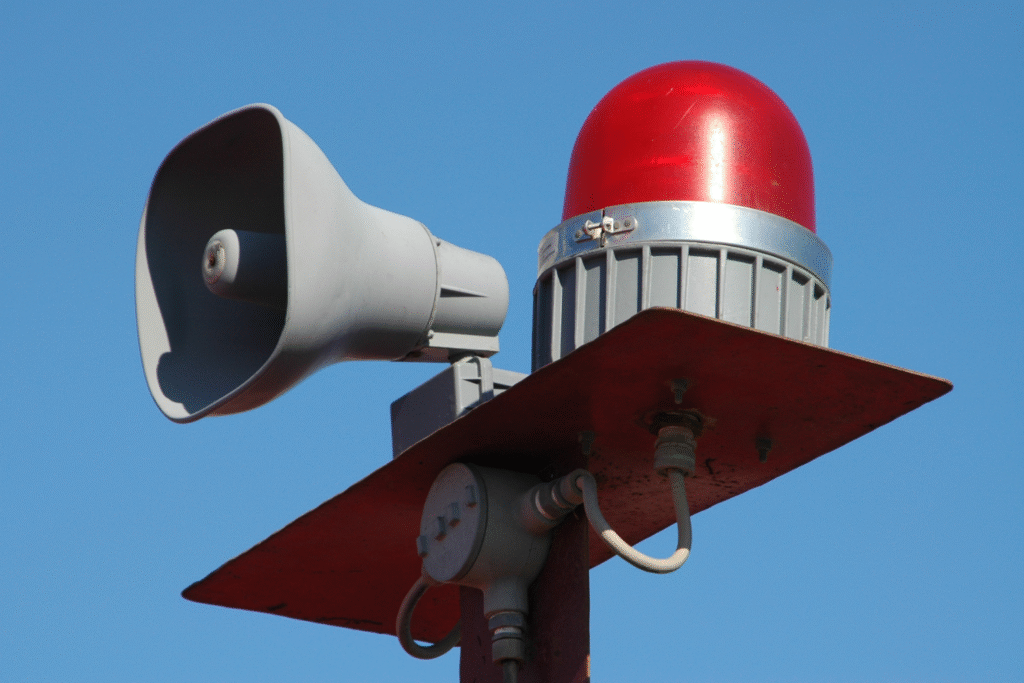
Local authorities are reviewing evacuation protocols, emergency alerts, and air quality plans in case ashfall reaches populated areas. Schools and hospitals in Anchorage have updated filtration systems since 1992, but officials warn that prolonged ash exposure could still affect power systems and water treatment plants. Even if the volcano doesn’t erupt, preparing now ensures faster response later. Alaskans know that in volcanic time, calm can be deceiving—and safety depends on respecting the mountain’s unpredictability.
8. Nearby glaciers could amplify future volcanic impacts.
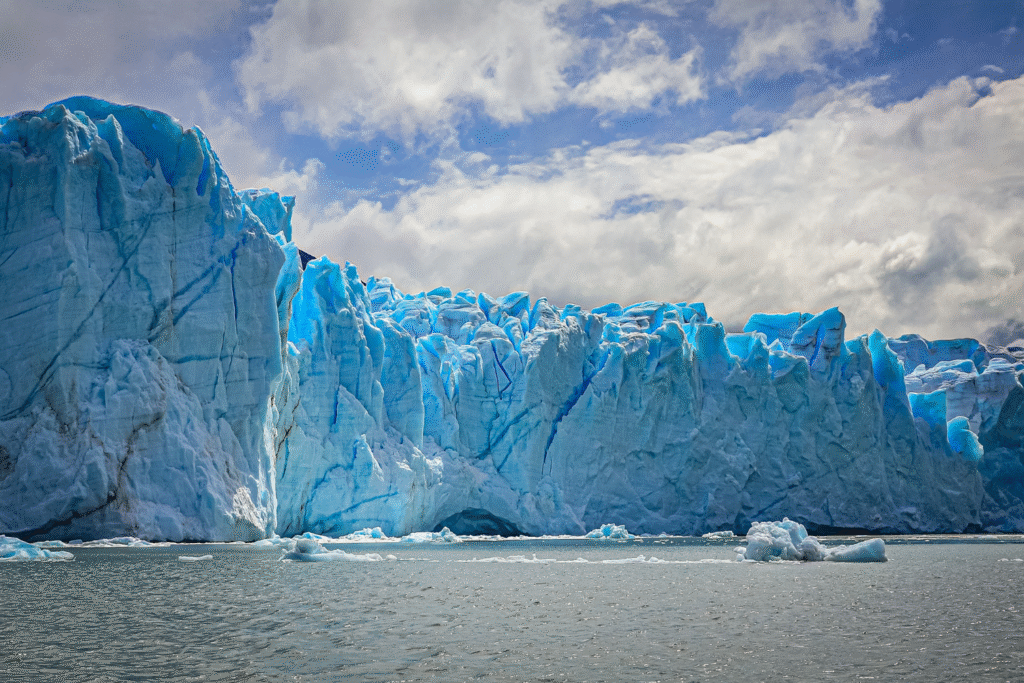
Mount Spurr’s slopes are blanketed with ice, which means an eruption could trigger dangerous lahars—mudflows made of melted snow and ash rushing down valleys at deadly speeds. The 1953 eruption created just such floods, cutting off nearby access routes. Glacial melt also increases the risk of sudden flooding if vents open beneath the ice. For surrounding communities and wildlife, this combination of heat and water poses a serious secondary hazard that’s often more destructive than the eruption itself.
9. Aviation authorities are on high alert due to plume hazards.
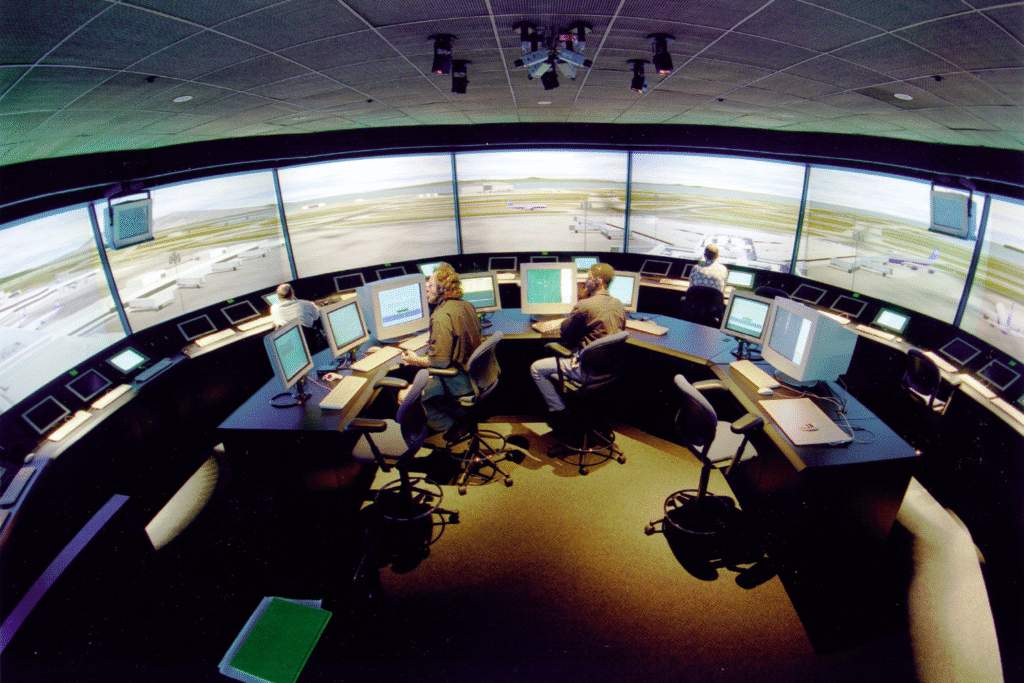
Alaska’s skies are among the busiest for cargo flights between North America and Asia, and volcanic ash is aviation’s greatest invisible enemy. Even a thin plume can sandblast jet engines and obscure navigation systems. Pilots have been warned to stay informed through the Volcanic Ash Advisory Center. If Mount Spurr erupts, airspace restrictions could ripple across the Pacific, grounding flights and halting commerce. The stakes extend far beyond Alaska’s borders—this mountain could temporarily reshape global air routes.
10. The coming weeks will determine if eruption is imminent.
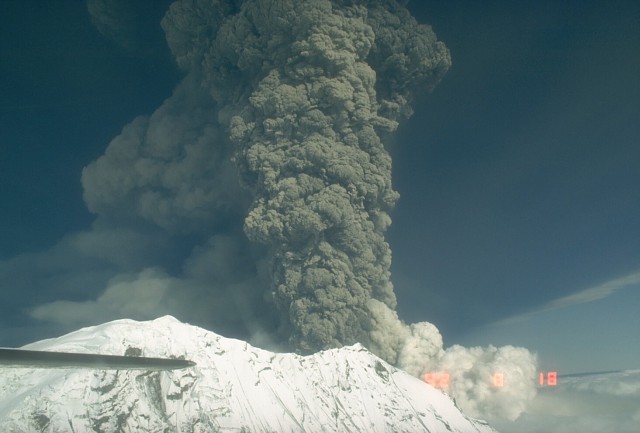
Volcanologists caution that volcanic unrest doesn’t always end in eruption—sometimes magma stalls and cools underground. But if earthquake swarms, gas emissions, and deformation continue at current rates, the odds of an eruption rise dramatically. It’s a waiting game between pressure and patience, one that can shift overnight. For now, scientists and Alaskans alike watch the mountain closely, aware that when nature starts whispering, it rarely does so without reason. The next move belongs to Mount Spurr.