
Genetic clues are reshaping long accepted migration theories.
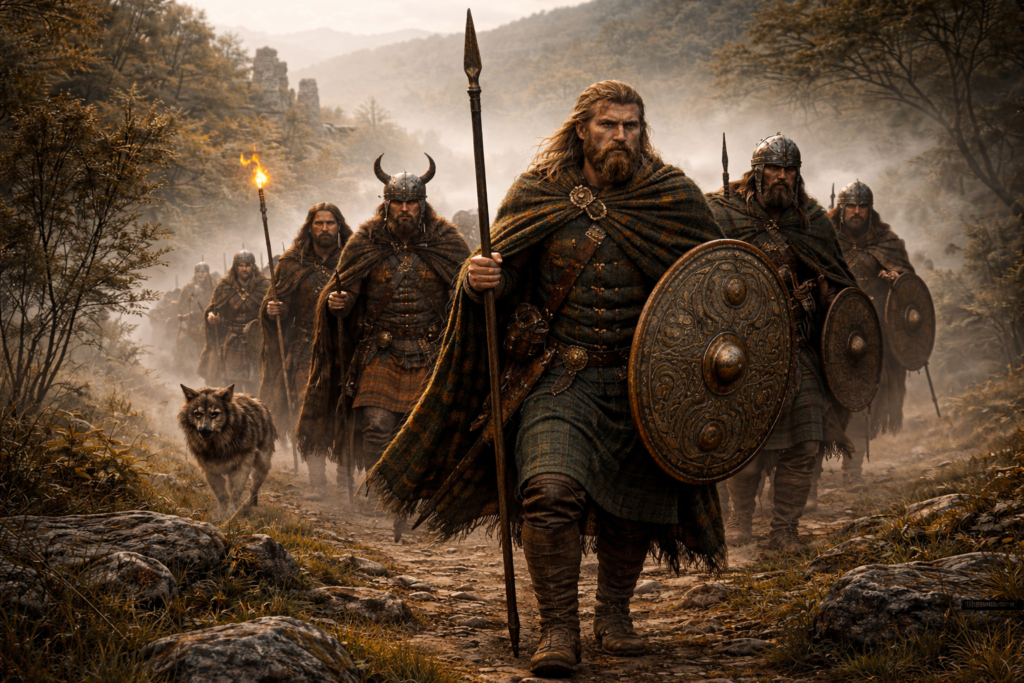
For decades, the movement of Celtic populations across Europe was reconstructed using artifacts, language patterns, and historical interpretation. These methods produced maps that suggested relatively clear directions of migration and cultural expansion. However, advances in ancient DNA analysis are introducing new layers of complexity that were not previously visible. Researchers are now examining genetic material recovered directly from Iron Age remains, allowing them to compare populations across regions with greater precision. As these findings accumulate, they are beginning to challenge how movement, identity, and connection were understood in early Europe, raising new questions about how these societies formed and interacted.
1. DNA evidence reveals surprising Eastern European ancestry.
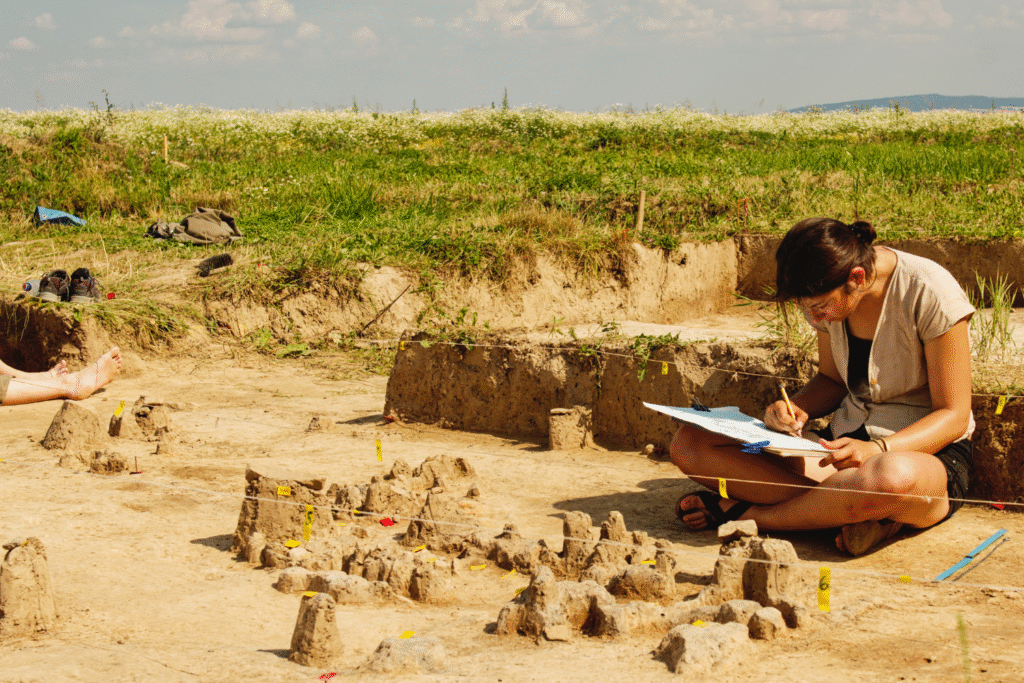
Scientists studying ancient remains found that Celtic warriors shared unexpected DNA connections with people from Eastern Europe, revealing that migration during the Iron Age moved both east and west. This finding contradicts the old belief that Celtic tribes originated only in Western Europe. Genetic analysis of hundreds of skeletons uncovered steppe ancestry within Celtic populations, suggesting long-distance contact and cultural exchange across the continent. This discovery paints the Celts as dynamic and mobile, not confined by geography, according to Nature Human Behaviour 2024. It shows that Europe’s past was far more intertwined than previously understood.
2. Burial sites connect Celtic warriors across vast regions.
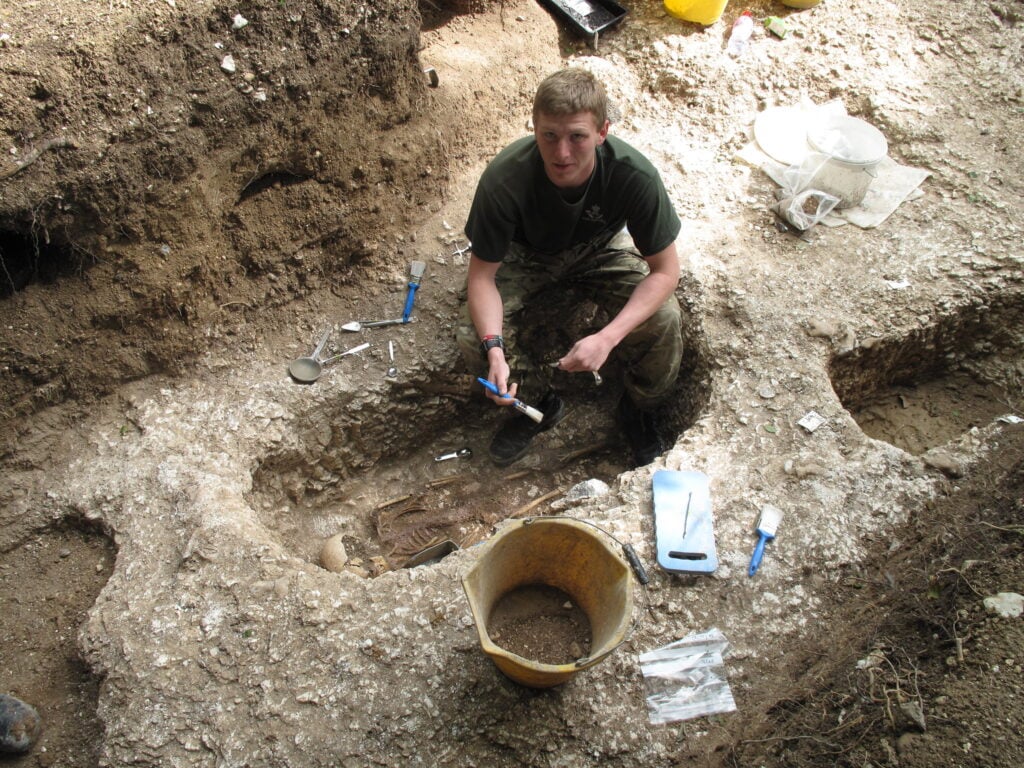
Archaeologists uncovered striking similarities between Celtic burial grounds found in France, Germany, and Austria. Warriors buried thousands of kilometers apart shared the same funeral styles, artifacts, and even genetic fingerprints. DNA from weapons and bone fragments revealed that many of these warriors were related, forming a continent-wide web of kinship. These findings demonstrate that Celtic groups traveled, traded, and fought together more than previously imagined. The consistent rituals and shared ancestry suggest a collective identity across nations, as stated by Science Advances 2024. It changes how historians view the Celts, turning them from isolated tribes into connected societies.
3. Ancient women’s DNA reshapes Celtic social structures.
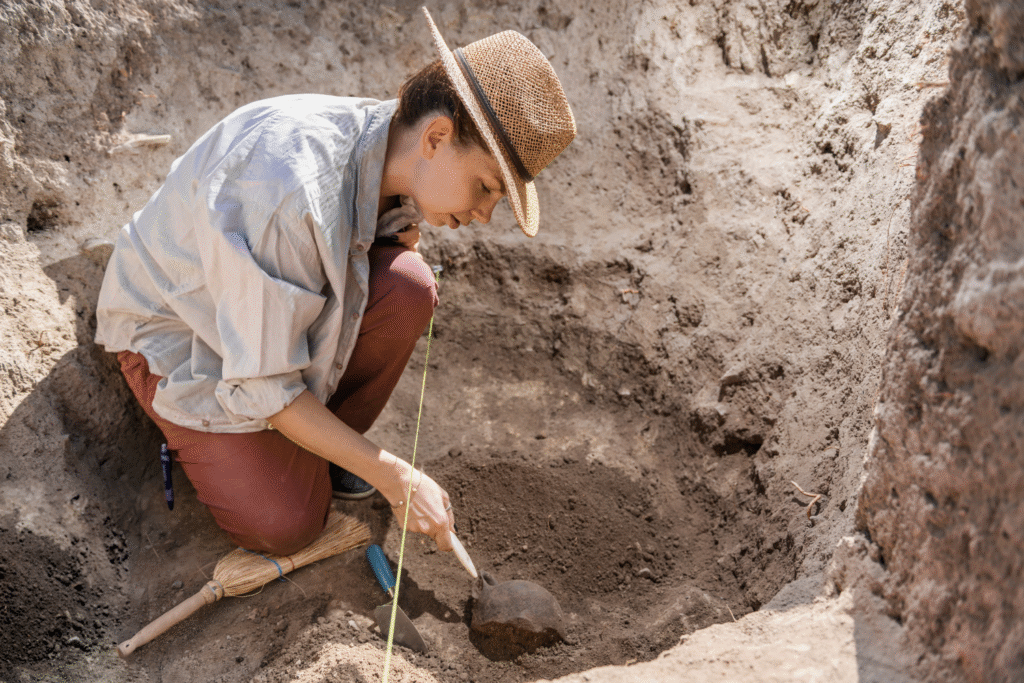
For centuries, researchers believed Celtic societies were dominated by male warriors, but DNA tells another story. Scientists discovered that many high-status burials contained women equipped with weapons and jewelry once thought to be reserved for men. Some of these women had Mediterranean ancestry, suggesting that Celtic tribes built alliances through intermarriage and travel. The discovery reframes ancient gender roles, showing women held political and social influence once overlooked by traditional archaeology. This deeper look at their DNA broadens our understanding of Celtic life, as reported by The Guardian 2024, revealing a more balanced and complex civilization.
4. Migration patterns now suggest cyclical movement, not one-way.
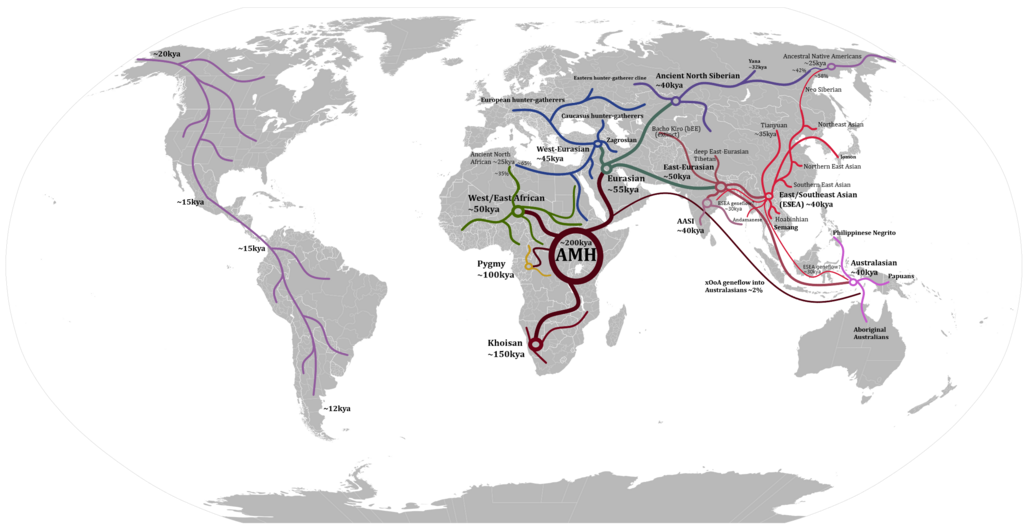
The latest genetic data reveals that Celtic migrations were not a single dramatic event but a series of movements that repeated across generations. Families often left their homelands only to return decades later, blending new traditions with the old. This cyclical migration created an intricate web of ancestry that defines much of Europe today. Instead of static borders or one-directional expansion, Celtic people lived in a constant state of motion, adapting to changes in trade, politics, and survival. Each generation carried memories, rituals, and genetic traces that tied them to both their past and future.
5. Trade networks may have driven genetic mixing among tribes.
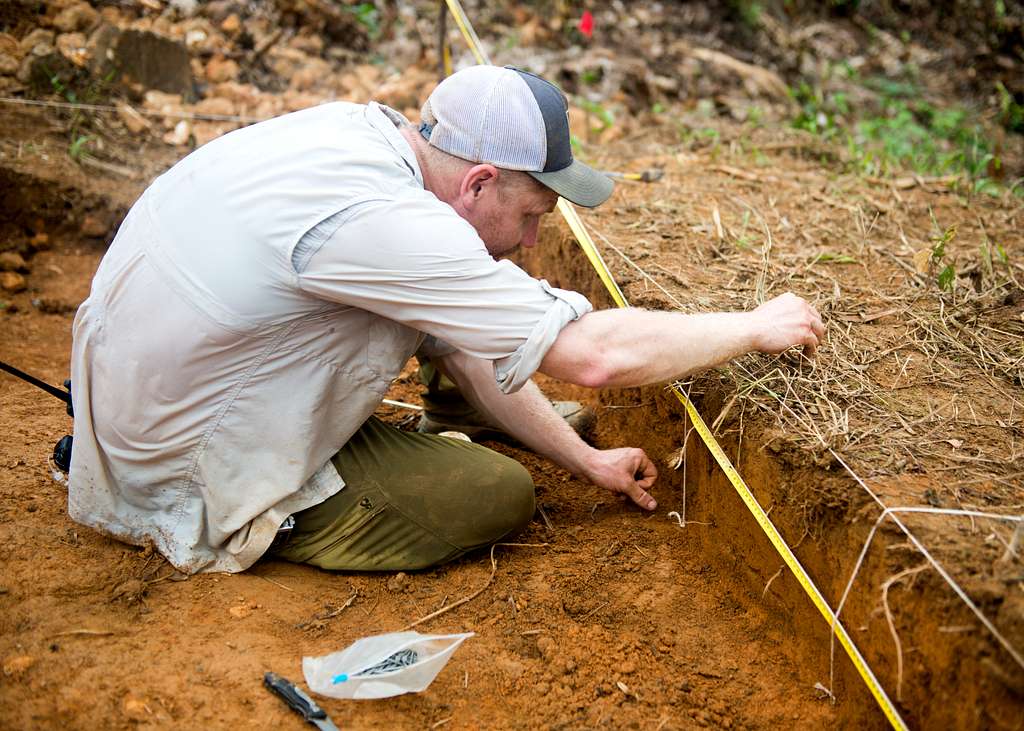
Trade was more than the exchange of goods; it was a channel for migration and kinship. As trade routes stretched from the Mediterranean to Northern Europe, Celtic merchants, artisans, and warriors traveled along them, creating new bonds wherever they went. Genetic evidence shows that populations near trade centers were more diverse, linking inland Celtic communities with distant coastal towns. Amber, tin, and bronze artifacts found in graves mirror these routes, proving trade and migration went hand in hand. Over centuries, these movements wove a vast network of connected people who shared not only wealth but ancestry too.
6. Celtic identity may have been more fluid than fixed.
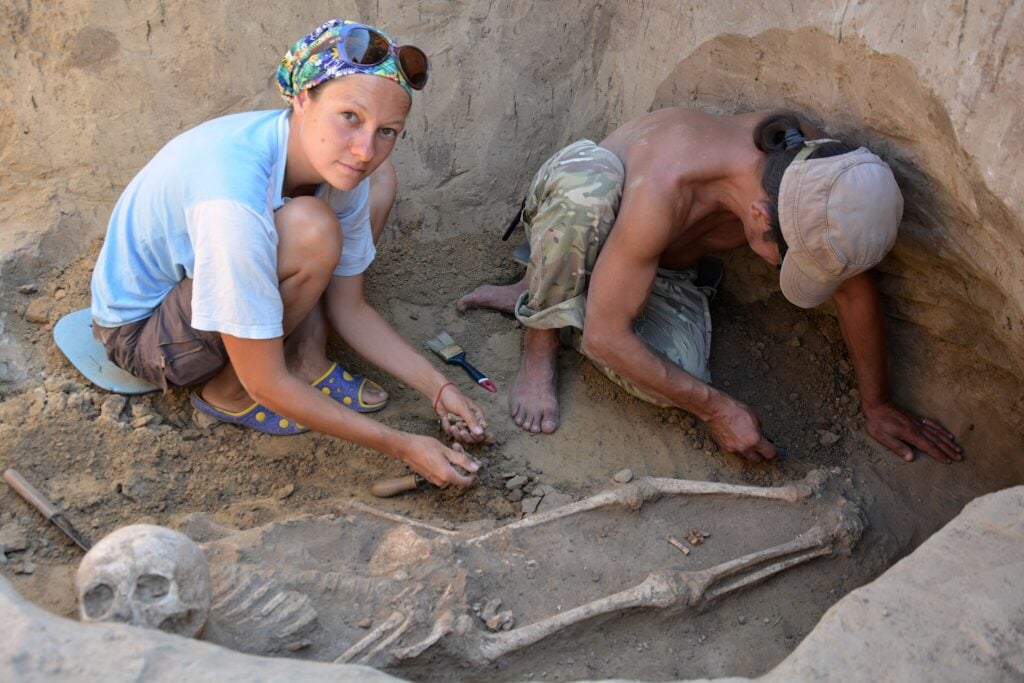
The growing body of DNA evidence suggests that “Celtic” was not a single ethnicity but a shared cultural language adopted by many. Across Europe, people of different genetic backgrounds embraced Celtic symbols, art, and rituals, uniting under a flexible identity. This inclusiveness explains how Celtic influence reached from the British Isles to the Balkans without mass migrations. Identity flowed through exchange, marriage, and shared customs more than through conquest. The Celts appear less as a distinct race and more as a vibrant network of connected societies shaped by interaction rather than isolation.
7. Genetic evidence aligns with shifts in ancient trade metals.
Metalworking played a central role in spreading Celtic culture and genes. As smiths and miners followed the flow of tin and copper, their movements carried technologies and families along ancient trade lines. DNA patterns found near these resource hubs reveal genetic blending that corresponds with the expansion of bronze and iron craftsmanship. Each forge became a meeting point for cultures, turning metallurgy into a force of migration. Over time, this exchange of both tools and DNA helped forge not just weapons but the very foundations of Celtic civilization itself, connecting distant regions through innovation.
8. Linguistic clues find fresh backing in genetic timelines.

Linguists studying Celtic languages have long debated when and how they spread, but now DNA provides an anchor. Genetic clusters found in ancient graves match regions where early Celtic dialects emerged. This overlap suggests that language expansion occurred gradually, following trade and migration rather than invasion. As families moved, their words traveled too, evolving along the same routes that carried metal, art, and ideas. The genetic timelines now give substance to language theories, showing that Celtic speech was born from centuries of connected lives, blending tongues as seamlessly as bloodlines.
9. Celtic migration reshaped the genetic landscape of Britain.
DNA from ancient burials in Britain reveals that the island’s early populations were not isolated but deeply connected to continental Europe. The genetic markers show steady waves of movement across the Channel, creating a continuous flow of people and culture. Instead of being conquered by sudden invasions, Britain’s Celts evolved through generations of exchange with their European counterparts. Artifacts, burial styles, and shared ancestry all point to an enduring bond that shaped Britain’s identity. The island’s Iron Age society was not a frontier but part of a living, breathing Celtic network.
10. Modern Europeans still carry traces of these ancient warriors.

Modern DNA studies reveal that many Europeans still carry the genetic legacy of Celtic warriors. Populations in Ireland, France, Germany, and parts of Spain retain ancestral markers that trace back to the Iron Age. These enduring genes remind us that history lives inside our very cells. Each family line connects to ancient migrations, battles, and alliances that shaped today’s Europe. The Celts may have vanished as a distinct people, but their influence remains imprinted in the DNA of millions, echoing across generations as a quiet reminder of shared origins and enduring resilience.