
Scientists uncover promising new worlds with Earth-like conditions.

The recent announcement from NASA and the European Southern Observatory has electrified the astronomical community, revealing nine new Super Earths orbiting within the habitable zones of their stars. These are not science fiction worlds but real, measurable planets with conditions that could allow for liquid water, the fundamental ingredient for life. The discoveries emerged from refined data using the TESS and HARPS instruments, both known for their precise planet-hunting capabilities. As our telescopes grow sharper, the dream of finding another Earth grows closer, pulling our imaginations into the vast, silent expanse of nearby solar systems.
1. Astronomers confirm nine new Earth-like exoplanets exist.

Scientists working with the TESS mission identified nine planets roughly one to two times the size of Earth, orbiting stars not too different from our Sun. Their placement within habitable zones means that they receive just the right amount of stellar warmth to keep water stable on their surfaces. Researchers say these planets are scattered across nearby systems, each offering a unique snapshot of planetary evolution. As discovered by NASA’s Exoplanet Archive, the detection process relied on subtle dips in starlight caused by orbiting bodies passing in front of their stars, confirming their existence through repeated observations.
2. Several of these worlds could sustain liquid water.

While not all planets are equal, early modeling suggests that at least three of the new Super Earths could maintain oceans or shallow seas. Some may even have mild climates with temperatures ranging from 0 to 40 degrees Celsius, depending on their atmospheres. It’s the presence of potential water that drives researchers to prioritize these candidates for follow-up studies. The discovery reshapes how scientists assess life-friendly environments, moving beyond just distance from a star to include atmospheric density and geological activity, as stated by the European Southern Observatory.
3. Astronomers find one planet surprisingly close to our system.
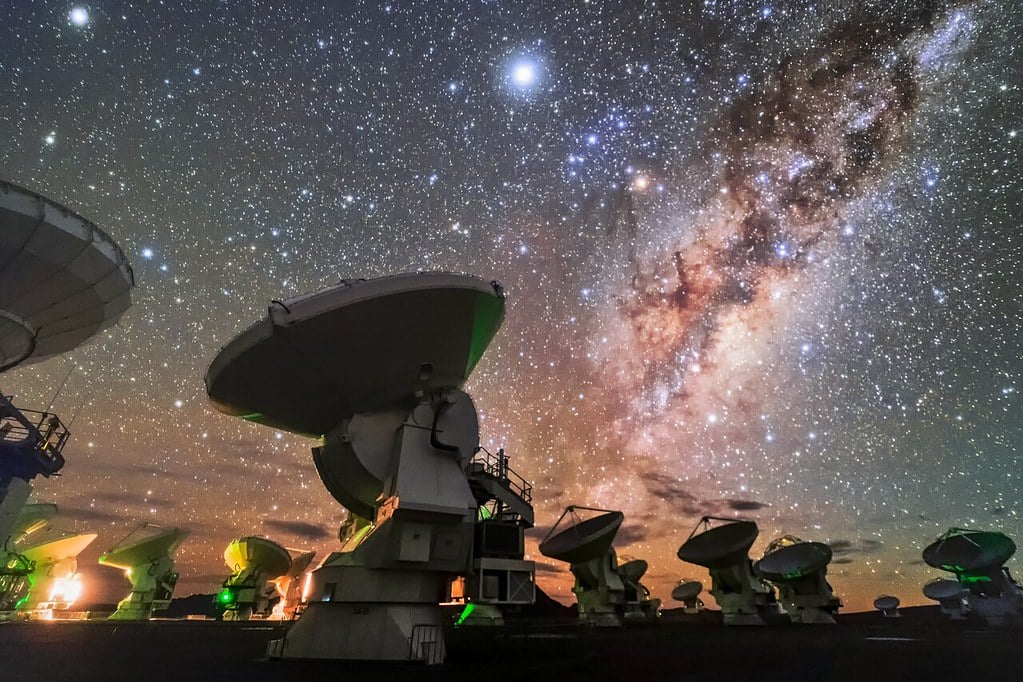
One of the newly confirmed planets, tagged as TOI-715 b, sits only about 137 light-years from Earth. In cosmic terms, that’s practically in our neighborhood. Its sun is smaller and cooler than ours, but that actually increases the odds of a steady, life-sustaining environment. What makes this world intriguing is its orbit, a short 19 days, yet its temperature balance remains moderate due to its dim host star. It’s this unusual pairing that caught scientists off guard, reported by Science Advances, and it’s pushing researchers to rethink the boundaries of habitability altogether.
4. Each discovery hints at how common life could be.

If these nine planets are any sign, then life-friendly worlds might be far more abundant than previously assumed. The more we find planets like these, the more we realize Earth may not be so unique after all. The ratio of habitable-zone planets to total stars keeps climbing as instruments improve, suggesting our galaxy could teem with possibilities. That realization fuels the ongoing debate about intelligent life and whether other civilizations may already exist, quietly orbiting under their suns with their own skies and seas.
5. Advanced telescopes are changing how we see the universe.
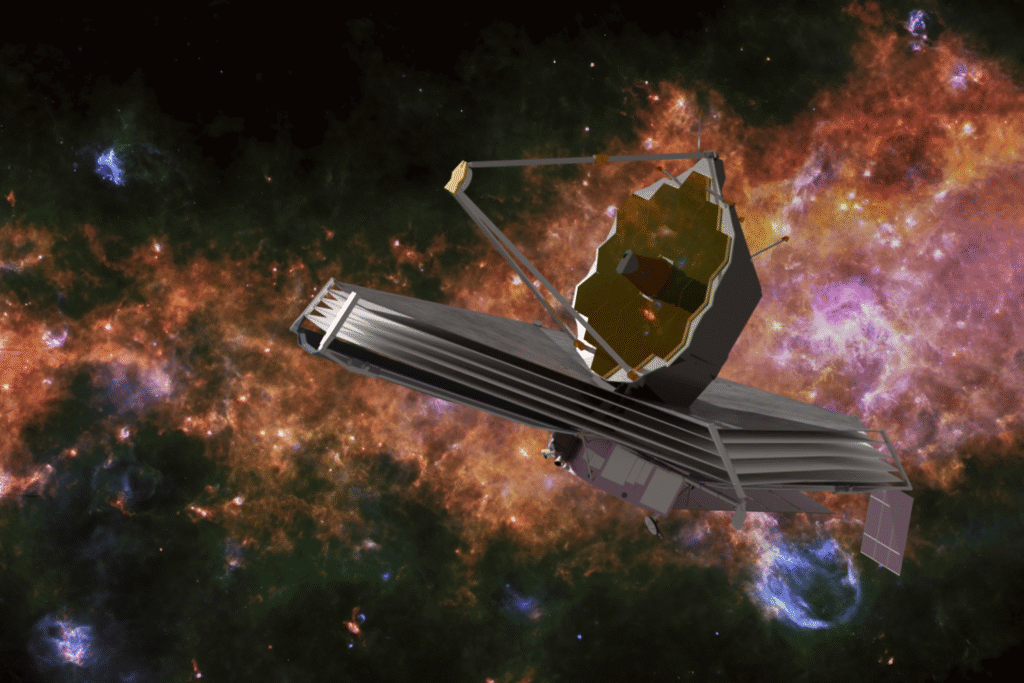
Instruments like the James Webb Space Telescope are allowing astronomers to analyze exoplanet atmospheres directly, searching for hints of carbon dioxide, methane, or water vapor. These chemical traces act like fingerprints, revealing whether a planet’s air could support biological processes. Scientists are no longer just discovering planets; they’re now characterizing them. This shift marks a turning point in space exploration, transforming distant dots of light into worlds with stories and potential ecosystems waiting to be understood.
6. A few of these planets orbit red dwarf stars.

Red dwarfs are small, dim, and long-lived, offering stable energy output for billions of years. Several of the new Super Earths orbit these kinds of stars, which may give them a better chance of long-term habitability. The challenge is that red dwarfs can flare violently, sometimes stripping nearby planets of their atmospheres. Still, scientists believe the balance between danger and opportunity here is worth exploring. It’s a cosmic tightrope walk, one that could reveal entirely new forms of planetary resilience.
7. The discoveries reshape how we define a habitable world.
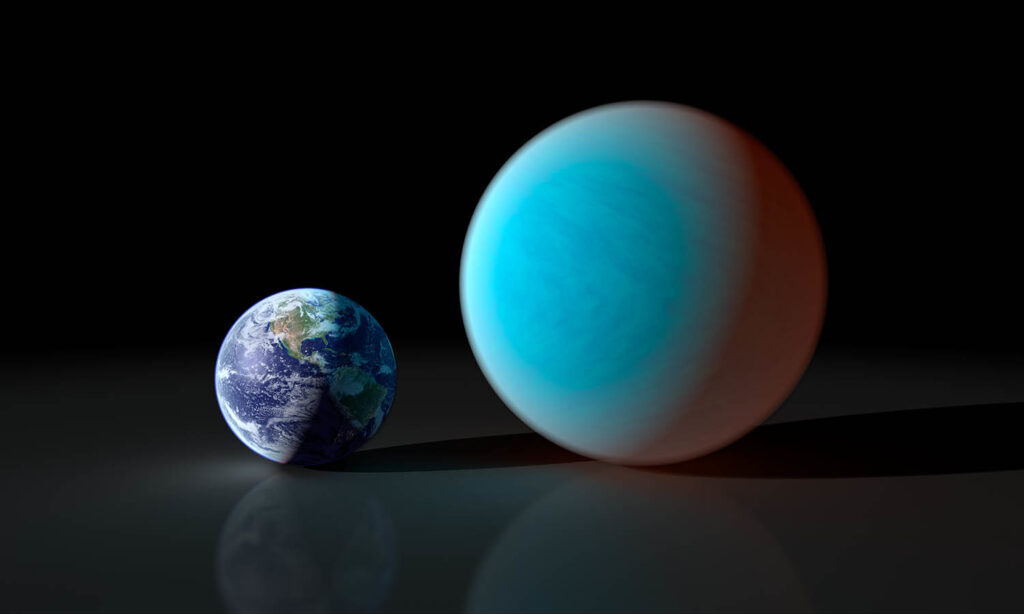
Old models assumed Earth-like temperatures and atmospheres were the baseline for life, but new data suggest adaptability is far broader. Planets with thicker atmospheres or different chemical makeups could support alternative biospheres unlike anything we know. That idea challenges long-held notions of “Earth-like” and expands the search beyond carbon-based templates. It’s as if we’re being reminded that nature doesn’t follow human expectations, and that life might flourish in ways that still defy our imagination.
8. Scientists are preparing robotic missions for deeper analysis.

Plans are already underway to develop robotic probes capable of capturing high-resolution data from these distant planets. While interstellar travel remains out of reach, these missions will refine atmospheric modeling, star mapping, and magnetic field simulations to build virtual portraits of the new worlds. It’s a slower path than a rocket launch, but the data pipeline these projects will create could redefine what we know about planetary chemistry and formation in the next decade.
9. These new worlds reignite humanity’s ancient curiosity.
There’s something deeply human about looking up and wondering who else might be out there. The discovery of these nine Super Earths reminds us that exploration never ends; it only evolves with better tools and deeper questions. Each planet is more than a scientific entry—it’s a symbol of possibility, of how curiosity stretches beyond every boundary we’ve ever known. And somewhere, light-years away, one of those worlds may already be watching back, orbiting quietly in its own circle of life.