
Research-based actions that promote genuine canine joy.

If you’ve ever watched your dog wag its tail, leap into the air or simply sigh while lying beside you, you might wonder what truly makes it happy beyond the basics of food and shelter. Scientists are increasingly uncovering how specific activities beyond just walking or playing, affect canine emotions, well-being and behaviour. Knowing what light-ups your dog’s world helps you design better days, deepen your bond and reduce stress or frustration for your companion. Here are ten activities that science suggests make dogs genuinely happy.
1. Walking outdoors with purpose and company.

When a dog walks in varied terrain, sniffs new scents and engages with the environment it taps into its natural rhythms and curiosity. Studies show dog walking boosts physical activity and mental stimulation for both dog and owner, as discovered in a cross-sectional study of dog-owner wellbeing. That means a simple walk isn’t just exercise it’s connection, exploration and enrichment rolled into one.
2. Engaging in playful interaction that challenges and stimulates.

Interactive play triggers emotional and cognitive responses in dogs according to research on dog behaviours, with increased mental focus, attention and positive arousal as reported by studies. When you toss a toy, hide it, or invite chase you provide more than fun you provide engagement, learning and fulfilment for your dog’s brain and body.
3. Having consistent routine and reliable expectations in daily life.

Dogs thrive when they know what to expect, feeding, walks, rest and human interaction at predictable times. Behavioural research highlights that dogs with stable routines show fewer stress signals and adapt better to daily changes. A predictable rhythm gives your dog comfort, confidence and the chance to fully enjoy the moments you share.
4. Exploring novel scents, surfaces and environment together.
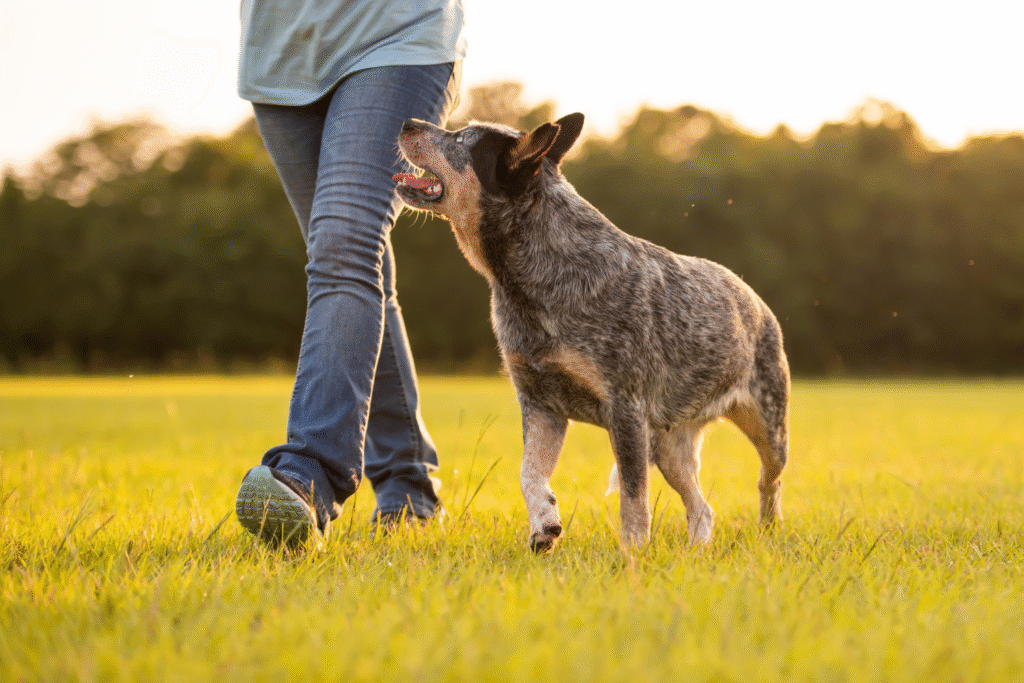
Introducing your dog to new places, parks, trails, different flooring, textures, adds layers to its world and keeps boredom at bay. Curiosity is built in and sniffing, running, navigating new terrain recalibrates your dog’s mental landscape. By sharing those explorations you’re giving them richer, happier experiences.
5. Providing structured training that builds confidence and cooperation.

When your dog learns new behaviours, succeeds at tasks or masters commands it doesn’t just behave, it feels competent. Training is often mistaken for obedience drills, but it’s really about communication, trust and cognitive engagement. By committing to structured training you give your dog purpose and closeness beyond leash-walks.
6. Offering downtime in calm, safe spaces for rest and reset.

After activity comes rest and dogs need both to thrive. A designated quiet zone, comfy bed and uninterrupted downtime give your dog the chance to relax, reset and recharge. Happiness for a dog isn’t only about adrenaline, it’s about balance, with serene pauses following action.
7. Sharing human interaction that is patient, present and affectionate.

When you’re fully focused, eye contact, soft voice, gentle touch, your dog absorbs the attention as part of its emotional world. Mutual gaze between humans and dogs boosts bonding hormone levels and deepens closeness. By being fully present you’re offering the kind of connection dogs crave.
8. Engaging in social contact with other friendly dogs in favourable settings.

Dogs are social by nature and positive encounters with other dogs build their social skills, confidence and enjoyment. Well-supervised play dates, visits to dog-friendly areas and safe group activities give your dog opportunities to behave naturally among peers and thrive socially.
9. Letting your dog make choices and express natural behaviours.

Allowing your dog small degrees of freedom, choosing walking direction, deciding when to explore, engaging with objects, respects its autonomy and instincts. Research underscores the importance of control and agency for wellbeing. When your dog feels it has a say in what happens they are more relaxed, confident and genuinely content.
10. Managing stress in you and your surroundings so your dog stays relaxed.
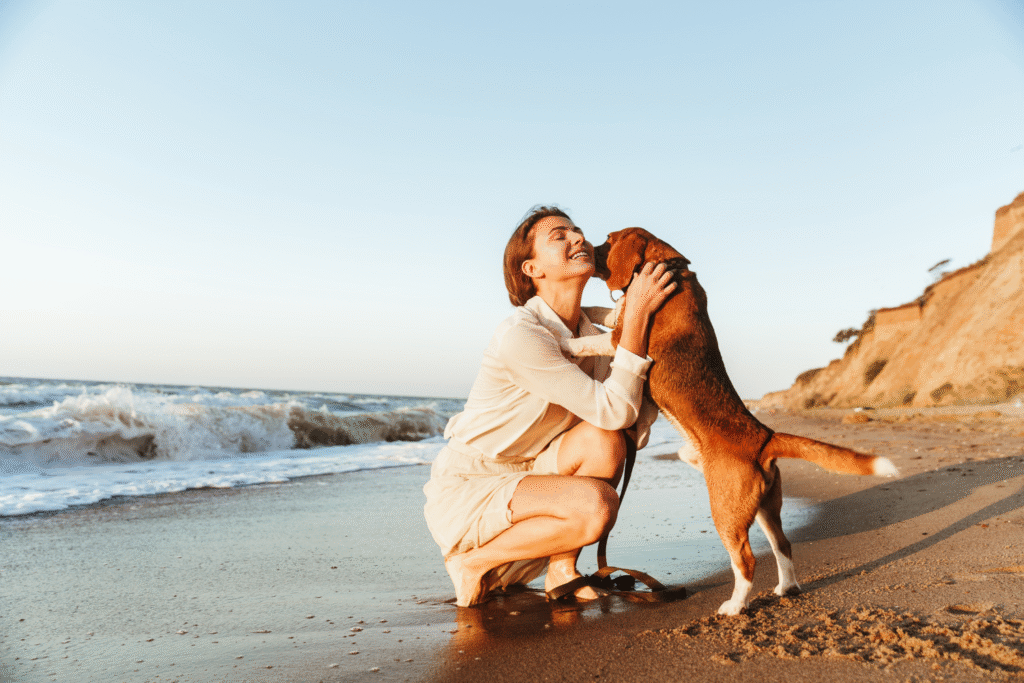
Dogs mirror our emotional states and stressful environments impact them. Studies find that dogs exposed to human stress signals show increased anxiety and cautious behaviour. By regulating your own mood, providing structure and calm you enhance your dog’s happiness. Your emotional environment becomes part of their happiness equation.