
Experts outline how global chaos unfolds hour by hour.
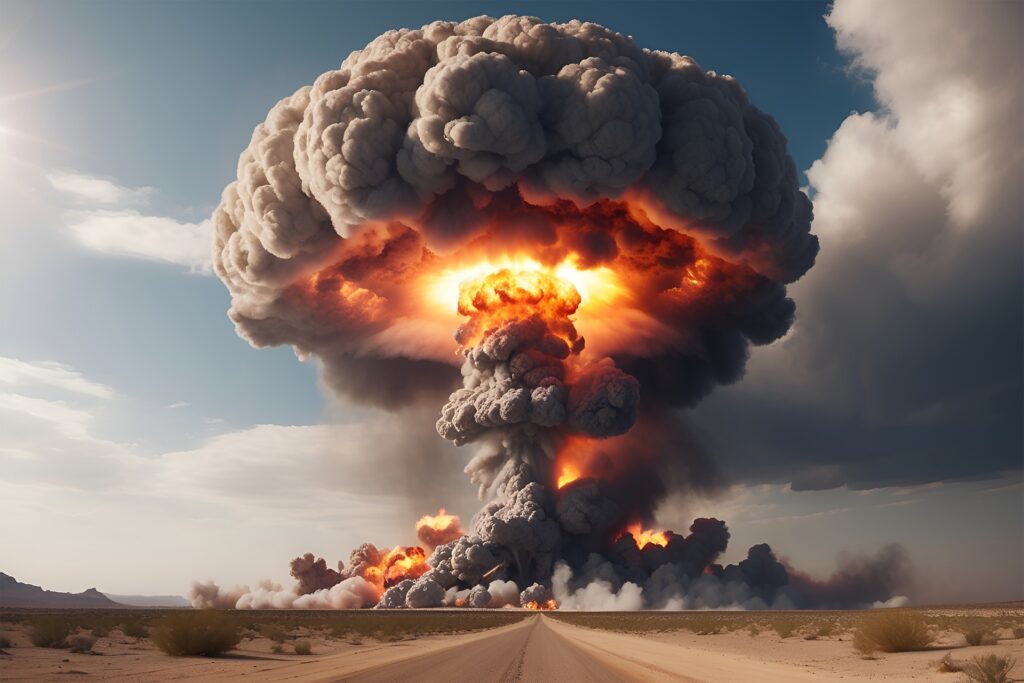
The first day of nuclear war would not play out like a movie. It would be faster, quieter, and far more calculated than most imagine. Within minutes, global communications would fracture, cities would burn, and entire nations would lose their sense of order. Defense networks built to prevent the unthinkable would instead activate it, locking humanity into a chain of events that no one could control. Scientists and military analysts have modeled this scenario for decades, hoping to understand how fragile civilization truly is. Here’s how those first 24 hours might really unfold if the unthinkable began.
1. Alarms would sound within seconds across defense networks.
The opening moments of a nuclear exchange would begin with radar alerts and satellite flashes. Early-warning systems from the United States, Russia, and China are designed to detect missile launches within seconds, sending automated signals to command centers. At this stage, no one has yet pressed the retaliatory button, but the world is already holding its breath. The U.S. Space Force and NORAD have confirmed that their sensors can track a launch within thirty seconds of ignition, according to the Federation of American Scientists. Those seconds would decide everything that follows.
2. Command centers would scramble to verify incoming threats.

Before retaliation, national leaders would need confirmation that an attack is genuine. False alarms have nearly triggered launches in the past, making verification critical. Analysts in underground bunkers would assess missile trajectories, potential decoys, and source data from multiple satellites. The process would unfold in frantic minutes while communication lines buzzed between Washington, Moscow, and Beijing. As stated by the RAND Corporation, most nations have less than fifteen minutes to decide between peace or annihilation. By then, radar screens would already show paths of destruction stretching across continents.
3. Major cities would vanish under fire within fifteen minutes.
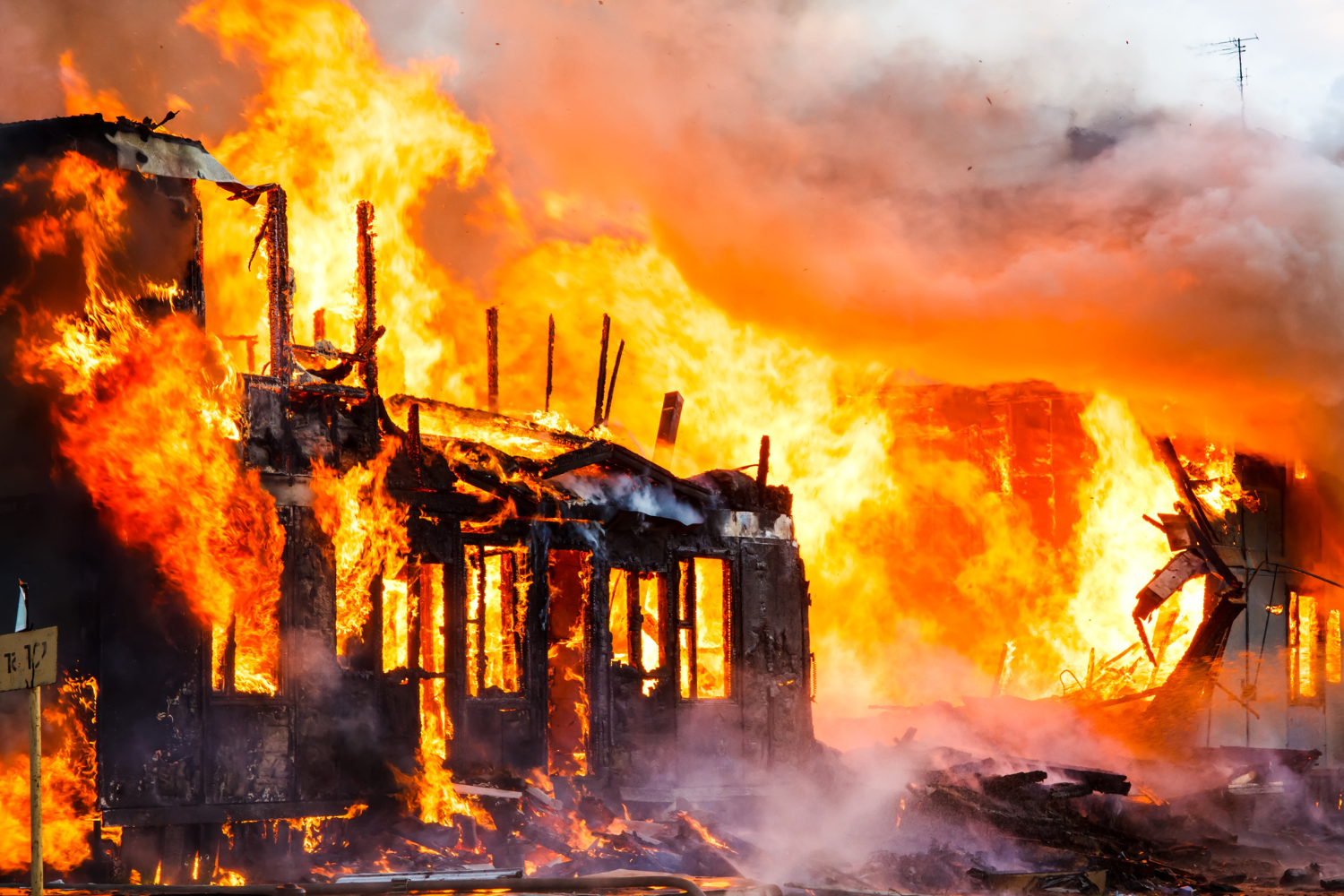
If full-scale war erupted, urban centers like Washington, Moscow, and Beijing would be targeted first. Analysts estimate hundreds of missiles could reach their destinations within a quarter hour. Detonations would vaporize entire districts and ignite firestorms visible from orbit. As reported by the Bulletin of the Atomic Scientists, the thermal radiation from even a single modern warhead could kill millions instantly. Infrastructure would melt, hospitals would vanish, and survivors would be left in a blinding silence broken only by distant wind and collapsing stone. The modern age would end in less than an hour.
4. Electrical grids and satellites would fail almost instantly.
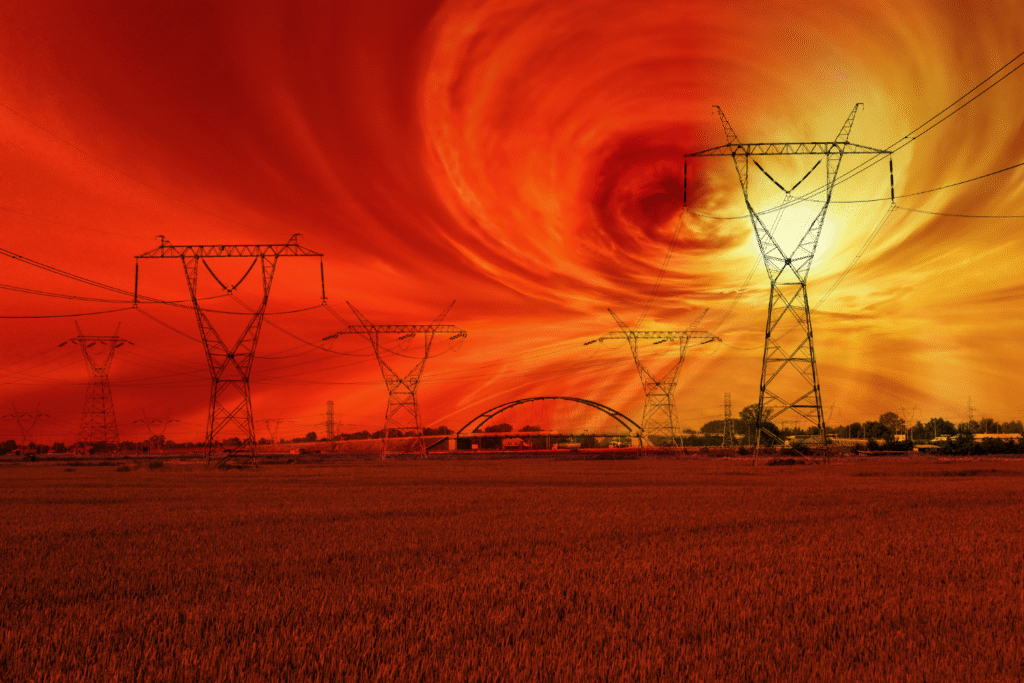
High-altitude explosions would generate electromagnetic pulses capable of disabling power systems across thousands of miles. Lights would flicker once, then die for good. Communication satellites could be fried by radiation bursts, leaving phones and internet useless. Planes in the air would lose navigation, and financial systems would freeze in chaos. What remains would be analog—radio signals, old batteries, and handwritten messages. Civilization would shrink in real time as the world went dark, disconnected not by choice but by force.
5. Nuclear fallout would spread across entire regions.
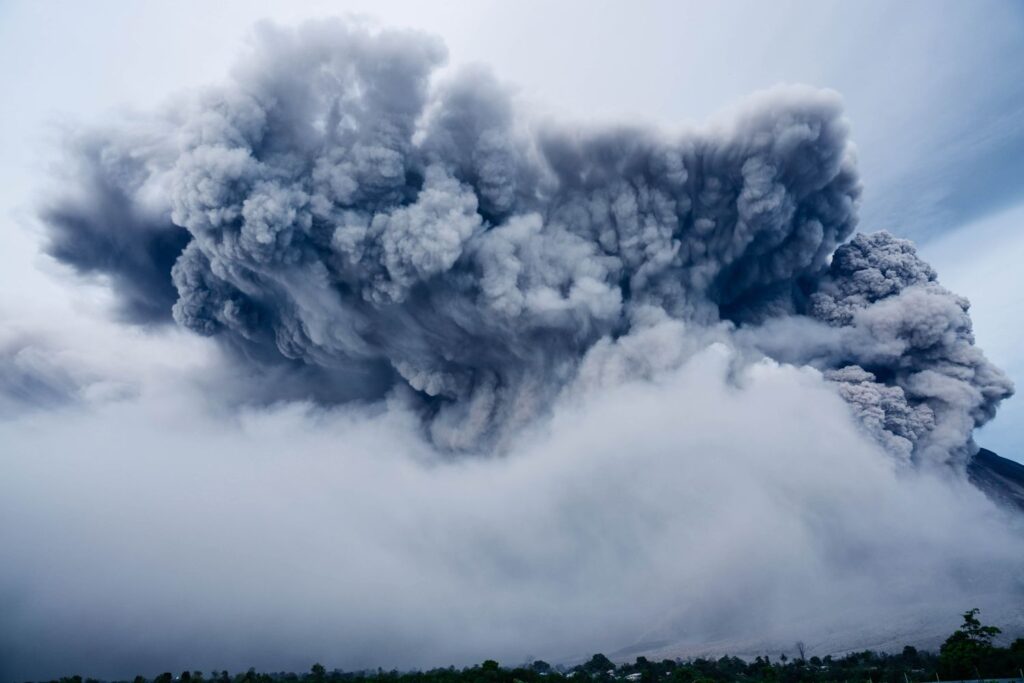
After the initial detonations, fallout clouds would drift through the atmosphere, carried by winds into rural areas and neighboring countries. Radioactive ash would blanket everything, turning farmlands into toxic deserts. Rain would mix with debris, poisoning rivers and lakes. People who survived the initial blast would face radiation sickness within hours. Emergency shelters would overflow, and rescue operations would halt. The line between safe and lethal would become impossible to see, and every breath outside would carry invisible danger.
6. Governments would lose control faster than expected.
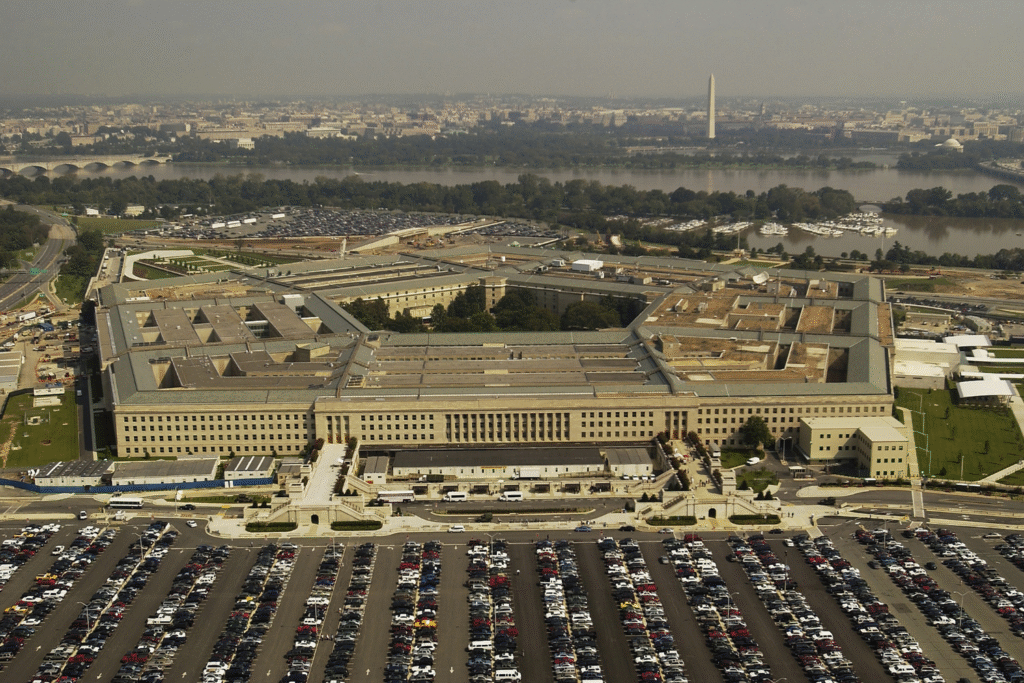
In the chaos that follows, leadership structures would fracture. Command bunkers could survive, but communication with civilians would break down almost immediately. Martial law would be declared where possible, though enforcement would depend on surviving forces. Rumors would replace orders, and panic would fill the void left by collapsed communication. Governments might still exist on paper, but in practice, authority would dissolve into scattered survival efforts and military isolation zones. The idea of a functioning state would evaporate overnight.
7. Mass evacuations would turn into impossible escapes.

Roads leading out of targeted areas would jam within minutes. Highways would become parking lots of desperation as fuel supplies vanished and bridges failed. Public transportation systems would be useless, and air travel would be grounded. Those who left early might reach safety, but most would not. Fallout patterns would shift unpredictably, trapping evacuees in deadly zones. The illusion of safety would fade fast, replaced by confusion and exhaustion under a darkened, ash-filled sky that offered no direction home.
8. Military retaliation would escalate far beyond control.
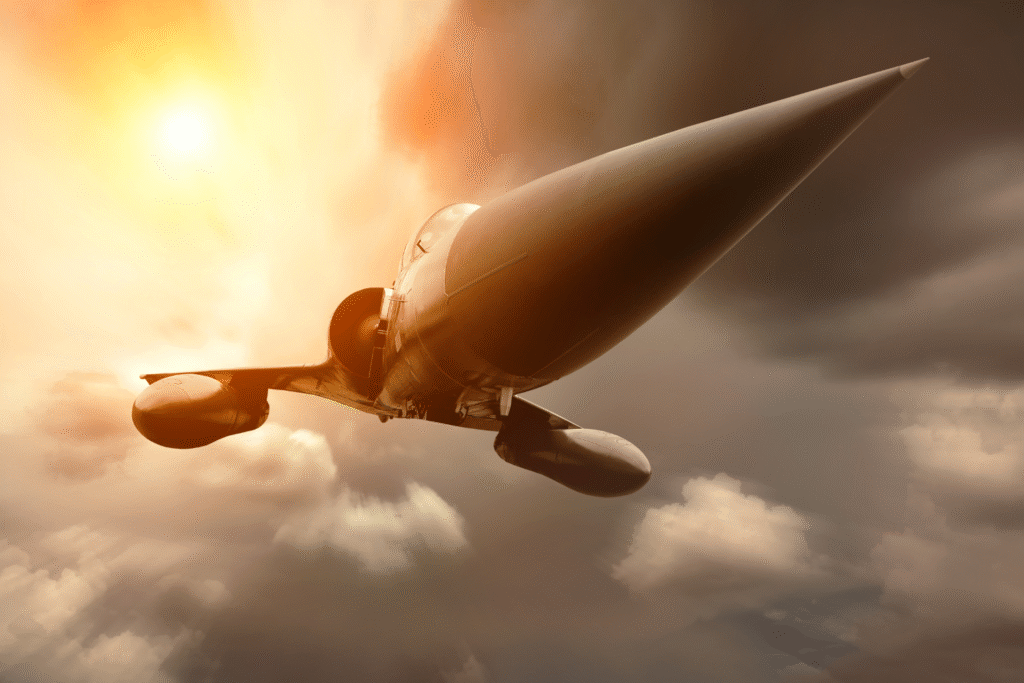
No side would stop after the first strike. Automated systems and predetermined launch protocols would ensure continued retaliation even if leadership perished. Submarine-based warheads would join the conflict, striking remaining population centers and bases. Within hours, the globe would be dotted with mushroom clouds, each triggering the next in a cascade of mutual destruction. Attempts to negotiate would fail, not because no one wanted peace, but because no one could communicate it through the static and ruin.
9. The next phase would bring nuclear winter to Earth.
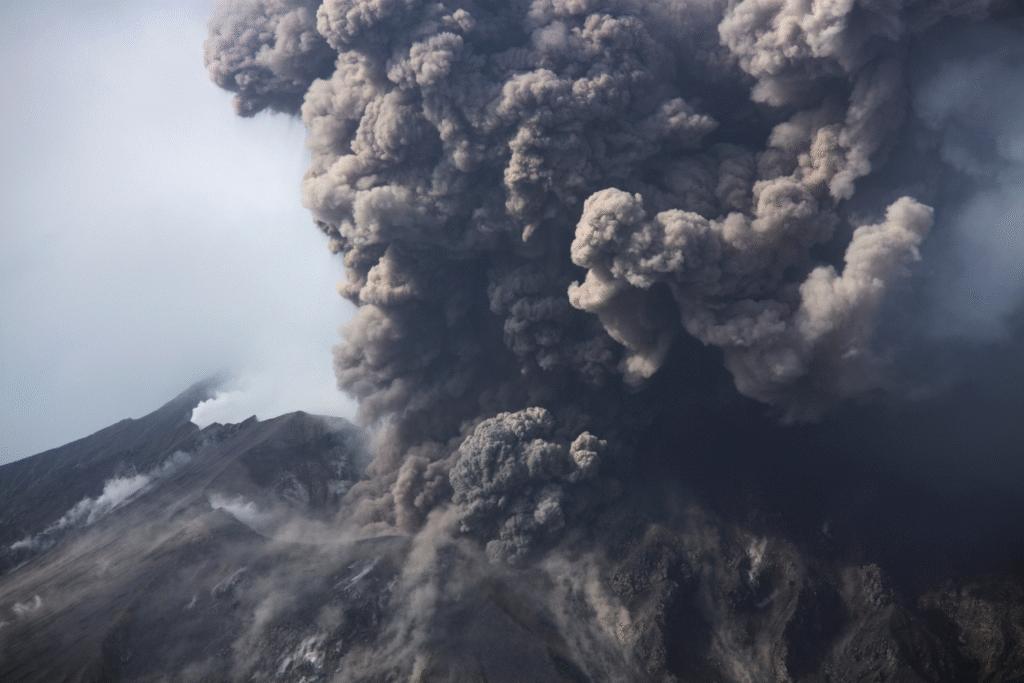
Ash and soot would rise into the stratosphere, blocking sunlight across the globe. Temperatures would plummet, crops would fail, and ecosystems would collapse. Even regions untouched by explosions would face starvation within months. Scientists estimate global cooling could persist for a decade, reducing sunlight by half and transforming the planet into a dim, frozen world. Daylight would fade to twilight, and the seasons would blur into endless gray as humanity struggled to survive its own creation.
10. Civilization’s remnants would emerge into a changed world.
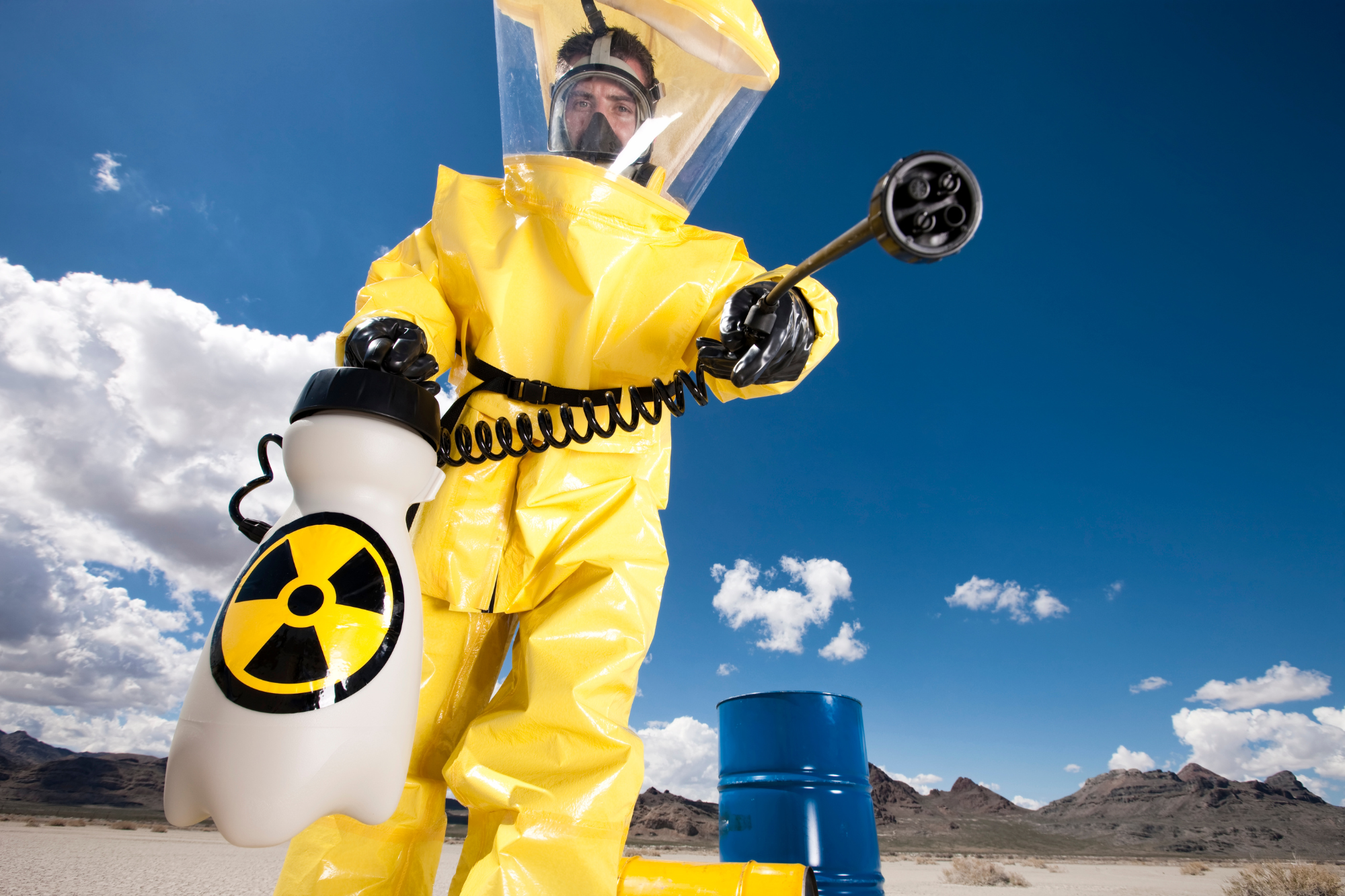
By the twenty-fourth hour, the survivors would face a planet unrecognizable from the one they knew. Cities would glow faintly with radioactive fire, while skies rained ash. Borders, economies, and politics would cease to matter. What remained would be small groups seeking warmth, food, and shelter. The future would belong not to nations, but to whoever could endure the long silence that followed. The first 24 hours would end—but humanity’s struggle to reclaim meaning from the ashes would only just begin.