
The storm’s strength tested an already weary nation.
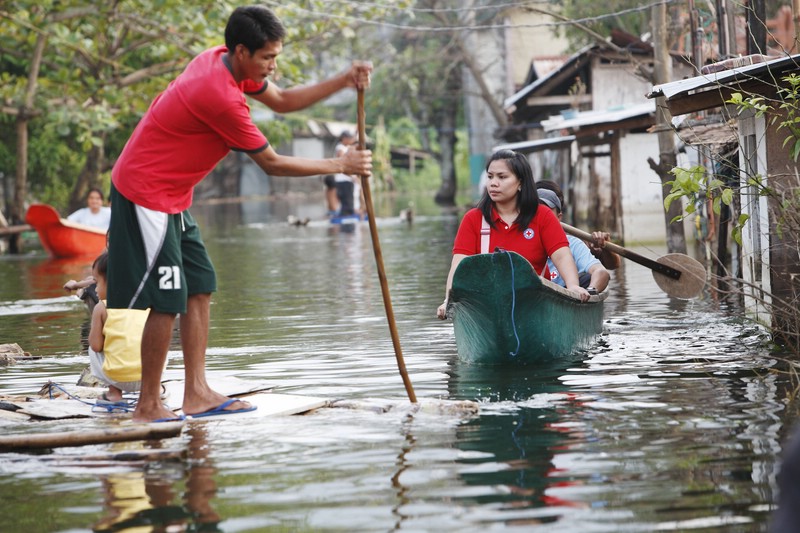
Typhoon Fung Wong made landfall in the Philippines with unrelenting power, forcing over a million people to flee their homes. As the 21st storm of the year, it struck a country already stretched thin from back-to-back typhoons. Evacuation centers filled across Luzon and the Visayas, as fierce winds, torrential rain, and surging tides swept through cities and coastal villages. Flights were canceled, roads vanished beneath floodwater, and power lines fell in the wind’s fury. Amid the chaos, stories of quick-thinking communities and quiet heroism revealed the unbreakable resilience that has long defined the Filipino spirit.
1. Mass evacuations moved entire coastal communities to safety.
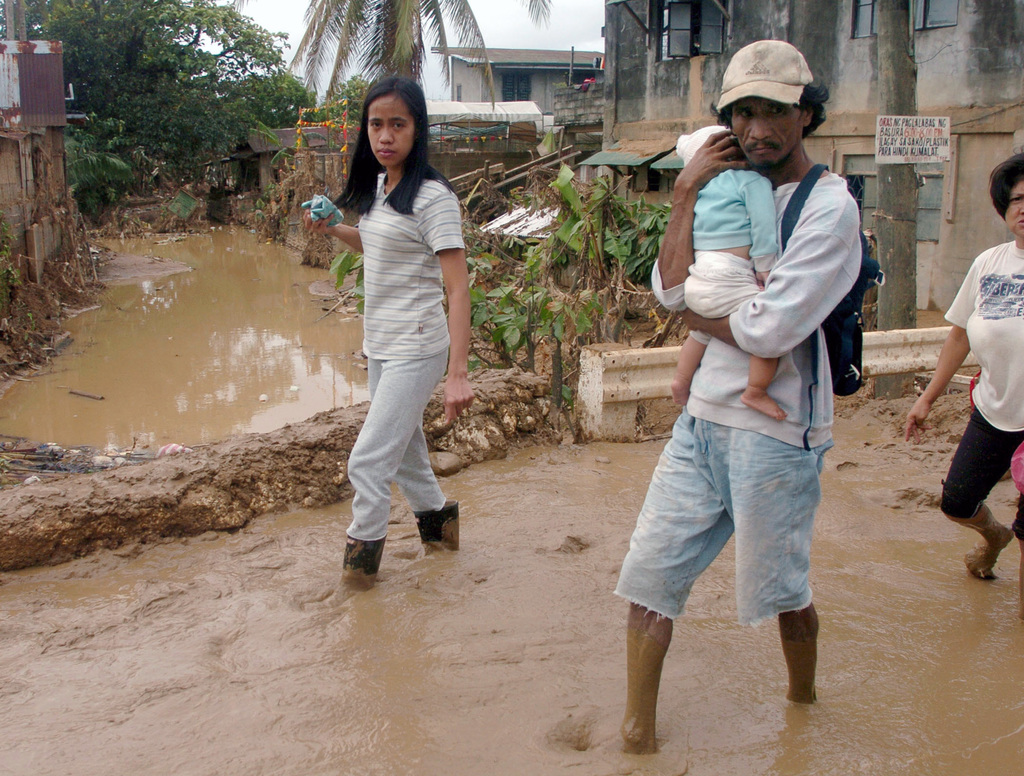
In a sweeping national effort, more than 1.2 million people were evacuated ahead of Typhoon Fung Wong’s landfall. Government agencies and local leaders coordinated fleets of buses and boats to move residents from flood-prone areas into safer ground. According to The Guardian, it marked one of the largest evacuation operations in recent years. Evacuees filled schools, churches, and municipal halls, many clutching only what they could carry. The speed and scale of the mobilization reflected both experience and exhaustion—a country that has learned to act fast when the skies begin to turn violent, as stated by The Guardian.
2. The storm’s winds tore through northern Luzon provinces.
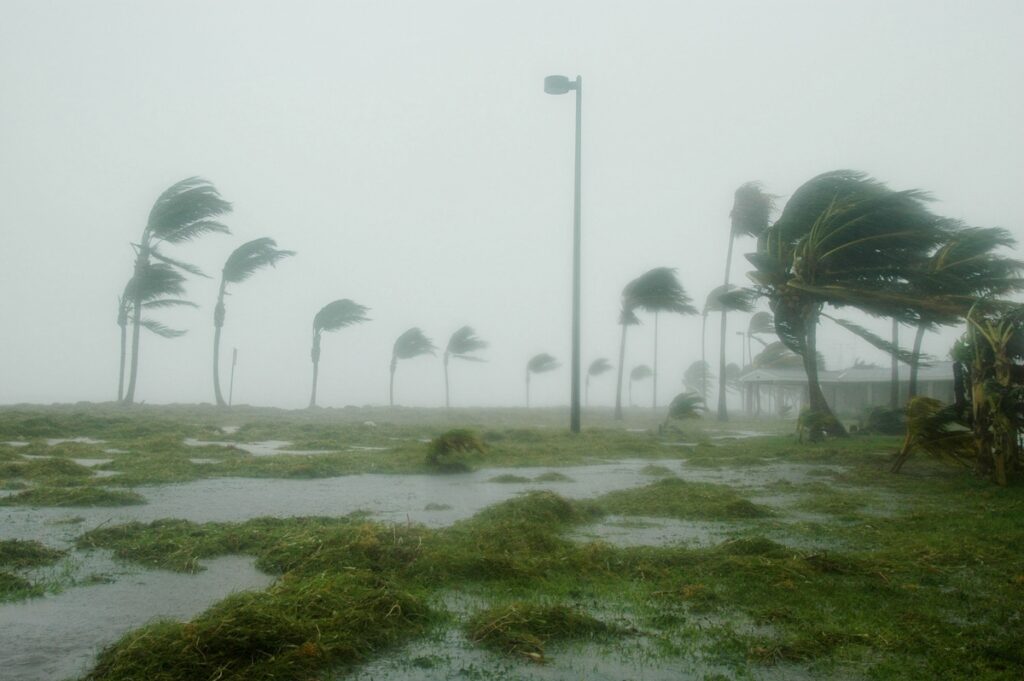
When Typhoon Fung Wong reached land, it slammed into northern Luzon with sustained winds reaching 185 kilometers per hour and gusts close to 230. Entire power grids collapsed, roofs peeled from homes, and trees bent like twigs in the storm’s wake. Emergency crews battled driving rain to rescue trapped families, their efforts complicated by blocked roads and rising water. The storm’s massive reach covered nearly two-thirds of the country, cutting through multiple regions in just hours before moving toward the West Philippine Sea, as reported by National Geographic Weather Watch.
3. Experts warned it could be the most destructive storm this year.
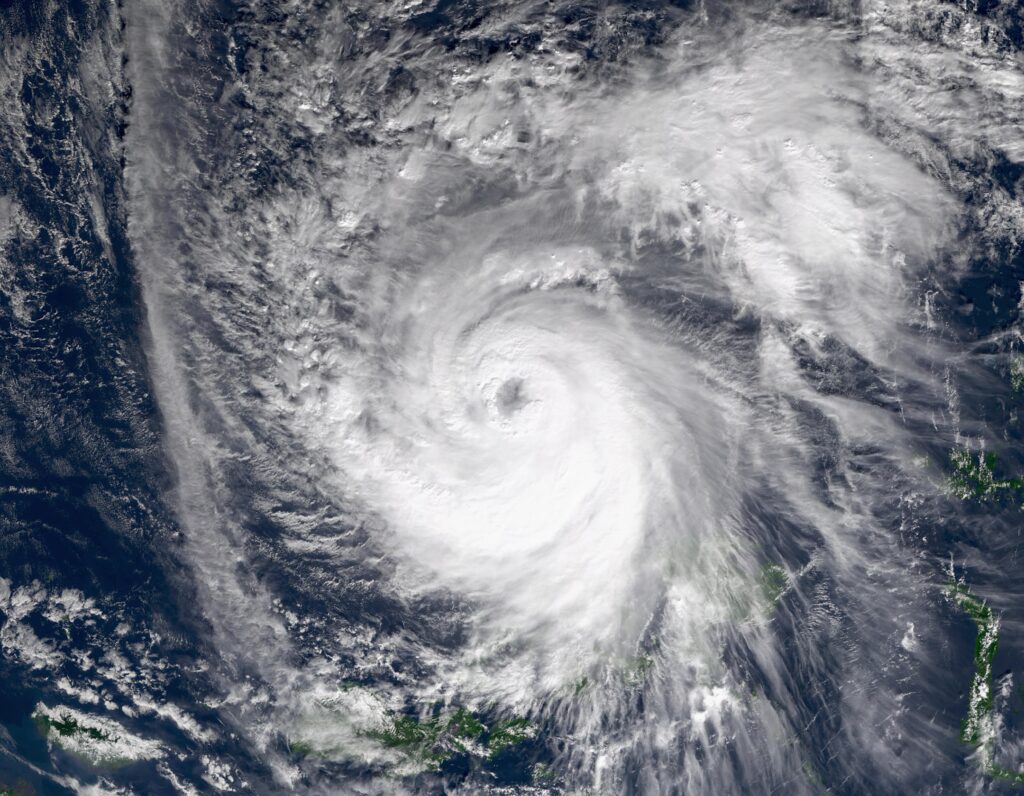
Meteorologists from the Philippine Atmospheric, Geophysical and Astronomical Services Administration (PAGASA) said Fung Wong rapidly intensified over the Philippine Sea before slamming into land. Many experts called it the strongest storm to hit the region in 2025 so far, with rainfall so heavy that even inland areas were submerged. Floodwaters rose quickly, submerging entire neighborhoods and sweeping vehicles away. The Associated Press noted that the damage was compounded by the saturated ground left behind from earlier storms, creating perfect conditions for landslides and overflowing rivers, as discovered by the Associated Press.
4. Shelters overflowed as families braced through the night.

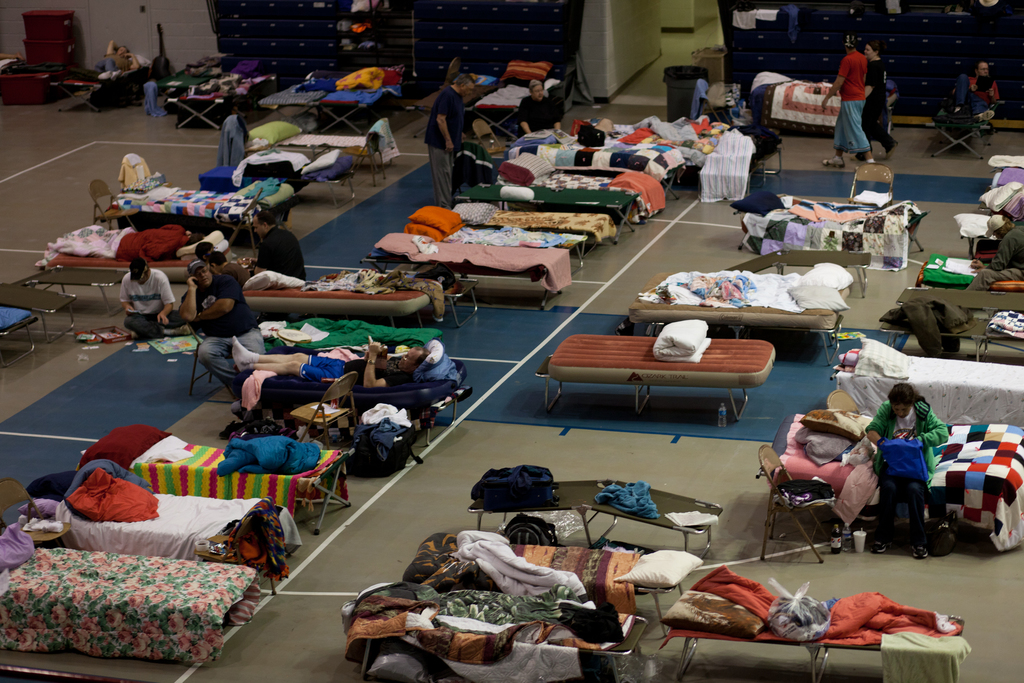
Inside overcrowded evacuation centers, thousands of families huddled together as fierce winds battered the walls outside. Volunteers served hot meals while medical teams tended to the elderly and children. Some centers lost power midway through the night, forcing people to rely on flashlights and battery-powered radios. Despite the fear, there was solidarity—neighbors comforting neighbors, strangers sharing blankets and stories. As the rain hammered the rooftops, the atmosphere inside was part anxiety, part endurance, bound by the hope that the morning would bring calm skies again.
5. Flights and sea travel were completely shut down.

Airports across Luzon suspended operations, grounding domestic and international flights. Seaports followed, halting ferries and fishing boats across eastern waters. Thousands of travelers were stranded, sleeping on terminal floors as transportation halted nationwide. While frustrating, the shutdowns likely saved lives by keeping vessels and planes out of deadly conditions. Officials said the decision was guided by lessons from previous disasters, emphasizing that delaying travel was far safer than risking movement through the storm’s unpredictable path. Across the country, stillness replaced motion as the winds howled outside.
6. Entire towns lost power before sunrise hit.
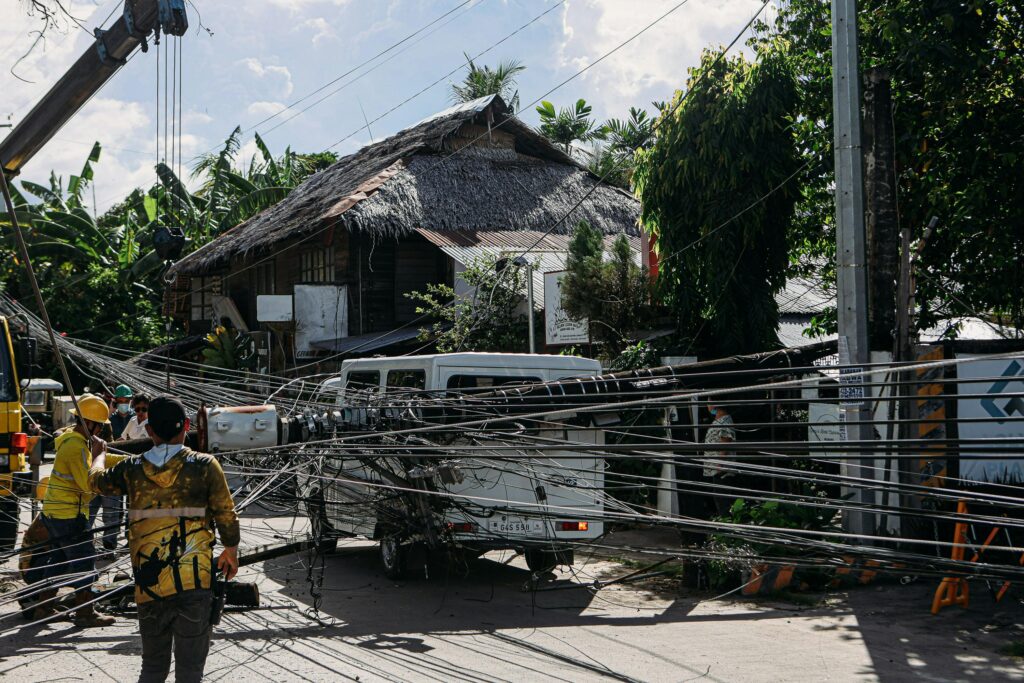
As night deepened, electricity cut out across dozens of provinces, plunging towns into darkness. Power lines snapped like cords, and transformers sparked against the storm’s fury. Communication networks collapsed, making it difficult for rescuers to coordinate. Families relied on candlelight and phone flashlights while officials struggled to assess the extent of the damage. The silence between gusts carried a tense weight. For many in rural areas, that isolation was the hardest part—knowing the world was out there, but unreachable until morning came.
7. Floods swallowed entire neighborhoods within hours.
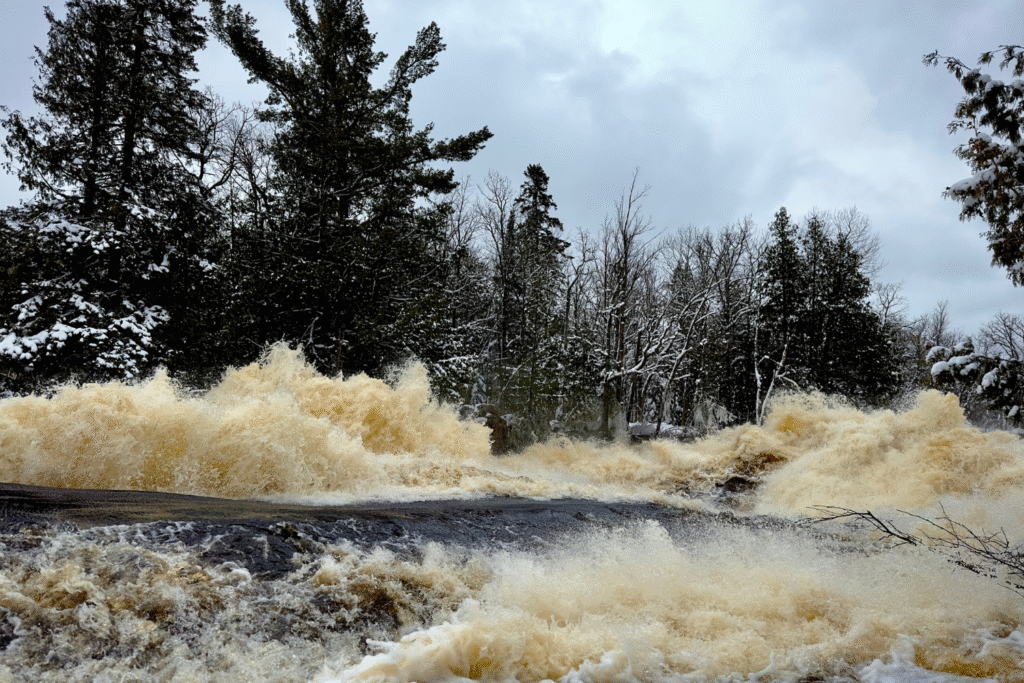
By dawn, entire villages were under water. The combination of torrential rain and storm surge turned streets into rivers, sweeping away debris, vehicles, and livestock. In some coastal towns, waves crashed inland with a power that flattened houses near the shore. Rescue boats zigzagged through submerged streets, pulling people from rooftops and trees. Even inland communities faced overflowing rivers that broke through their banks. As the floodwaters rose, volunteers formed human chains to pass supplies and lift children to safety, embodying the resilience that defines communities during the harshest storms.
8. Relief teams battled landslides and blocked roads.
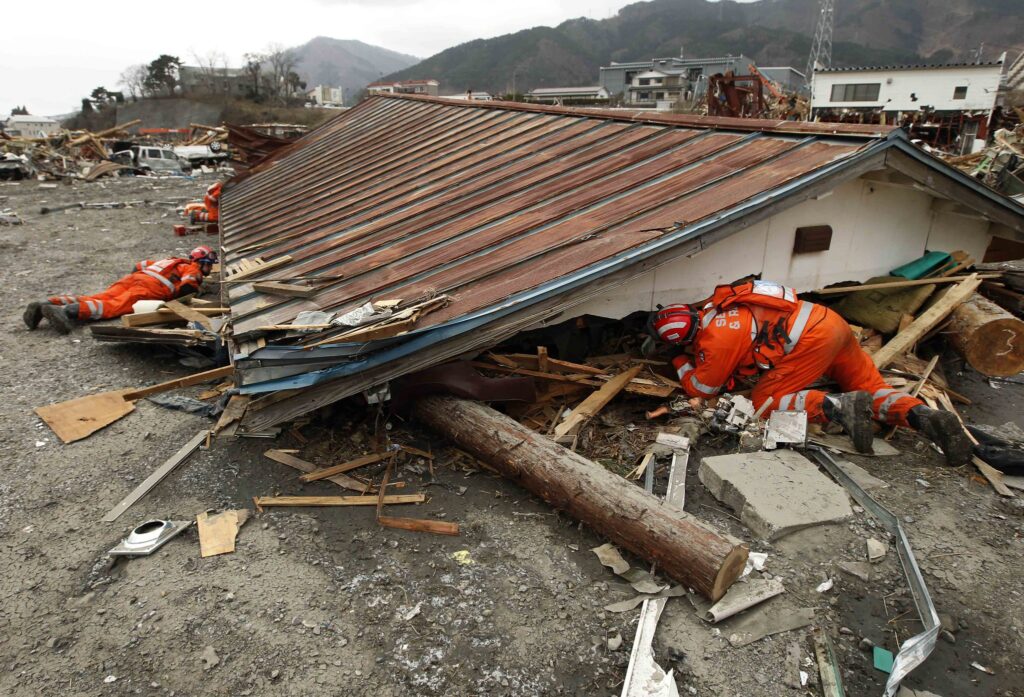
In mountainous areas, the combination of saturated soil and heavy rainfall triggered dozens of landslides that buried roads and cut off access to remote villages. Rescue teams carrying shovels and chainsaws worked through treacherous conditions to reach stranded families. Military units joined local responders to airlift food and medical supplies into inaccessible areas. Each cleared road felt like a small victory, but the work was far from over. The storm’s aftermath became a race against time, with every cleared path opening another chance to bring help where it was most needed.
9. Millions faced shortages of food and clean water.
In the aftermath, communities struggled with basic needs. Power outages crippled water systems, and food stocks dwindled as deliveries were delayed. Relief agencies set up mobile kitchens and distributed purified water, but logistics remained a challenge. Hospitals relied on generators while volunteers transported supplies by foot or small boats. For many families, the return to normalcy seemed distant, with homes damaged, schools flooded, and livelihoods disrupted. Still, hope persisted in the rhythm of rebuilding—each shared meal, each delivered supply, a quiet act of defiance against despair.
10. Recovery now depends on global aid and resilience.

As skies finally cleared, the scale of destruction became visible—entire regions scarred, power grids destroyed, and countless families displaced. The government declared a state of calamity and appealed for international assistance. Relief efforts began flowing in, but experts warned recovery could take months. For the Philippines, a nation accustomed to storms yet never hardened by them, Fung Wong was another reminder of nature’s changing temper. Still, beneath the wreckage and weariness, resilience endures. Each storm tests it, but each time, the people rise—shaken, but still standing, still rebuilding, still hoping.