
Negative experiences can leave lasting behavioral traces.

You’ve probably seen it before, your dog gives you the cold shoulder after a scolding or refuses to look at you after a trip to the vet. It feels personal, almost like payback. But experts say the truth is more fascinating and less emotional than it appears. While dogs do remember negative experiences, they don’t stew over them the way humans do. Their reactions are immediate, not moral. Modern studies show that dogs remember how an interaction felt, not why it happened, and those feelings, not grudges, shape how they behave next.
1. Dogs form negative associations.

According to Psychology Today, dogs are memory-driven creatures, but their recall is emotional, not rational. When a dog avoids someone after a tense moment, it’s not bitterness, it’s learned caution. Their brains link specific cues, tones, and expressions with comfort or discomfort. So when you raise your voice, your dog isn’t holding it against you, they’re remembering that moment’s tension. Over time, repeated bad experiences can build avoidance patterns, but they fade once trust and positive associations return. In their world, feelings guide survival, and forgiveness is simply a matter of safety restored, not emotion replayed.
2. Dogs’ memory systems are built around feeling and context.

Dogs lack the cognitive framework to nurse grudges because they don’t replay events the way we do, as reported by Newsweek,. Their memory system works by association, they recall sensations, tones, and outcomes rather than full narratives. When a human scolds them, they register emotional discomfort, not moral judgment. Later, they might hesitate in similar circumstances because their body remembers stress. It’s instinct, not resentment, guiding that reaction. The next time your dog avoids eye contact after being corrected, they’re not plotting, they’re interpreting emotional signals through memory, as reported by Newsweek.
3. Studies show dogs can judge human fairness.
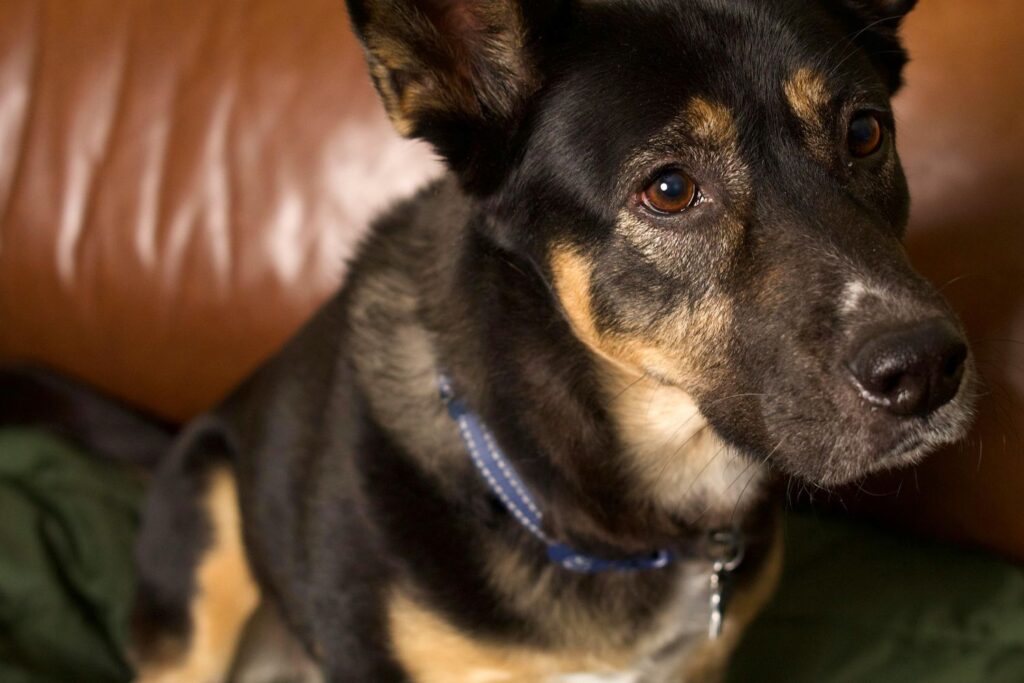
Dogs notice when people act unfairly toward others. In experiments, dogs watched humans distribute treats unequally and later avoided the person who was stingy, as referenced by the American Kennel Club. This behavior suggests they form opinions about trustworthiness, not grudges. Dogs remember emotional outcomes, who made them feel safe versus who didn’t. That nuanced awareness shows how they navigate social behavior. While humans might call it resentment, it’s more like instinctual assessment, a quick emotional calculus that helps them decide who deserves their attention, as reported by the American Kennel Club.
4. Avoidance often looks like resentment but isn’t revenge.
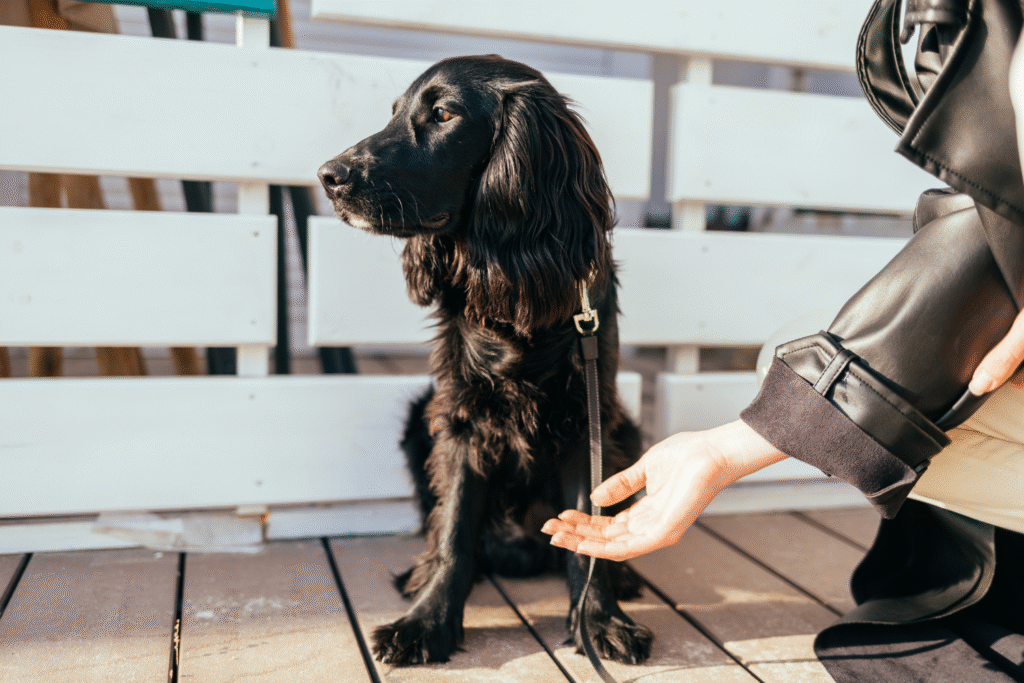
When your dog ignores you after an unpleasant event, it might seem personal, but it’s not punishment, it’s emotional distancing. Dogs operate through association, not morality. If your tone was sharp or your energy tense, they record discomfort and adjust behavior to protect themselves. Avoidance is their emotional armor. Given time, calm interaction, and predictable affection, the discomfort fades. That’s how dogs reset, through safety, not apologies. They’re not pouting in the corner, they’re recalibrating their trust in you moment by moment until equilibrium returns.
5. Training can rewrite emotional memories completely.

What appears to be lingering resentment is often just unhealed association. Dogs can unlearn fear and tension through consistent positive reinforcement. By pairing kindness, treats, or gentle touch with previously stressful cues, owners can reshape memory. It’s neuroscience in action—new emotional wiring replaces the old. Over time, the same word or gesture that once caused anxiety can become neutral or even pleasant. The process isn’t forgiveness—it’s rewiring. With patience, your dog’s brain physically reprograms, teaching them safety again where discomfort used to live.
6. Past trauma deepens reactions but isn’t bitterness.

Rescue dogs often react strongly to specific triggers, a raised hand, a loud voice, a door slam. It’s easy to assume they’re angry at whoever hurt them, but trauma is stored differently. Their brains associate those stimuli with danger, not resentment. Each response is a flashback of emotion, not a thought. Rehabilitation replaces fear with familiarity, but it takes consistency. In these cases, the dog isn’t grudgeful—they’re defensive. Once their environment proves safe again, their trust blooms quickly. For them, healing isn’t forgetting, it’s learning that the past no longer applies.
7. Dogs read your emotions more than recall your actions.
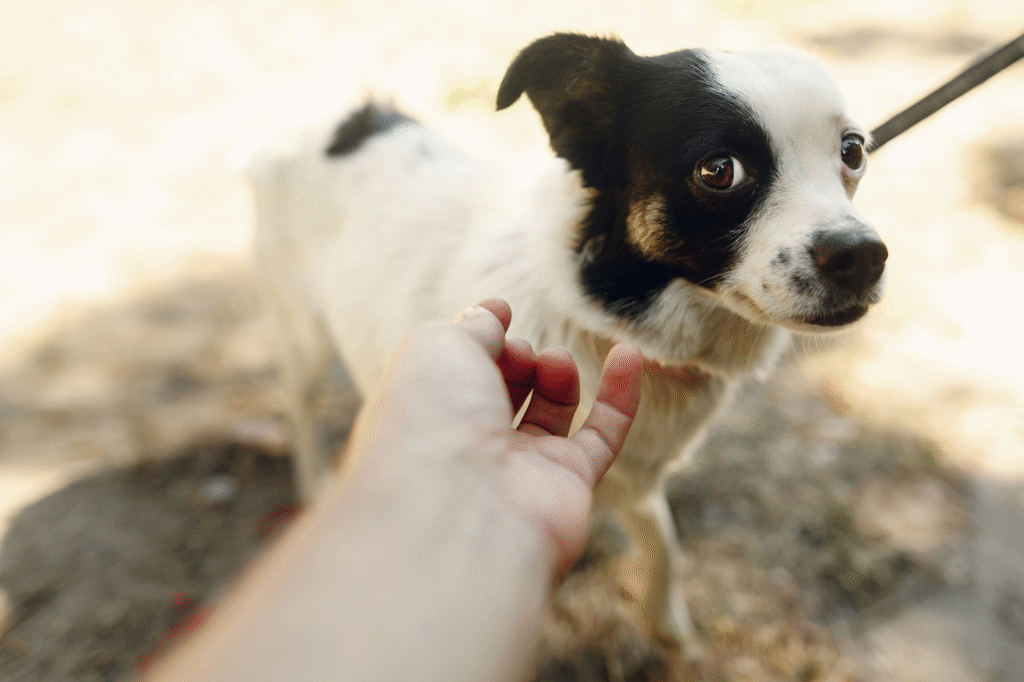
Dogs are emotional mirrors. They pick up tension, calmness, fear, or affection more acutely than they remember exact events. If you’re anxious after a disagreement, your dog feels it first. That’s why a dog’s avoidance might persist even after the incident is forgotten, they’re responding to your energy, not a memory. Your tone, scent, and posture speak louder than your words. By softening your body language and projecting calm, you can change their reaction faster than through apology. Emotional energy is their language, and it rewrites memory in real time.
8. Relationships influence how fast dogs move on.

Dogs who trust deeply recover quickly from conflict. A securely bonded dog may forget scolding within minutes, focusing on affection instead. Weaker bonds, however, make recovery slower because the dog lacks a stable sense of safety. When security wavers, small negatives linger longer. The quality of your connection determines resilience. Building routines, affection, and calm consistency strengthens this foundation. A dog that trusts you will interpret your mistakes as noise in a symphony, not betrayal. In emotional terms, attachment acts as forgiveness before conflict even happens.
9. Breed, personality, and experience shape emotional memory.
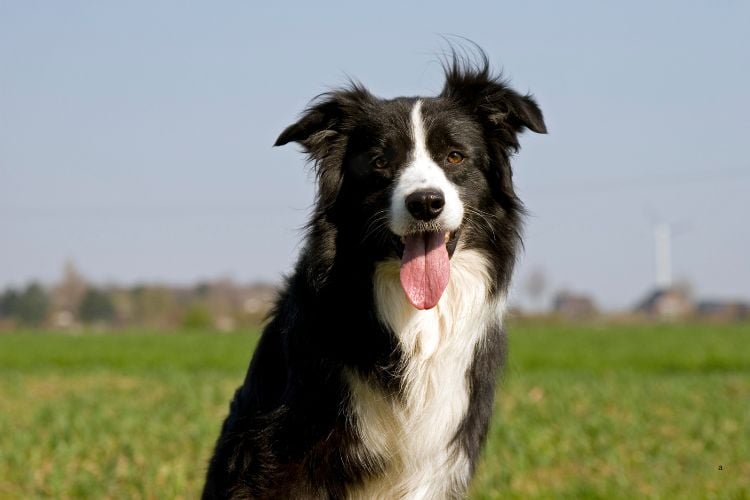
Not all dogs process emotions equally. Sensitive breeds like Border Collies or Retrievers may internalize tone changes quickly, while more independent types, like Huskies or Terriers, seem unbothered. Personality plays a huge role in how long a reaction lasts. Life experience also matters; dogs raised with positive reinforcement recover faster than those exposed to unpredictable correction. Understanding these differences prevents misreading natural caution as emotional spite. What looks like holding a grudge may just be a thoughtful, intelligent animal adjusting its expectations.
10. Understanding memory over malice deepens the bond.
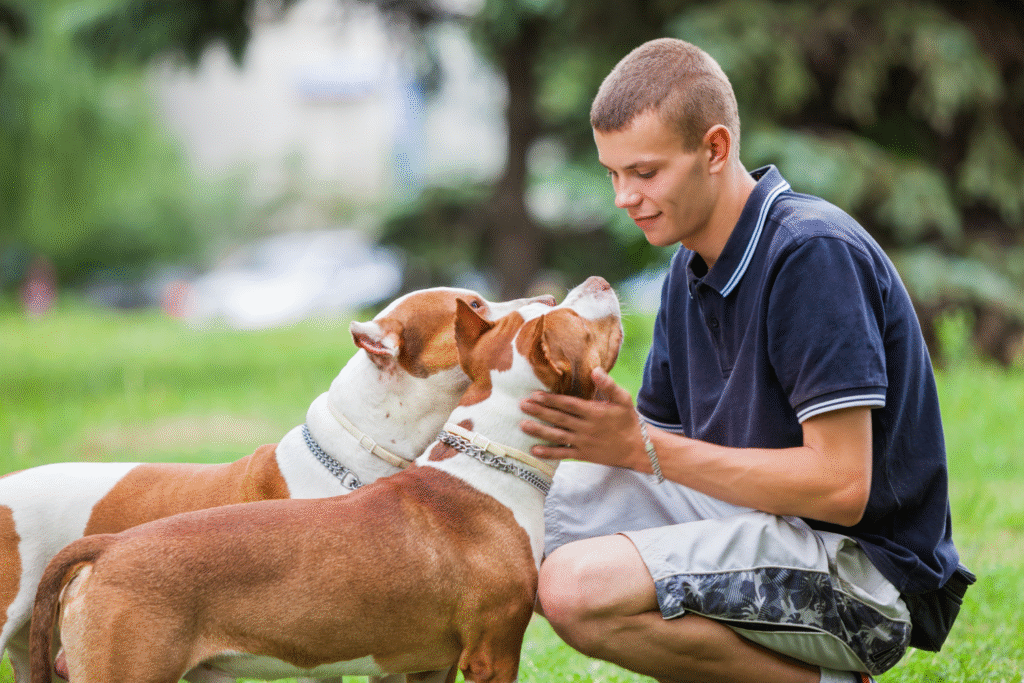
When you realize dogs don’t dwell on resentment but respond to emotional memory, your relationship shifts. They’re not keeping score, they’re measuring safety. Every kind gesture, calm tone, and consistent action reinforces their trust. Recognizing their emotional intelligence lets you meet them where they are: in the present. In that space, grudges don’t exist, only connection, comfort, and communication. For dogs, love is their reset button, and every day offers a clean slate if we choose to earn it.