
Recognising subtle farewells from our canine companions.

When a dog begins their final journey, their behaviour gently shifts rather than shouting goodbye. You may notice changes in sleep, appetite, mobility or the places they choose to rest. These shifts reflect their internal transition, an instinctual adjustment rather than a conscious farewell. As we stand beside them in those vulnerable hours, recognising what they’re communicating lets us respond with compassion, respect and presence. Here are ten of those tender signs, each revealing how dogs quietly prepare for the end—and how we can honour that path.
1. Your dog seeks extra closeness and then isolates themselves.
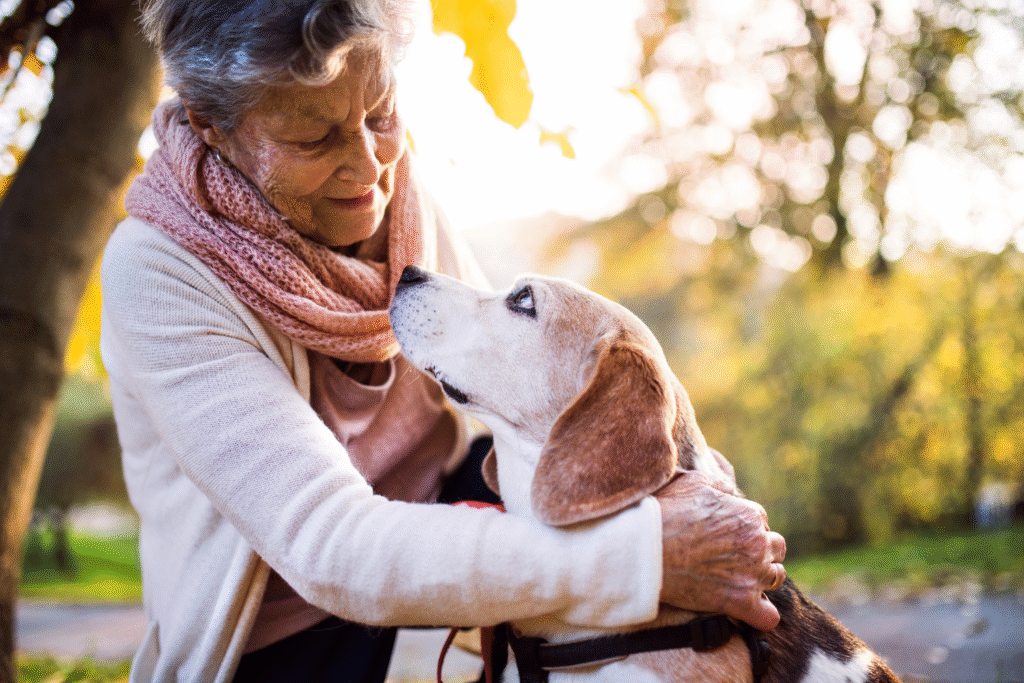
Some dogs move in closer to you as they near death, resting by your side and mouthing your hand, while others drift away to quiet corners, hiding in solitude. According to The Pet Lab Co., this behaviour emerges in dogs who instinctively look for comfort or solitude as they decline. It’s not spite or fear, it’s their way of finding peace in a body that no longer functions as it once did. When they cling or withdraw, they’re signalling vulnerability and the need for your calm presence.
2. Appetite and drinking habits dramatically change.

Dogs near the end frequently lose interest in food and water even when previously enthusiastic, as reported by CareCredit’s pet-care resource. This drop in appetite and thirst isn’t simply being picky—it reflects failing organ systems and energy reserves. Your patience matters now more than your coaxing. Soft foods, hydration aids, and gentle coaxing matter less than the comfort of presence. Rather than urging them to eat, offering quiet company and respect for their body’s purposes becomes the honour you give them.
3. Bedding and resting places shift to unusual spots.

It’s common for dogs approaching the end to change where they rest, choosing cooler tiles, secluded corners or quiet spaces under furniture. As stated by Earth.com in their review of behavioural signs, this adjustment reflects sensitivity to discomfort, temperature shifts and the desire for solitude. These aren’t random choices—they’re their way of seeking ease in a body that no longer copes with routine. By adapting their resting place to what feels right, you’re aligning with their needs not your memories of how things were.
4. Movement slows and gait becomes unsteady.
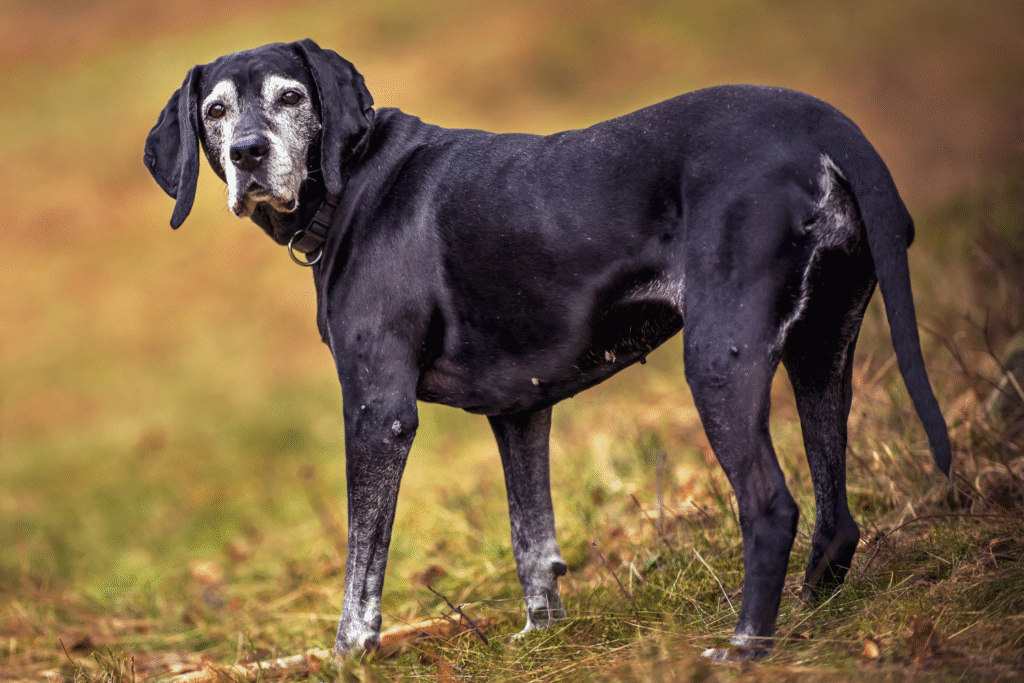
You may notice your dog hesitating on stairs, wobbling on walks or refusing a previously loved route. Slowing mobility and imbalance often signal that muscle strength, coordination and energy are fading. Rather than coaxing activity, this is the moment to shift into support mode: harnesses, short supported walks, soft mats and simple kindness. Recognising that their world is shrinking in pace helps us stay present rather than pushing them beyond comfort.
5. Breathing patterns become irregular and laboured.
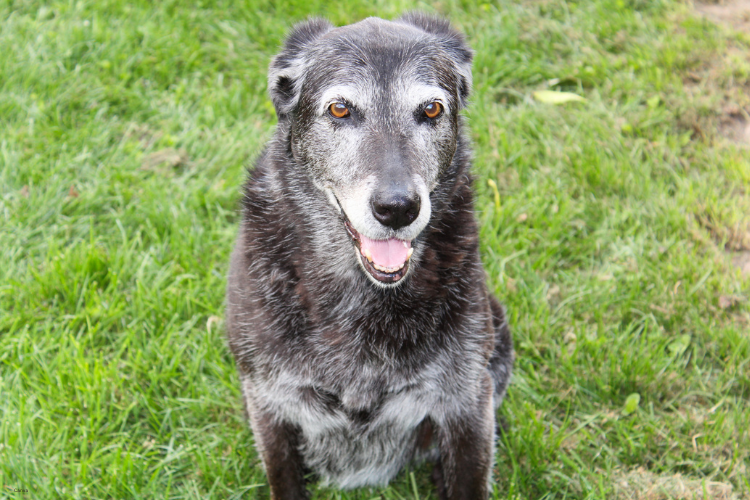
Periods of heavy panting, shallow breathing or long pauses between breaths are common in dogs nearing their end. These changes stem from metabolic decline, heart or lung strain. It’s less about anxiety and more about physiology. Offering a calm environment, cool air and your quiet company provides more relief than remedies. In this scene every breath matters—and being there matters more than changing it.
6. Vocalisations may increase or fade into silence.

Your dog might groan softly, whine or even bark during moments of discomfort, or conversely become nearly silent and retract into stillness. These shifts reflect internal experiences of pain, confusion or exhaustion. The choice isn’t yours to stop the sound but to soften it: gentle petting, low voices and presence. Silence is not always serenity—sometimes it’s exhaustion—and your awareness gives comfort.
7. Interest in toys, walks and social interaction declines.

Where once your dog leapt for a ball or followed a scent trail, they may now lie still or ignore a familiar entrance. That drop in engagement indicates that energy is being conserved and distractions feel heavy. Instead of insisting on playtime, shift into being simply with them—reading quietly, offering your hand, letting them choose rest. In that shift you honour their pace, not your nostalgia.
8. Body temperature regulation becomes inconsistent.
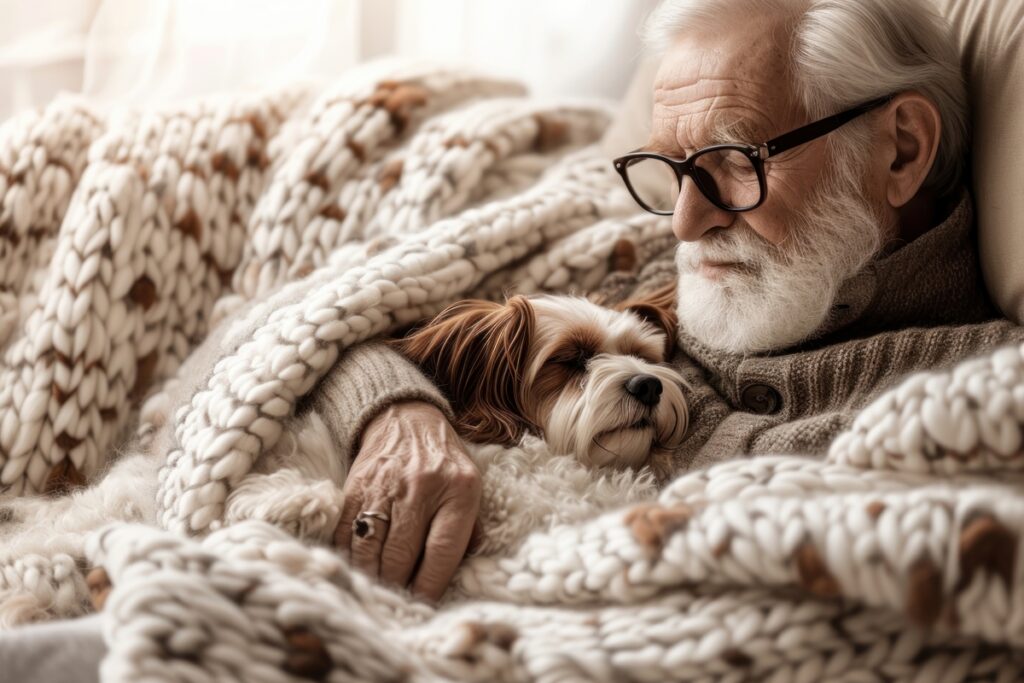
You may find your dog seeking cool tiles, shivering under blankets or shifting between warm and cold spots. This irregularity happens when circulation and internal regulation fail. Your response isn’t to force temperature but to offer choice: a soft blanket, a smooth tile, a quiet hammock. Letting them find their comfort place is the gift of respect in those final hours.
9. Gums become pale and extremities feel cold to touch.
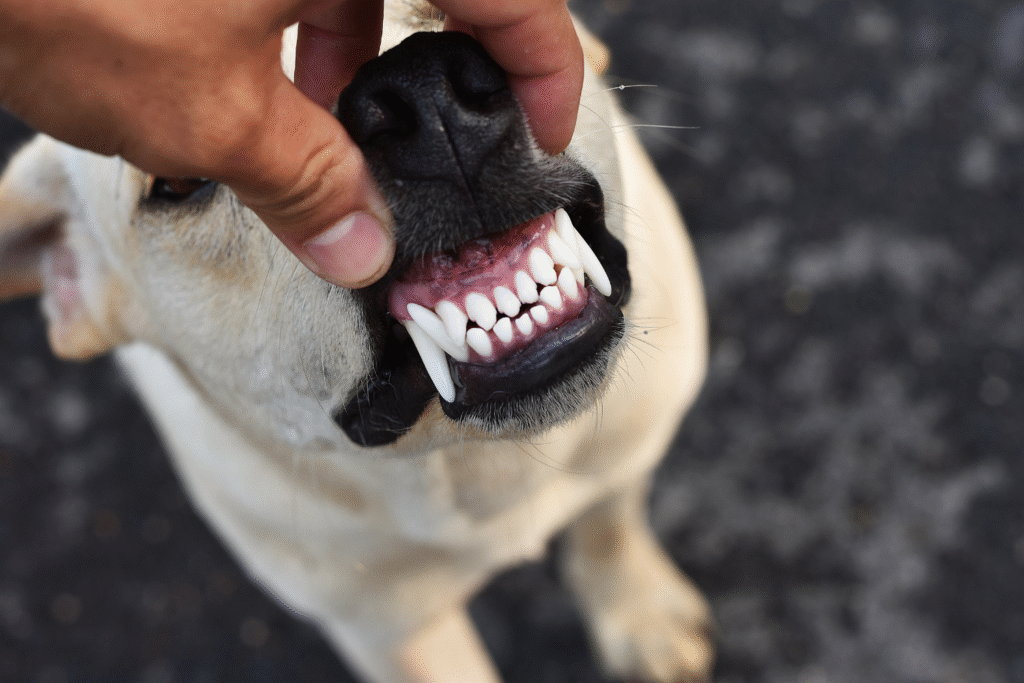
Cold ears, pale gums and a body that’s cooler to the touch often signal circulatory slowdown. According to veterinary guides, these are meaningful signs in the last days or hours. They’re not painless transitions—but with your presence, pain can be minimized and dignity preserved. Holding their paw, stroking their coat, offering calm words—these matter.
10. A final quiet pause and one last gaze before fading.

Many dog owners recount a moment of stillness just before their companion slips away—a soft exhale, a single look, a relaxed sigh and then peace. That moment is not dramatic but deeply symbolic. As they drift, being beside them without pressure or interruption becomes your farewell. Holding space without words lets their body and soul cross quietly, and teaches us how love lingers beyond presence.